







The Property Geek: The rise of the 15-minute city
Why the future of living is closer than we think
Published Jun 28, 2026 03:28 pm


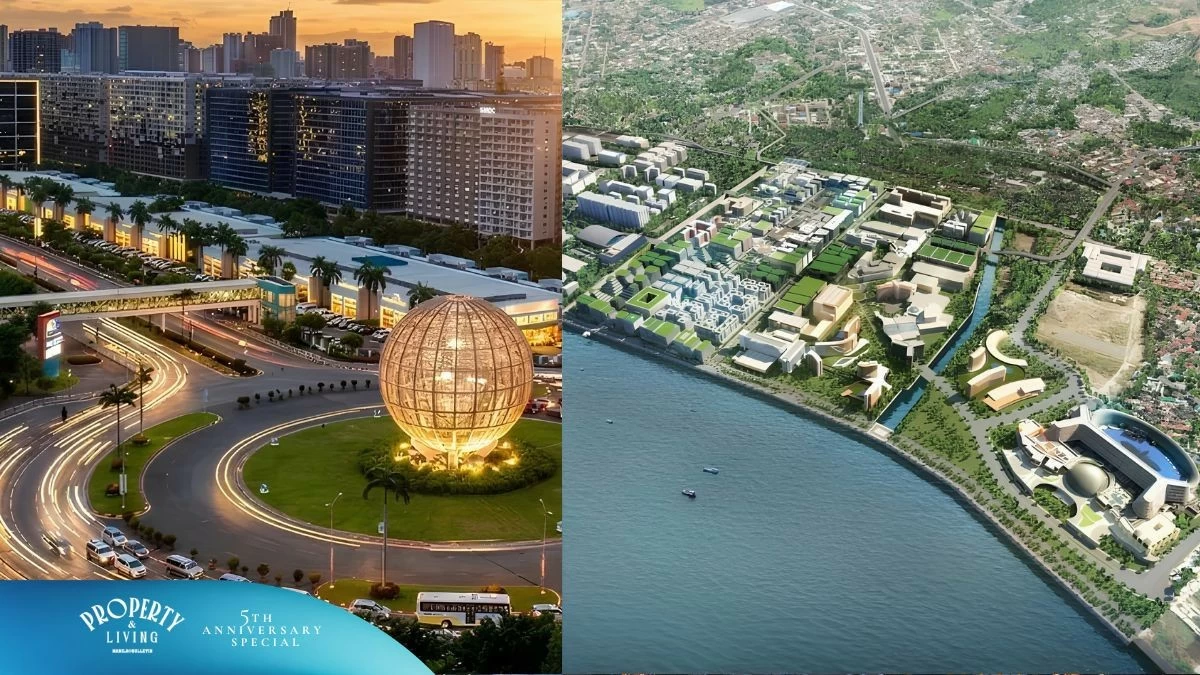
For decades, the dream home was defined by one thing: space. A bigger house. A larger lot. A wider backyard.
But as cities evolve and lifestyles change, the definition of an ideal community is being rewritten. The cities of tomorrow are no longer measured solely by how much space they offer, but by how efficiently they connect people to the things that matter most.
Welcome to the era of the 15-minute city.
The concept is simple yet transformative: everything a resident needs. Workplaces, schools, healthcare, parks, dining establishments, retail centers, and recreational spaces should be accessible within a 15-minute walk, bike ride, or short drive from home.
While the idea originated in urban planning circles abroad, many emerging developments in the Philippines are already embracing this vision. Take a closer look at the country's most successful master- planned estates. Instead of building isolated residential subdivisions, developers are creating integrated communities where homes coexist with offices, commercial districts, educational institutions, transport networks, and green spaces. The result is not merely convenience.
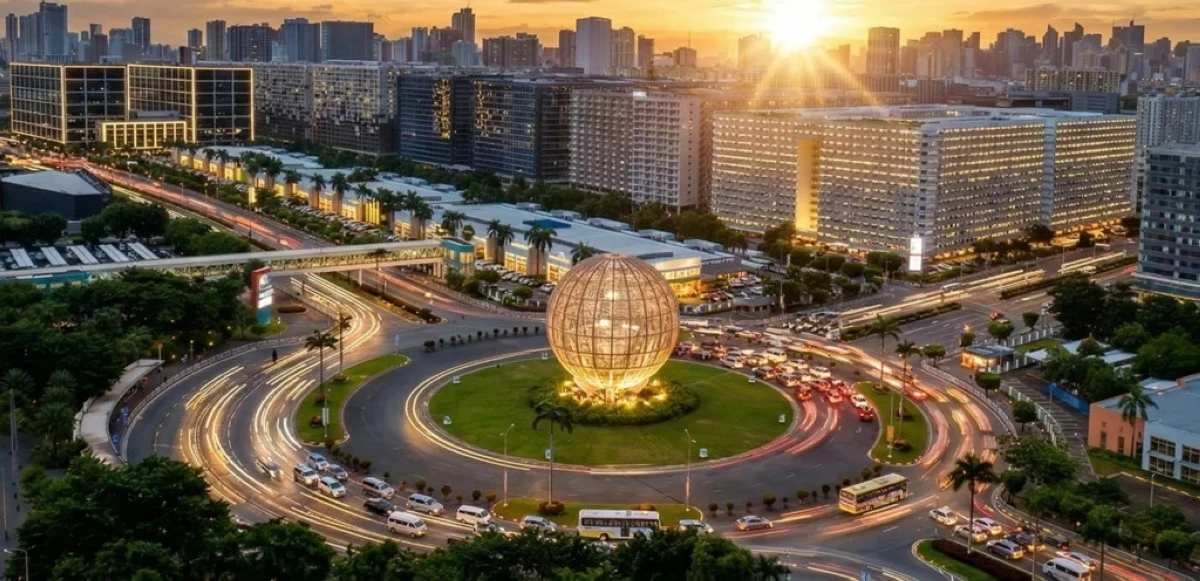
Mall of Asia Complex (Photo: SMDC)
It is a better quality of life. Less time spent in traffic means more time with family. Shorter commutes reduce stress and fuel consumption. Accessible parks encourage healthier lifestyles. Nearby workplaces create opportunities for work-life balance that previous generations could only dream of. This shift is particularly relevant for younger homebuyers and investors.
Generation Z and Millennials have grown up in a digital-first world where convenience is expected. They value experiences over excess and prioritize accessibility over distance. For them, living close to everything is often more important than owning the largest property on the block. Developers are responding accordingly.
Across growth corridors in Laguna, Cavite, Pampanga, and other emerging urban centers, new townships are being designed around walkability, connectivity, and mixed-use environments. Residential villages are increasingly integrated with retail hubs, co-working spaces, transport systems, and lifestyle destinations.
Equally important is the role of sustainability. The cities of tomorrow cannot simply be bigger; they must be smarter. Green corridors, bike-friendly roads, renewable energy initiatives, water management systems, and pedestrian-oriented designs are becoming critical components of modern developments. These features not only reduce environmental impact but also enhance long-term property values.
Investors are beginning to recognize this connection.
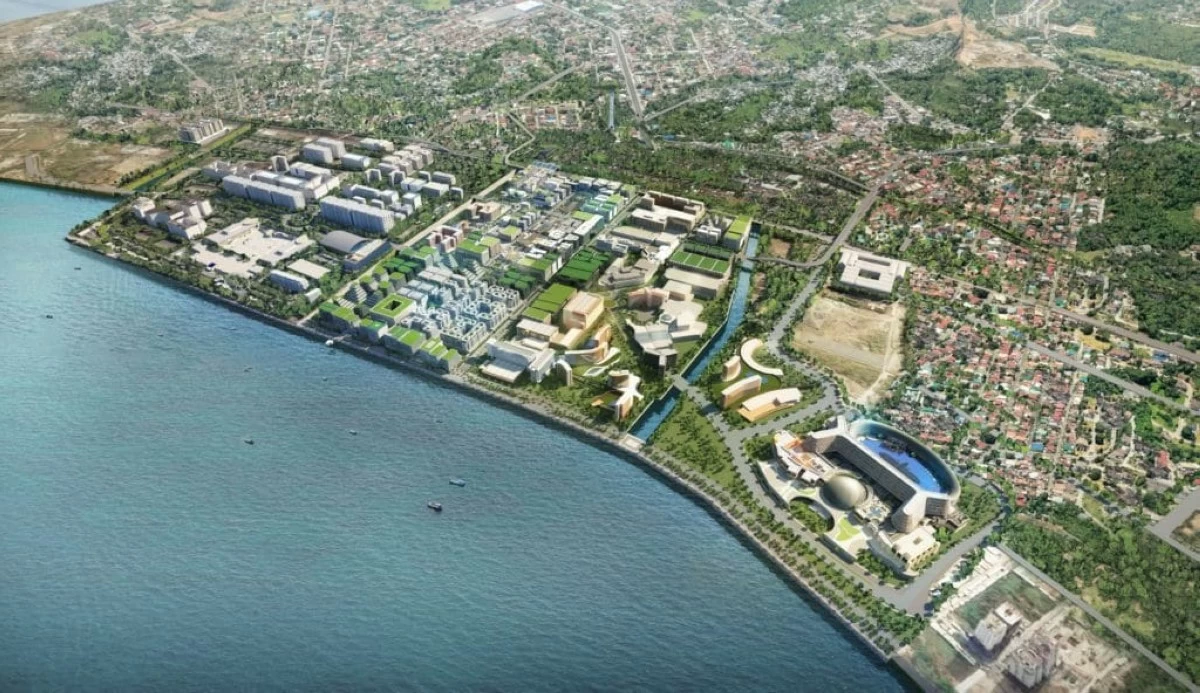
Aseana City (Artist's perspective: DMWAI)
Properties located within thoughtfully planned communities often command stronger appreciation and more resilient demand because they address a fundamental reality: People will always pay a premium for convenience, accessibility, and quality of life. The future city is also becoming increasingly human-centric.
For years, urban development focused heavily on infrastructure and buildings. Today, the conversation has expanded to include community- building, wellness, culture, and social interaction. Developers are creating public spaces where people can gather, connect, exercise, and engage with their surroundings. In many ways, the most successful cities of the future will not be defined by their skyscrapers, but by their ability to foster meaningful human experiences.
As someone who spends every day studying real estate trends and helping families make one of the biggest financial decisions of their lives, I believe the next generation of property investment will be driven by this very principle.
People are no longer just buying homes. They are investing in ecosystems. They are choosing communities that align with their values, support their lifestyles, and adapt to the changing demands of modern living.
The blueprint for the future is becoming clear. Cities of tomorrow will be greener, smarter, more connected, and more walkable. They will place equal importance on technology and human wellbeing. Most importantly, they will bring opportunities closer to where people live. Because in the future of living, the greatest luxury may no longer be having more. It may simply be needing less time to get where you want to be.