







The master builders' vision of luxury living
Published Jun 28, 2026 05:46 pm


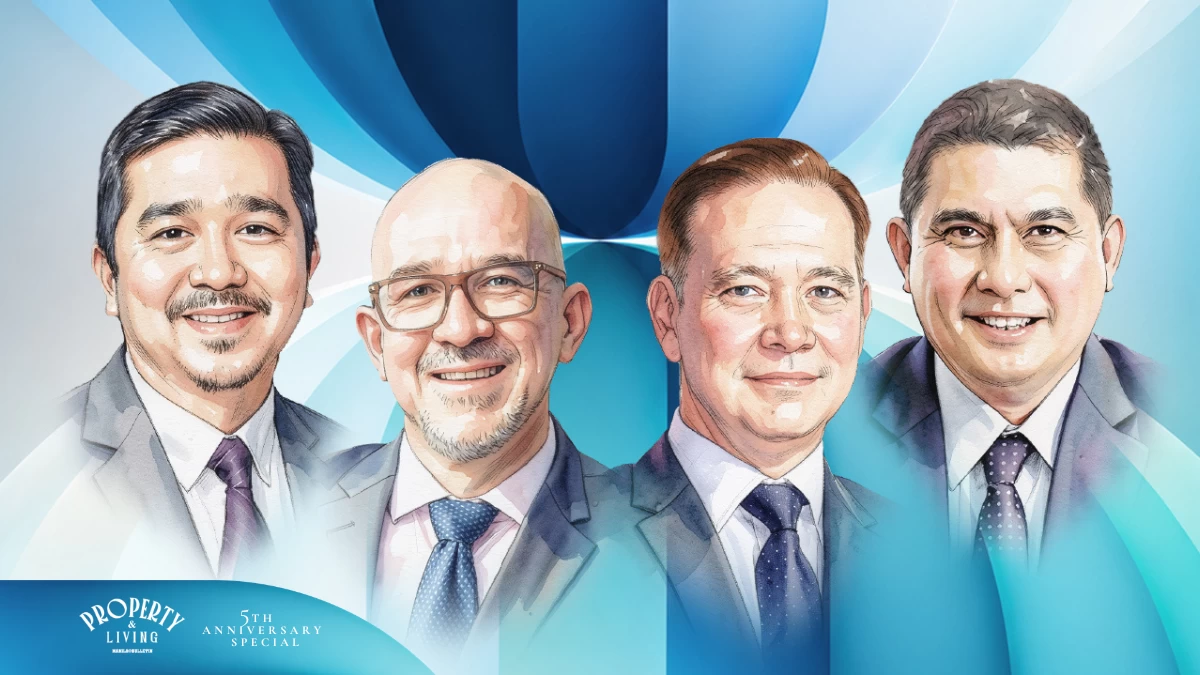
As key drivers in the real estate sector, luxury and ultra-luxury developments are undergoing dramatic reinvention. Driven by a highly discerning class of domestic and global affluent buyers, developers have moved past traditional definitions of luxury, measured largely in square meters, imported materials, and exclusive zip codes.
The affluent buyer of tomorrow is no longer just collecting status symbols; instead, they are seeking ecosystems that enhance longevity, cognitive well-being, and environmental harmony as we look forward to the next quarter-century. To remain relevant, the next generation of developments must navigate toward a blueprint responsive to this shift into premium residential living spaces.
In this special forum feature, we invited the visionary developers and industry leaders to define the next horizon by answering the question, "In what direction is luxury living headed in the next 25 years?
Here is how today's master builders envision the spaces of tomorrow.
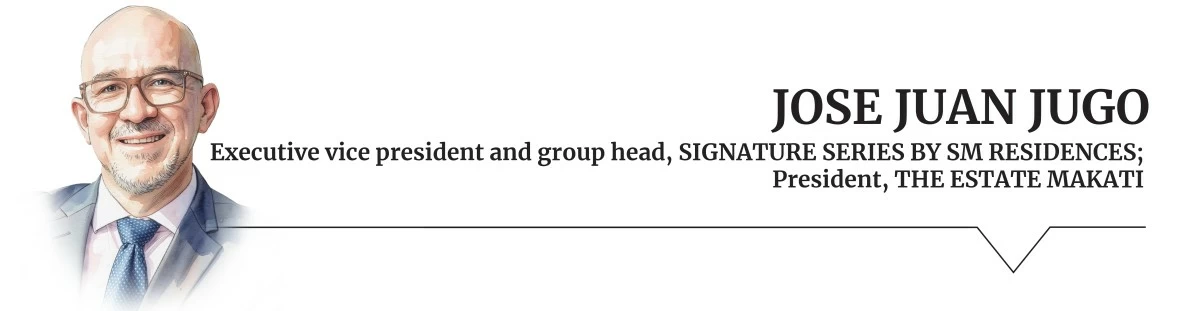
"Our country is an economic sweetspot. The average age in the Philippines is 26. This entire young generation is just getting started in the workforce. This entire young generation is just getting started in the workforce. Coupled with good education and sound economic policies, the Philippines can expect to harvest these demographic dividends over the next few decades.
With that comes a steady wave of wealth generation. The expectation is that there will be a continuous demand for premium and luxury properties. We see the industry headed that way. As developers, we want to be there to provide those requirements. It will entail having our ears close to the ground to understand that market’s pulse, sleeves rolled up, prepared for execution, and hands to hearts in long-term commitment."
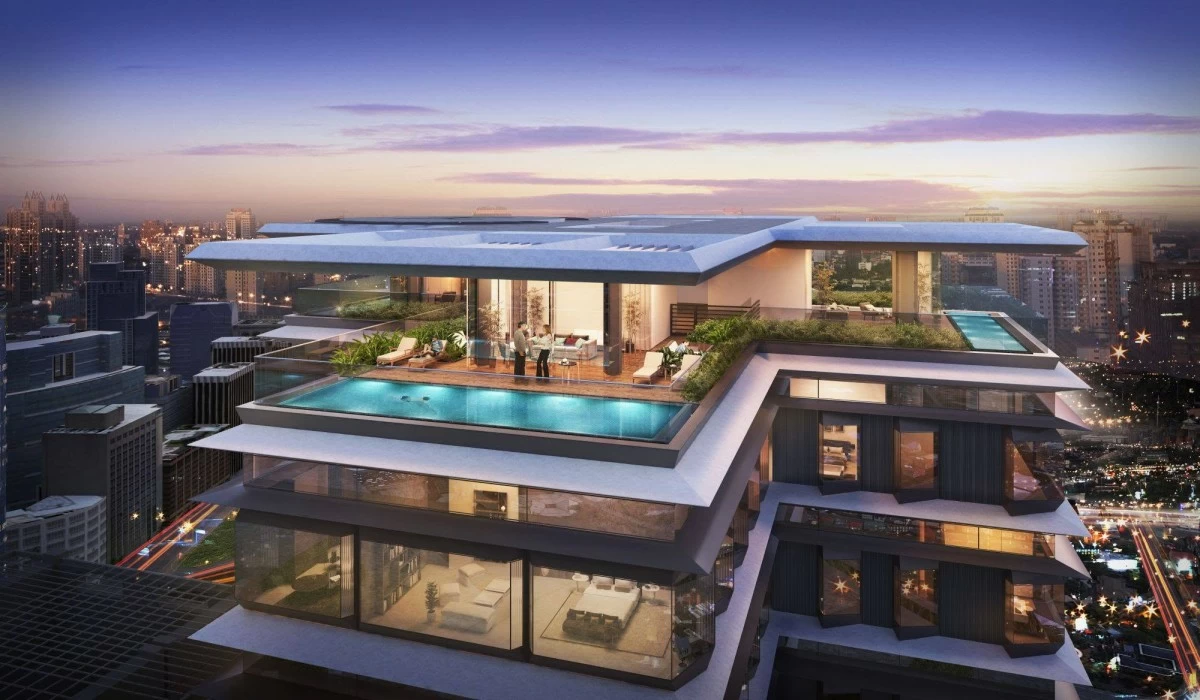
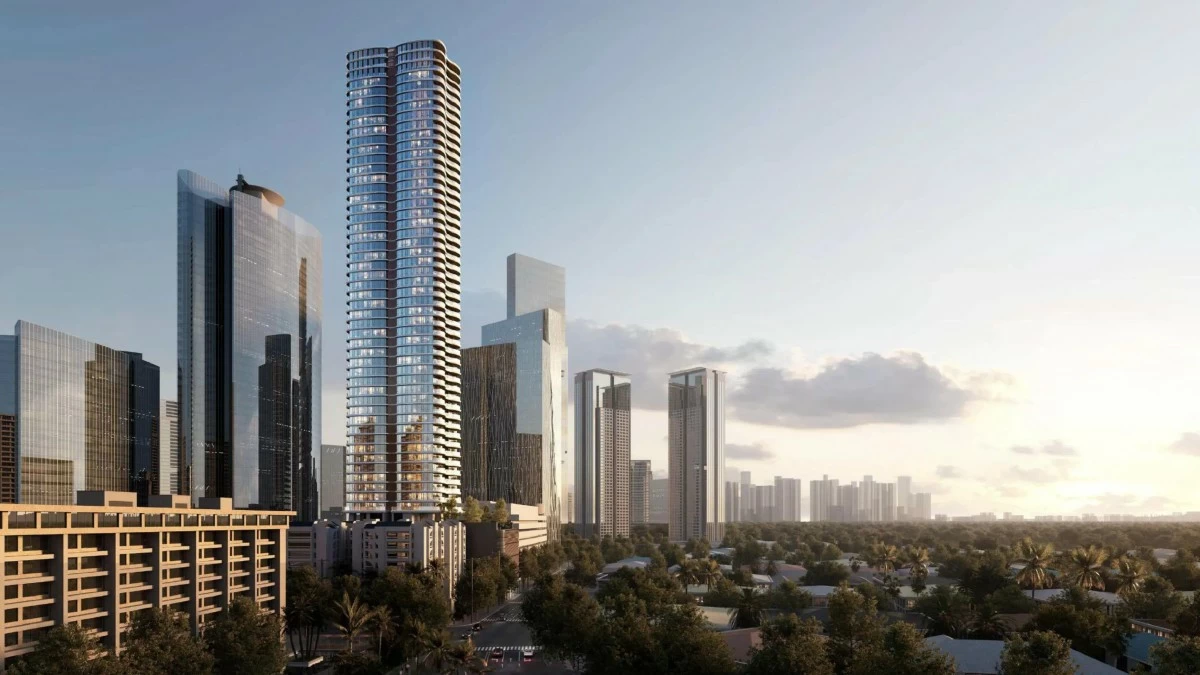
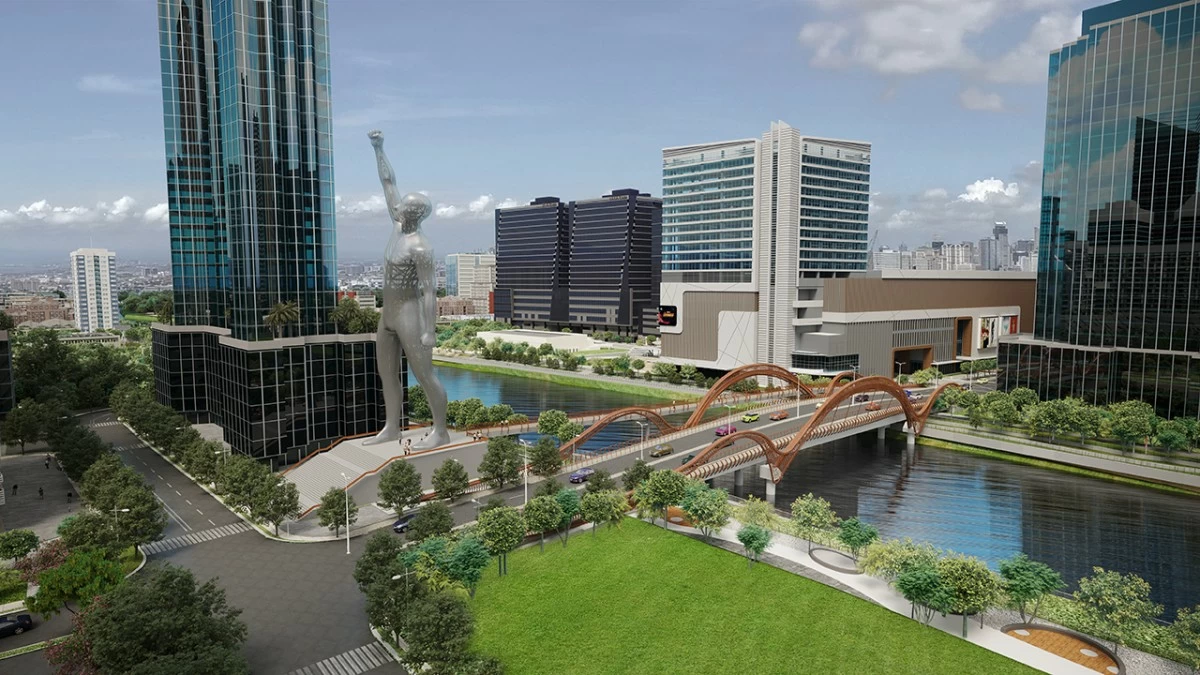
The Estate Makati (Artist's Perspective: The Estate Makati)
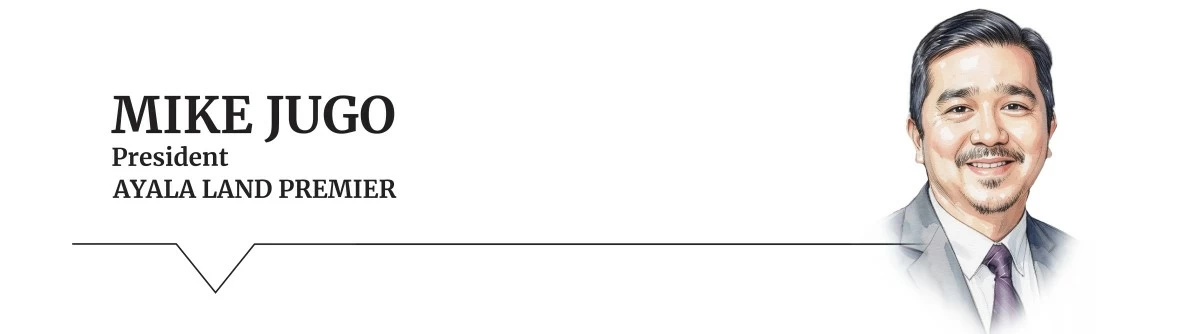
"We are seeing a major shift in how affluent Filipinos define an 'iconic' home, driven by three emerging trends.
"First, luxury is moving from outward status to inward privacy. Sophisticated buyers now view their homes as discreet sanctuaries designed for personal and familial comfort rather than public impression. This means a greater focus on bespoke personalization, sensory textures, and curated spaces for intimate circles.
"Second, there is a powerful resurgence of cultural pride. Wealthy buyers are increasingly looking to Filipino heritage as the ultimate signifier of elevated living, integrating local artisanship, master craftsmanship, and indigenous materials into high-end design.
"Finally, true luxury is becoming synonymous with climate resilience. In response to our changing environment, future-proof homes must be intelligently engineered—utilizing passive cooling, natural wind patterns, solar orientation, and flood-resilient technologies to marry sustainability with high-end living.
"However, beyond these evolving trends, the core fundamentals of what affluent Filipinos demand remain constant.
"Trends dictate the design, but the foundation must always be a highly efficient, master-planned ecosystem—which is exactly why developments within Ayala Land Estates remain the gold standard. Furthermore, the modern luxury buyer expects their home to function flawlessly. They don't just want a beautiful property; they demand an elevated lifestyle backed by seamless, hotel-like services, precisely like the world-class standards delivered by Ayala Land Hospitality."
"In the future, we foresee that luxury residential projects will be dynamic ecosystems focused on longevity and self-sufficiency.
"Architecturally, we will see regenerative design as a norm for every design project. Luxury will no longer just be about square footage; it will be about carbon-negative materials and hyper-flexible layouts that adapt to a resident's changing needs over a lifetime. Biophilic architecture will be deeply integrated, blending indoor spaces seamlessly with managed micro-ecosystems.
"In terms of technology, the era of a home or a building being hooked up to the grid as we know it today will be over. Instead, homes will be powered by their own built-in sustainable energy systems, or connected en masse to non-traditional power generation systems that run on cleaner, cheaper energy. Not to mention each home will function as its own de facto energy storage facility. AI will passively optimize air purity, circadian lighting, and thermal comfort based on biometric data, managing the property seamlessly in the background.
"This technical evolution aligns perfectly with changing human values. High-net-worth individuals are prioritizing holistic wellness, absolute privacy, and legacy sustainability over ostentation. The home is now a sanctuary for cognitive recovery and multi-generational health.
"Ultimately, the prime property of the future will not just look spectacular—it will actively preserve the health of its occupants and the planet."
Ayala Park Villas (Artist's Perspective: Ayala Land)
"Luxury living in the Philippines has been moving away from sheer floor area and dependence on live-in help toward homes that perform reliably, efficiently, and safely in all conditions. Today, more and more buyers look at how a home functions—well-planned layouts that make spaces feel larger, resilience during natural disasters, integrated technologies that enhance daily living, and high-quality amenities and services that support a wide range of lifestyles.
"Luxury means quiet confidence: knowing you remain safe and comfortable even in the worst weather through reliable emergency power and water, durable waterproofing, and structures designed with generous safety margins. It also means having technology that empowers residents with greater control and peace of mind—from advanced security and access systems to smart building features that promote convenience, efficiency, and ease of living.
"At the same time, luxury is defined by seamless everyday support: efficient utility management and services on demand—housekeeping, handyman assistance, pet care, and transportation—without the need for a large permanent household staff, complemented by uncompromising security and fire safety standards.
"Our partnership with Nomura Real Estate has helped shape this philosophy of "Confident Living": blending Japanese planning and engineering with Filipino hospitality to create homes where reliability, comfort, and ease of living define the new luxury."
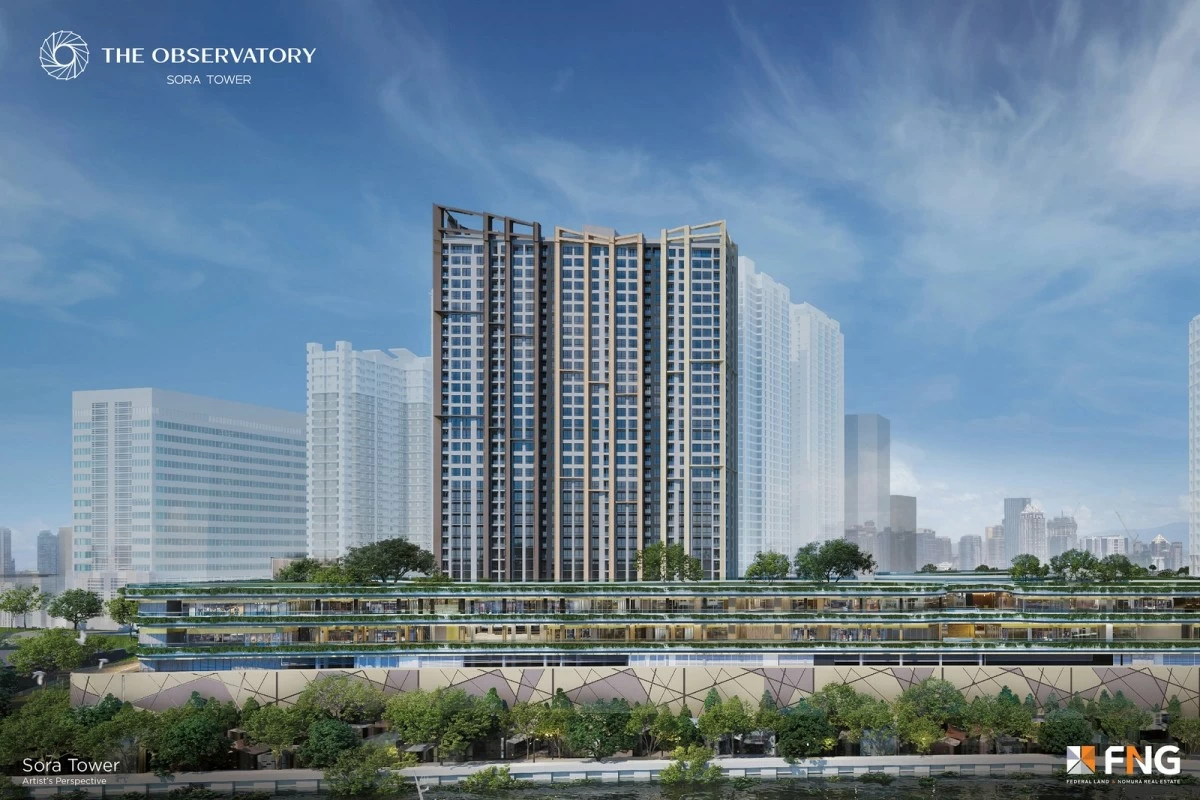
The Observatory (Artist's Perspective: FNG)
"Over the next 25 years, future homeowners will place greater value on convenience, wellness, resilience, and meaningful connections to their surroundings. We see this as part of a broader shift toward premiumization, where value is measured not just by the home but by the experiences and opportunities it enables.
"As developers, our response is to create communities that support evolving lifestyles. The connectivity of prime residential properties to business districts, transportation networks, retail destinations, and lifestyle amenities will increasingly shape them.
"Architecturally, innovation will focus on balancing aesthetics, functionality, and resilience, supported by construction technologies that improve efficiency and durability. While smart home features will become more common, the greater focus will be on creating seamless living experiences. Ultimately, the homes of the future will combine location, experience, and long-term value to meet changing homeowner priorities."

"Over the next 25 years, I believe luxury living will evolve beyond the traditional measures of exclusivity, size, and prestige. The future of luxury will be defined by wellness, sustainability, personalization, and meaningful experiences. Homeowners will increasingly seek residences that not only reflect success but also enhance quality of life, foster a deeper connection with nature, and provide seamless access to work, leisure, and community. Luxury developments will become more integrated, offering curated environments where convenience, security, health, and lifestyle are thoughtfully woven together.
"From an architectural standpoint, prime residential properties will place greater emphasis on timeless design, adaptability, and environmental resilience. We will see homes designed to maximize natural light, open spaces, and indoor-outdoor living, while incorporating sustainable materials and energy-efficient technologies. At Brittany, we believe luxury communities should be enduring assets that remain relevant across generations, balancing elegance with functionality and sustainability.
"Technology will also become increasingly embedded in the residential experience. Smart home systems, AI-driven property management, enhanced security, and digital connectivity will become standard expectations rather than premium features. However, technology should remain an enabler rather than the focal point. The ultimate objective is to create homes that are intuitive, efficient, and responsive to the needs of residents while preserving comfort, privacy, and human connection.
"Perhaps most importantly, shifting human values will redefine what luxury means. Future homeowners will place greater value on space, privacy, wellness, sustainability, and a strong sense of community. As a developer, our response is to continue creating master-planned environments that offer not just exceptional homes, but complete lifestyles. Through Brittany, we are focused on developing distinctive communities that combine world-class design, premium locations, lifestyle amenities, and long-term value, ensuring that our developments remain relevant and desirable for generations to come.
"Ultimately, the luxury homes of the future will not simply be places to live—they will be places that enrich lives, support well-being, and create lasting legacies. That vision continues to guide Brittany's approach to luxury development today and into the future."
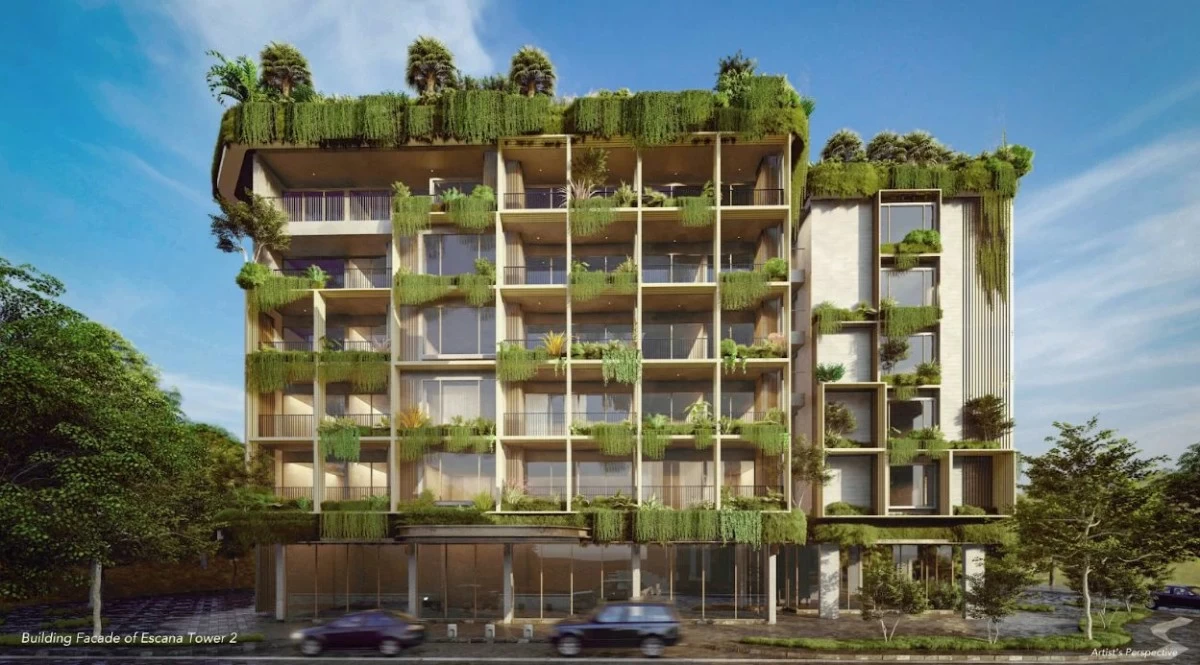
Britanny Escana Boracay (Artist's Perspective: Vista Land)