







Life by design: The future of healthy living
The industry weighs in on creating homes and communities that promote health, connection, and longevity
Published Jun 28, 2026 03:37 pm



As people live longer and place greater importance on health and wellbeing, the way homes, communities, and cities are designed is also changing. Beyond providing shelter and convenience, the built environment is increasingly expected to support healthier lifestyles, stronger social connections, and better quality of life. For this forum, Manila Bulletin Property & Living asks: "How can design help people live longer and better in the next decade?"
The discussion explores the trends and ideas shaping the future of urban living. Architects, interior designers, and developers share how thoughtful design can create environments that are healthier, more adaptable, and better suited to the needs of people at every stage of life.
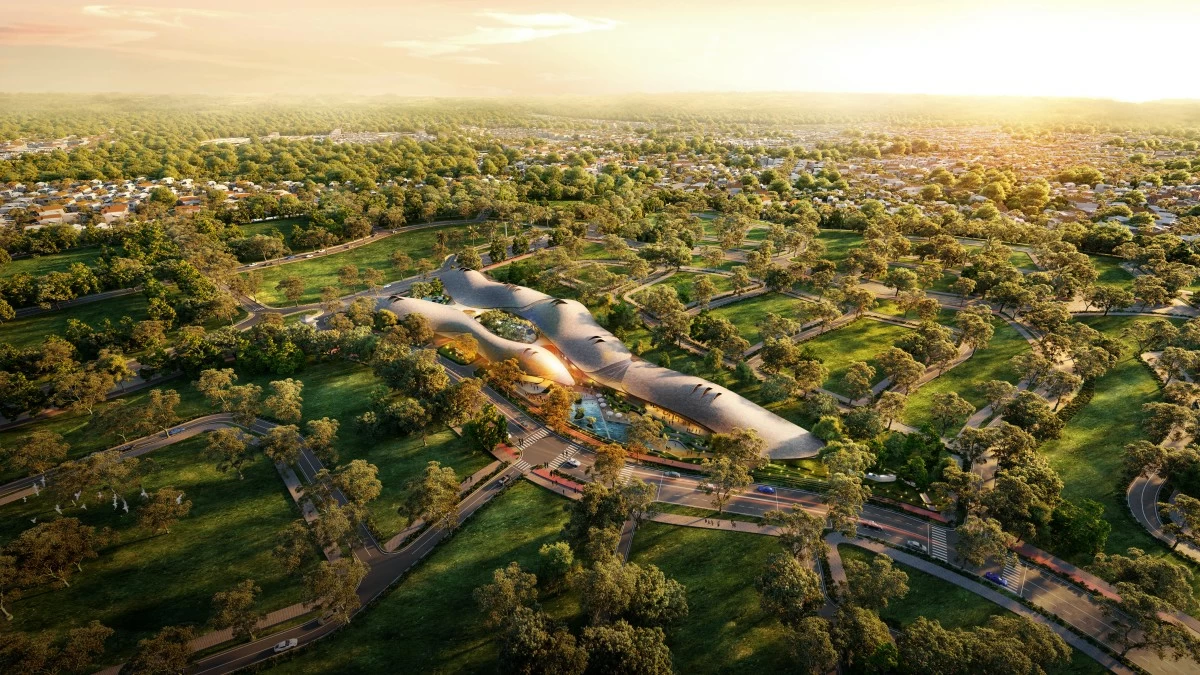
Southlinks Estate (Photo: Southlinks Estate)
'It is only when design genuinely focuses on people that its occupants' health and wellness are prioritized. In this light, we look at some of the factors that contribute to the livability of a designed space and the healthspan and longevity of the people who live or work in it-the elements of good planning, material selection, the interaction between outdoor and indoor spaces, the presence of abundant plants and healthy landscapes, a deep respect for the natural environment, access to fresh air, the luxury of beautiful views, whether green (lush with forests, mountains, or trees) or blue (with oceans, water, rivers, and open, unobstructed skies), natural ventilation supported by air-conditioned environments, the reduction of heat and glare while embracing the softness of natural light, and the elimination of emissions, among many other factors.'
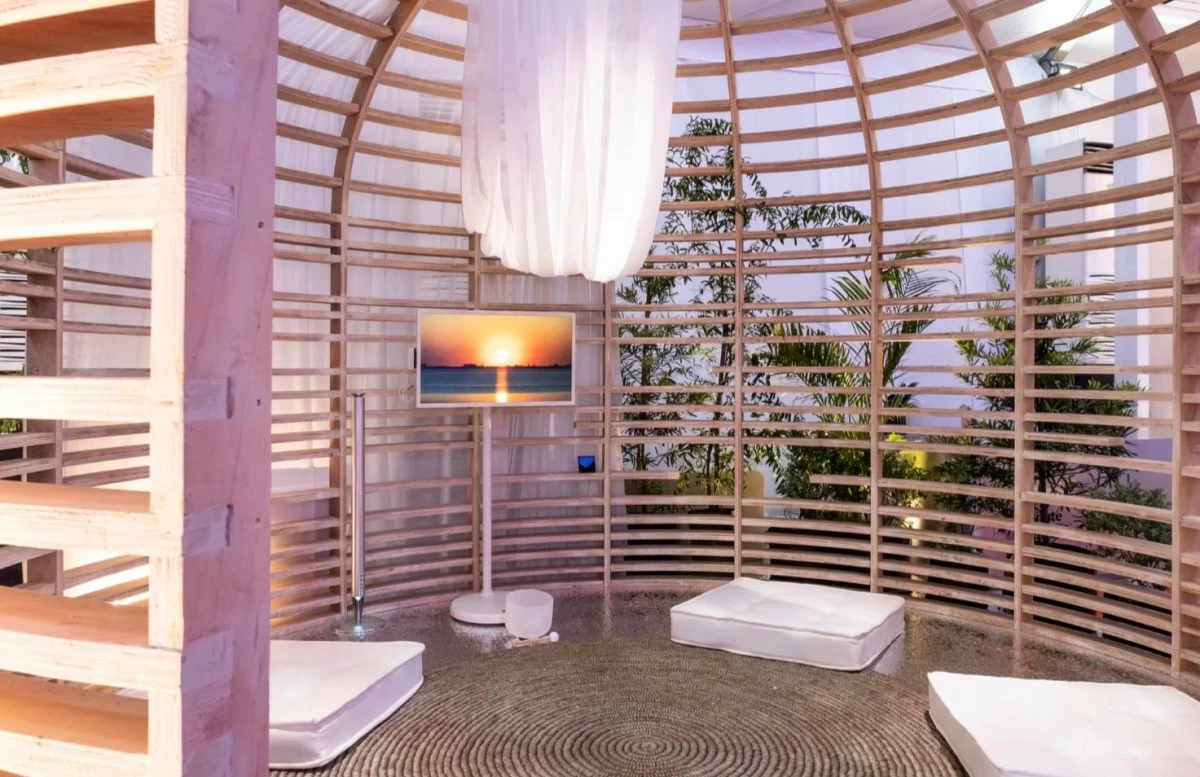
Hinga (Artist's perspective: Red Interior Design)
'Design is never only about how a space looks, it is about how a life feels inside it, and how lightly that life rests on the earth. The spaces that help us live longer and better in the coming decade will be the ones that ask less of the world while giving more to us: that honor the air, water, and light we only borrow, and return them gentler than we found them. They will quietly change us, too, how we move, how we rest, how we care for ourselves and each other. When a room holds "ginhawa," that deep bodily ease, and opens into "maaliwalas," the breath our Filipino homes have always understood, it steadies the mind and softens the spirit. To design well in the years ahead is to design for the whole person, body, breath, and belonging.'
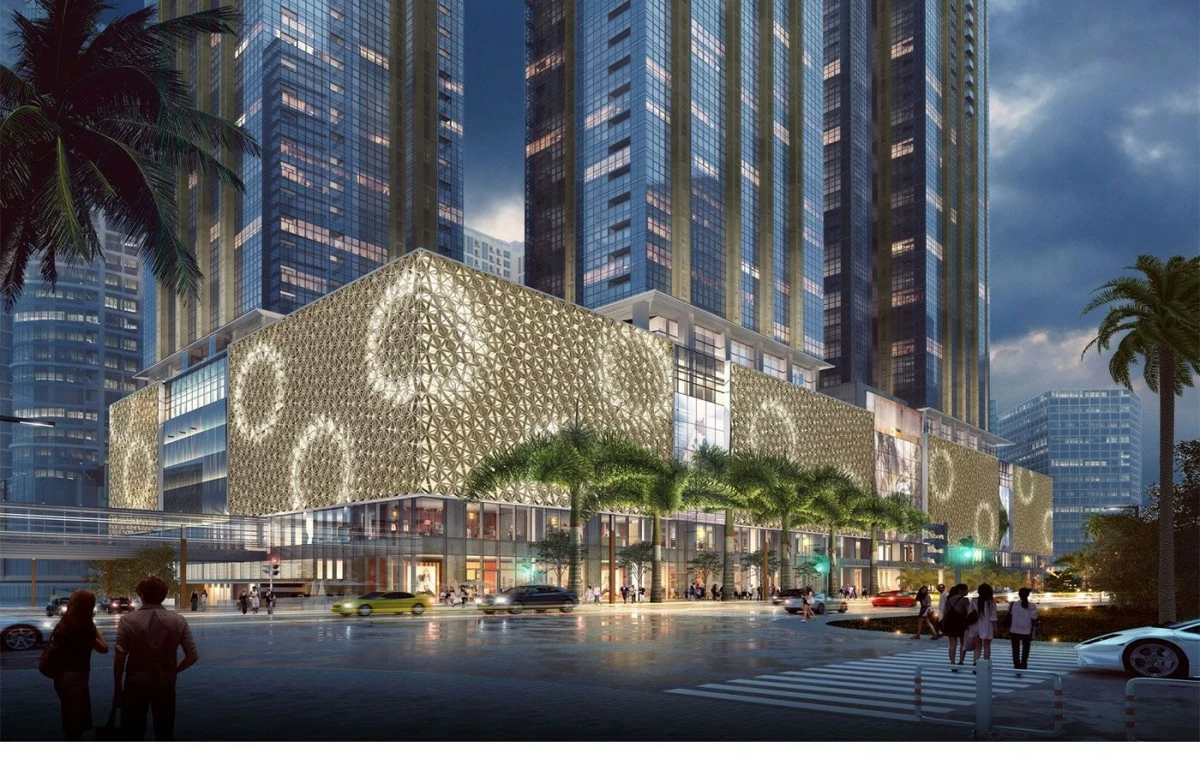
The Seasons Residences (Artist's perspective: Casas + Architect)
'Design can help people live longer and better when it becomes more conscientious and human-centered. Good design is no longer just about creating spaces for the end user, it must also consider the broader ecosystem: the surrounding community, the environment, and even how materials are sourced and produced.
'In the next decade, design will play a larger role in promoting wellbeing through healthier buildings, walkable communities, access to nature, better air quality, and spaces that encourage social connection. At the same time, resilience and sustainability must become non- negotiable, especially in the face of climate change and rapid urbanization.
'Achieving this is not easy in today's fast-paced, commercially driven world. However, if designers, developers, and communities commit to making more thoughtful choices, design can move beyond aesthetics and become a tool for healthier, more meaningful, and longer lives.'
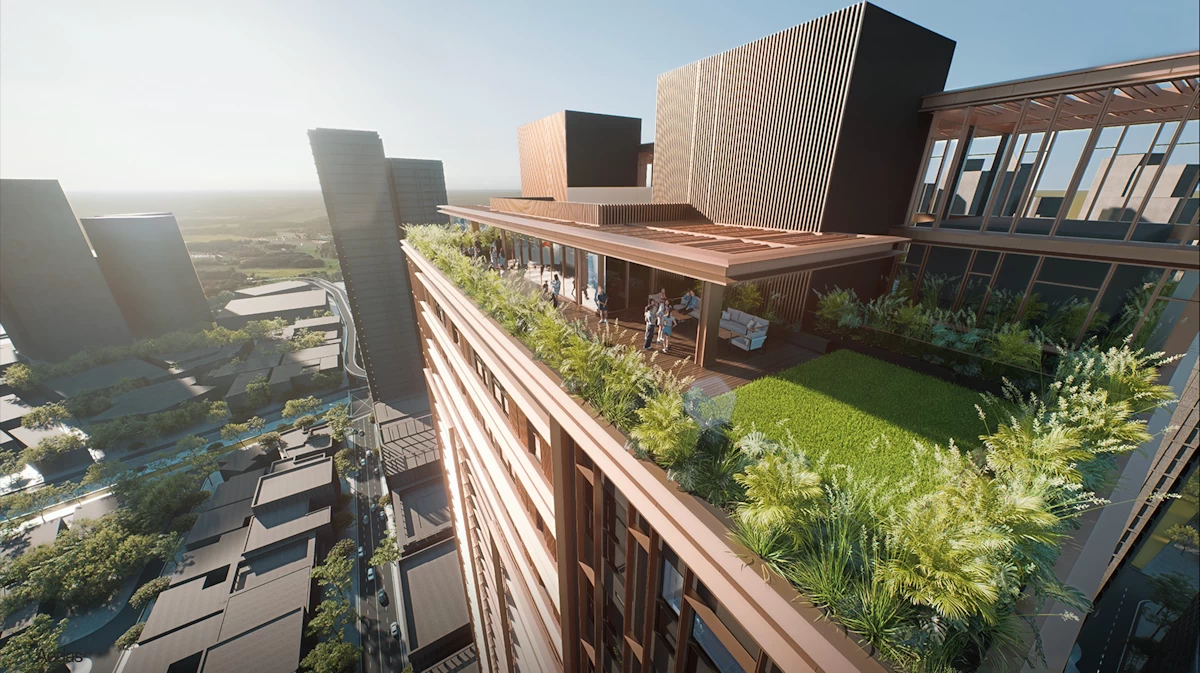
Sondris (Artist's perspective: Arthaland)
'True design goes beyond aesthetics. It should help people live healthier, better lives while creating a more sustainable future. At Arthaland, that belief guides everything we do as we build spaces that bring a wealth of life at home, at work, and within the communities we create.
'Our focus today extends beyond certifications, which have become a standard across our portfolio. We are driven to create greater environmental and social impact by exploring innovative approaches that will bring about meaningful solutions to the challenges facing communities today and in the future.
'One example is Project BEAM (Bamboo for Ecological Architecture and Materials), the Philippines' first commercial-scale bamboo structure. It demonstrates how renewable, nature-based materials can reduce the environmental footprint of development while maintaining the highest standards of safety and performance.
'By rethinking how we build today, we can create healthier, more resilient communities and help ensure a better quality of life for future generations.'
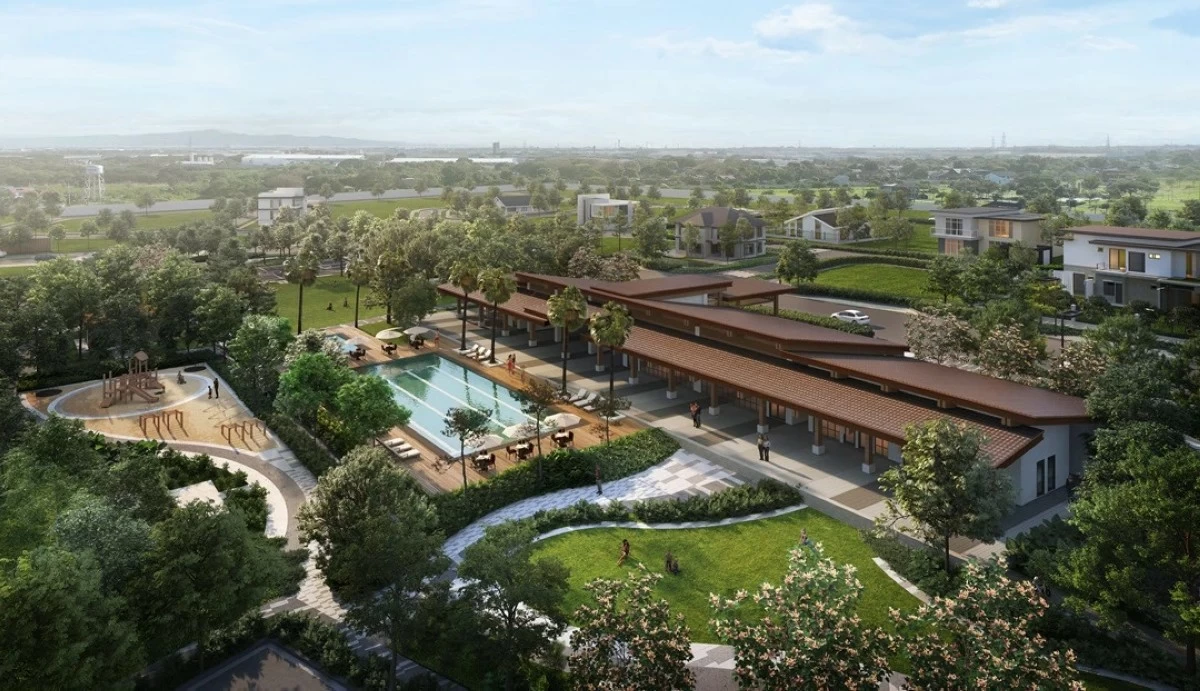
Hartwood Village (Artist's perspective: Federal Land)
'Good design begins with understanding human behavior and what matters most to people. It has always been about enriching lives by creating meaningful and sustainable structures within masterplanned developments to support them. In today's world, where rapid urbanization and climate challenges continue to reshape our communities, the next decade calls for spaces that are not only visually compelling, but also healthier, more resilient, and deeply human.
'Thoughtful design means walkable neighborhoods, access to nature and basic support infrastructure, adaptable homes, and places that encourage social interaction across generations. We should design for comfort, safety, and wellbeing to create spaces and places where people can live better and have a stronger sense of being and belonging.'
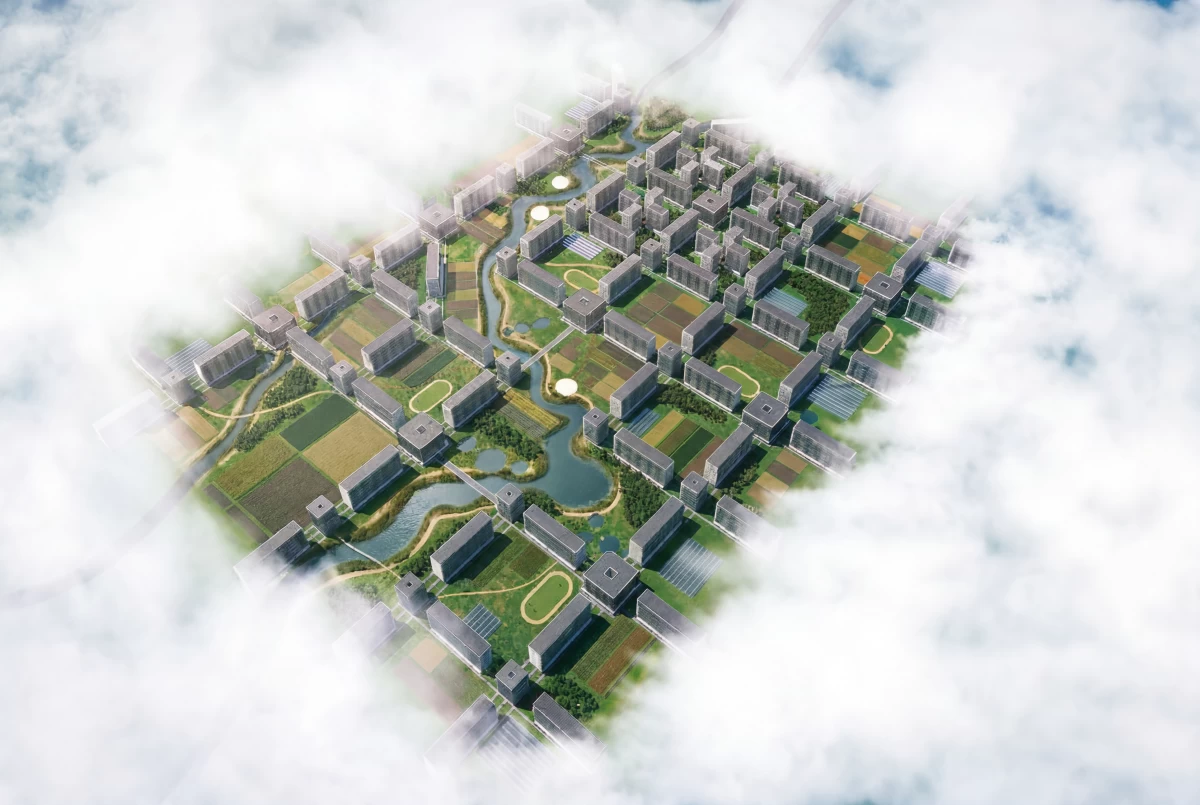
Proposed design concept for ecological democracy (Artist's perspective: Nicholai Go)
'Design has always been our way of turning ideas into reality. As we imagine the cities of tomorrow, the question is no longer simply how we can build more, but how we can build better for the people who call these places home.
'A healthy city is one that puts people first. Walkable neighborhoods encourage movement and make daily life more connected. Safe streets and accessible public spaces allow people of all ages to participate fully in their communities. These are not just matters of convenience. They shape how we live, interact, and care for our well- being.
'The cities of the future must also embrace a broader understanding of health. Access to green spaces, clean air, recreation, and opportunities for meaningful social interaction all contribute to longer and more fulfilling lives. Good design has the ability to nurture both physical and mental wellness.
'Ultimately, the success of our cities will not be measured by their scale or density, but by their capacity to help people thrive. Through thoughtful design, we can create environments that support healthier, happier, and more resilient communities for generation ations to come.'
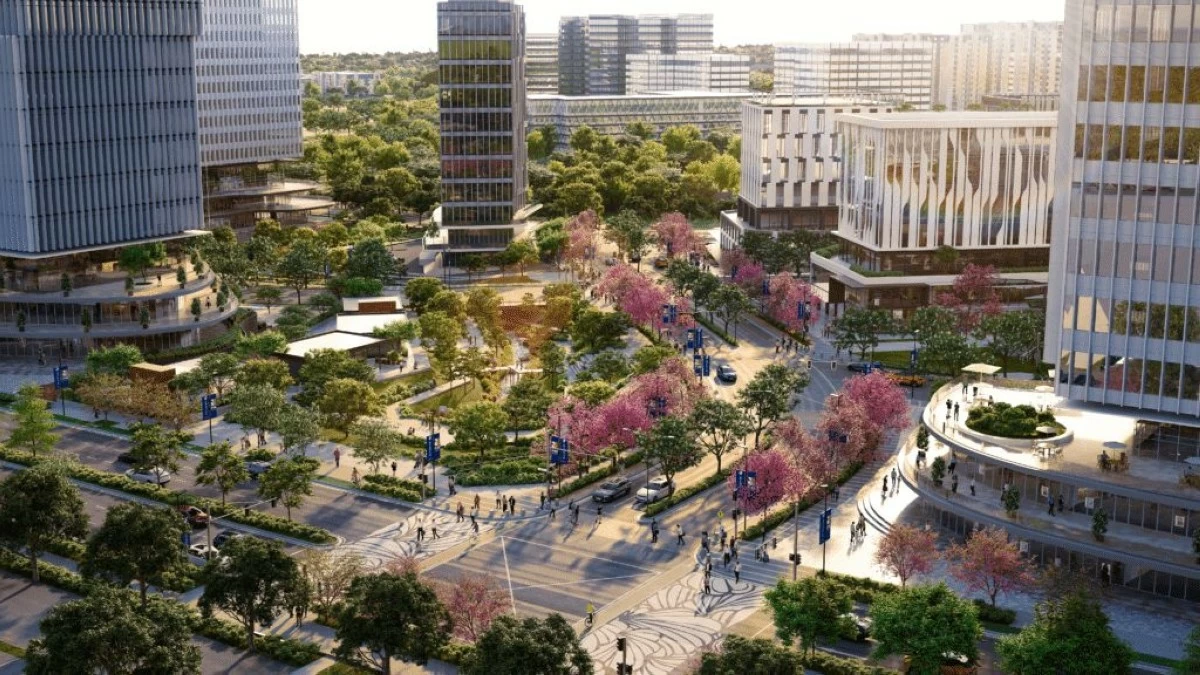
Riverpark North Commercial District (Artist's perspective: Federal Land)
'Design sets the future of humanity, giving designers the power to shape society's demands and lifestyles. To help people live longer and better in the next decade, we must transition away from excessive consumerism and intentionally design for human longevity, wellbeing, and community.
'Tomorrow's cities must prioritize biophilic design- integrating nature into urban spaces-to reduce stress and improve air quality. We must build walkable, micro- neighborhoods that encourage daily movement and foster deep social connections, combating the modern isolation epidemic. Spaces should be multi-generational and adaptive, supporting independent living for an aging population through intuitive ergonomics and smart technology. '
By shifting our focus from consumer consumption to human-centric preservation, design becomes a preventative healthcare tool. When we consciously design environments that naturally promote movement, rest, and connection, we don't just build smarter cities-we cultivate longer, healthier, and more purposeful lives.'