






Manila Bulletin
 Philippines
National
Is it necessary? House members clash on proposal to step up police presence in schools
Philippines
National
Is it necessary? House members clash on proposal to step up police presence in schools
Philippines
National
Is it necessary? House members clash on proposal to step up police presence in schools
Is it necessary? House members clash on proposal to step up police presence in schools
Published Jun 28, 2026 02:08 pm


At A Glance
- Rep. JB Bernos calls for stronger police visibility and security patrols in schools, stressing preventive action and supporting a congressional probe into the Tacloban school shooting.
- ACT Teachers Rep. Antonio Tinio opposes security‑focused responses, pointing instead to chronic education crises, overcrowding, and lack of mental health services as root causes of violence.
- The House Committee on Public Order and Safety is expected to hold the inquiry.
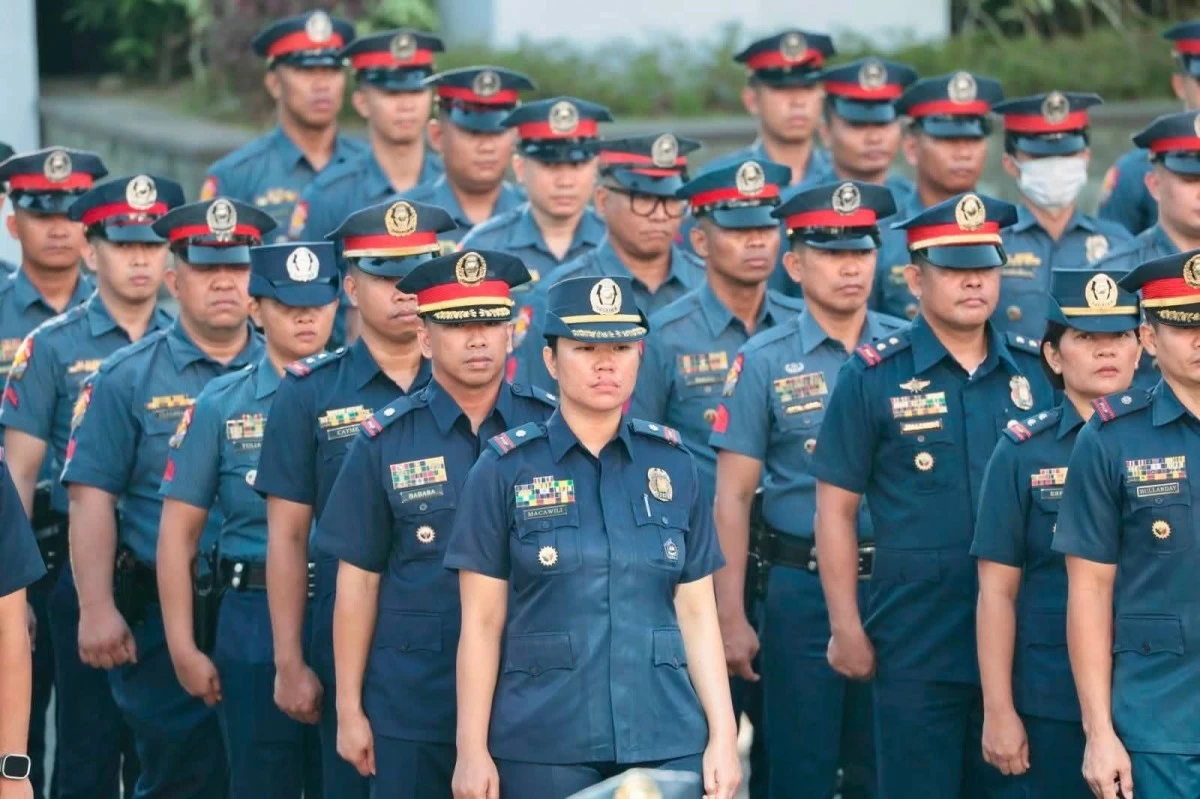
(PNP Facebook)
To increase visibility of police in schools, or not to increase police visibility in schools.
This is just one of the talking points in the House of Representatives, where solons are scrambling for a sensible response to the recent Tacloban City school shooting that claimed the lives of three minors.
The tragedy has resulted in calls from Abra lone district Rep. JB Bernos for greater police visibility and stronger security measures in schools within his province.
In a letter to Abra Philippine National Police (PNP) Provincial Director Police Colonel Charles Domallig, Bernos requested for the “immediate strengthening of police visibility and security measures in educational institutions throughout the Province of Abra, particularly in high schools, colleges, and universities".
The majority bloc solon urged police to conduct intensified patrols, increase law enforcement presence in and around school premises, and coordinate closely with school administrators and local authorities to ensure safety and security.
On June 22, two Grade 9 students aged 15 and 14 opened fire on other students in San Jose National High School in Tacloban City, killing three students and injuring another 20. They were armed with 9mm and .38 revolver pistols.
The two suspects are now under custody, with the older already charged with a criminal complaint by the PNP Police Regional Office 8.
Bernos says that while no similar incident has yet been reported in the province, preventive action is necessary and the safety of students, teachers, and school personnel must be accorded the highest priority.
Bernos, a vice chair of the House Committee on Public Order and Safety, also expressed his support for a congressional probe into the shooting.
“Amid calls to lower the minimum age of criminal responsibility, issues of loose firearms and the state of security in our schools, I believe an inquiry is needed so we can get a fuller picture of the situation and be armed with more information to guide legislative action."
The public order and safety panel is expected to hold an inquiry in aid of legislation on the shooting in the coming weeks.
But there are also congressmen--particularly from the militant Makabayan bloc--who believe that the tragedy isn't purely a security matter.
"Hindi ito simpleng security failure—ito ay bunga ng mahabang krisis sa edukasyon na dulot ng patuloy na kawalan ng pondo ng pamahalaan sa mental health services sa mga paaralan," said ACT Teachers Party-list Rep. Antonio Tinio.
Tinio earlier reckoned that genuine school safety required sustained public investment and treating schools as communities of care and learning not police enforcement.
"Ang mga bata ay nangangailangan ng mga guro na may oras para sa kanila at mga counselors na nakikinig. Hindi sila nangangailangan ng mas maraming pulis," he underscored.
(Children need teachers who have time for them and counselors who listen. They do not need more police.)
According to the Second Congressional Commission on Education (EDCOM II), overcrowded classrooms with 60 or more students create environments rife with bullying, intimidation, and diminished student safety—conditions that, the solon said, no security measure alone can address.
He also thumbed down proposals to lower the age of criminal responsibility, saying it will not prevent school violence but "will only criminalize poverty, trauma, and systemic neglect".
Tinio urged Congress to conduct a thorough investigation while simultaneously formulating comprehensive legislative measures that address immediate security concerns, the critical lack of adequate mental health services in schools, and the underlying education crisis that continues to endanger Filipino students.