






Manila Bulletin
 Property and Living
From smart homes to AI-powered townships: The evolution of future-ready homes
Property and Living
From smart homes to AI-powered townships: The evolution of future-ready homes
Property and Living
From smart homes to AI-powered townships: The evolution of future-ready homes
From smart homes to AI-powered townships: The evolution of future-ready homes
Developers are moving beyond simple automation toward future-ready communities
Published Jun 28, 2026 04:25 pm


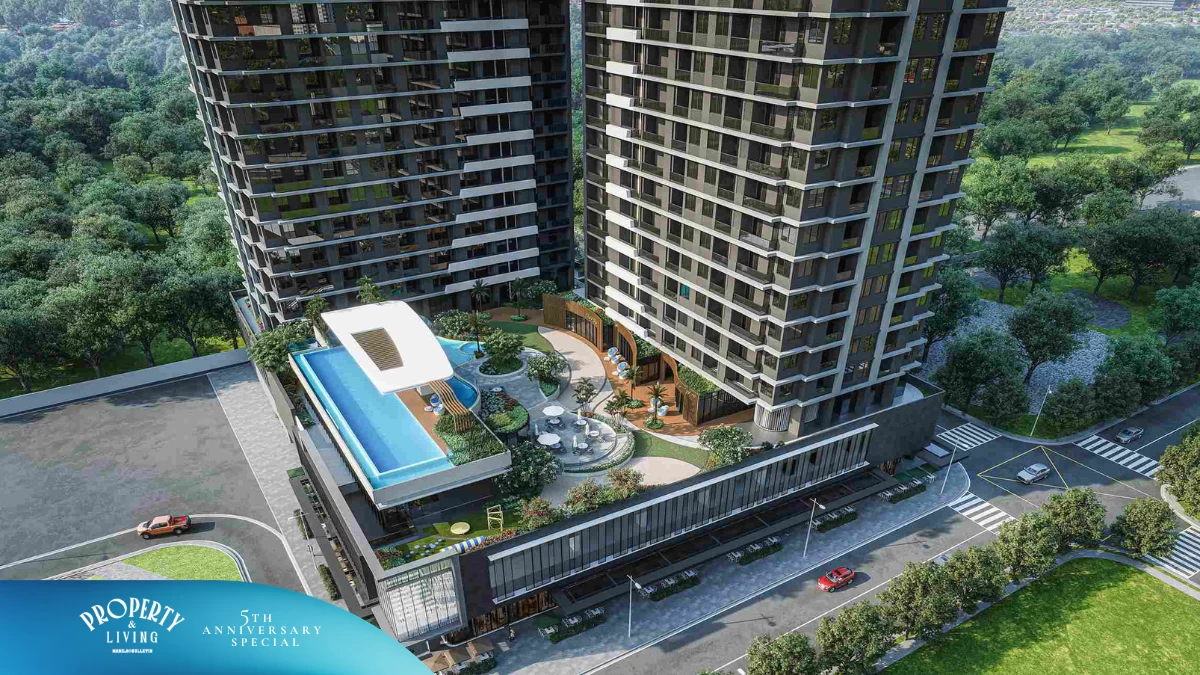
Le Pont Residences has upgraded smart home devices. (Artist's perspective: RLC Residences)
Driven by consumer demand and technological progress, the country's top property developers are moving past standalone, atomic automation toward integrated, predictive, and cognitive urban ecosystems. A residence is no longer defined merely by its physical footprint but by its performance as a responsive digital ecosystem. This transition reflects that "smart" technology is no longer just a convenience—it is a critical asset that redefines living spaces to be as intuitive as their devices.
The demand for tech-driven living spaces is said to expand in the next few years. Industry forecasts from MarkNtel Advisors project that more than four million consumers will own smart home devices nationwide by 2026, pushing the market penetration rate to roughly 16 percent. Statista forecasts a surge in household penetration to 74.9 percent by 2029. To meet consumer expectations, real estate players introduce innovative, lifestyle-based, and tech-backed innovations into their portfolios.
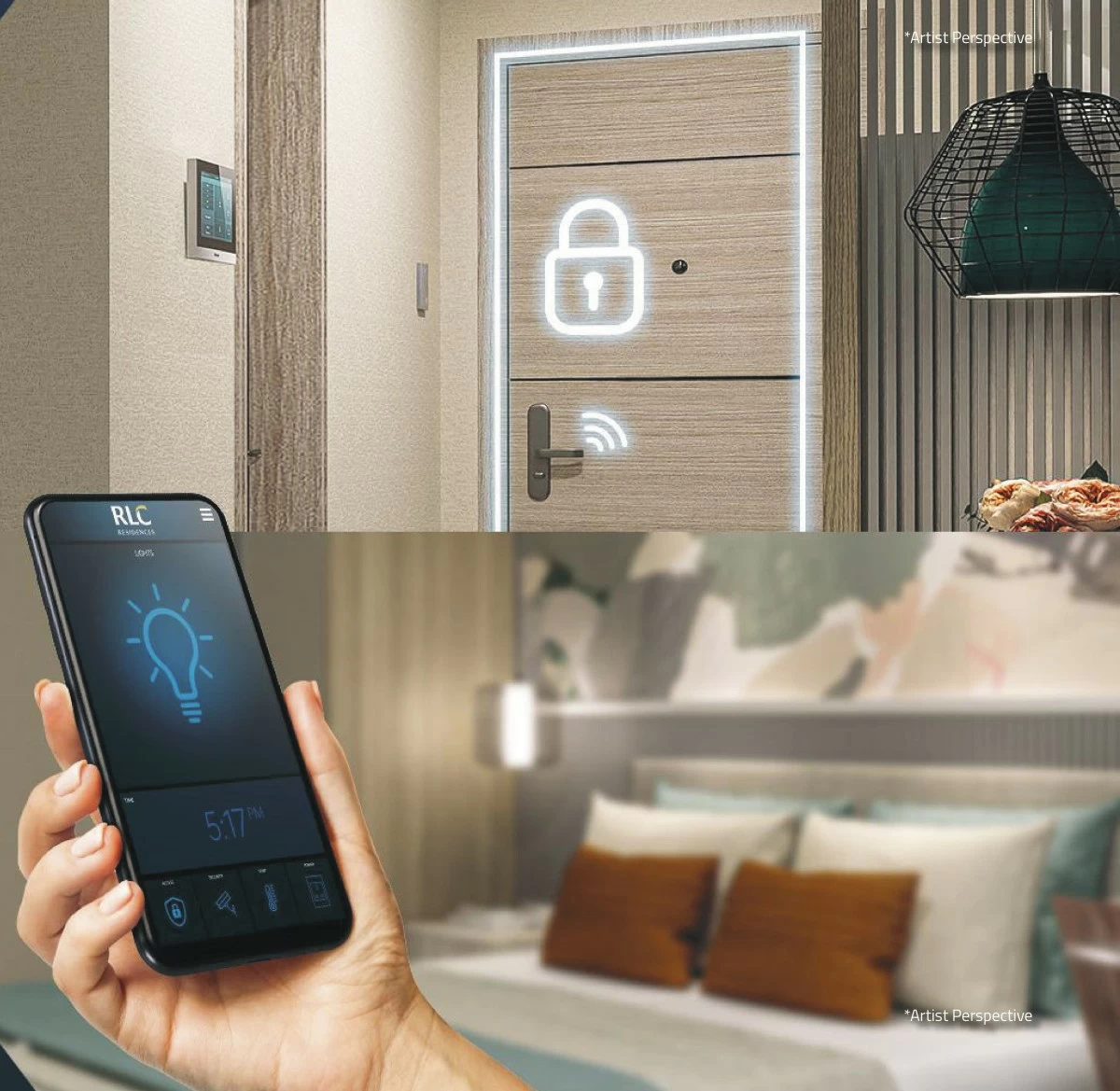
Mira Residences with smart home features (Photo: RLC Residences)
The connected modern homes
Recognized both locally and internationally for its commitment to sustainability and innovation, RLC Residences has seamlessly integrated baseline smart home features into its premier developments—including Le Pont Residences, Mantawi Residences, Mira Residences, and Sierra Valley Gardens.
RLC's design philosophy focuses directly on maximizing daily convenience, hardware security, and energy efficiency for active professionals and young families.
Engineered for elevated living, Le Pont Residences feature audio-visual (A/V) intercoms, smart door locks, smart switches, and multiple Ethernet hubs paired with mesh gateway devices to eliminate connectivity dead zones.
Mantawi Residences focuses on modern comfort, pairing A/V intercoms, smart lights, and smart locks with dedicated smart control panels and central mesh gateways.
At Mira Residences, units have productivity upgrades alongside robust entry access systems enabling fingerprint, key card, PIN, or mechanical key access, complemented by A/V intercom, and app-enabled lighting.
Units at Sierra Valley Gardens are optimized for work-from-home setups, blending fiber-optic readiness with A/V intercom systems and app-enabled lighting options.
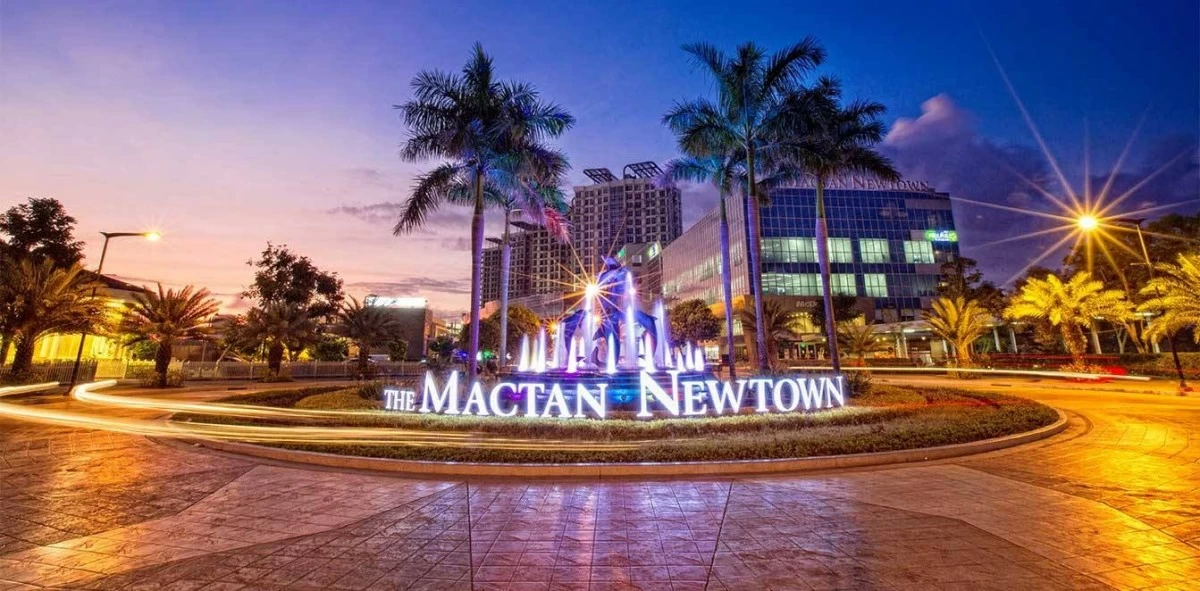
Positano Mactan by Megaworld Corporation will offer 301 smart units. (Photo: Megaworld)
The AI Ecosystem and "iTownships"
While smart homes provide immediate app-based control, Megaworld Corporation is transitioning its portfolio into a new frontier: AI-powered residential units and full-scale, master-planned "iTownships". Megaworld’s vision centers on the concept that a home should not merely wait for a command, but should actively think, adapt, and respond dynamically to its occupants.
Through a strategic partnership with global technology leader Samsung, Megaworld is integrating the advanced Samsung SmartThings digital platform directly into the core fabric of its developments. This enables a unified ecosystem where residents manage appliances—such as smart air conditioners, TVs, and washing machines—via a single, centralized application. Going beyond standard schedules, these units support automated "intelligent routines" that automatically calibrate based on ambient weather, time of day, device status, and real-time user behavior.
Scaling up to the smart cities
Megaworld's ultimate breakthrough lies in its ability to scale this technology from individual condo units up to massive, multi-hectare communities. Under its long-term iTownships program, the developer is digitizing customer service, processing remote payments seamlessly, and constructing physical Township Operation Centers to offer 24/7 security monitoring and emergency response.
The developer has also expanded its AI direction by enabling full smart ecosystems in select projects, allowing homes to adapt to residents’ routines through automation, energy optimization, and remote control features via mobile apps. Beyond convenience, these innovations improve security and efficiency, with features like RFID access, smart surveillance, and digital door systems already present in multiple Megaworld condominiums.
Furthermore, these townships incorporate smart parking infrastructure with electric vehicle (EV) charging stations, solar-powered and LED streetlights, green roofing for office structures, and expansive vertical green spaces.
A clear example of this macro-integration is the newly launched Positano Mactan, a P2-billion, 17-story tower within the 30-hectare The Mactan Newtown in Cebu. Expected to be completed in 2028, Positano Mactan will offer 301 wireless smart units alongside eco-conscious innovations like occupancy sensors in common hallways, low-flow water fixtures, and a dedicated rainwater harvesting system.
Megaworld is also deploying this multi-tiered tech across its properties, such as Park McKinley West and Uptown Bonifacio in Taguig, Vion West in Makati, Laurent Park in Quezon City, and One Manhattan in Bacolod.
The adoption of smart and AI technologies indicates that the future of Philippine real estate will be won by properties that embrace innovation and put a premium on the evolving lifestyles of consumers. For modern, tech-savvy Filipino consumers, their next home will not simply be a static structure—it will be an adaptive, intelligent partner, establishing a new benchmark for urban development.