







Philippines is tired of selling cheap commodities
Trading in brands, no longer just ingredients
Published Jun 27, 2026 08:12 am


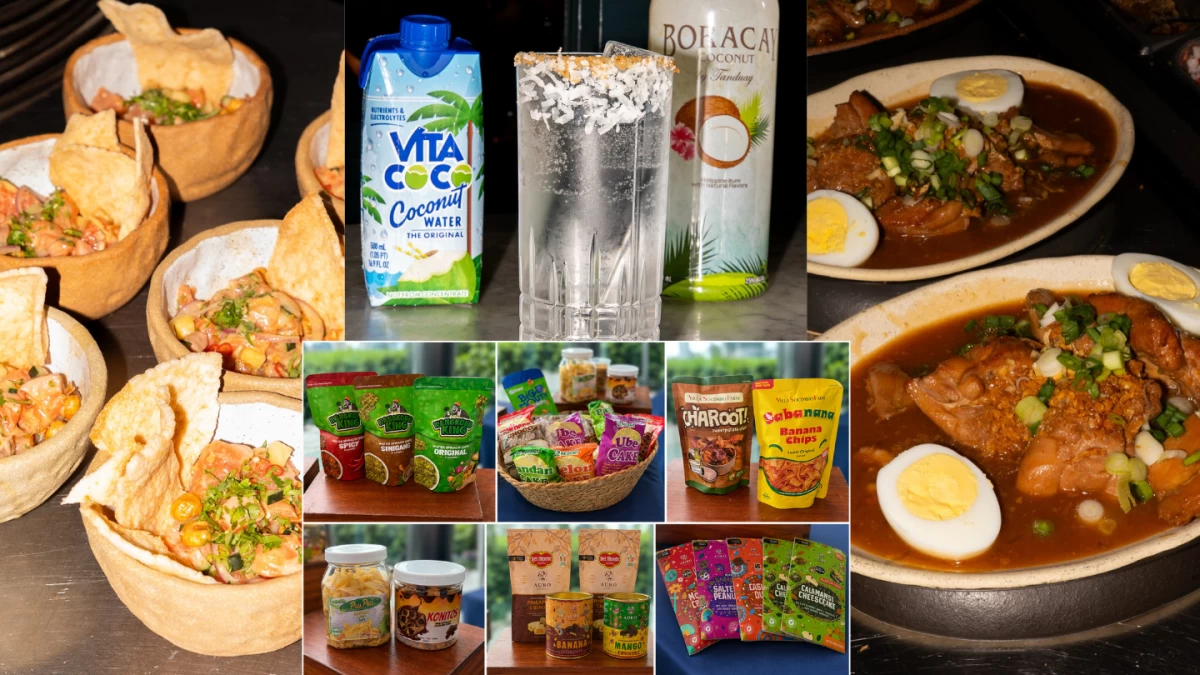
High-concept snacks like kangkong chips and artisanal ube cakes featured at a Philippine trade showcase. The Department of Trade and Industry is leveraging premium culinary branding in global hubs like Singapore and New York to uplift domestic agricultural sectors and secure mainstream international distribution.
Inside the glass-and-steel expanse of the Pan Pacific Orchard in Singapore, a crowd of foreign diplomats and institutional investors recently hovered around an unusual culinary curiosity: crispy water spinach chips.
Locally known as kangkong, the modest river vegetable had been transformed into a crisp and savory alternative to the potato chip. It sat alongside single-origin chocolate bars infused with calamansi cheesecake and neon-purple ube sponge cakes.
A week later and 9,500 miles away, a different kind of culinary offensive unfolded in Manhattan. Inside Tradicionale, a Filipino eatery tucked into New York’s Chelsea neighborhood, Wall Street analysts and culinary professionals sipped cocktails made from premium coconut rum and fresh coconut water. The occasion was an exclusive gastronomic showcase mapping out the future of the Philippines’ agriculture sector.
This is the new front line of the country’s economic diplomacy. Driven by a coordinated government campaign, Manila is attempting to shift away from raw commodity exports and lean into premium and branded consumer goods. The Philippines is using the recent Independence Day celebrations to woo global distributors and wealthy international consumers.
For decades, the Philippines exported its agricultural produce in bulk: raw sugar, unrefined coconut oil, and unprocessed fruit pulp. These commodities left the country at low prices, only to be processed, branded, and sold at a premium by foreign conglomerates. The current push aims to capture that missing profit margin at home by exporting finished and retail-ready products.
Singapore: Global testing ground
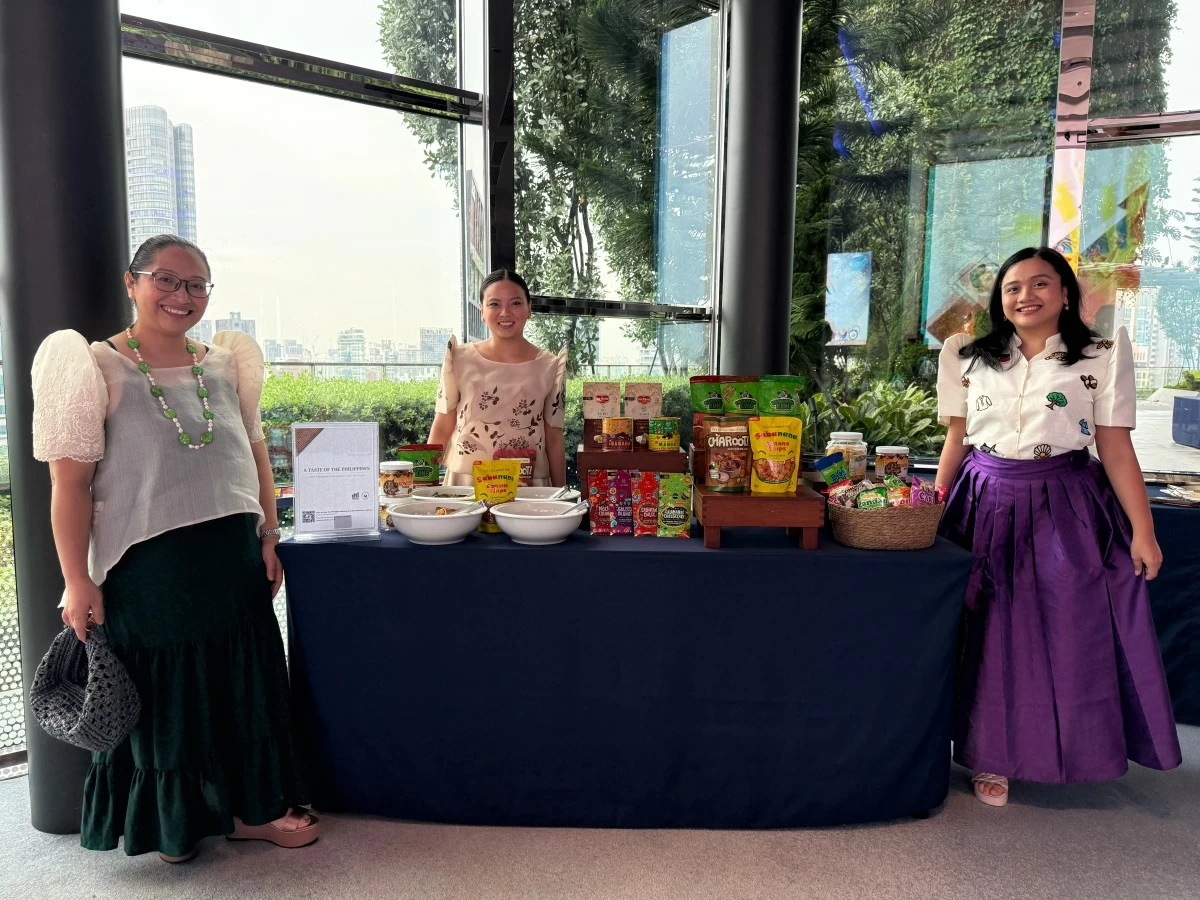
PTIC-Singapore Commercial Counselor Carla Grepo, alongside team members Denise Dayon-Ong and Luz Wendy Noble, organized the “Taste of the Philippines” product display and curated gift sets for the country's 128th Independence Day reception.
For the Department of Trade and Industry (DTI), Singapore is the ultimate testing ground for regional consumer trends. If a brand can capture the affluent and highly international palate of the city-state, it can scale globally. Through its local trade center and export marketing bureau, the government curated a pavilion designed to disrupt traditional notions of Filipino food, focusing heavily on high-concept culinary fusion.
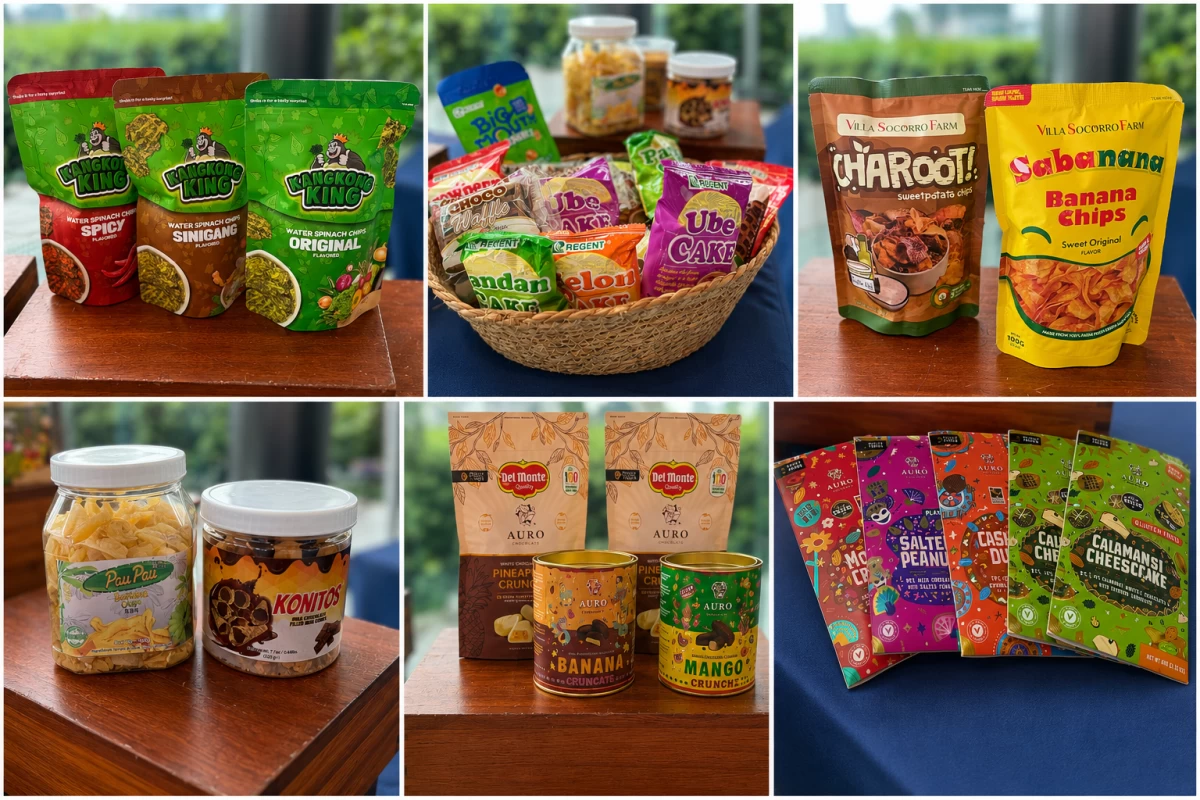
Artisanal chocolates, crispy kangkong chips, and specialty snacks from Auro Chocolate, Kangkong King, Regent Foods, Villa Socorro Farm, and Year Luck Food and Industrial Corp. were featured at the Philippine Embassy’s National Day reception.
Sweets and artisanal treats took center stage. Auro Chocolate showcased single-origin bars in unique flavor profiles like Dark Chocolate Mango Crunch and Mocha Crunch. Year Luck Food and Industrial Corp. brought its popular Konitos mini wafer cones. On the savory side, Kangkong King presented its water spinach snacks, while Villa Socorro Farm introduced banana chips and sweet potato chips made from three distinct domestic varieties. Regent Foods Corp. completed the lineup with its iconic snacks, including Belgian chocolate waffles and ube and pandan sponge cakes, which have been rapidly gaining traction in Singapore.
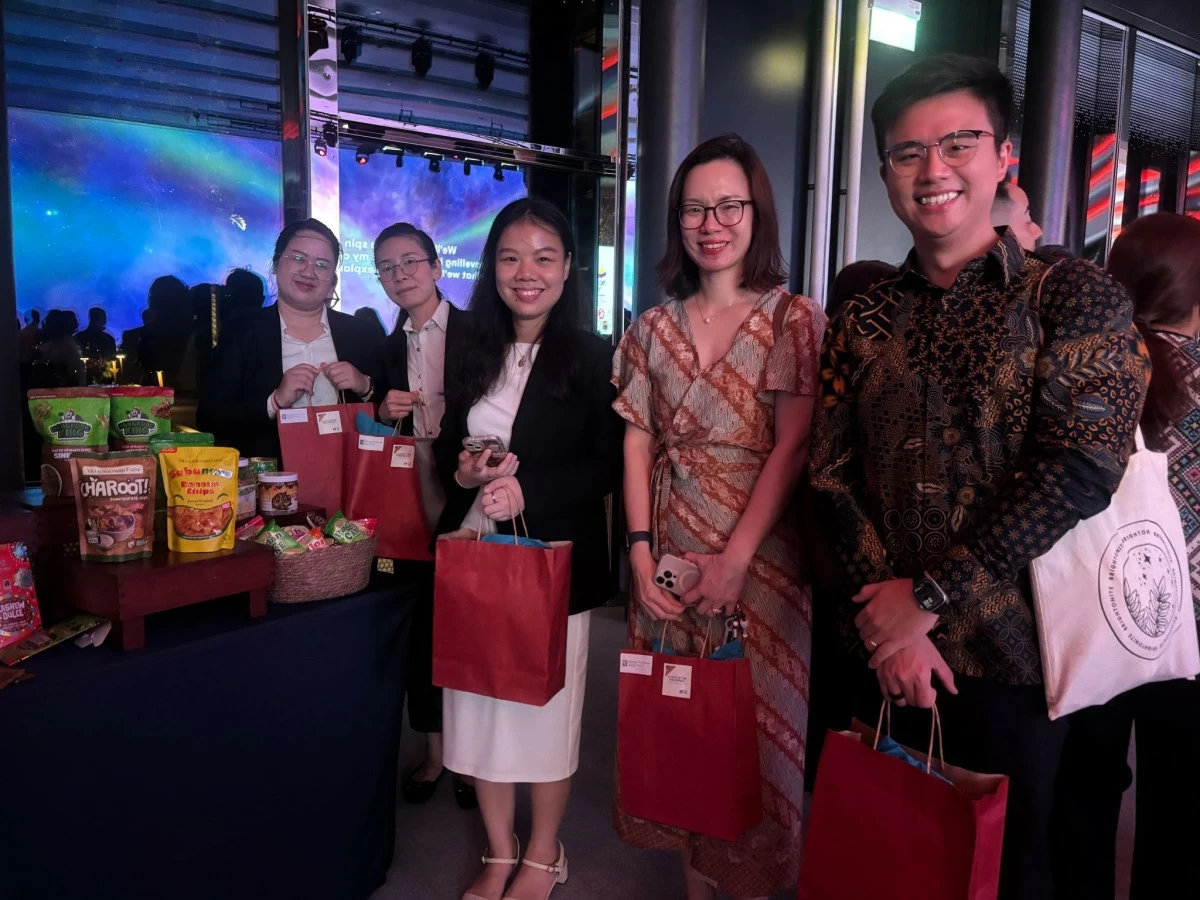
PTIC-Singapore presented “Taste of the Philippines” curated gift bags to guests, including Singapore Manufacturing Federation Senior Director Emmeline Lam and representatives from Singapore’s Ministry of Trade and Industry.
The strategy appears more about long-term networking. Rather than relying on traditional trade brochures, organizers deployed digital product catalogs via QR codes scattered across exhibition tables, allowing attending distributors to connect directly with Manila-based factories. The targets were highly specific, with curated gift sets placed in the hands of Singaporean Foreign Affairs Minister Vivian Balakrishnan, alongside members of parliament and executives from major Singaporean business federations.
New York: Re-engineering coconut for luxury wellness
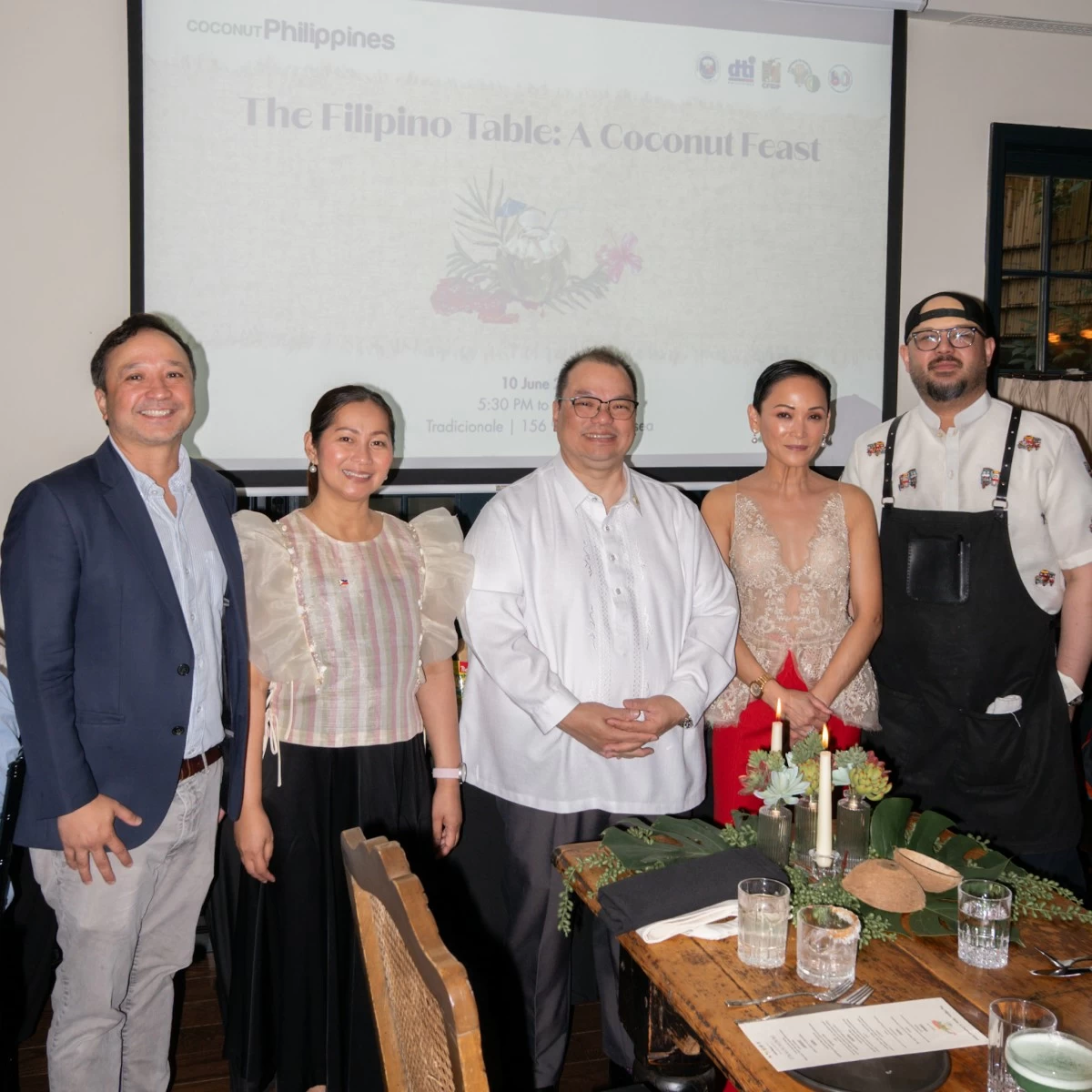
Trade Commissioner Alma Argayoso and Consul General Senen Mangalile with Chef Anton Dayrit of Tradicionale (far right).
If Singapore is about high-velocity retail snacks, New York is about securing a slice of the multi-billion-dollar wellness and hospitality industry. At the Chelsea dinner in Manhattan, organized by the Philippine Coconut Authority and the trade department, the humble coconut was re-engineered as a luxury ingredient. Chef Anton Dayrit curated a multi-course menu that utilized the fruit in every conceivable state, from ceviche cured in fresh coconut water to taro leaves simmered in heavy coconut cream.
The economic subtext of the New York dinner is urgent. The coconut sector sustains millions of farming families in the Philippines, but the industry has historically been vulnerable to volatile global commodity pricing for raw coconut oil. By promoting the Coconut Philippines brand, Manila is chasing higher margins. The goal is to migrate these products out of specialty ethnic grocery aisles and directly into mainstream US supermarkets, corporate food services, and high-end hospitality groups.
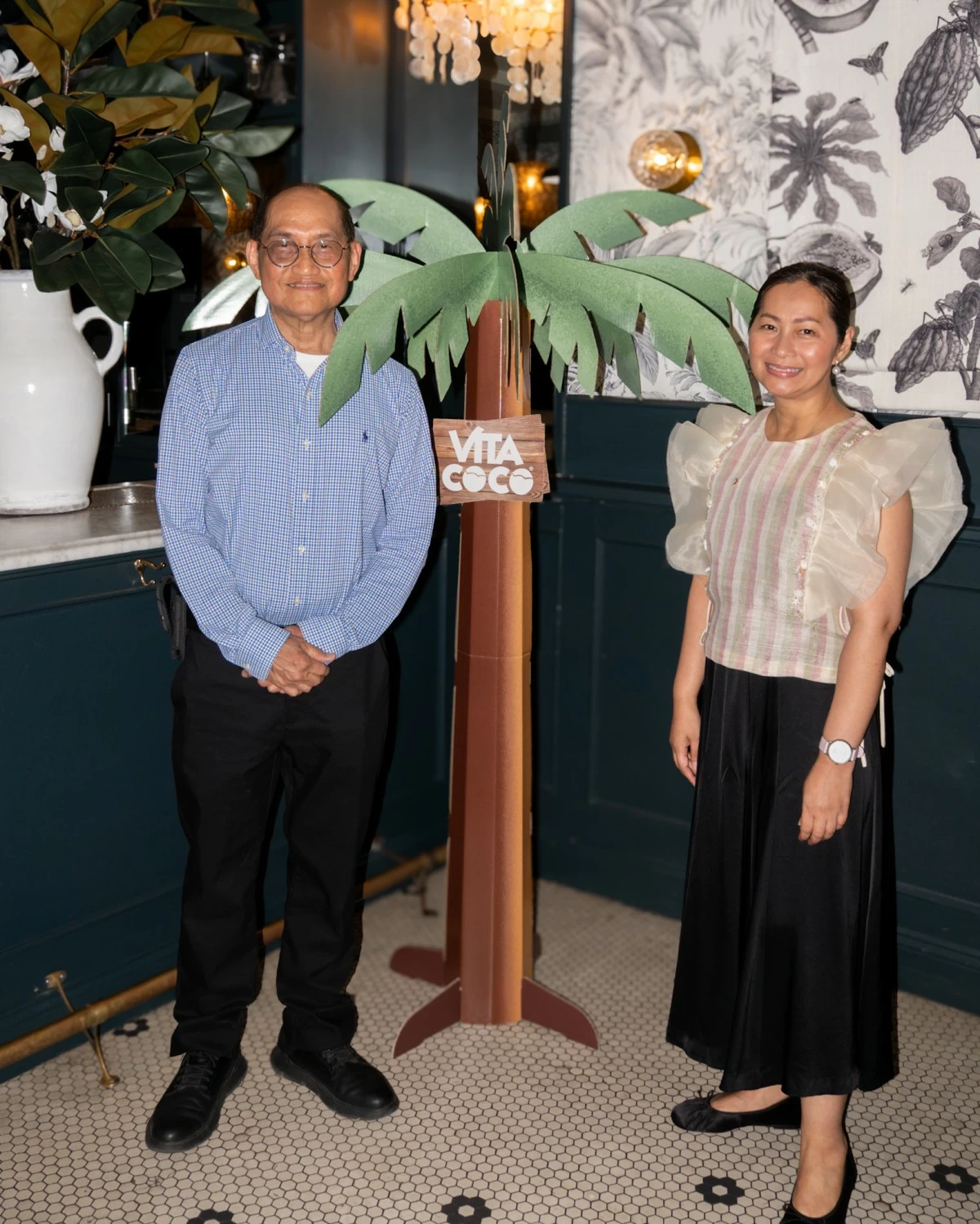
Trade Commissioner Alma Argayoso with Jan Cabangon of United Foods of Asia.
Trade Commissioner Alma Argayoso noted that these events are part of a broader effort to raise awareness and expand the country’s footprint in the American market, pushing products into mainstream retail and food service. Beyond its culinary value, official representation emphasizes that the coconut industry represents resilience and economic opportunity for the country's rural communities.
Manila’s aggressive soft-power push comes at a critical time. Global supply chains remain highly sensitive to climate disruptions, and Philippine agriculture frequently faces severe weather that can devastate seasonal crop yields. For boutique brands to survive in ruthless retail ecosystems like Singapore or New York, consistency of supply is just as important as branding.
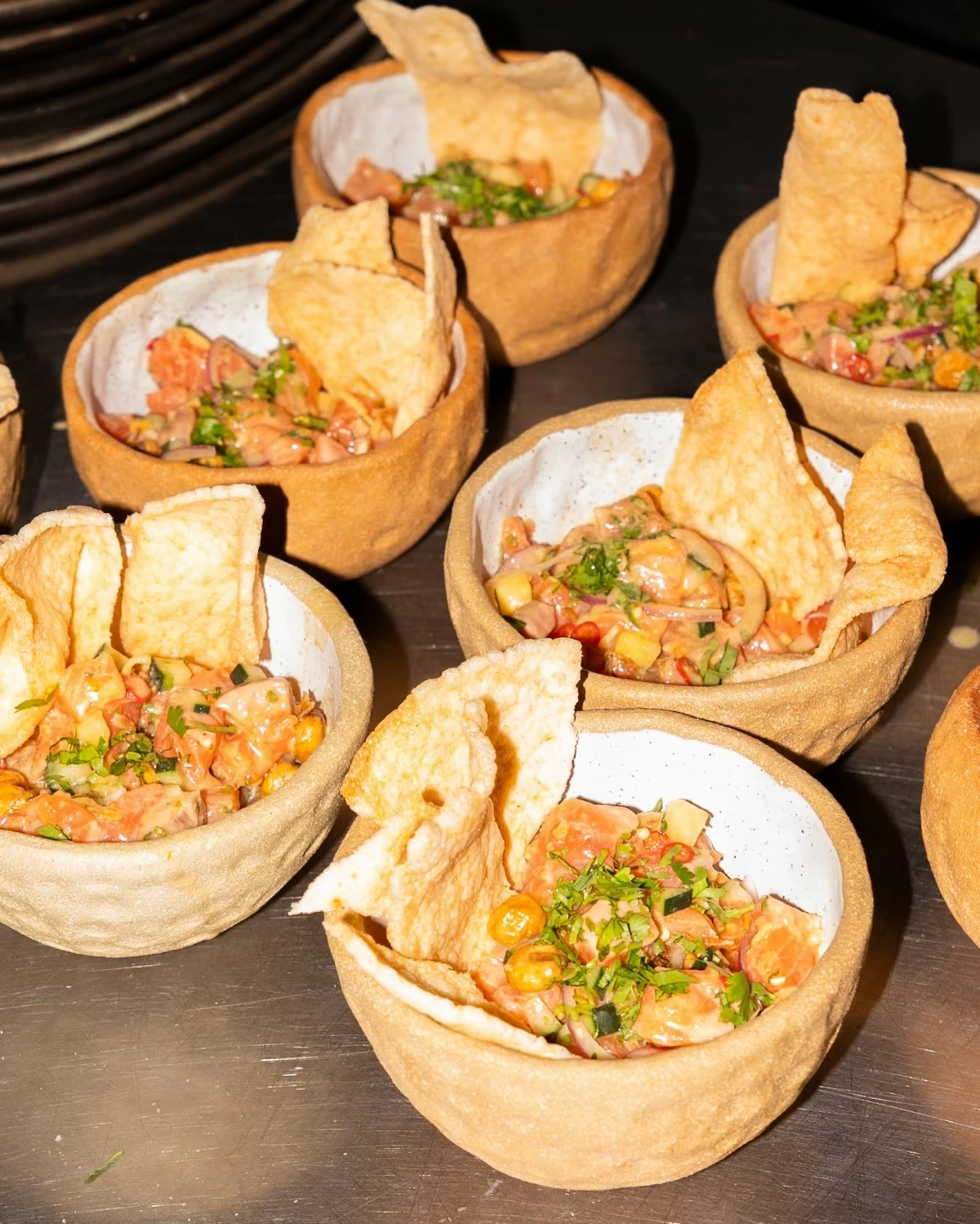
Coconut-based cocktails and coconut-infused dishes served during the exclusive Manhattan dinner.
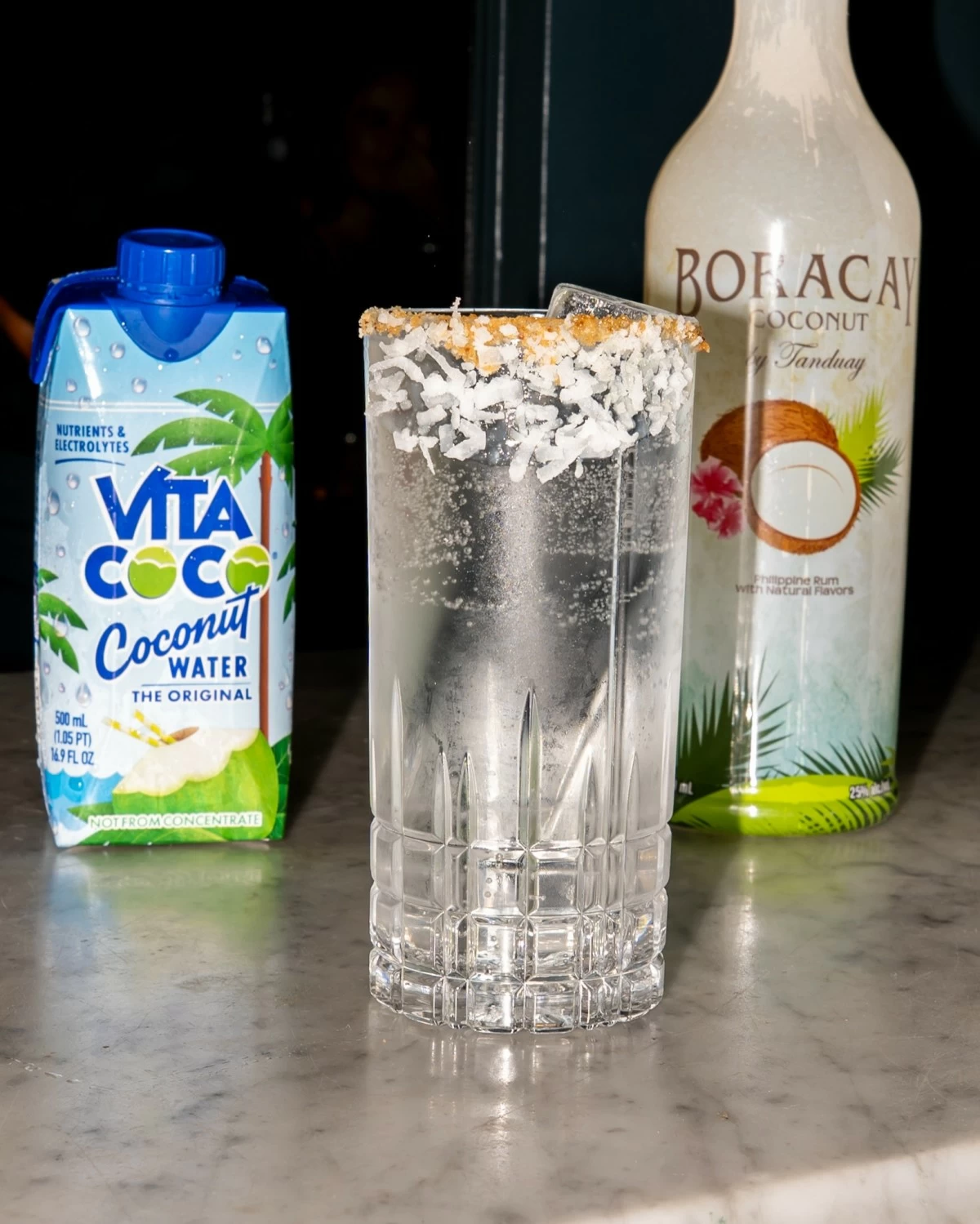
Coconut-based cocktails and coconut-infused dishes served during the exclusive Manhattan dinner.
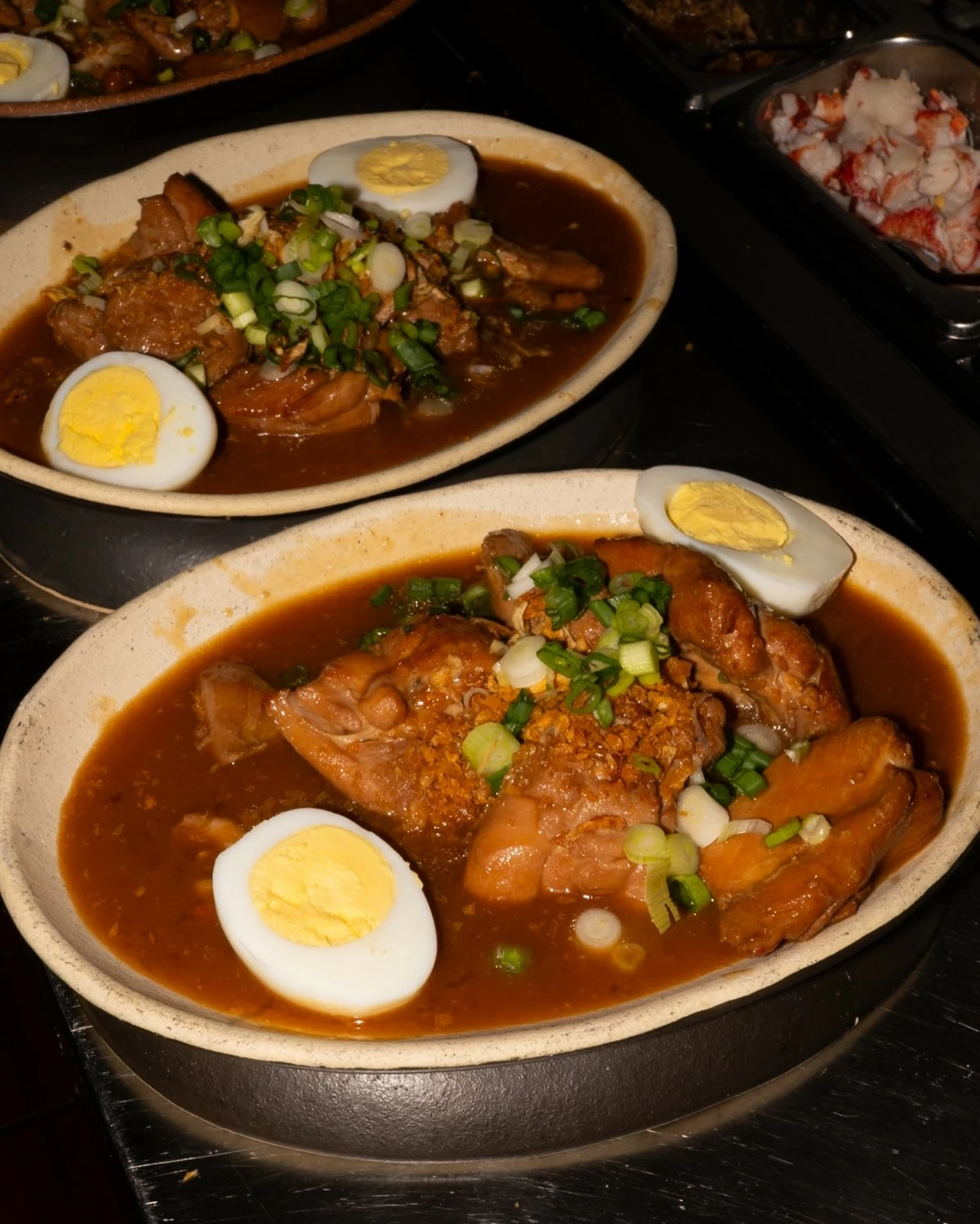
Coconut-based cocktails and coconut-infused dishes served during the exclusive Manhattan dinner.
To counter this, the Philippine government is pumping resources into domestic agricultural infrastructure through an official roadmap designed to strengthen the coconut sector and uplift farmer livelihoods. The aim is to build a reliable pipeline that maintains the strict quality standards required by international customs and premium buyers.
For global investors and distributors looking to capitalize on the international appetite for unique flavor profiles, the trade department has simplified the onboarding process. Interested partners are being routed directly to overseas hubs, such as the Singapore office via [email protected], to bypass traditional bureaucratic delays.
Whether water spinach chips and artisanal ube cakes can permanently dislodge established Western snack giants remains to be seen. But as foreign ministers and sovereign wealth analysts swap business cards over plates of single-origin dark chocolate, Manila’s message is unmistakable: Philippine agriculture is no longer just selling ingredients; it is selling a brand.