







Investing in the future, one classroom at a time
Published Jun 27, 2026 02:24 pm


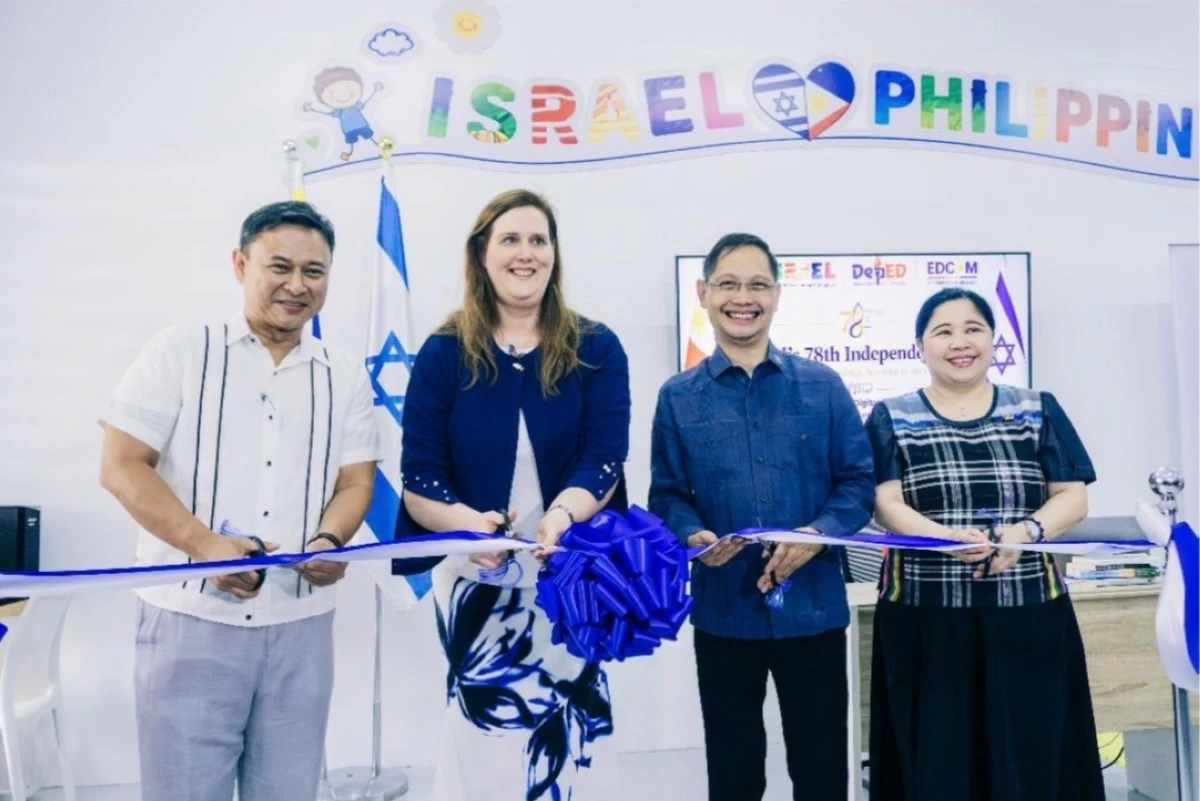
DepEd Secretary Sonny Angara, Israeli Ambassador Dana Kursh, TESDA Secretary Jose Francisco Benitez,
and DFA Undersecretary Maria Theresa Dizon-De Vega lead the ribbon-cutting for the new Digital Literacy Center at Jacinto Zamora Elementary School in Manila. (Photos: Embassy of Israel)
If diplomacy is about building relationships for the future, education may be one of its most enduring investments. Some of the most meaningful diplomatic gestures are not measured by the events themselves, but by what they leave behind.
To mark the 78th Independence Day of the State of Israel, the embassy inaugurated a Digital Literacy Center at Jacinto Zamora Elementary School in Pandacan, Manila—an investment designed to continue serving students long after the anniversary celebrations have ended.
Developed in partnership with the Department of Education (DepEd) and the Second Congressional Commission on Education (EDCOM II), the project transformed the school’s former ICT room into a modern learning space equipped with computers, digital learning resources, contemporary furniture, and a dedicated reading corner.
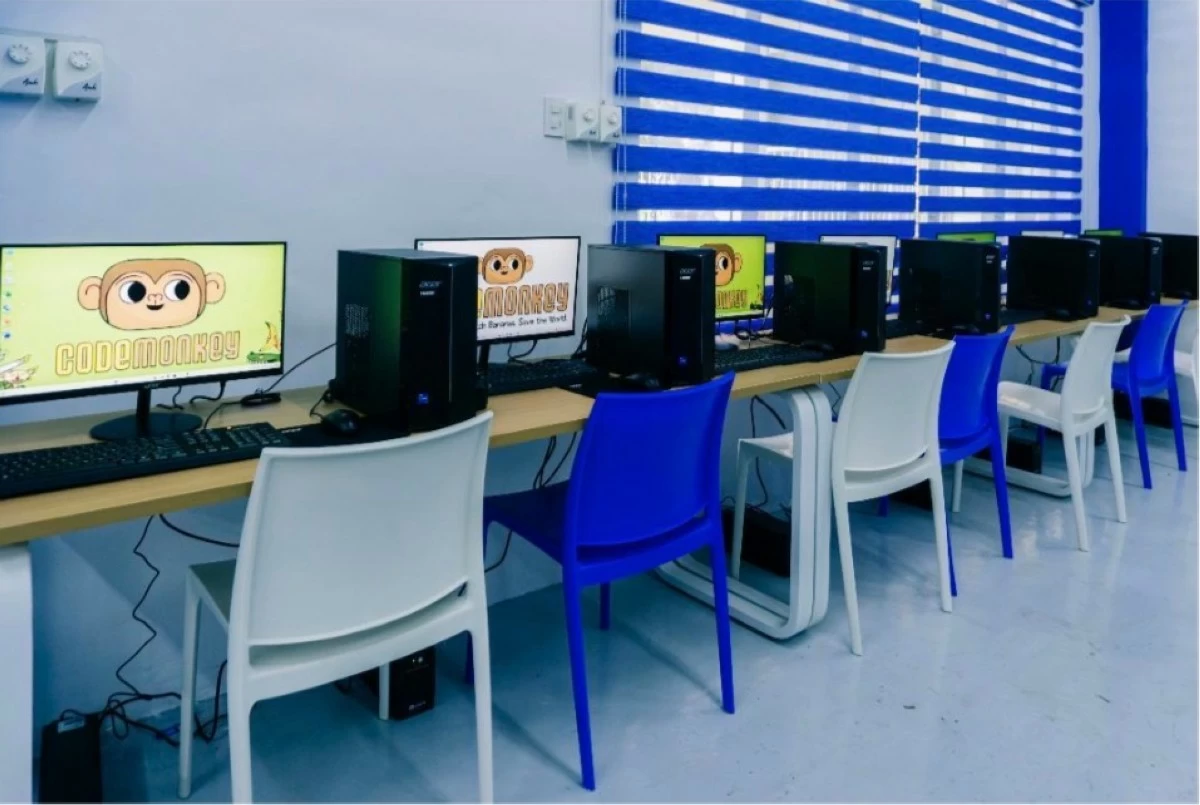
All computers at the new Digital Literacy Center in Manila come with CodeMonkey, helping students learn coding and boost their digital skills.
The initiative reflects one of Israel’s longstanding priorities: investing in education and innovation as foundations for future development.
All computers in the center are equipped with CodeMonkey, an Israeli-developed educational platform that introduces students to coding and computational thinking through interactive lessons, giving young learners an early introduction to digital skills that are becoming increasingly essential.
To ensure the facility remains accessible beyond regular class hours, the embassy will also support a full-time staff member responsible for managing and maintaining the center.
The inauguration was led by Israeli Ambassador Dana Kursh together with Department of Education Secretary Juan Edgardo “Sonny” Angara. Also in attendance were TESDA Secretary Jose Francisco Benitez, DFA Undersecretary Ma. Theresa Dizon-De Vega, school officials, teachers, students, members of the media, and embassy representatives.
For Ambassador Kursh, the project reflects a simple but enduring belief. “Education is the best investment for the future,” she said. Addressing the students directly, she encouraged them to see the center as more than just a computer laboratory.
“The children are our future… investing in you is investing in our future,” she said. “Come to this place, come to learn here, come to read here, come to explore here—but mainly, come to dream here.”
Secretary Angara welcomed the initiative as a valuable contribution to the government’s efforts to strengthen digital literacy and improve access to technology in public schools.
“In the field of technology, innovation, digital technology, we have a lot to learn from Israel,” he said, noting that cooperation between the two countries continues to expand, including through agricultural scholarship programs that have allowed many young Filipinos to train in Israel.
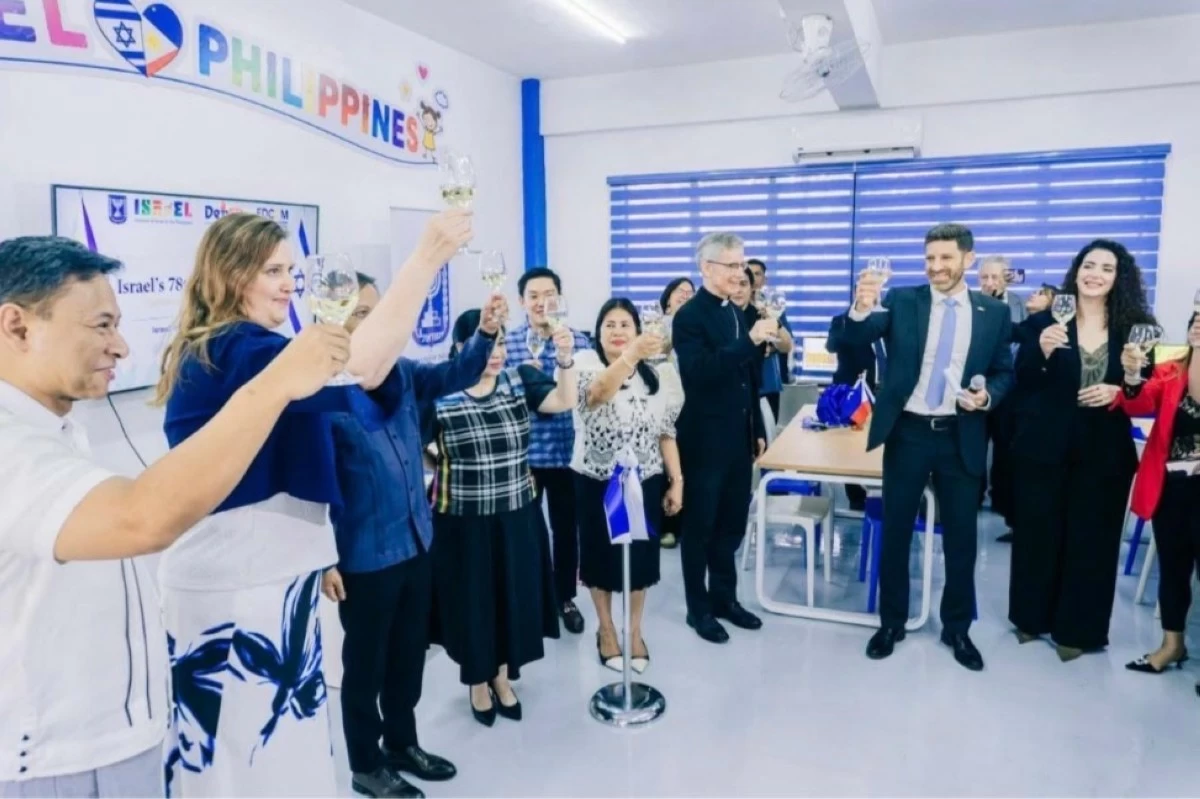
A toast to a celebration not in a ballroom, but in a classroom. Choosing to honor independence by investing in the next generation made the moment especially meaningful.
The Digital Literacy Center illustrates how diplomacy often extends beyond official meetings and policy discussions. Sometimes, it takes the form of a classroom, a computer, or a new opportunity for a child to learn.
As the Philippines and Israel continue to deepen cooperation in education, technology, and innovation, the center stands as a reminder that some of the most meaningful diplomatic investments are measured not by the day they are inaugurated, but by the generations they help prepare.