






Manila Bulletin
 Entertainment
Music and Concerts
Filipino musicians react to AI training on their songs: 'Wish I could opt out'
Entertainment
Music and Concerts
Filipino musicians react to AI training on their songs: 'Wish I could opt out'
Entertainment
Music and Concerts
Filipino musicians react to AI training on their songs: 'Wish I could opt out'
Filipino musicians react to AI training on their songs: 'Wish I could opt out'
Published Jun 27, 2026 05:28 pm



Imagine discovering that songs you've spent years writing and recording have found their way into databases associated with generative artificial intelligence, all without your knowledge.
That is the reality confronting many musicians today.
Through The Atlantic's AI Watchdog, a public tool that allows creators to search whether their works appear in publicly available AI datasets, artists can now get a glimpse of how their music may be circulating in the rapidly evolving world of artificial intelligence.
The publication notes that appearing in a dataset does not necessarily mean a work was used to train an AI model, just as not appearing does not guarantee it was never scraped elsewhere.
Still, the tool offers creators something they have long been asking for: transparency.
When Manila Bulletin Entertainment asked several Filipino musicians whose songs appeared on the lists how they felt, the responses ranged from discomfort and resignation to cautious optimism.
For Benjamin Manaligod of The Ridleys, the discovery raised more questions than outrage.

"Does this mean that when someone made a song using AI, some of our songs were used as reference?" he said. "If so, I feel... indifferent for now. Maybe because it's late at night and I'm thinking of other things. But if I had more energy to feel, I think I would feel uncomfortable that my songs are being used in such a way. Wish I could opt out of my songs being used for generative AI projects."
Benjamin said he has already encountered AI-generated versions of The Ridleys' songs, particularly "Aphrodite." While he does not feel threatened today, he worries about what lies ahead.
"I'm not threatened as of now. But I can imagine a future where I'm annoyed. What if AI songs sound like The Ridleys songs because of how much it's been copied?"
Members of Lola Amour, meanwhile, were hardly surprised to learn that 49 of their songs appeared in the databases.
"Um, well, of course, kasama tayo. Parang ganun. We weren't surprised. Sure we're against it, but this is something that is happening to the whole industry. Maiinsulto ba tayo kung di tayo kasama?" they joked.
Humor, however, only went so far.
What concerns them is how quickly AI-generated music has improved.
"They're good. They're very good covers. They're technically proficient covers. There are lines there na parang, 'Uy, mas magaling pa sa'tin yan.' Parang, 'Oh, wish I thought of that.' So right now it's easy to laugh it off. But once it becomes serious and something really bad affects you, that's when you will actually feel the consequences. It's better to be prepared now and be educated about it rather than just waiting for the worst to come."
For the members of Over October, the issue goes beyond technology. It is about the value of creative labor.
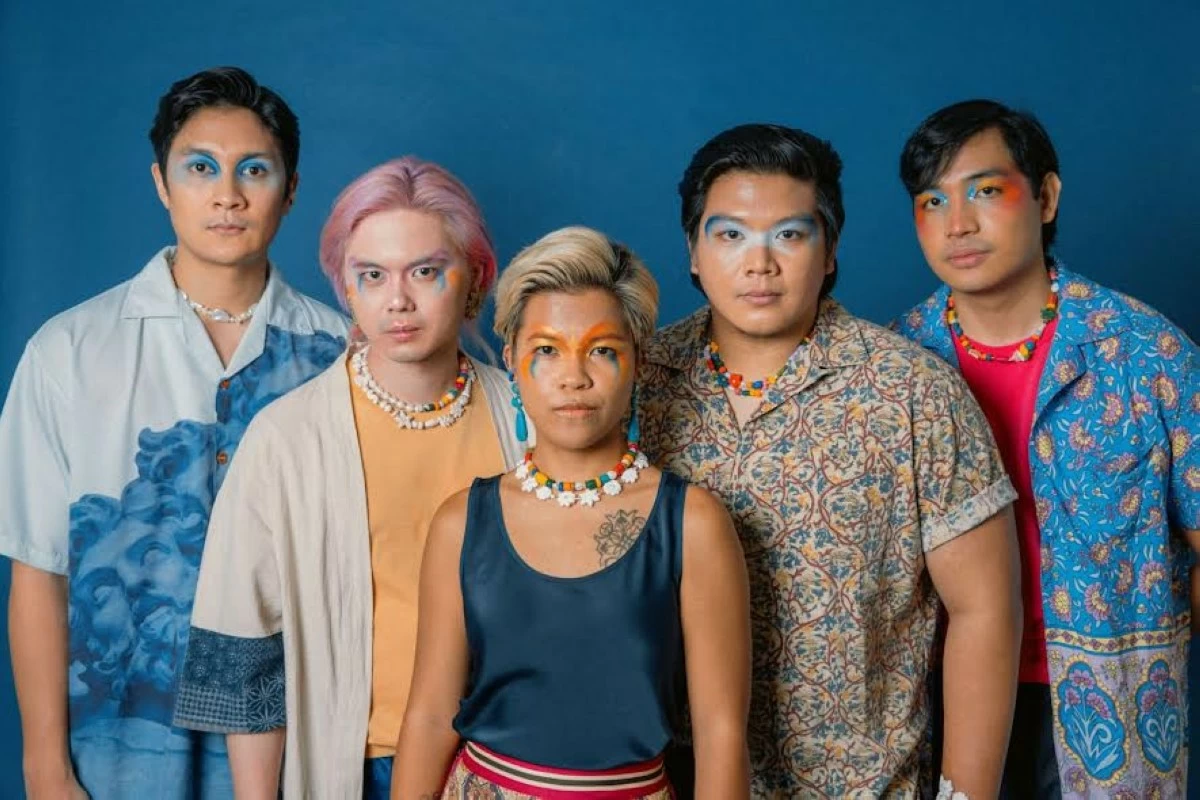
Drummer Janessa Geronimo admitted it was disheartening to learn that 39 songs they had worked on appeared in the datasets.
"It's pretty sad that the music is used in that way. Given what I currently know about AI and how it just repurposes songs and original bodies of work, and then they just make it sound different, it's pretty sad that other people are using creative work that we've worked hard on for the sole purpose of making money."
Guitarist Joshua Caleb Lua drew a distinction between AI-generated covers and the traditional covers musicians have always appreciated.
"Part of what makes it refreshing as a musician is you know na pinaglaanan siya ng oras para intindihin yung kanta, i-mimic, and then i-arrange into a different genre. Yung process yung admirable doon for me. Ngayon, you take that away pag nag-upload ka ng mga AI covers. Nakakalungkot na nasa state tayo in the world na we have to doubt kung may naririnig tayo na AI ba 'to or cover lang."
Singer-songwriter Shirebound perhaps summed up the dilemma best.
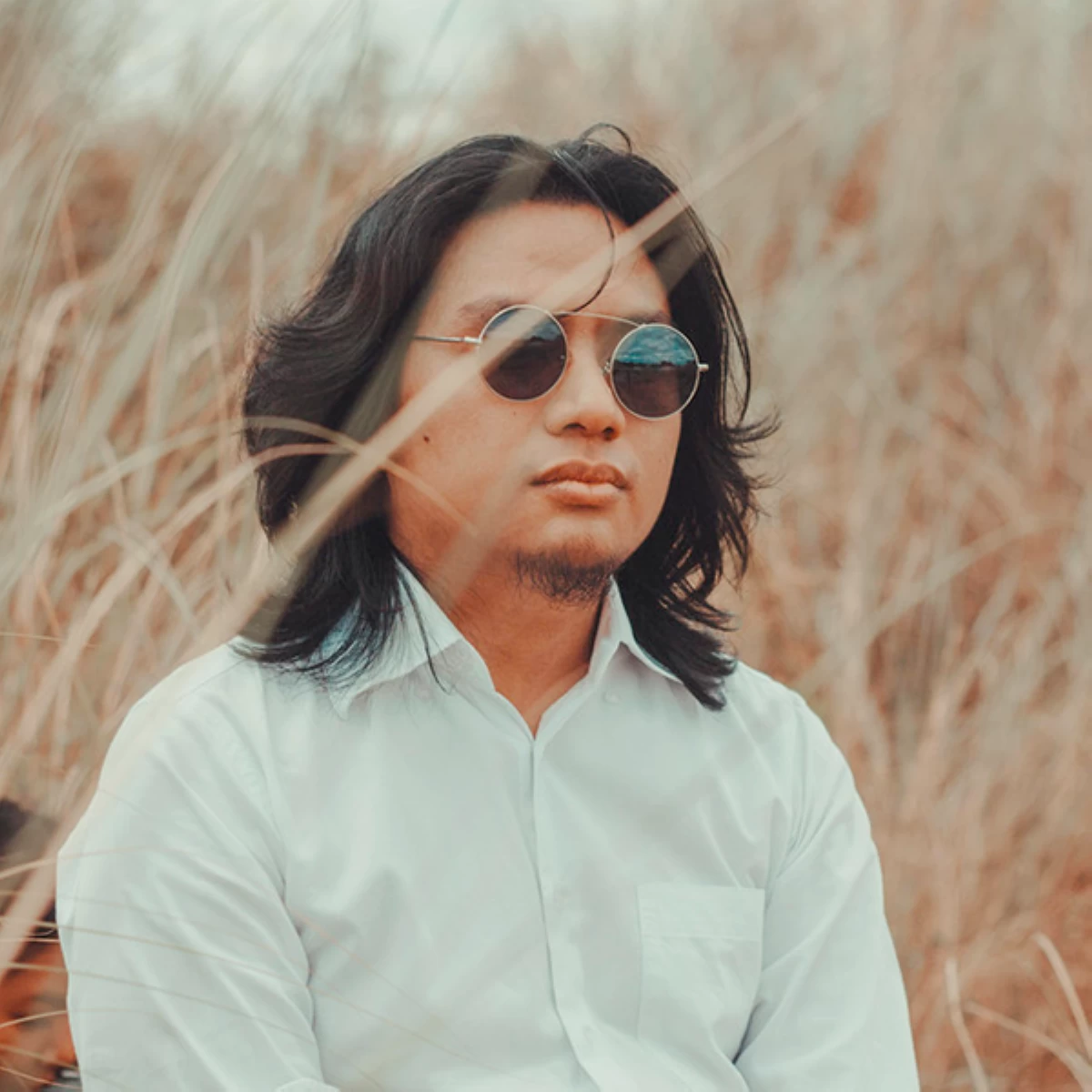
While firmly opposed to the irresponsible use of artists' work, they admitted they could not help but laugh after hearing AI transform "Waltz of Four Left Feet" into a straightforward four-four arrangement.
"Siguro opportunity din siya para ma-up yung game ng human songwriters na pakita natin na higit tayo sa machines."
That optimism is shared by Benjamin.
The Ridleys are preparing to release their fourth album, one that intentionally embraces imperfections.
With less Melodyne, less quantization, and fewer digital corrections, the band hopes the record captures something AI still struggles to reproduce: genuine human performance.
The debate over AI and copyright is only beginning, and many artists believe stronger safeguards are needed to protect creative work. But rather than retreat, these musicians are choosing to keep creating.
Technology may be able to imitate melodies, voices, and arrangements. What it still cannot replicate is the lived experience, emotion, and instinct that inspire a song in the first place.
For artists curious about whether their own work appears in publicly available AI datasets, The Atlantic's AI Watchdog offers a starting point for understanding how their creations may be circulating in the age of generative AI. (Ian Ureta)