







Everything you need to know about planning a DIY China trip
China is massive, confusing, and so very, very worth it
Published Jun 27, 2026 01:48 pm



TRAVEL PLAYBOOK China can be overwhelming, but with the right preparation, it can also be one of the most seamless and rewarding trips you'll ever take. (Photos: Krizette Chu | Manila Bulletin)
Yes, planning a DIY trip to China is intimidating. Yes, your usual travel hacks will fail. Yes, it may be one of the most stressful itineraries you will ever make. (Spoiler: It was mine, and I DIY all of my trips.)
But once you bridge the digital gap, China will give you one of the most rewarding, efficient, unique, and futuristic travel experiences you can ever have.
My three-week trip covered Shanghai, Beijing, Xi’an, Furong Town, Zhangjiajie, Chongqing, and Guangzhou. It went with the most minimal of hitches, but only because I combed through every article, every Tiktok video, and every FB reel. China is not the place where you “figure it out when you get there.” And it’s not a place to do “free and easy, let’s see how I feel.”
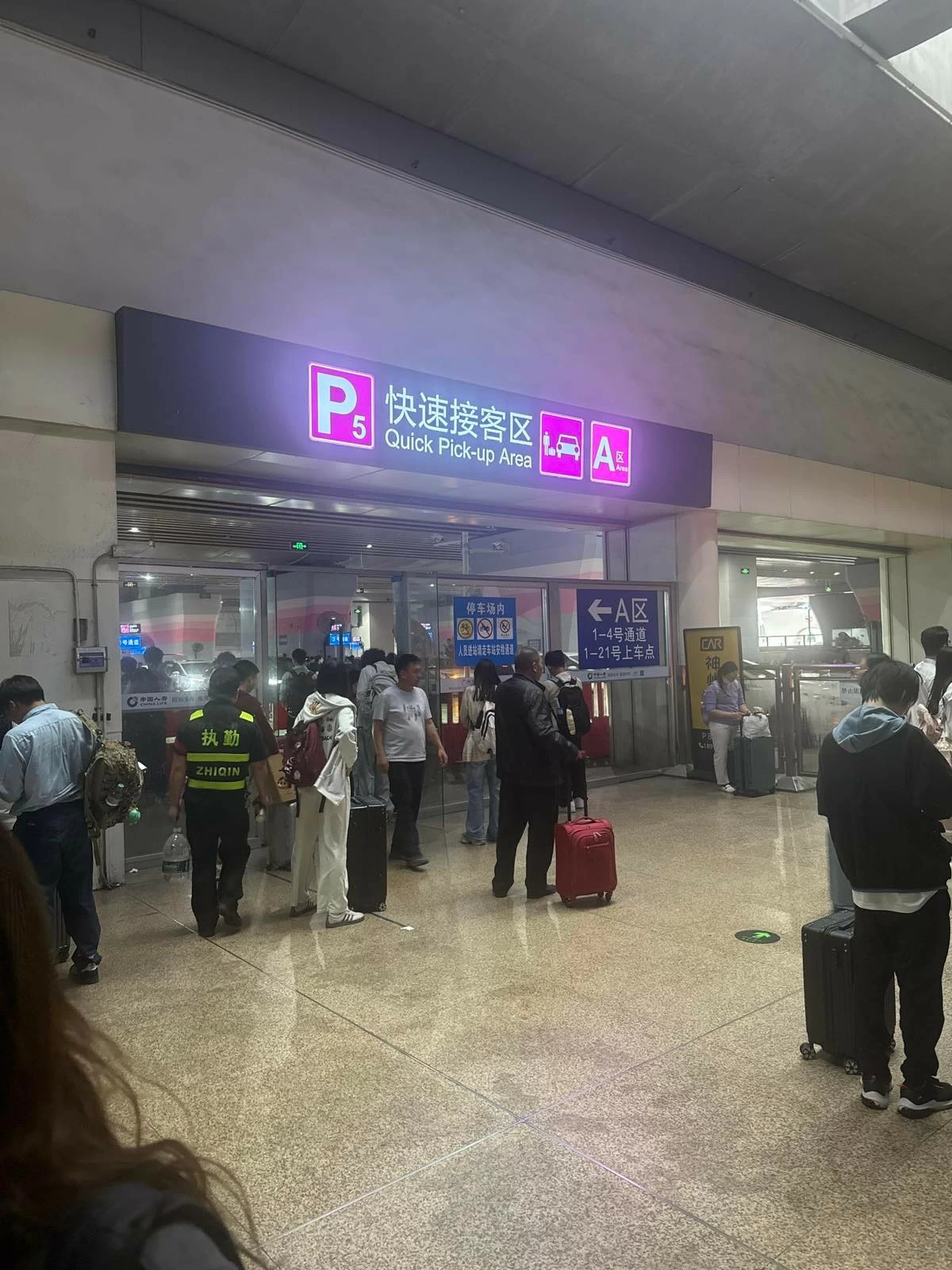
Here’s my laundry list, so you can learn from my stress.
File your visa application early.
The visa application starts online, and there is no guarantee that it will move as fast as you expect. I thought one week would be enough. Mine took around 11 days before I got feedback, which was cutting it dangerously close to my departure.
Submit documents at least two months before your trip at visaforchina.cn. China wants actual travel details, so you should already have your roundtrip ticket and hotel bookings. Book hotels through Trip.com because many China hotels offer free cancellation. Once you are asked to submit your passport and physical documents, the actual passport release is fast. But the waiting period before that built my character and patience.
Set up the apps before you fly.
China lives in the future. It is paperless, cashless, QR-coded, and app-based. Your phone will be your wallet, map, translator, menu, train ticket, taxi stand, and waiter.
The non-negotiables are Alipay, WeChat, DiDi, Apple Maps, and Trip.com. Alipay is your main payment app. WeChat is for messaging hotels, guides, restaurants, and basically everyone. DiDi is for car rides. Apple Maps works much better than Google Maps in China. Trip.com is for hotels, trains, tours, and private transfers.
Set up your credit cards on Alipay and WeChat Pay while you are still in the Philippines. Do not wait until you land and discover your OTP is not arriving, because you might as well just go home if you have none of these apps (or maybe have the adventure of your life.)
Book hotels, trains, and attraction packages through Trip.com.
Trip.com saved my life several times. It had the easiest interface for foreigners, good hotel options, simple train booking, and affordable private car packages.
One of my best custom bookings was in Zhangjiajie. A car picked four of us up at the airport, brought us to Furong Town, waited around eight hours, then drove us to Zhangjiajie. Total service time was about 12 hours. I paid around ₱12,000. For that level of convenience, it was worth every peso.
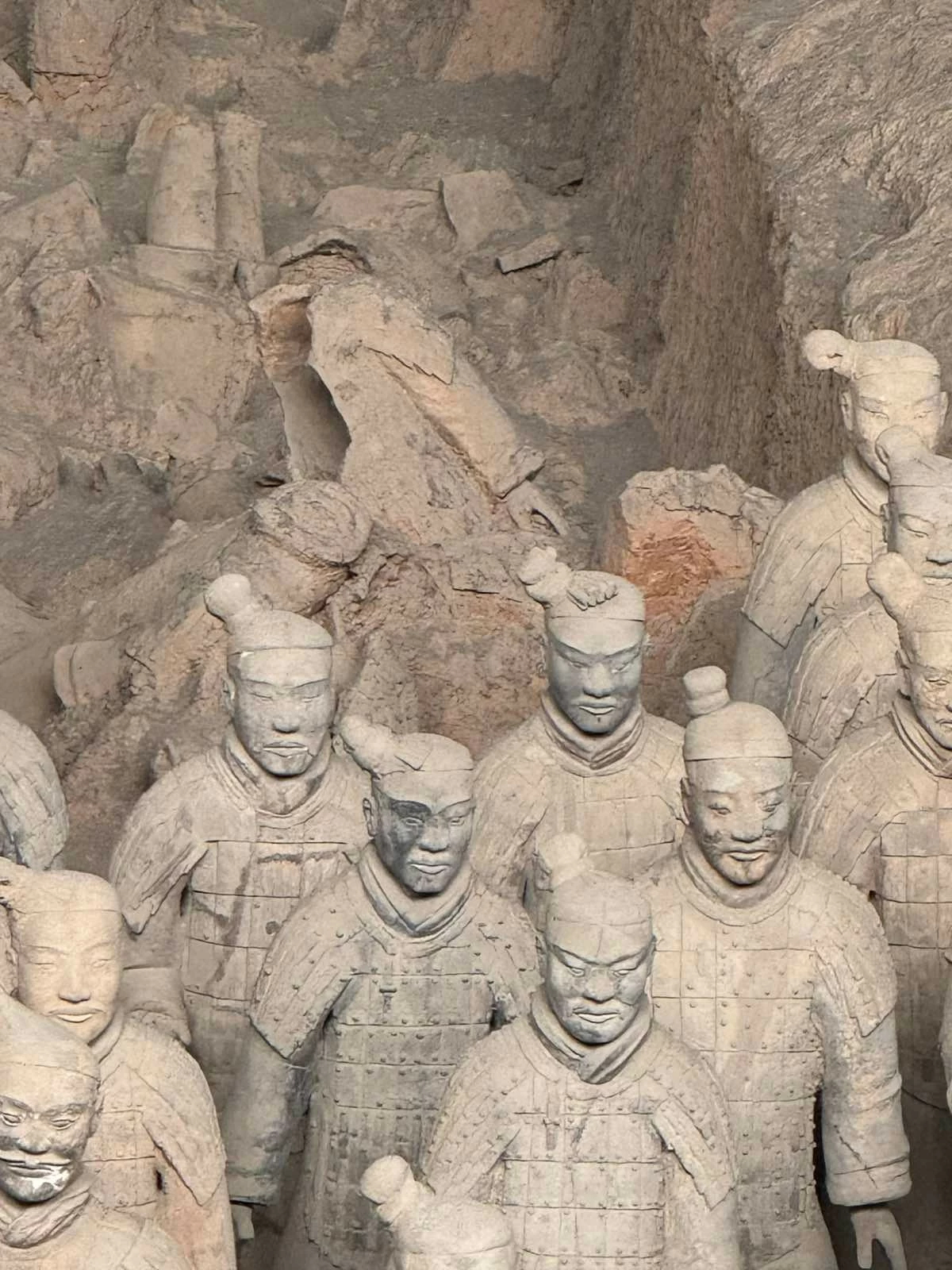

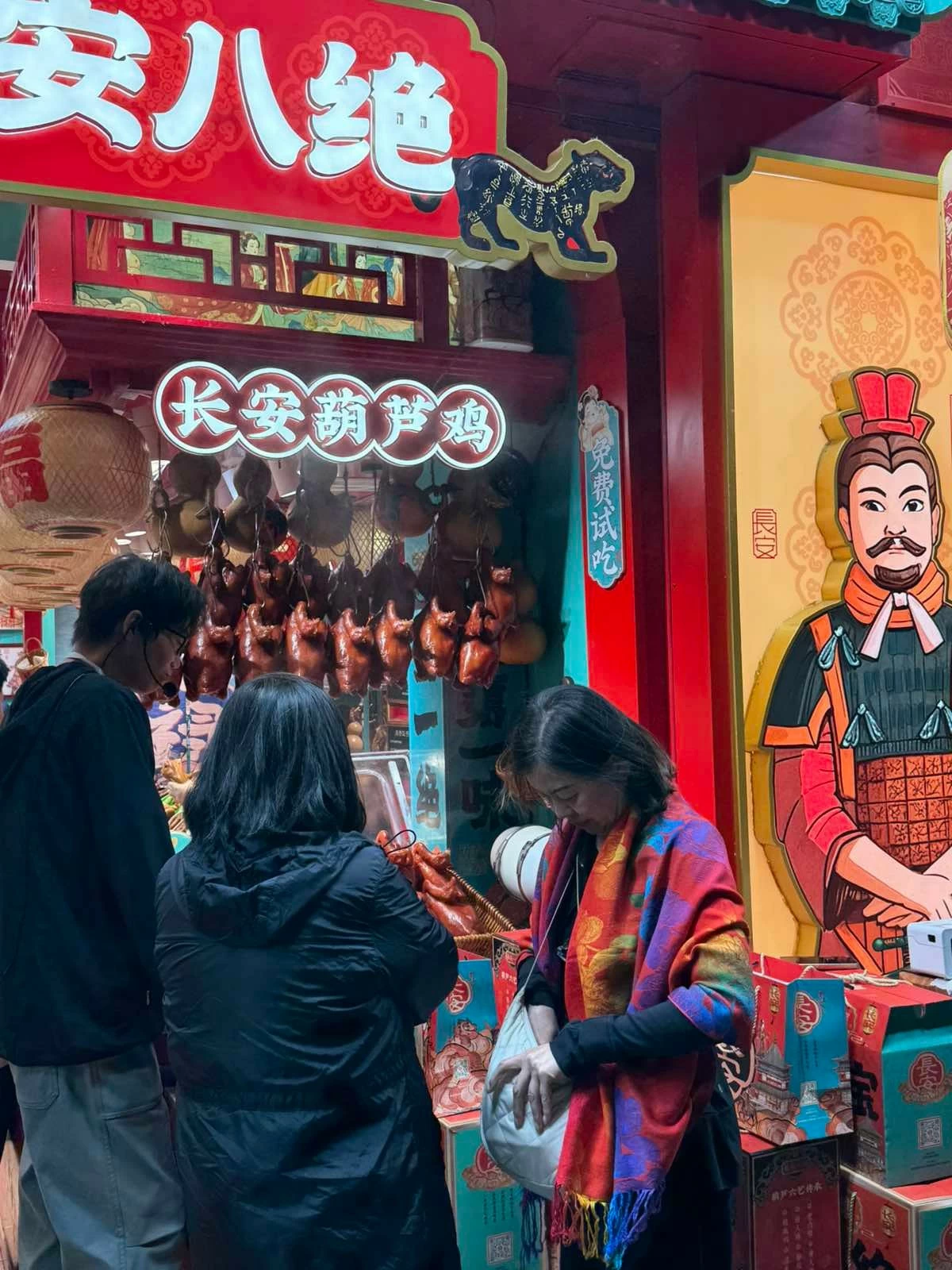
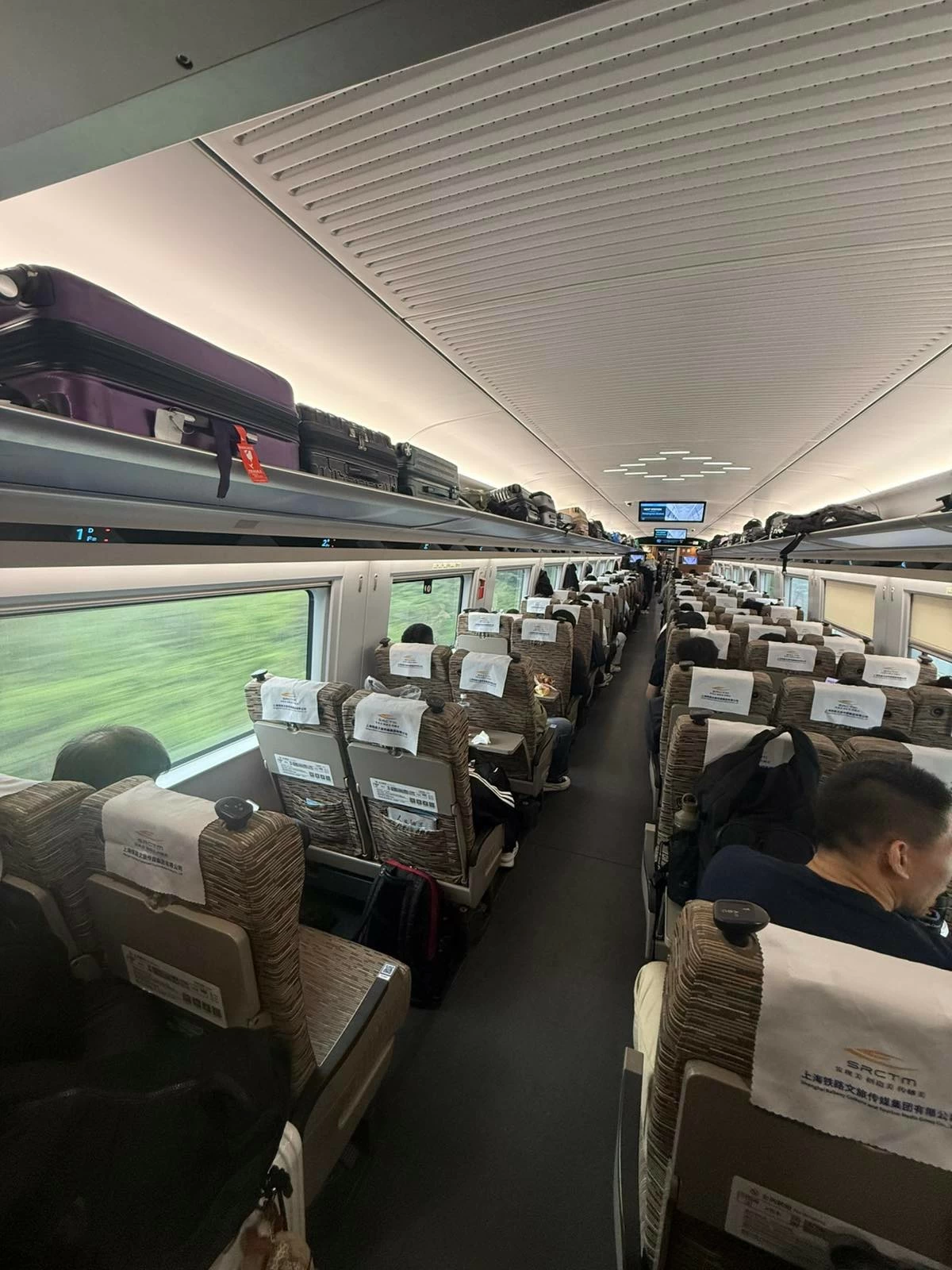
In China, a tourist guide is worth it.
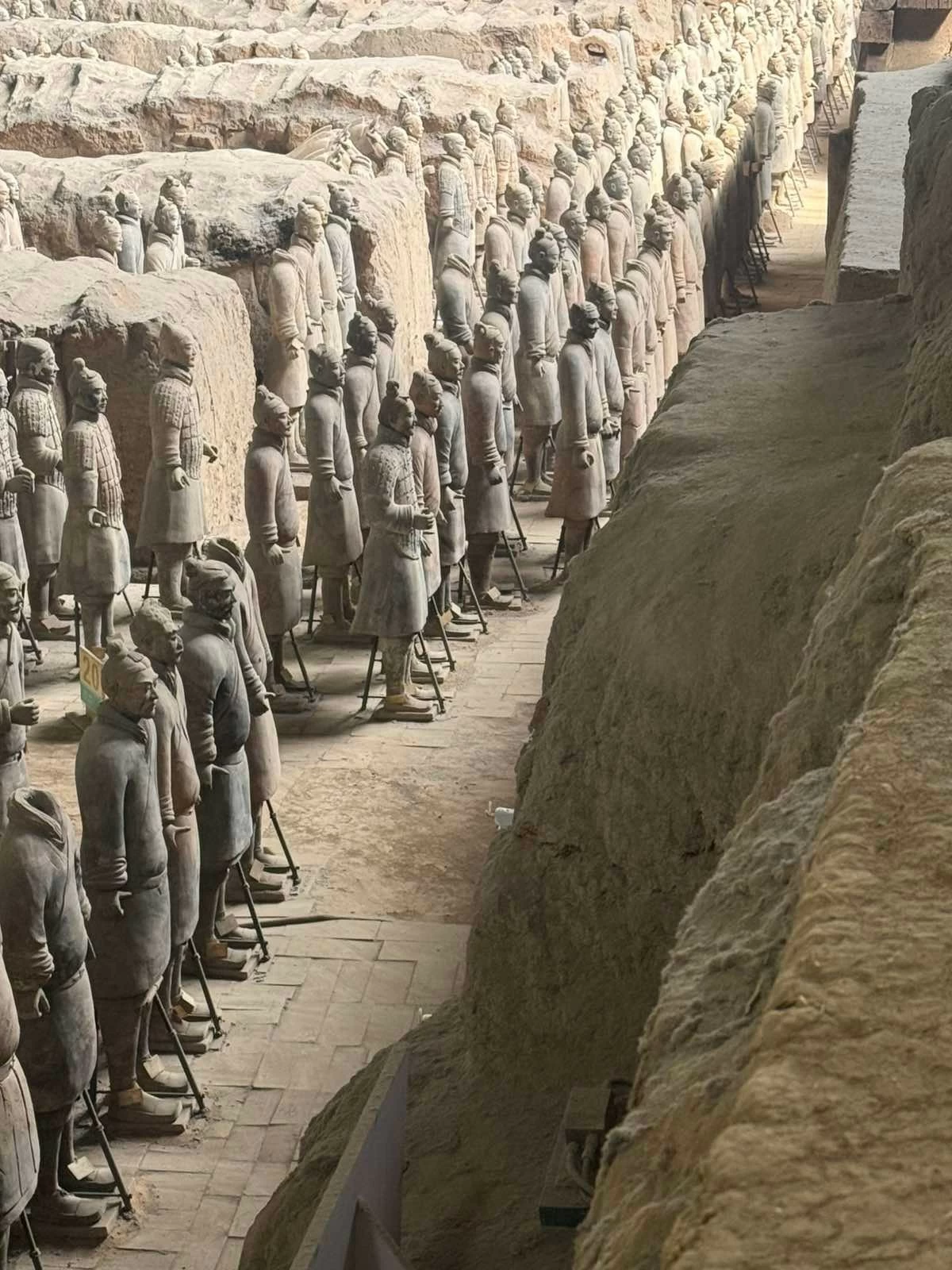
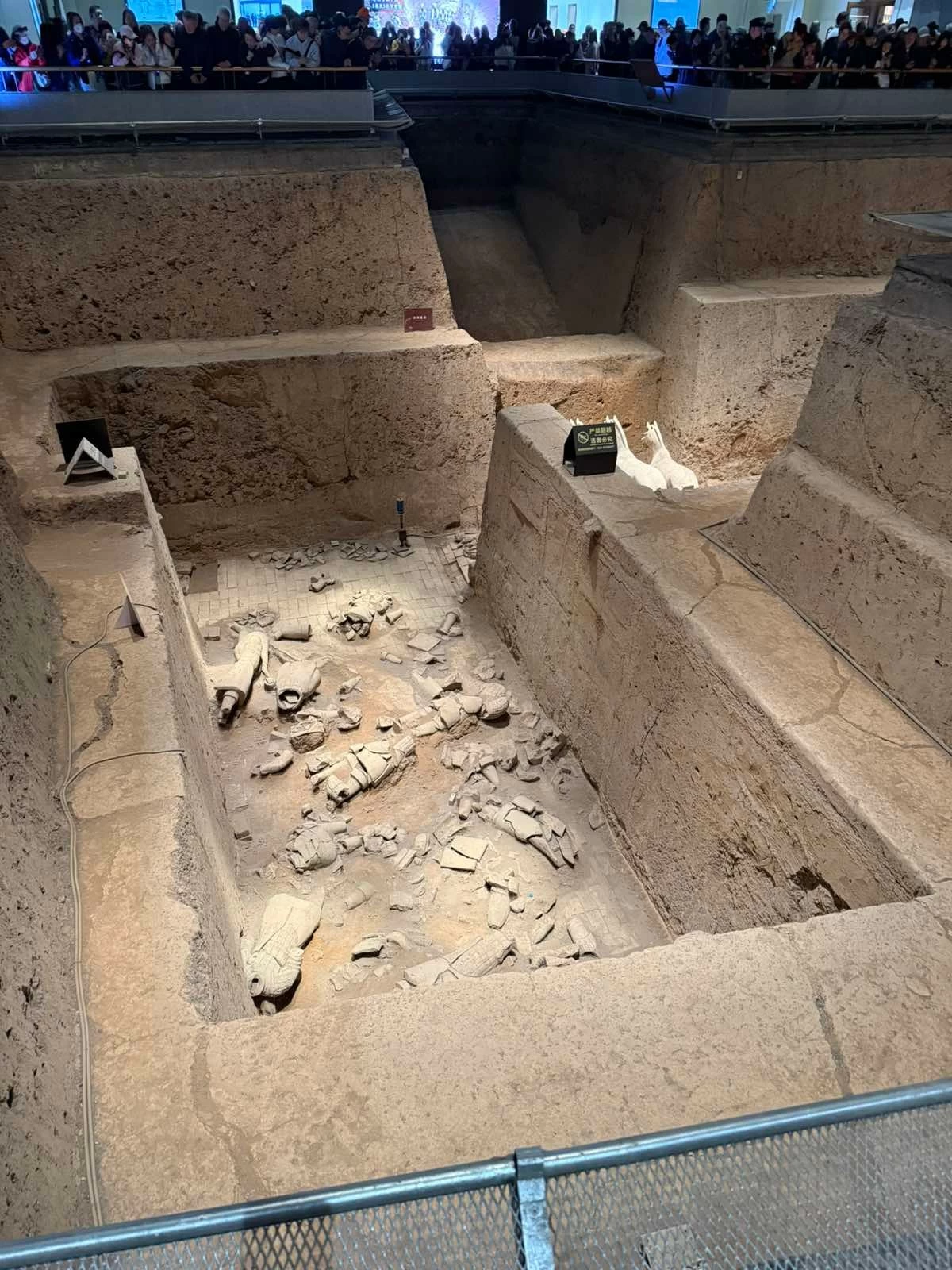
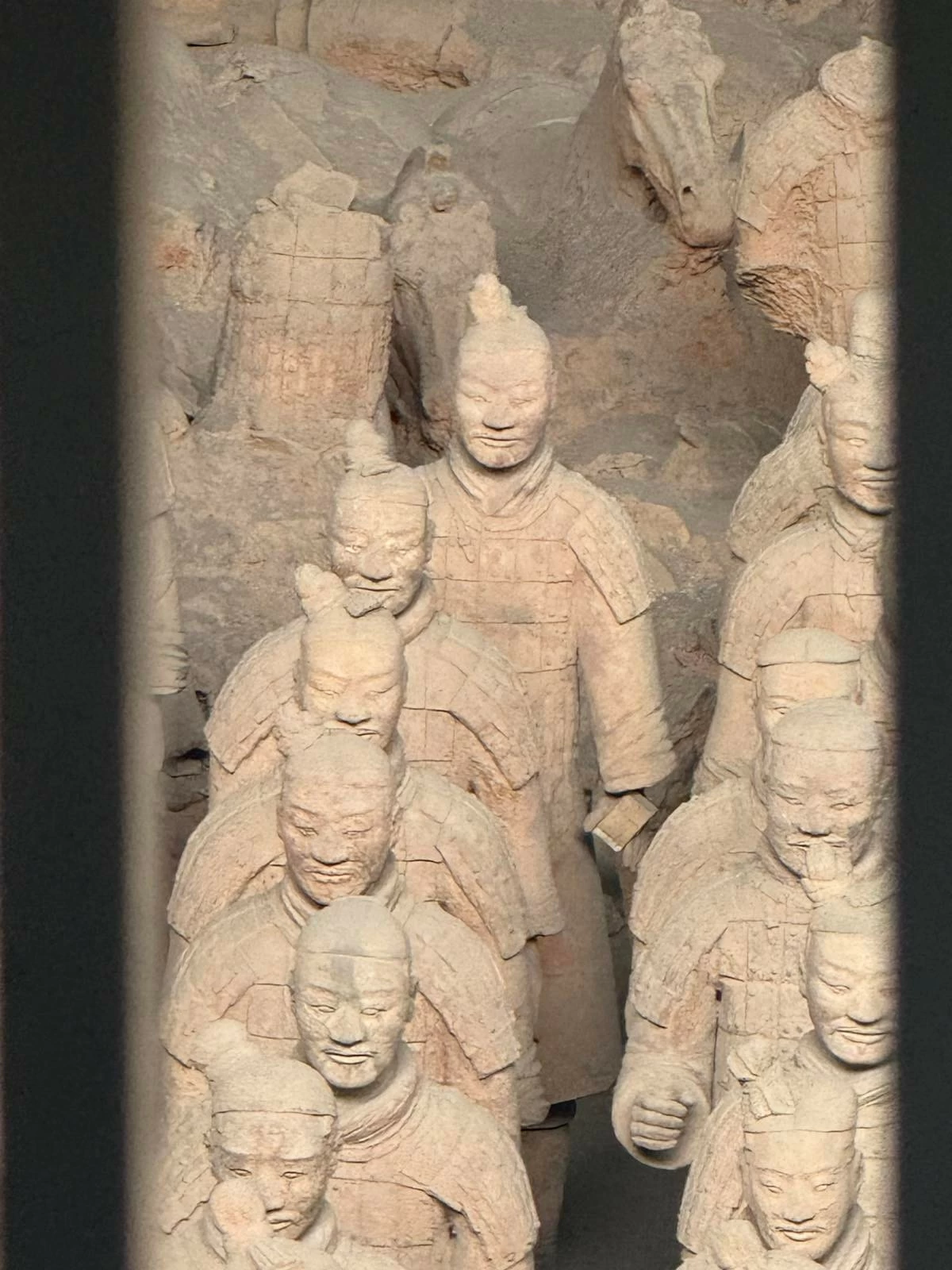
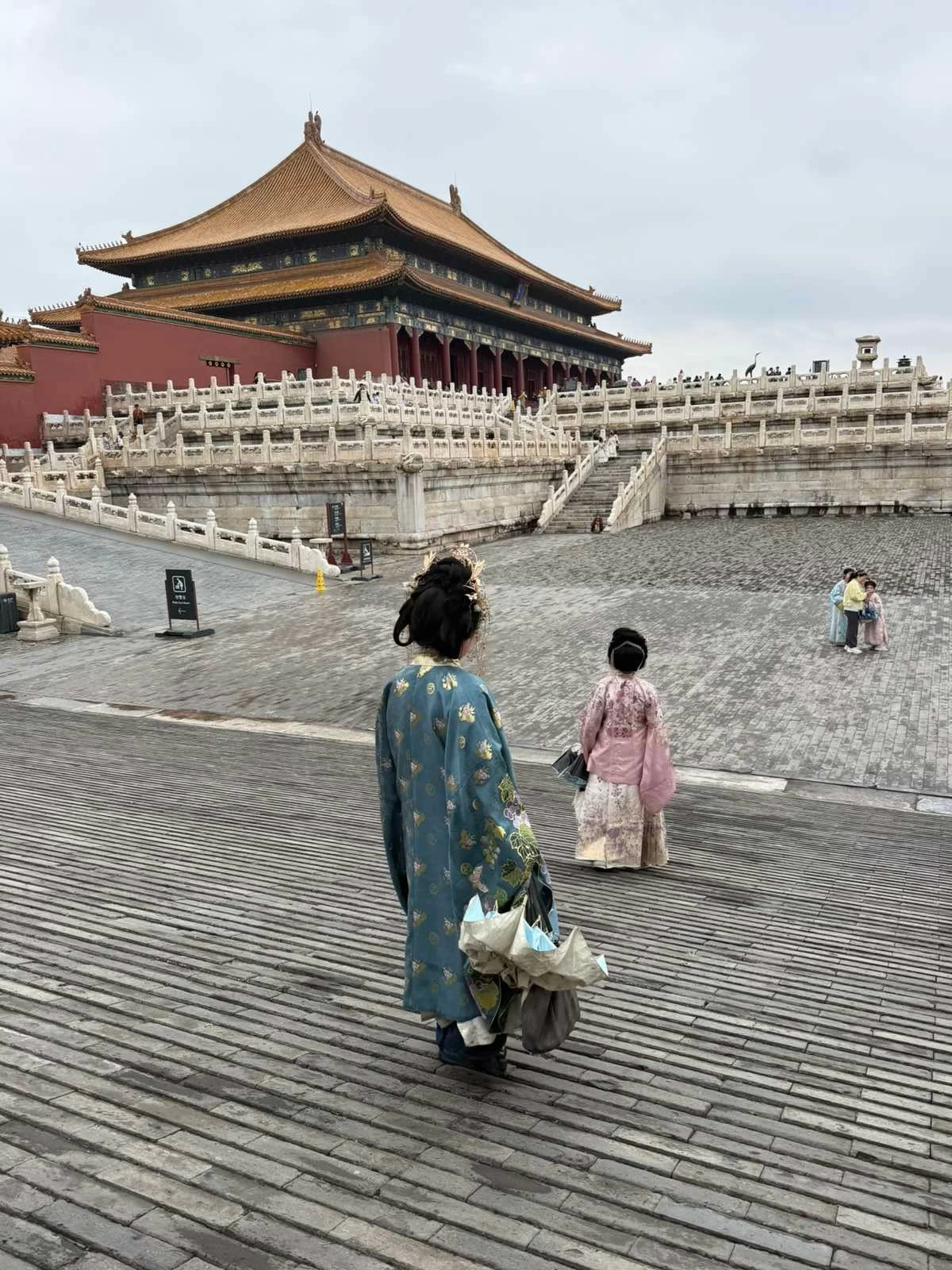
I avoid guides because I would rather spend the money on shopping or food. But China is different. Get a guide for the Imperial Palace/Forbidden City in Beijing because without context, it can feel like endless halls, gates, and red walls—when every courtyard is actually loaded with imperial drama, politics, and history. The Terracotta Army is massive and easy to under-appreciate without someone explaining the excavation story, the different pits, and why it is such a big deal. You can join group tours if you’re alone or hire a special guide if you want an exclusive one for your family.
Your passport is your ticket to everything.
Always bring your passport. Not a photo. Not a photocopy. The actual passport. You need it for train stations, hotel check-ins, attraction tickets, and random verification. You literally cannot enter attractions, train stations, and other places without your passport.
Buy your eSIM before flying.
Apps like Google, Instagram, Facebook, WhatsApp, Gmail, and Netflix will not work on local China internet. A travel eSIM bought outside China usually uses roaming data, which helps you access your usual apps. If you plan to use a VPN, install it before you leave. (I bought both ByteSim and a Trip.com package. I liked the ByteSim more as it was truly unlimited.)
Bring a China-approved power bank.
Your phone cannot die in China. I repeat—your phone cannot die in China. But here’s the important part—your power bank should have a visible CCC or 3C mark, which stands for China Compulsory Certification. If you can’t find one in the Philippines, buy one as soon as you land. I got mine at a train station shop for 300 yuan and it was powerful enough to juice four phones.
Prepare for squat toilets.
Now here’s my only beef with China—squat toilets. Modern malls, hotels, and airports usually have Western toilets, but older attractions, parks, and public restrooms generally have squat toilets (and just one or two toilet bowls). If you cannot squat, look for the stall with the disability icon. Bring tissue and wet wipes. Do not ask questions. Just bring them.

Choose hotels near metro stations, “city center” doesn’t matter.
Chinese cities are massive, so book a hotel within 500 meters of a subway entrance. Bonus points if the station connects to two lines. “City center” means nothing if you are 25 minutes away from the nearest station. At night, you want restaurants, malls, convenience stores, and lights near your hotel—not a dead historic district where your only dinner option is from a 7-11.
Restaurant menus are QR codes now.
Physical menus are rare. Scan the QR code on the table using Alipay or WeChat. The menu will open inside the app and detect your table number automatically. Also, expect hot water. China does not do cold water the way we do. It has something to do with their belief about health. If you want cold water, ask for bīng shuǐ or buy a bottled drink.
Try DiDi Luxury at least once.
This is my very specific China tip. There are tiers to your DiDi, but upgrading your ride can be surprisingly affordable. You may get a black Mercedes, BMW, or Audi, with a driver in a suit who opens the door and treats you like you are arriving at a state dinner. Necessary? No. Fun? Absolutely. Plus, because China is so, so affordable—where else in the world would you be riding a Mercedes Benz with a uniformed chauffeur for less than P1,000?


And a reminder: every city in China is different.
People talk about “China” as if it is one place with one rhythm. It is not. Every city has its own personality, food culture, and tourist difficulty level.
Shanghai is the soft landing. If this is your first time in China, start here. It is the most international, the metro is easy to use, Apple Maps works well, and there are enough English signs to keep you from having a nervous breakdown on Day 1.
Practice using Alipay, WeChat, DiDi, and QR-code ordering here before going to the more complicated cities.
Beijing is historic, grand, and exhausting. It is huge, formal, intimidating, and the major attractions require planning. Book tickets early, because if you wing it, you’ll never see the important parts (because some tickets sell out early.)
Xi’an is one of the best cities for history lovers because of the Terracotta Warriors, the ancient city wall, and the Muslim Quarter. Book a transfer or guided tour, especially if you are traveling with family.
Furong Town is magical but not convenient. It looks unreal in photos because it actually is unreal in person. But it is not the easiest place to access, so arrange your transport properly. Book a private car, especially if you are coming from or going to Zhangjiajie.
Zhangjiajie or Avatar Mountains is breathtakingly spectacular but logistically confusing. This is not the place to prove that you are a free spirited traveler. The park system has different entrances, shuttle buses, cable cars, elevators, glass bridges, mountain routes, and ticket rules. Research so you do not waste time just wandering around (I personally booked a hotel near the entrance gates, not the city center.)
Chongqing is cyberpunk, hilly, and not for weak ankles. A place that looks “beside you” on the map may actually be ten floors above or below you. The city is built on hills, layers, bridges, tunnels, stairs, and chaos. Even Maps get confused so you need the exact address.
Guangzhou is practical, commercial, and great for shopping or business. But it’s also the best city for Chinese food, dim sum, roasted meats, and shopping, so do not treat it only as an airport city or a Canton Fair stop.
The biggest lesson—do not make one China strategy for all cities. Some cities are easy to DIY. Some are better with a guide. Some need private transfers. Some are metro-friendly.
Some require you to just completely surrender, in full acceptance that China is a place that tames you and not the other way around.