







Can self-expression exist without self-respect?
Being yourself isn't always easy, but for many in the LGBTQIA+ community, authenticity is one of the greatest acts of self-respect
By John Legaspi
Published Jun 27, 2026 12:16 pm
|
Updated Jul 1, 2026 02:45 pm


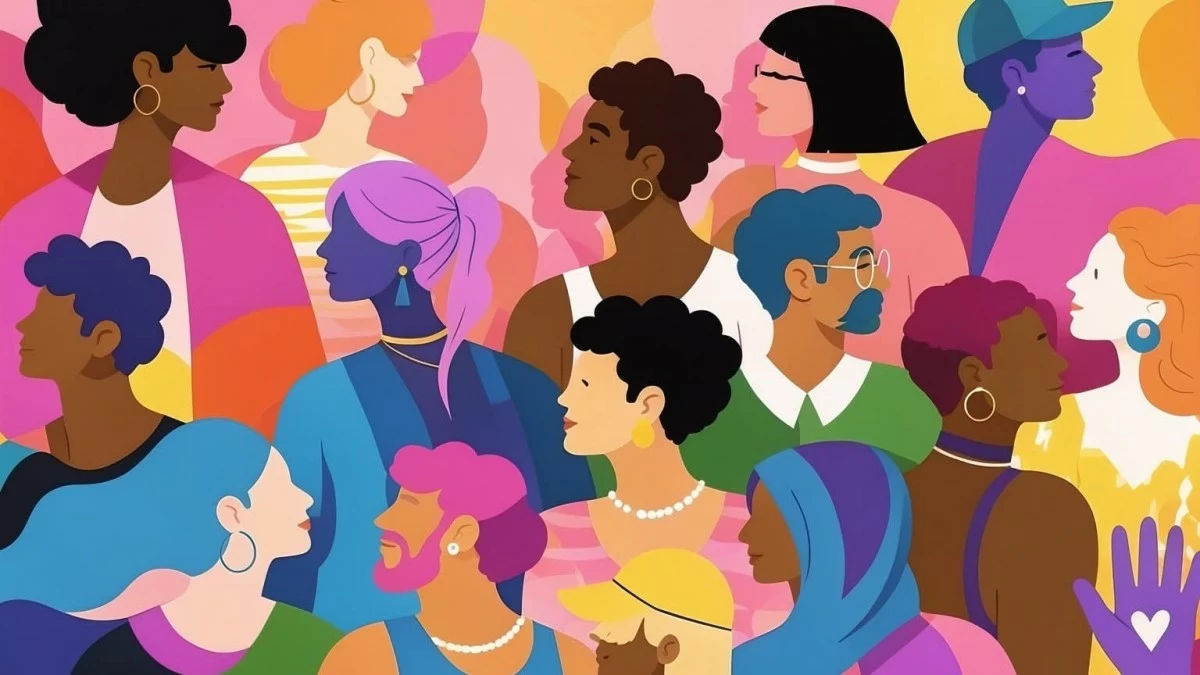
(Artwork: Nancy Marie Andam)
Self-respect and self-expression often go hand in hand, yet they are not always understood the same way. For many LGBTQIA+ individuals, embracing one's identity and expressing it openly can be an act of self-respect rather than defiance. But in a society where authenticity is still met with judgment or expectations to conform, the relationship between the two becomes more nuanced.
In celebration of Pride month, we asked members of the LGBTQIA+ community how they define self-respect, how it shapes the way they express themselves, and whether one can truly exist without the other.
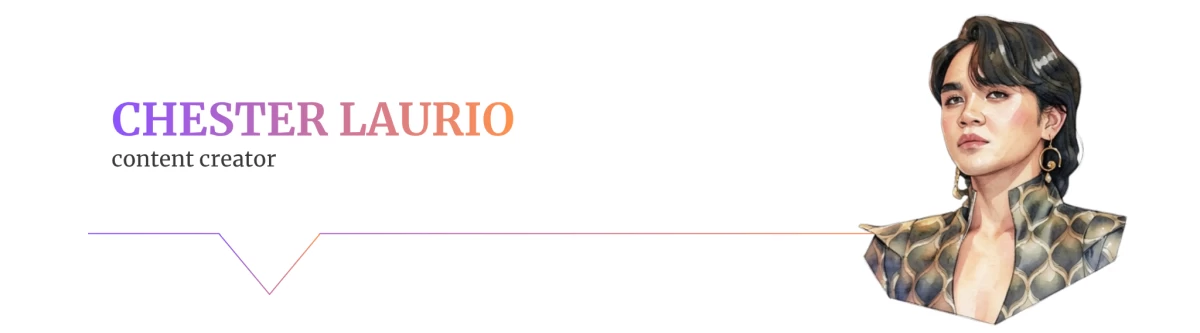
"I believe that both should be understood alongside each other and should not be treated as mutually-exclusive concepts. I understand self-respect to be the recognition of one’s inherent dignity and worth, while self-expression is how this is manifested and made visible to the world. As such, it would be difficult to claim to wholly possess the former and, at the same time, suppress the latter.
It is, however, important to note that in the Philippine context, this conversation becomes much more complex. Many Filipinos tend to view self-respect through an outdated, narrow lens that makes it synonymous with modesty and inconspicuousness. This is especially true for discussions involving the LGBTQIA+ community, who continue to be unjustly seen as inherently sexual and treated as nothing more than mere societal perversions.
As a consequence, LGBTQIA+ individuals are often expected to demonstrate self-respect by making themselves smaller, quieter, and less visible. Yet such expectations fundamentally misunderstand what self-respect entails.
For me, the relationship of self-respect and self-expression is such that self-respect lays down the foundation upon which authentic self-expression is built. While self-expression, like any form of personal freedom, should be exercised with adequate discernment and contextual awareness, it should not be mistaken—particularly in the case of LGBTQIA+ individuals—as something that must be curtailed for one to be deemed respectable. Contrary to what many believe, I would argue that the withholding of one’s authentic identity is not an affirmation of self-respect, but a denial of it."
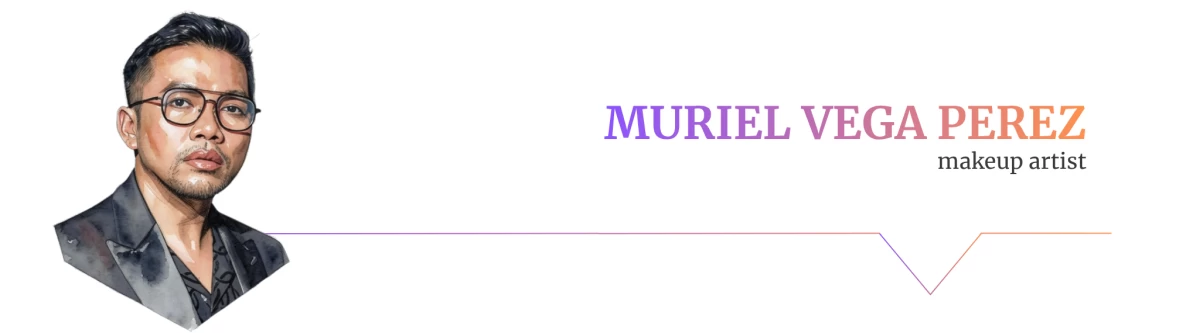
"Self-expression is one way of showing yourself the respect you deserve. When you allow yourself to be who you truly are, without pretending just to fit in, you’re choosing to honor yourself. As an LGBTQIA+ person, being visible isn’t always easy, but being able to live authentically is one of the greatest forms of self-respect."
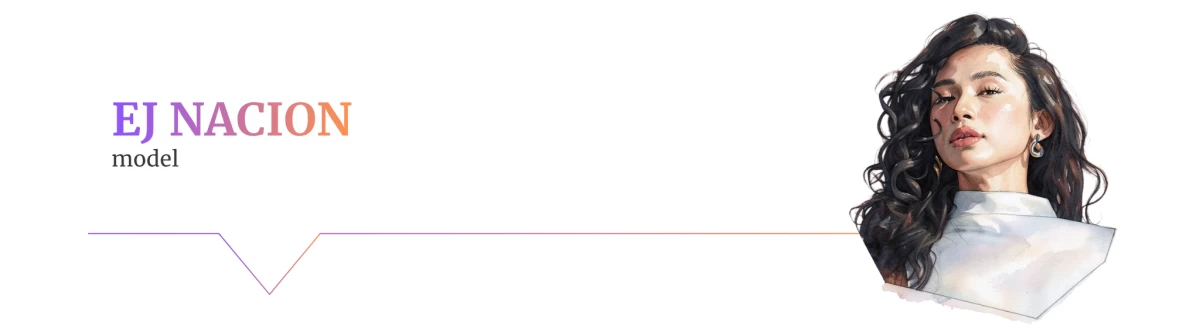
"Some people think that being loud, feminine, visible, or unapologetically yourself means you don’t respect yourself but I really don’t see it that way. For me, expressing who you are is actually a form of self-respect. I’ve learned that you don’t have to make yourself smaller just to make other people comfortable. I think being honest about who you are and allowing yourself to grow into that person is something to be proud of. And if being confident in who I am helps someone else feel a little less afraid to express themselves then I think that’s a beautiful thing, too.’

"Self-expression and self-respect are inseparable. Self-expression is how we show the world who we are, while self-respect is knowing that our worth doesn’t depend on whether the world accepts or understands us. At the same time, I don’t believe there’s only one “right” way to express your identity. Some people are loud and unapologetic, others are quiet and deeply private. Both deserve the same respect and both are of worth. When you truly respect yourself, you stop performing for approval and start living according to your own values.
I’ve learned that being visible isn’t about seeking attention—it’s about letting your authentic self be seen rather than feeling fear. There was a time when many of us felt we had to shrink ourselves to fit into spaces that weren’t built for us. Today, every person who feels safe enough to live openly helps create space for someone else to do the same.
At the same time, I don’t believe there’s only one “right” way to express your identity. Some people are loud and unapologetic, others are quiet and deeply private. Both deserve the same respect and both are of worth. The measure of Pride isn’t how visible you are—it’s whether you’re living truthfully and treating yourself with the dignity you deserve.
Ultimately, self-respect is what gives self-expression its foundation. When you truly respect yourself, you stop performing for approval and start living according to your own values. And perhaps that’s what Pride is really about — not simply being seen, but being free to be yourself without believing you have to earn that right."