

ADVERTISEMENT

What happens when someone tries to trademark a community action?

Published Jun 26, 2026 12:01 am
AVANT GARDENER
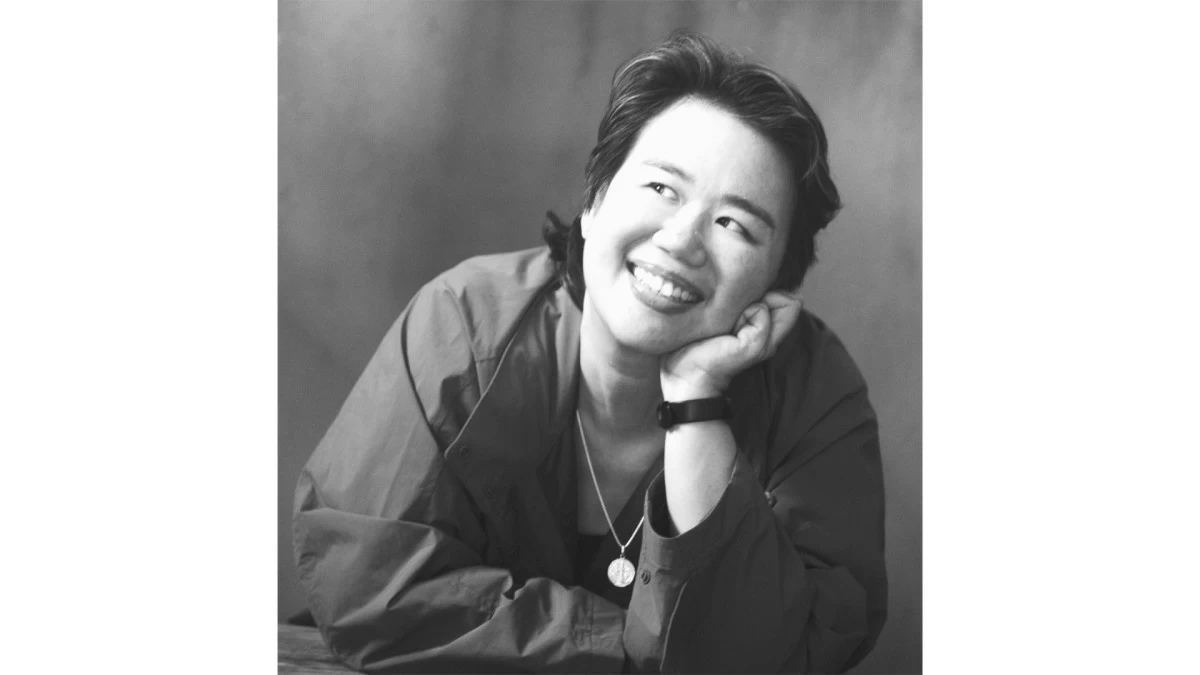
What happens when someone tries to copyright a community action?
This question has been making the rounds in local agriculture after Chef Jayson Gaspar Maulit’s social media post on a company trying to trademark the term "rescue buy.”
Maulit is the chef and founder of Trining’s Kitchen Stories and Namnama Global Table. He is also lead convenor, #TuloyPH: Meals of Hope and holds a Master’s degree in Development Management from the Asian Institute of Management (AIM). In short, he isn’t some random off the street. He has extensive academic and on-ground knowledge and experience in community mobilization that includes working directly with farmer cooperatives.
So when he realized that a term broadly used by the agriculture community as a stopgap to help farmers in a pinch was not only being used as a marketing strategy but is actually under application for trademark under Class 35, he was alarmed.
Community mobilization or marketing strategy?
“Class 35 governs advertising, marketing, business models... the registered owner gets the exclusive right to stop third parties from using identical or confusingly similar signs,” he explained, before switching to Taglish. “What happens is that future movers… will not be able to use that term anymore. Whoever owns the trademark will have the right to… slap copyright infringement lawsuits.”
Attempting to trademark a term used by a community isn’t new. “To me, trademarking something is protecting a business model or a brand more than anything else,” he said, citing Disney’s failed attempt to trademark the Mexican holiday Dia de los Muertos before the launch of the movie Coco as an example. “So to me, this is just personal brand enrichment, which does not help the greater conversation about agriculture in the country.”
He also argues that trademarking a broad term like “rescue buy” strengthens the argument that what’s supposed to be a stopgap method is actively being used as a marketing strategy. “It also weakens the conversations outside,” Maulit said, adding that he’s gotten backlash stemming from this, the argument being, “If they don't trademark it, other people will do it in the future,” something he strongly refutes.
“That's not true. In fact, if they trademark it and they get successful, they will be able to trademark other things in the future. But if they try to do it now and they don't get successful, it's also a lesson for others not to copyright something that the community is doing,” he added. “Second, it's not as if the term ‘rescue buy’ was invented by one single institution, because the practice has happened even before [the attempted copyright]... To say that one group owns it is an injustice to all other groups that are doing the same work.”
Who controls the farmers’ stories?
Maulit isn’t against trademarking per se, but in certain cases, the question should be “does this protect the vulnerable” instead of “is this technically allowed?”
“It's about protecting which institution becomes more vulnerable if you do this. More small-scale farmers will be in danger if they themselves want to be rescue-bought,” he said. Smaller institutions will be “forced to create another system, [and] that will be confusing. If someone owns the term 'rescue buy,’ what do they call the new one?”
Filipinos tend to be generous and are willing to spend a bit more if it means helping someone else. Unfortunately, they also tend to be very trusting, and both these things can be used against them.
“The goal of empowering Filipinos, in buying produce, producing vegetables, and eating healthy requires a relationship between the buyer and the seller. But… there will be no relationship if [one] organization can claim that they own ‘rescue buy’ as a tactic because… the farmer’s story will stop with them. It’ll be up to the customer to interpret and research what comes after,” Maulit said.
“I’m upset about the undignified storification of things. It’s as if farmers don’t have agency and strategy, as if they’re always in need, that it’s always ‘rescue buying is good because we help farmers,’ when in fact we don’t have a personal relationship with them, we only have a financial relationship with [the organization], which does not have an obligation to be transparent with the purchase.”
Much like the Mexican community’s reaction to a media conglomerate’s attempt to copyright their holiday, Filipino consumers should be wary of organizations trying to obtain legal ownership of a term used to build community.
“One institution being able to monopolize any term will already control the narrative, and controlling the narrative means you're getting a significant chunk of the market. You become the most legitimate actor in all of this… If they get the trademark, then they control the marketing of it, the storification of it. They become the most legitimate spokesperson of the vulnerable community,” Maulit said.
“In a development sense, that's bad because you're [taking] agency from agricultural producers [and giving it to] the organization buying from them, which, in effect, is just another middleman.”

Related Tags

Chef Jayson Gaspar Maulit COPYRIGHT
ADVERTISEMENT
.most-popular .layout-ratio{ padding-bottom: 79.13%; } @media (min-width: 768px) and (max-width: 1024px) { .widget-title { font-size: 15px !important; } }

{{ articles_filter_1561_widget.title }}

.most-popular .layout-ratio{ padding-bottom: 79.13%; } @media (min-width: 768px) and (max-width: 1024px) { .widget-title { font-size: 15px !important; } }

{{ static_articles_1562_widget.title }}

.most-popular .layout-ratio{ padding-bottom: 79.13%; } @media (min-width: 768px) and (max-width: 1024px) { .widget-title { font-size: 15px !important; } }

{{ articles_filter_1563_widget.title }}

{{ articles_filter_1564_widget.title }}

.mb-article-details { position: relative; } .mb-article-details .article-body-preview, .mb-article-details .article-body-summary{ font-size: 17px; line-height: 30px; font-family: "Libre Caslon Text", serif; color: #000; } .mb-article-details .article-body-preview iframe , .mb-article-details .article-body-summary iframe{ width: 100%; margin: auto; } .read-more-background { background: linear-gradient(180deg, color(display-p3 1.000 1.000 1.000 / 0) 13.75%, color(display-p3 1.000 1.000 1.000 / 0.8) 30.79%, color(display-p3 1.000 1.000 1.000) 72.5%); position: absolute; height: 200px; width: 100%; bottom: 0; display: flex; justify-content: center; align-items: center; padding: 0; } .read-more-background a{ color: #000; } .read-more-btn { padding: 17px 45px; font-family: Inter; font-weight: 700; font-size: 18px; line-height: 16px; text-align: center; vertical-align: middle; border: 1px solid black; background-color: white; } .hidden { display: none; }
function initializeAllSwipers() { // Get all hidden inputs with cms_article_id document.querySelectorAll('[id^="cms_article_id_"]').forEach(function (input) { const cmsArticleId = input.value; const articleSelector = '#article-' + cmsArticleId + ' .body_images'; const swiperElement = document.querySelector(articleSelector); if (swiperElement && !swiperElement.classList.contains('swiper-initialized')) { new Swiper(articleSelector, { loop: true, pagination: false, navigation: { nextEl: '#article-' + cmsArticleId + ' .swiper-button-next', prevEl: '#article-' + cmsArticleId + ' .swiper-button-prev', }, }); } }); } setTimeout(initializeAllSwipers, 3000); const intersectionObserver = new IntersectionObserver( (entries) => { entries.forEach((entry) => { if (entry.isIntersecting) { const newUrl = entry.target.getAttribute("data-url"); if (newUrl) { history.pushState(null, null, newUrl); let article = entry.target; // Extract metadata const author = article.querySelector('.author-section').textContent.replace('By', '').trim(); const section = article.querySelector('.section-info ').textContent.replace(' ', ' '); const title = article.querySelector('.article-title h1').textContent; // Parse URL for Chartbeat path format const parsedUrl = new URL(newUrl, window.location.origin); const cleanUrl = parsedUrl.host + parsedUrl.pathname; // Update Chartbeat configuration if (typeof window._sf_async_config !== 'undefined') { window._sf_async_config.path = cleanUrl; window._sf_async_config.sections = section; window._sf_async_config.authors = author; } // Track virtual page view with Chartbeat if (typeof pSUPERFLY !== 'undefined' && typeof pSUPERFLY.virtualPage === 'function') { try { pSUPERFLY.virtualPage({ path: cleanUrl, title: title, sections: section, authors: author }); } catch (error) { console.error('ping error', error); } } // Optional: Update document title if (title && title !== document.title) { document.title = title; } } } }); }, { threshold: 0.1 } ); function showArticleBody(button) { const article = button.closest("article"); const summary = article.querySelector(".article-body-summary"); const body = article.querySelector(".article-body-preview"); const readMoreSection = article.querySelector(".read-more-background"); // Hide summary and read-more section summary.style.display = "none"; readMoreSection.style.display = "none"; // Show the full article body body.classList.remove("hidden"); } document.addEventListener("DOMContentLoaded", () => { let loadCount = 0; // Track how many times articles are loaded const offset = [1, 2, 3, 4, 5, 6, 7, 8, 9, 10]; // Offset values const currentUrl = window.location.pathname.substring(1); let isLoading = false; // Prevent multiple calls if (!currentUrl) { console.log("Current URL is invalid."); return; } const sentinel = document.getElementById("load-more-sentinel"); if (!sentinel) { console.log("Sentinel element not found."); return; } function isSentinelVisible() { const rect = sentinel.getBoundingClientRect(); return ( rect.top < window.innerHeight && rect.bottom >= 0 ); } function onScroll() { if (isLoading) return; if (isSentinelVisible()) { if (loadCount >= offset.length) { console.log("Maximum load attempts reached."); window.removeEventListener("scroll", onScroll); return; } isLoading = true; const currentOffset = offset[loadCount]; window.loadMoreItems().then(() => { let article = document.querySelector('#widget_1690 > div:nth-last-of-type(2) article'); intersectionObserver.observe(article) loadCount++; }).catch(error => { console.error("Error loading more items:", error); }).finally(() => { isLoading = false; }); } } window.addEventListener("scroll", onScroll); });

Sign up by email to receive news.