

ADVERTISEMENT

Solon seeks 150% increase to government workers' PERA

Published Jun 26, 2026 11:20 am

At A Glance

  • Rep. Brian Yamsuan filed HB No.9475 to raise the Personnel Economic Relief Allowance (PERA) for government workers from P2,000 to P5,000 monthly after 17 years without adjustment.
  • He stressed that inflation eroded incomes of teachers, health workers, clerks, and low-paid staff, with the peso's purchasing power down over 75 percent since the last increase.
  • The bill covers civilian, military, and uniformed personnel, mandates a PERA review every three years, and funds the hike through government savings and future appropriations.
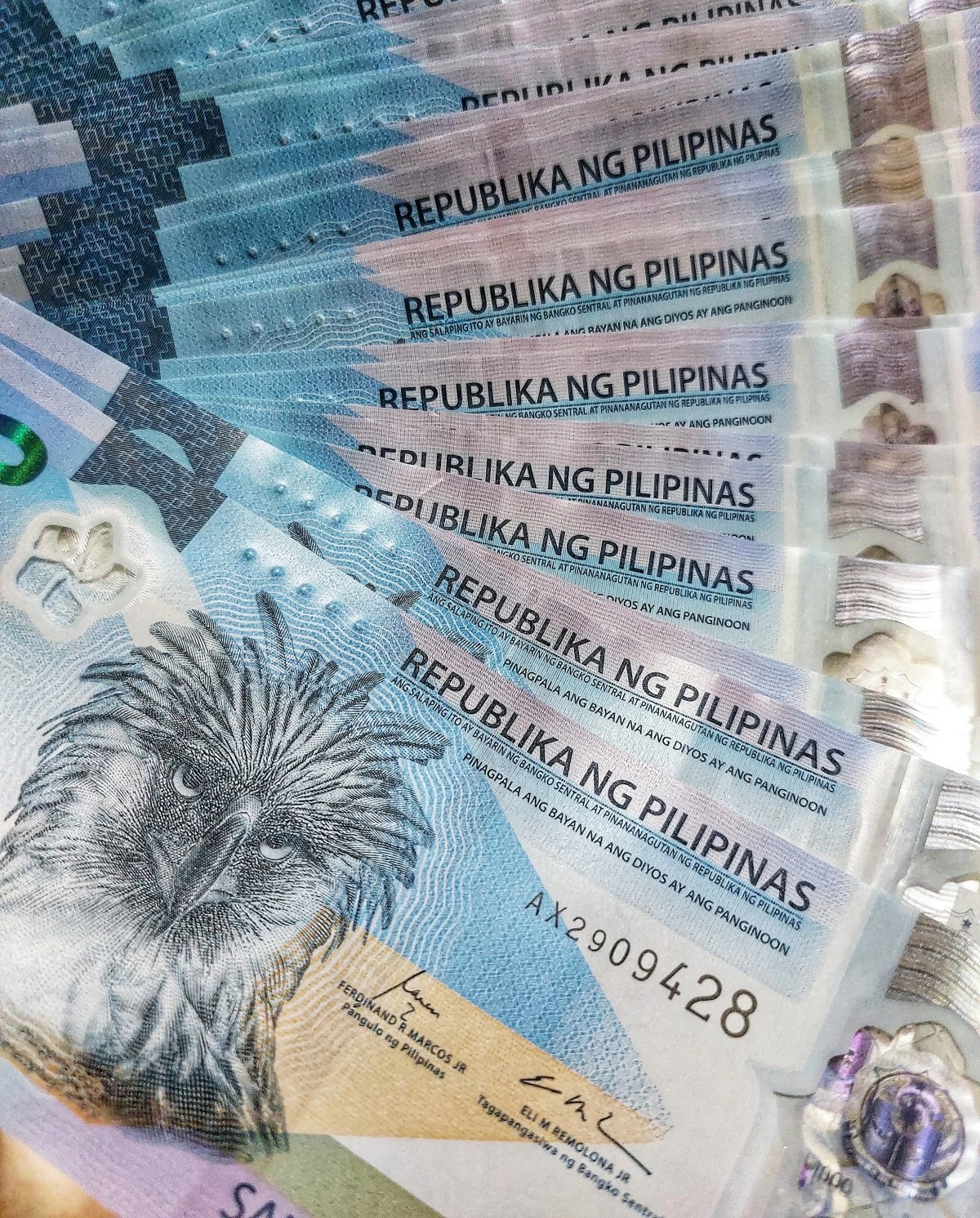
(MANILA BULLETIN)
(MANILA BULLETIN)


Parañaque City 2nd district Rep. Brian Yamsuan is pushing for an increase the Personnel Economic Relief Allowance (PERA) of government workers from P2,000 to P5,000 a month. 
Yamsuan said the PERA, which is granted to government employees to help them cushion the effects of inflation, has remained stuck at P2,000 a month for the past 17 years.
This, despite the various economic crises, global supply disruptions and rising prices of basic commodities that Filipinos have endured over the last 20 years.
“Ilan sa mga matinding naapektuhan nang tumataas na presyo ng bilihin, ng kuryente, pamasahe at iba pang pang-araw araw na gastusin ay ang ating mga public school teachers, public health workers, clerks at ‘yung mga maintenance personnel na mababa ang sahod. Patuloy na lumiliit ang value ng kanilang kita dahil sa inflation,” Yamsuan said. 
(Among those severely affected by the escalating prices of basic goods, electricity, transportation and other daily expenses are our public school teachers, public health workers, clerks, and maintenance personnel with low pay. The value of their income continues to diminish because of inflation.) 
“To restore PERA’s purpose as a genuine economic relief measure, we are proposing through House Bill (HB) 9475 to increase the allowance to P5,000 a month," he noted.
"By making this long overdue adjustment  to reflect the rising costs of living, our government workers can continue serving the public while being able to provide a decent life for themselves and their families,” Yamsuan added.  
With the purchasing power of the peso depreciating by more than 75 percent as compared to 17 years ago, buying the same basket of goods for P2,000 at that time would need more than double the amount today, he pointed out.
Under the bill, the PERA shall be granted to civilian personnel whether employed by the national or local governments, appointive or elective, and whether occupying regular, contractual or casual positions  covered by the Compensation and Position Classification Act (Republic Act No. 6758). The PERA hike also benefits military and uniformed personnel. 
Government personnel stationed abroad who are already receiving overseas allowances are not covered by the measure. 
The Department of Budget and Management (DBM), in coordination with the Civil Service Commission (CSC), Department of Economy, Planning and Development (DEPDev) and other relevant agencies, is tasked under the bill to conduct a review of the PERA every three years, to ensure that future adjustments take into account prevailing inflation rates, cost-of-living indicators, and the government’s fiscal sustainability. 
If the bill becomes law, funds to implement the PERA increase in its first year shall be drawn from the government’s savings, which include unreleased and other programmed appropriations. The amount necessary for the implementation of the hike in succeeding years shall be provided under the General Appropriations Act. 
The PERA was introduced more than 30 years ago through Budget Circular No. 4, series of 1991, which granted a P500 monthly allowance to qualified government workers occupying itemized plantilla positions.
In 2009, an additional P1,500 was added to the PERA,  for a total of P2,000, which has remained fixed up to now despite rising living costs and the eroding value of the peso.

Related Tags

Brian Raymund Yamsuan PERA
ADVERTISEMENT
.most-popular .layout-ratio{ padding-bottom: 79.13%; } @media (min-width: 768px) and (max-width: 1024px) { .widget-title { font-size: 15px !important; } }

{{ articles_filter_1561_widget.title }}

.most-popular .layout-ratio{ padding-bottom: 79.13%; } @media (min-width: 768px) and (max-width: 1024px) { .widget-title { font-size: 15px !important; } }

{{ static_articles_1562_widget.title }}

.most-popular .layout-ratio{ padding-bottom: 79.13%; } @media (min-width: 768px) and (max-width: 1024px) { .widget-title { font-size: 15px !important; } }

{{ articles_filter_1563_widget.title }}

{{ articles_filter_1564_widget.title }}

.mb-article-details { position: relative; } .mb-article-details .article-body-preview, .mb-article-details .article-body-summary{ font-size: 17px; line-height: 30px; font-family: "Libre Caslon Text", serif; color: #000; } .mb-article-details .article-body-preview iframe , .mb-article-details .article-body-summary iframe{ width: 100%; margin: auto; } .read-more-background { background: linear-gradient(180deg, color(display-p3 1.000 1.000 1.000 / 0) 13.75%, color(display-p3 1.000 1.000 1.000 / 0.8) 30.79%, color(display-p3 1.000 1.000 1.000) 72.5%); position: absolute; height: 200px; width: 100%; bottom: 0; display: flex; justify-content: center; align-items: center; padding: 0; } .read-more-background a{ color: #000; } .read-more-btn { padding: 17px 45px; font-family: Inter; font-weight: 700; font-size: 18px; line-height: 16px; text-align: center; vertical-align: middle; border: 1px solid black; background-color: white; } .hidden { display: none; }
function initializeAllSwipers() { // Get all hidden inputs with cms_article_id document.querySelectorAll('[id^="cms_article_id_"]').forEach(function (input) { const cmsArticleId = input.value; const articleSelector = '#article-' + cmsArticleId + ' .body_images'; const swiperElement = document.querySelector(articleSelector); if (swiperElement && !swiperElement.classList.contains('swiper-initialized')) { new Swiper(articleSelector, { loop: true, pagination: false, navigation: { nextEl: '#article-' + cmsArticleId + ' .swiper-button-next', prevEl: '#article-' + cmsArticleId + ' .swiper-button-prev', }, }); } }); } setTimeout(initializeAllSwipers, 3000); const intersectionObserver = new IntersectionObserver( (entries) => { entries.forEach((entry) => { if (entry.isIntersecting) { const newUrl = entry.target.getAttribute("data-url"); if (newUrl) { history.pushState(null, null, newUrl); let article = entry.target; // Extract metadata const author = article.querySelector('.author-section').textContent.replace('By', '').trim(); const section = article.querySelector('.section-info ').textContent.replace(' ', ' '); const title = article.querySelector('.article-title h1').textContent; // Parse URL for Chartbeat path format const parsedUrl = new URL(newUrl, window.location.origin); const cleanUrl = parsedUrl.host + parsedUrl.pathname; // Update Chartbeat configuration if (typeof window._sf_async_config !== 'undefined') { window._sf_async_config.path = cleanUrl; window._sf_async_config.sections = section; window._sf_async_config.authors = author; } // Track virtual page view with Chartbeat if (typeof pSUPERFLY !== 'undefined' && typeof pSUPERFLY.virtualPage === 'function') { try { pSUPERFLY.virtualPage({ path: cleanUrl, title: title, sections: section, authors: author }); } catch (error) { console.error('ping error', error); } } // Optional: Update document title if (title && title !== document.title) { document.title = title; } } } }); }, { threshold: 0.1 } ); function showArticleBody(button) { const article = button.closest("article"); const summary = article.querySelector(".article-body-summary"); const body = article.querySelector(".article-body-preview"); const readMoreSection = article.querySelector(".read-more-background"); // Hide summary and read-more section summary.style.display = "none"; readMoreSection.style.display = "none"; // Show the full article body body.classList.remove("hidden"); } document.addEventListener("DOMContentLoaded", () => { let loadCount = 0; // Track how many times articles are loaded const offset = [1, 2, 3, 4, 5, 6, 7, 8, 9, 10]; // Offset values const currentUrl = window.location.pathname.substring(1); let isLoading = false; // Prevent multiple calls if (!currentUrl) { console.log("Current URL is invalid."); return; } const sentinel = document.getElementById("load-more-sentinel"); if (!sentinel) { console.log("Sentinel element not found."); return; } function isSentinelVisible() { const rect = sentinel.getBoundingClientRect(); return ( rect.top < window.innerHeight && rect.bottom >= 0 ); } function onScroll() { if (isLoading) return; if (isSentinelVisible()) { if (loadCount >= offset.length) { console.log("Maximum load attempts reached."); window.removeEventListener("scroll", onScroll); return; } isLoading = true; const currentOffset = offset[loadCount]; window.loadMoreItems().then(() => { let article = document.querySelector('#widget_1690 > div:nth-last-of-type(2) article'); intersectionObserver.observe(article) loadCount++; }).catch(error => { console.error("Error loading more items:", error); }).finally(() => { isLoading = false; }); } } window.addEventListener("scroll", onScroll); });

Sign up by email to receive news.