

ADVERTISEMENT

Philippines among emerging markets most vulnerable to El Niño—S&P

Prolonged dry spell could worsen inflation risks

Published Jun 26, 2026 03:00 pm  |  Updated Jun 26, 2026 02:51 pm

At A Glance

  • Eight emerging market (EM) economies, including the Philippines, are likely to suffer from the severe impact of El Niño, S&P Global Ratings' projection revealed, warning that below-average rainfall would significantly impact water and electricity supply, as well as rice and corn production.
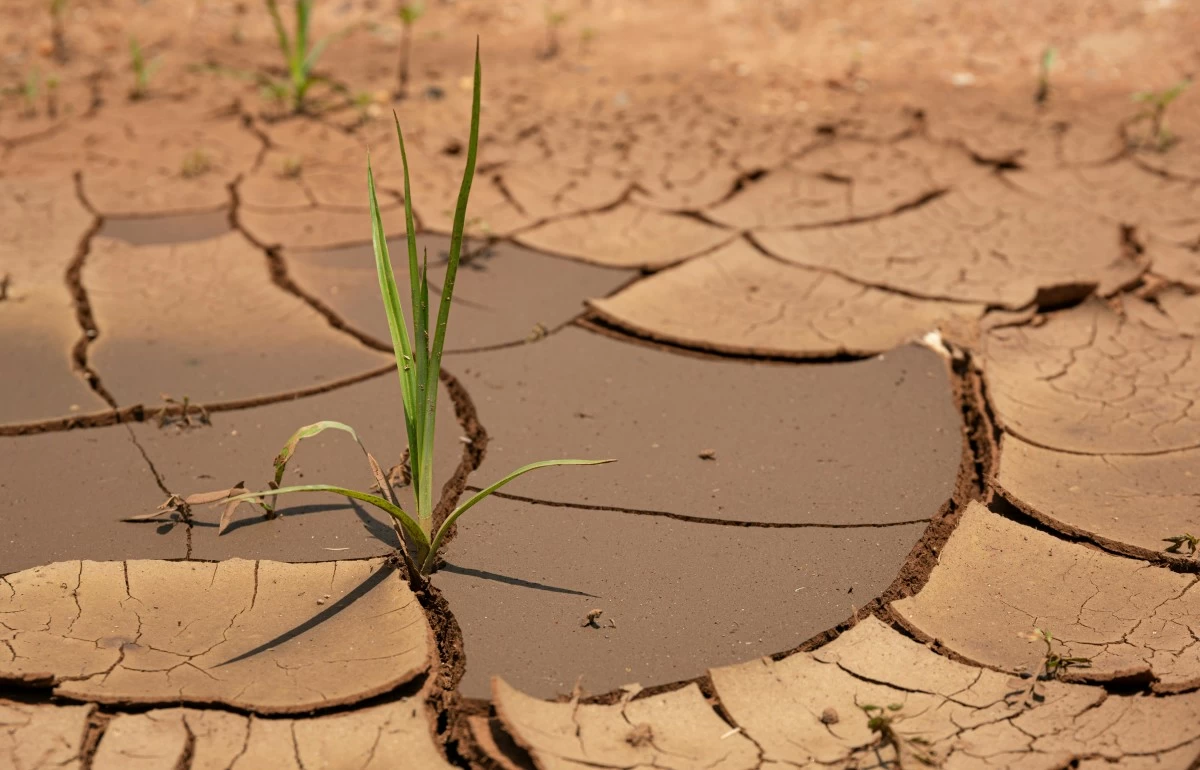
Eight emerging market (EM) economies, including the Philippines, are likely to suffer the severe effects of El Niño, S&P Global Ratings projected, warning that below-average rainfall could significantly affect water and electricity supply, as well as rice and corn production.

“Drought conditions in some countries impact both food crops and the generation of hydropower, while other countries suffer excessive rain leading to coastal flooding, fisheries disruption, and infrastructure damage,” S&P wrote in a June 25 report.

S&P noted that the Philippines is among the EMs that are “highly exposed” to risks linked to the weather phenomenon. The other seven are Thailand, India, Vietnam, Indonesia, Peru, South Africa, and Colombia.

El Niño has added to lingering inflationary pressure stemming from the Middle East conflict, with the emerging weather-related disruption threatening food security and utility costs. The local monetary authorities have already deployed measures to cushion the domestic economy.

Last week, the Bangko Sentral ng Pilipinas (BSP) delivered its second consecutive rate hike, raising the policy rate to 4.75 percent from 4.5 percent previously. BSP Governor Eli M. Remolona Jr. said the hawkish posture reflects persistent price pressures.

Other EM central banks that have raised interest rates are those of Indonesia, Sri Lanka, Colombia, and South Africa, suggesting that the inflationary environment has forced these regulators to adopt a defensive stance. Higher interest rates generally help tame inflation by weakening demand.

S&P also projected EM central banks to “refrain from loosening monetary policy” as inflation risks persist.

This cautious monetary environment reflects broader concerns over the country’s economic outlook. S&P recently revised its outlook for the Philippines, lowering it from “positive” to “stable.” The shift suggests that the potential for a rating upgrade has diminished amid a combination of risks.

Even before the looming climate risks, geopolitical instability had already weighed on the Philippine economy, as reflected in gross domestic product (GDP) growth. The local economy slowed to a five-year low of 2.8 percent in the first quarter of 2026.

According to S&P, the Philippines and Saudi Arabia received the sharpest downward revisions to their economic growth forecasts due to the spillover effects of the Middle East war. In its updated third-quarter economic outlook, S&P cut its forecast for the Philippines by 1.7 percentage points (ppts) to 4.1 percent from a previous estimate of 5.8 percent.

Data showed that the Philippines was one of only three EM countries where rating actions were “directly linked to the war.”

Relief measures have been implemented by the government to ease the financial burden on the private sector. The BSP allowed a six-month grace period for loan repayments for affected borrowers, and twice as long for agricultural loans.

However, S&P said structural risks remain, with banks in the Philippines, as well as those in Brunei and Thailand, highly exposed to large single borrowers. A default by the biggest borrower could erase more than a year’s worth of pre-tax earnings.

Related Tags

S&P Global Ratings El Niño
ADVERTISEMENT
.most-popular .layout-ratio{ padding-bottom: 79.13%; } @media (min-width: 768px) and (max-width: 1024px) { .widget-title { font-size: 15px !important; } }

{{ articles_filter_1561_widget.title }}

.most-popular .layout-ratio{ padding-bottom: 79.13%; } @media (min-width: 768px) and (max-width: 1024px) { .widget-title { font-size: 15px !important; } }

{{ static_articles_1562_widget.title }}

.most-popular .layout-ratio{ padding-bottom: 79.13%; } @media (min-width: 768px) and (max-width: 1024px) { .widget-title { font-size: 15px !important; } }

{{ articles_filter_1563_widget.title }}

{{ articles_filter_1564_widget.title }}

.mb-article-details { position: relative; } .mb-article-details .article-body-preview, .mb-article-details .article-body-summary{ font-size: 17px; line-height: 30px; font-family: "Libre Caslon Text", serif; color: #000; } .mb-article-details .article-body-preview iframe , .mb-article-details .article-body-summary iframe{ width: 100%; margin: auto; } .read-more-background { background: linear-gradient(180deg, color(display-p3 1.000 1.000 1.000 / 0) 13.75%, color(display-p3 1.000 1.000 1.000 / 0.8) 30.79%, color(display-p3 1.000 1.000 1.000) 72.5%); position: absolute; height: 200px; width: 100%; bottom: 0; display: flex; justify-content: center; align-items: center; padding: 0; } .read-more-background a{ color: #000; } .read-more-btn { padding: 17px 45px; font-family: Inter; font-weight: 700; font-size: 18px; line-height: 16px; text-align: center; vertical-align: middle; border: 1px solid black; background-color: white; } .hidden { display: none; }
function initializeAllSwipers() { // Get all hidden inputs with cms_article_id document.querySelectorAll('[id^="cms_article_id_"]').forEach(function (input) { const cmsArticleId = input.value; const articleSelector = '#article-' + cmsArticleId + ' .body_images'; const swiperElement = document.querySelector(articleSelector); if (swiperElement && !swiperElement.classList.contains('swiper-initialized')) { new Swiper(articleSelector, { loop: true, pagination: false, navigation: { nextEl: '#article-' + cmsArticleId + ' .swiper-button-next', prevEl: '#article-' + cmsArticleId + ' .swiper-button-prev', }, }); } }); } setTimeout(initializeAllSwipers, 3000); const intersectionObserver = new IntersectionObserver( (entries) => { entries.forEach((entry) => { if (entry.isIntersecting) { const newUrl = entry.target.getAttribute("data-url"); if (newUrl) { history.pushState(null, null, newUrl); let article = entry.target; // Extract metadata const author = article.querySelector('.author-section').textContent.replace('By', '').trim(); const section = article.querySelector('.section-info ').textContent.replace(' ', ' '); const title = article.querySelector('.article-title h1').textContent; // Parse URL for Chartbeat path format const parsedUrl = new URL(newUrl, window.location.origin); const cleanUrl = parsedUrl.host + parsedUrl.pathname; // Update Chartbeat configuration if (typeof window._sf_async_config !== 'undefined') { window._sf_async_config.path = cleanUrl; window._sf_async_config.sections = section; window._sf_async_config.authors = author; } // Track virtual page view with Chartbeat if (typeof pSUPERFLY !== 'undefined' && typeof pSUPERFLY.virtualPage === 'function') { try { pSUPERFLY.virtualPage({ path: cleanUrl, title: title, sections: section, authors: author }); } catch (error) { console.error('ping error', error); } } // Optional: Update document title if (title && title !== document.title) { document.title = title; } } } }); }, { threshold: 0.1 } ); function showArticleBody(button) { const article = button.closest("article"); const summary = article.querySelector(".article-body-summary"); const body = article.querySelector(".article-body-preview"); const readMoreSection = article.querySelector(".read-more-background"); // Hide summary and read-more section summary.style.display = "none"; readMoreSection.style.display = "none"; // Show the full article body body.classList.remove("hidden"); } document.addEventListener("DOMContentLoaded", () => { let loadCount = 0; // Track how many times articles are loaded const offset = [1, 2, 3, 4, 5, 6, 7, 8, 9, 10]; // Offset values const currentUrl = window.location.pathname.substring(1); let isLoading = false; // Prevent multiple calls if (!currentUrl) { console.log("Current URL is invalid."); return; } const sentinel = document.getElementById("load-more-sentinel"); if (!sentinel) { console.log("Sentinel element not found."); return; } function isSentinelVisible() { const rect = sentinel.getBoundingClientRect(); return ( rect.top < window.innerHeight && rect.bottom >= 0 ); } function onScroll() { if (isLoading) return; if (isSentinelVisible()) { if (loadCount >= offset.length) { console.log("Maximum load attempts reached."); window.removeEventListener("scroll", onScroll); return; } isLoading = true; const currentOffset = offset[loadCount]; window.loadMoreItems().then(() => { let article = document.querySelector('#widget_1690 > div:nth-last-of-type(2) article'); intersectionObserver.observe(article) loadCount++; }).catch(error => { console.error("Error loading more items:", error); }).finally(() => { isLoading = false; }); } } window.addEventListener("scroll", onScroll); });

Sign up by email to receive news.