







DOTr eyes Q3 start for LRT-2 privatization bidding


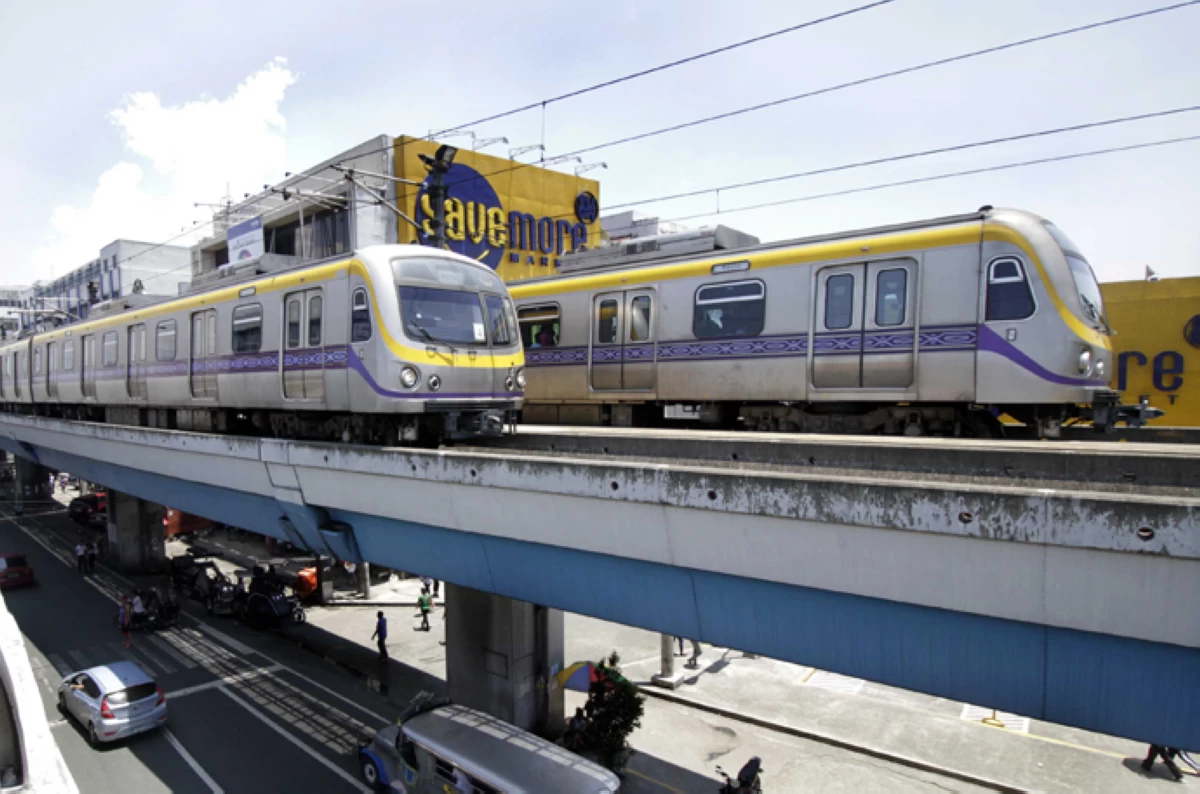
The bidding process to privatize Light Rail Transit Line 2 (LRT-2) is expected to begin as early as the third quarter of the year as the Department of Transportation (DOTr) moves to expand the railway’s daily passenger volume closer to its design capacity of 570,000.
Based on the latest project timeline, the DOTr will proceed with the tender process either in the third or fourth quarter once it receives approval for the public-private partnership (PPP) project for LRT-2.
Following the selection process, the winning bidder is scheduled to take over the rehabilitation, operations, and maintenance (RO&M) of the railway by the first quarter of 2028.
The DOTr has been actively pursuing the transfer of LRT-2 to the private sector to address budget constraints that have long delayed much-needed upgrades.
Designed to have a full operating capacity of 570,000 passengers per day, LRT-2 currently averages around 150,000 passengers daily.
At present, only 10 of the railway’s original 18 trainsets remain operational, while other components, such as signaling systems, are either suboptimal or out of service.
“This has caused peak-hour service with 10-minute intervals—more than the three-to-four-minute design capacity—resulting in a below-international-standard service level for passengers,” the DOTr said.
Through the PPP project, the DOTr intends to raise daily ridership to nearly 220,000 passengers by 2031 and to more than 450,000 by 2056.
Under the 30-year concession, the winning bidder will be tasked with operating and maintaining LRT-2 in line with international best practices.
This includes the acquisition of a new fleet of trains, the rehabilitation or replacement of railway systems, and the repair of infrastructure to comply with current seismic standards.
The future concessionaire will also build the new administration building of the Light Rail Transit Authority (LRTA), the DOTr-attached agency that currently manages LRT-2.
The DOTr said the total project cost is expected to reach around ₱41.9 billion, with the operator projected to recover its investment approximately 12 years after taking over the railway.
To ensure the success of the RO&M project, the agency said it would accept bids only from globally reputable mass transit operators with experience managing similar projects under PPP arrangements.
As part of these efforts, the DOTr said it is also seeking private sector partners to serve as the project’s independent consultant, independent safety assessor, and engineering, procurement, and construction (EPC) contractor.