







De La Salle University hosts 'Buhay Tulay'
Published Jun 26, 2026 07:53 pm


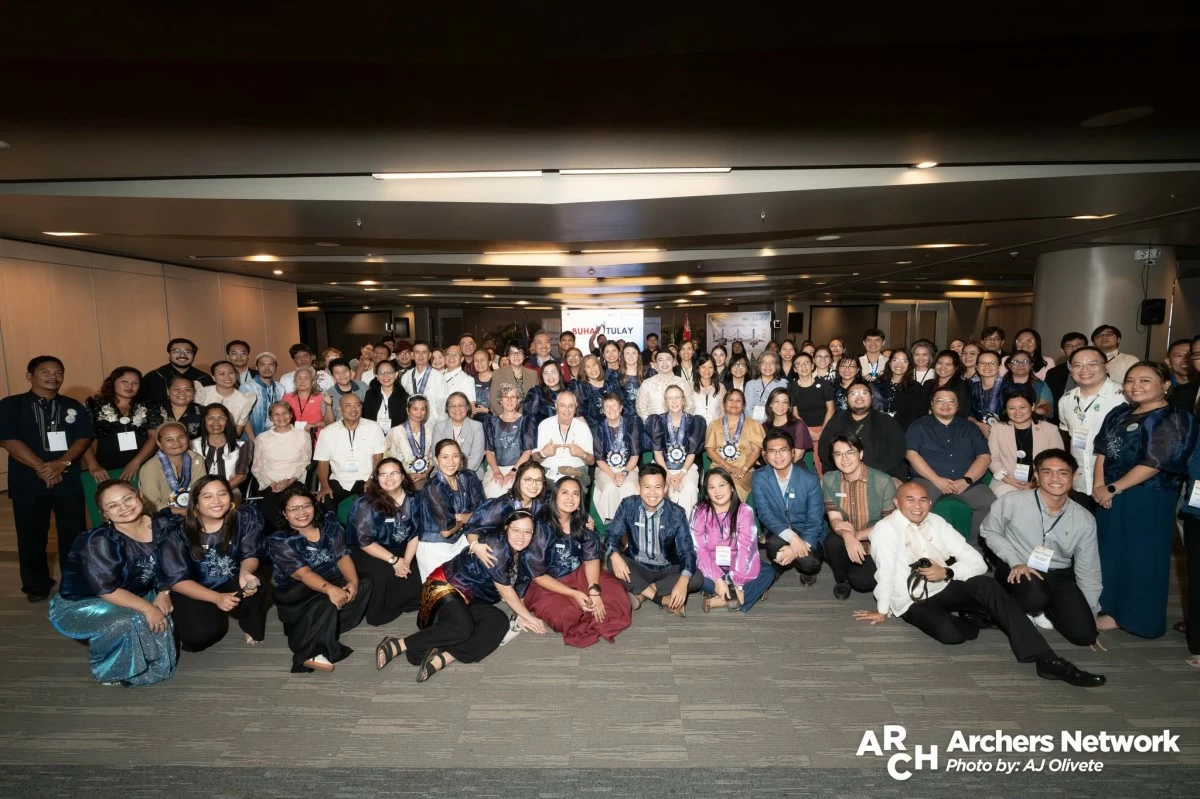
Photos courtesy of Archers Network
On Tuesday, May 26, 2026, the culminating event of the UK National Institute for Health and Care Research (NIHR) and UK International Development-funded TULAY Project was held at The Verdure, Henry Sy Sr. Hall, De La Salle University, Manila. Reflecting the lives empowered through the project, the celebration was entitled “BUHAY TULAY” with the theme, “Celebrating Healing and Hope After Stroke: Co-Designing Bridges through Strength and Shared Stories.”
The event brought together key stakeholders, including stroke survivors, caregivers, healthcare workers, local government units, and government officials from across the country.
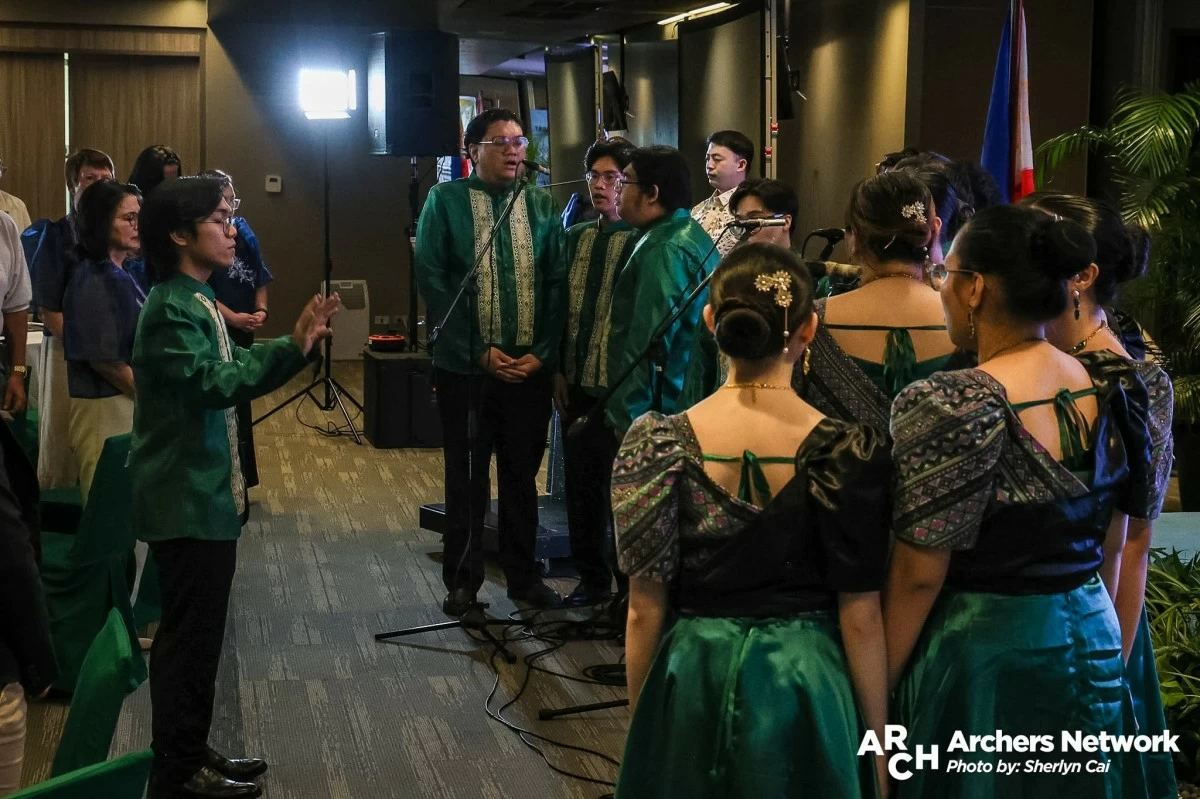
DLSU Chorale singing prayer and National Anthem
The program commenced with an invocation and the singing of the Philippine National Anthem led by the DLSU Chorale. This was followed by a welcome message from Dr. Nilo Bugtai, Founding Director of the Evelyn D. Ang Institute of Biomedical Engineering and Health Technologies, delivered by Dr. Francis Munsayac on his behalf. In his remarks, he recounted how the TULAY Project was established through the collaborative efforts and networks of the University of Plymouth and the Evelyn D. Ang Institute of Biomedical Engineering and Health Technologies of De La Salle University.
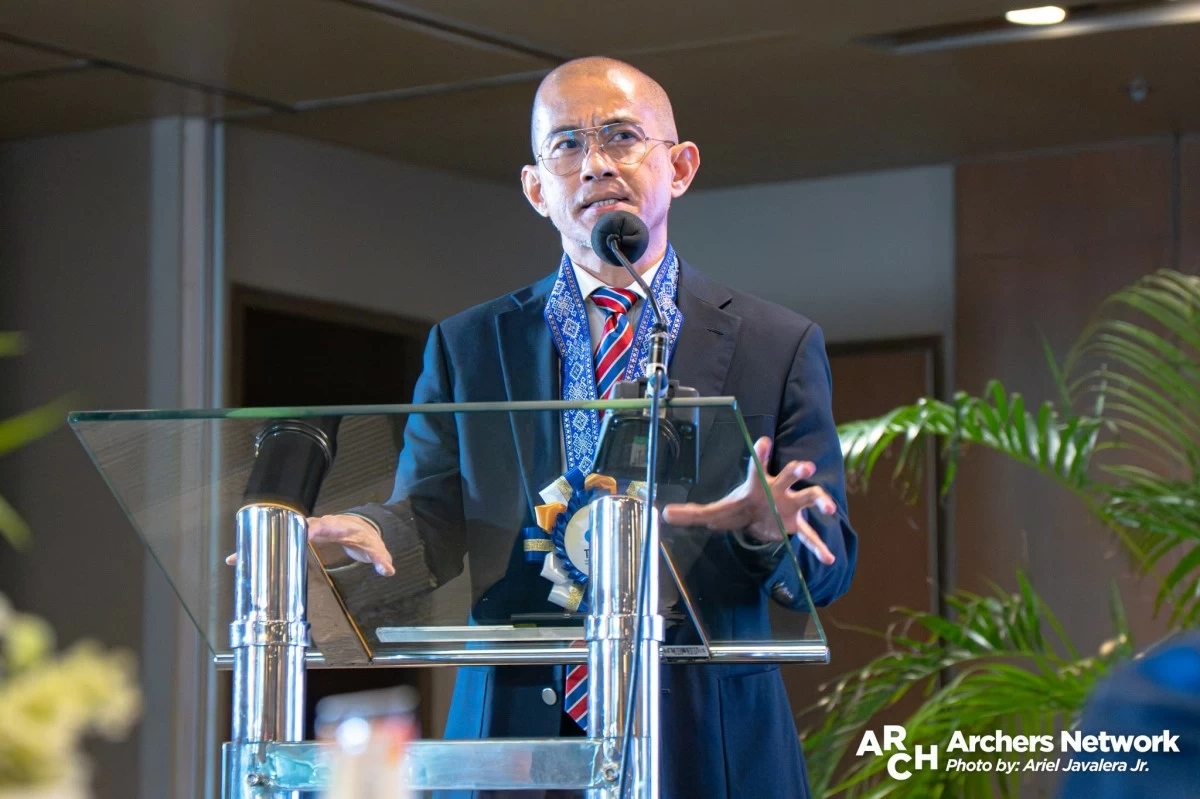
Dr. Raymond Tan's welcoming remarks
Dr. Raymond Tan, Vice President for Research and Innovation of De La Salle University, highlighted the multidisciplinary nature of the project’s partners and collaborators, emphasizing the value of shared knowledge and expertise. He also recognized the resilience of the stroke survivors who participated in the event and expressed hope that the initiatives and outcomes of the TULAY Project would eventually be institutionalized by the Philippine government.
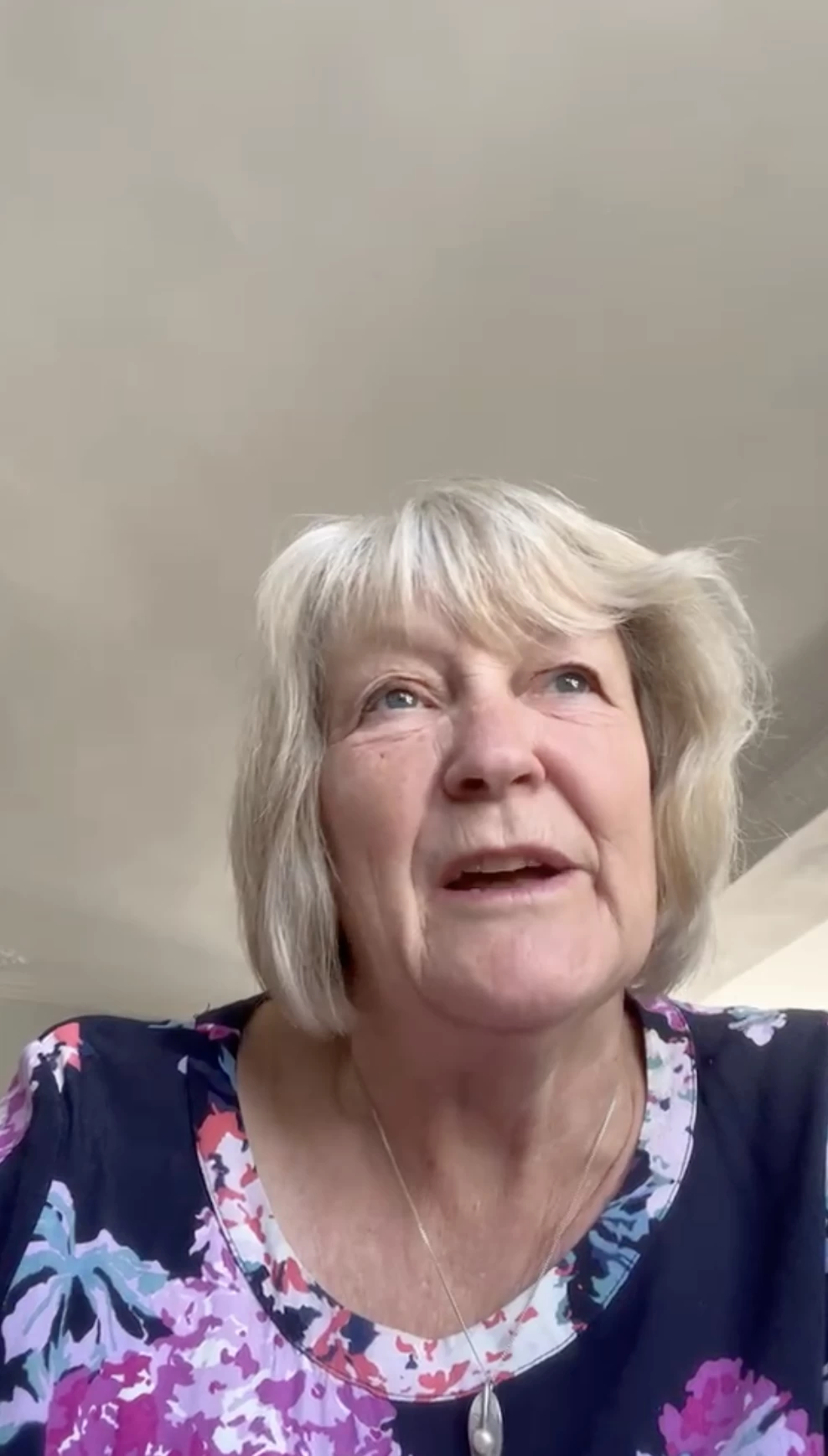
Ruth Endaccot - NIHR
Prof. Ruth Endacott, the Director for Nursing and Midwifery from the National Institute for Health and Care Research (NIHR) in a video greeting congratulated the project team and acknowledged how collaboration among diverse individuals and institutions from the Philippines and the United Kingdom has contributed to improving the lives of many people.
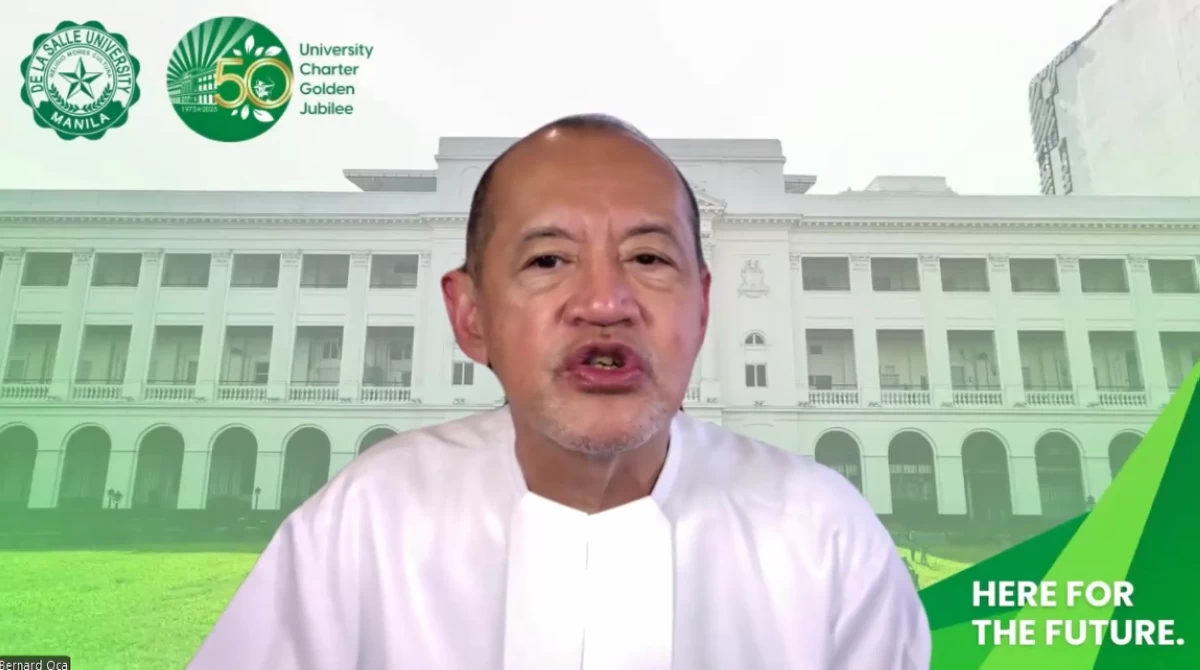
Bernard Oca's inspirational message
In a video message, Br. Bernard Oca FSC, University President, likened the mission of the TULAY Project to the University’s core values. He explained that Faith harmonizes knowledge with compassion, ensuring that research remains grounded in and responsive to real-world needs. Service calls individuals to become instruments of inclusive and empowering social transformation rooted in Filipino solidarity, recognizing stroke survivors not merely as recipients of care but also as advocates, leaders, and co-creators of solutions. Finally, Communion reminds us that healing does not occur in isolation but flourishes through partnerships, shared stories, and a collective sense of purpose.
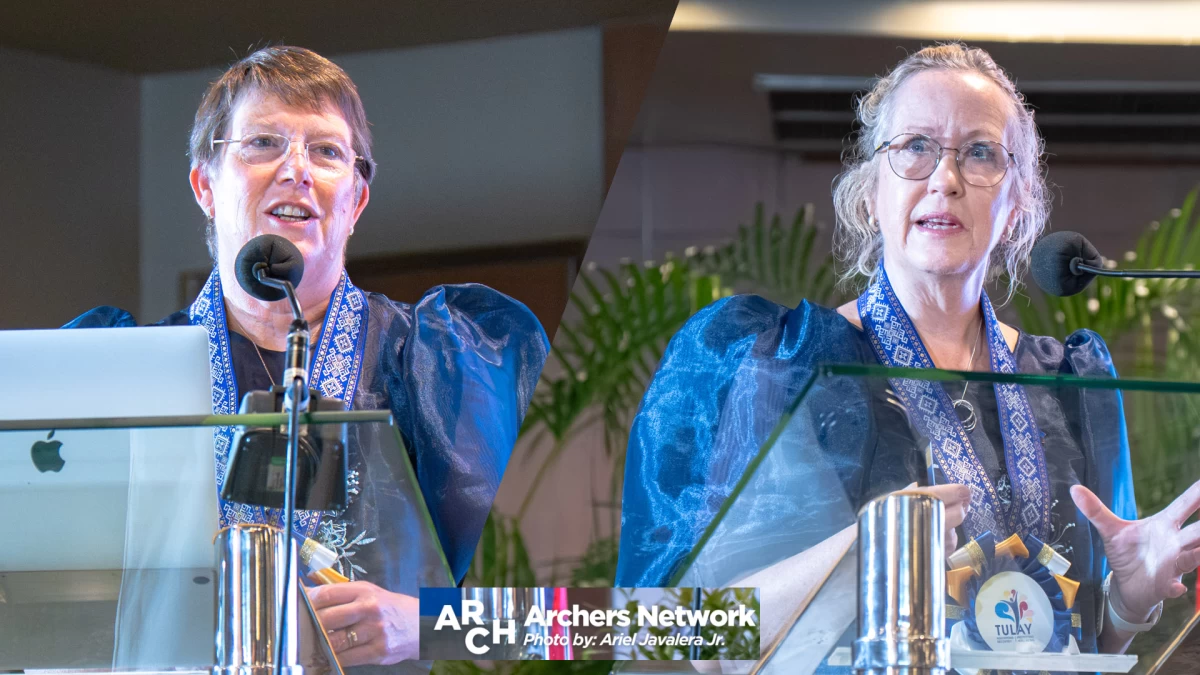
Bridie and Fiona
Introduction to TULAY
Following the opening messages, Prof. Bridie Kent, Overall Lead of the TULAY Project from the University of Plymouth, together with Prof. Fiona Jones of the Bridges Self-Management Programme and City St George’s, University of London, introduced the TULAY Project—Tulong, Ugnayan ng Lingap At gabaY. They shared how the project evolved from existing partnerships, collaborative networks, and emerging ideas, eventually expanding to various project sites across the Philippines.
Prof. Kent highlighted the extensive efforts undertaken by the regional teams in gathering data. Despite challenging terrains and the need to travel across islands and seas, the teams successfully collected information necessary for establishing a national database of stroke survivors and conducting community surveys. These data are expected to support evidence-based decision-making and future stroke-related initiatives. Findings revealed that a majority of stroke survivors in both rural and urban communities belonged to low-income households, with hypertension identified as the most common risk factor prior to experiencing a stroke. Stroke survivors also shared their perspectives on what effective and accessible stroke rehabilitation should look like.
A major challenge identified was that rehabilitation services were often financed through out-of-pocket expenses, which further compounded the burden on stroke survivors and their families, many of whom were already experiencing financial hardship.
Prof. Fiona Jones then presented the experiences of stroke survivors, family caregivers, and healthcare providers. During the early phases of the research, rehabilitation emerged as one of the most significant gaps in stroke care. Many patients had limited access to rehabilitation services, while Barangay Health Workers (BHWs), despite being central to community-based care, often lacked specialized skills in stroke rehabilitation and faced heavy workloads. Access to healthcare was frequently weighed against meeting basic household needs, contributing to delays in seeking care and treatment. Interviews conducted during the project further revealed that stroke affects not only the survivor but the entire household, as families often assume the primary caregiving role. Despite limited resources, survivors and their families demonstrated remarkable resilience, adaptability, and creativity in managing their circumstances.
Prof. Jones also discussed the co-design journey of the TULAY Project, from planning and development to implementation. She emphasized that co-design is undertaken with communities rather than for communities, ensuring that project outputs are practical, culturally appropriate, and responsive to local contexts. The co-design sessions brought together stroke survivors, family members, Barangay Health Workers, healthcare professionals, and local leaders. These sessions created safe spaces for sharing experiences, identifying genuine community needs, and building the foundations for meaningful collaboration.
As a result of the co-design process, several community-based stroke resources were developed, including five posters and tarpaulins, a caregiver pamphlet, a stroke support group pamphlet, an LGU Stroke Team brochure, five self-management and stroke survivor booklets, and a services directory booklet.
The project also strengthened community empowerment through a range of capacity-building initiatives, including five TULAY Champions Training sessions, the formalization of four Stroke Survivor Support Groups, two Caregiver Support Groups, one Rural Health Unit (RHU) Stroke Team, and one Barangay Support Group led by a trained TULAY Champion.
Central to the empowerment component of the project was the TULAY Champions Training, which equips stroke survivors with the knowledge, skills, and confidence to advocate for and support fellow stroke survivors within their communities using the TULAY Framework.
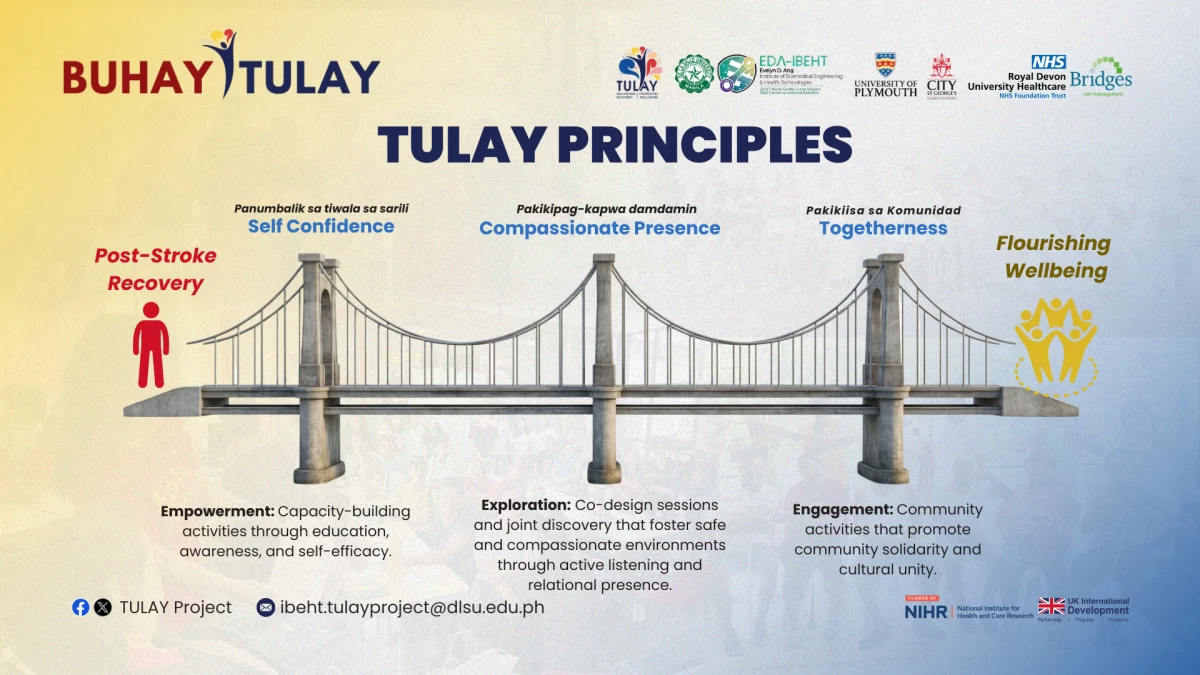
Tulay principles
The TULAY Framework itself was developed through extensive collaboration with stroke survivors, families, caregivers, Barangay Health Workers, healthcare professionals, and government stakeholders. Drawing from their collective experiences and insights, the framework serves as a guide for promoting community-based stroke rehabilitation and support.
Although the project has yet to formally conclude, Prof. Kent shared several promising initial findings. These include positive behavioral changes among participants, improvements in health and well-being, increased skills and knowledge, and emerging policy developments at both regional and local levels.
Prof. Kent quoted Prof. Jones, “TULAY shows that recovery does not happen in hospitals alone—it happens in communities, families, and relationships. By building those ‘bridges,’ we can enable better recovery for all Filipinos.”
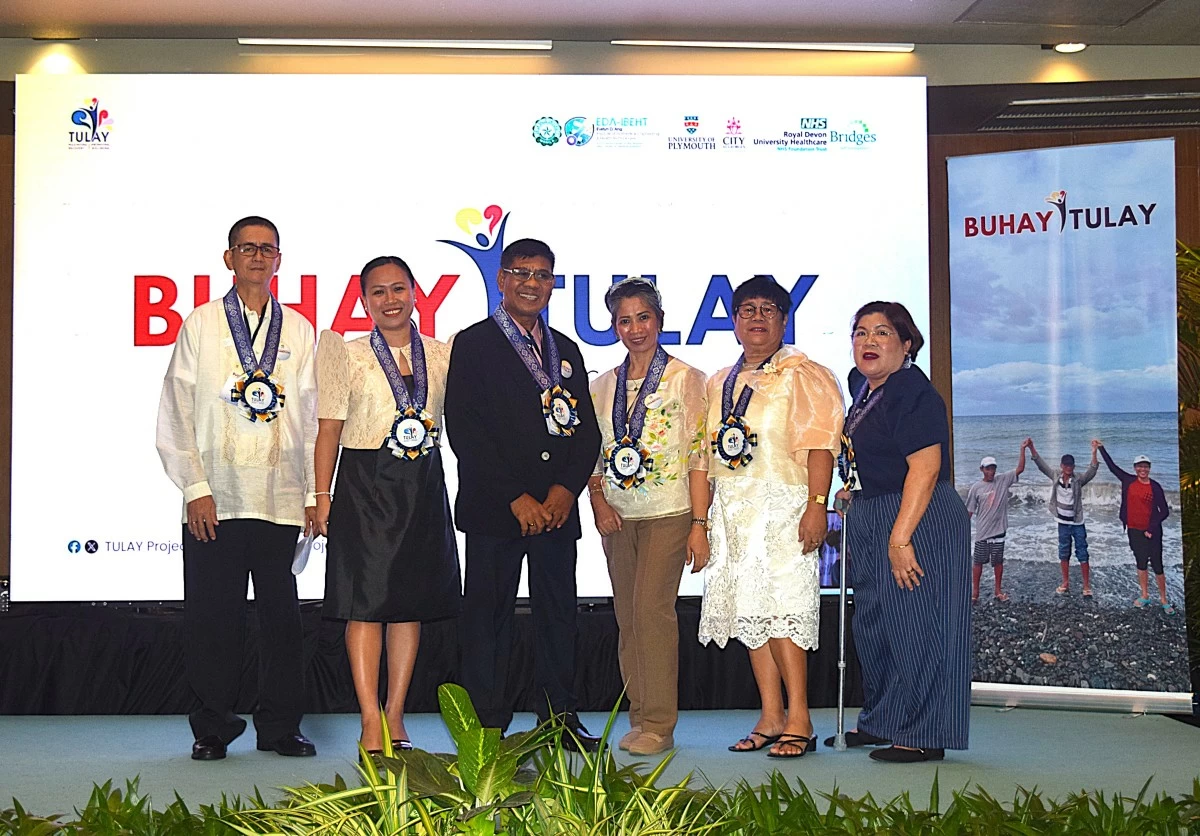
Tulay champions
The TULAY Showcase
Demonstrating the impact of the TULAY Project on stroke survivors, Ms. Alyssa Dar Juan, TULAY Lead Researcher, presented the TULAY Principles and Framework. She explained how the framework fosters self-confidence by improving community stroke literacy, promoting self-management, and building confidence among stroke survivors. She also highlighted the principle of compassionate presence, embodied through pakikipagkapwa and genuine togetherness with the community, emphasizing that meaningful support is achieved by being present and walking alongside individuals in their recovery journey.
Mr. Rizal Rosales and Ms. Maricel Bikonte, both stroke survivors from Las Piñas City, shared their inspiring healing journeys—from being stroke survivors themselves to becoming TULAY Champions and founders of the Brgy. Talon Singko Stroke Support Group. They demonstrated their own kamustahan sessions, which provide safe and supportive spaces for fellow stroke survivors to share their experiences and challenges. Beyond these sessions, they also conduct home visits to support other survivors in their recovery. They shared that their commitment to service is driven by their faith in God and their inspiration from the TULAY Project, with the support of their barangay kagawad, Ms. Paula Lim.
In the presentation titled “Moving Forward with Life (Padayon sa Kabuhi),” Mr. Benny Sencio, a stroke survivor and TULAY Champion from Culasi, Antique, recounted his experiences living with stroke and discussed the importance of healthy living and continued rehabilitation in preventing a second stroke. He emphasized how the principles of TULAY resonated not only with him but also with his family and community. Joining him was Ms. Rowena Solano, a caregiver and fellow TULAY Champion, who shared her experiences as a carer and reflected on how rehabilitation supports healing and recovery. She expressed her appreciation for the knowledge gained through the program and the sense of community she experienced throughout the journey. More importantly, she shared how the project transformed her perspective on caregiving by giving her hope, strength, and a deeper understanding that healing becomes possible when people work together.
Representing the healthcare initiatives in Initao, TULAY Champions Ms. Lilith Ladera, a nurse, and Ms. Evelyn Jariol, a Barangay Health Worker, presented “LUPAD Initao: Lig-on nga Ugnayan, Para sa Atong Dugang-Kusog.” Through their presentation, they demonstrated how they translated the lessons and experiences gained from the co-design sessions and TULAY Champions Training into meaningful community-based initiatives. They highlighted how the program equipped them with the skills and knowledge necessary to support stroke rehabilitation within their locality. Furthermore, they proudly shared that the Municipality of Initao passed an ordinance recognizing the contributions and impact of the TULAY Project on the community. The ordinance also provides budgetary support to sustain and further expand stroke-related programs and services in the municipality.
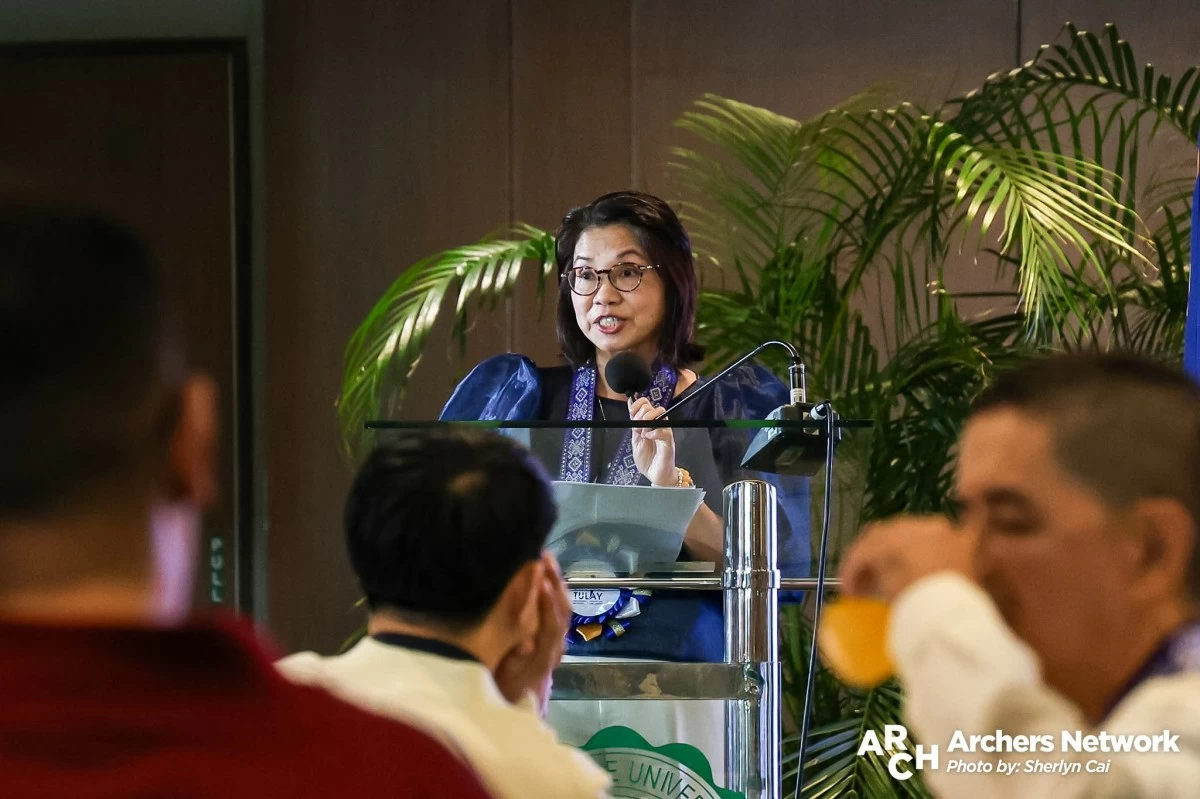
Dr.Estrada's call to action
Call to Action
Following the presentations of the stroke survivors, caregivers, healthcare workers, and community champions, Dr. Myrna Estrada delivered a call to action grounded in the evidence generated through the TULAY Project. Drawing from the project's research studies and publications, she presented a comprehensive picture of the current stroke situation in the Philippines and outlined key recommendations for strengthening stroke rehabilitation and support systems nationwide.
Strengthening Stroke Rehabilitation
Dr. Estrada emphasized the need to shift from a model of medical authority to one of partnership, where healthcare providers actively engage and empower stroke survivors throughout their recovery journey. She highlighted the importance of upskilling frontline Barangay Health Workers (BHWs) to bring rehabilitation services closer to communities and improve access for stroke survivors who face barriers to care.
Recognizing the crucial role of family caregivers, she also advocated for the routine assessment of caregiver strain to reduce employment conflicts, alleviate caregiving burdens, and preserve family livelihoods. She noted that a majority (66.9%) of informal stroke caregivers live below the poverty threshold or earn less than ₱100,000 annually, underscoring the significant socioeconomic challenges faced by families affected by stroke.
Drawing from the lived experiences of stroke survivors and caregivers, Dr. Estrada further emphasized the importance of promoting self-management, enabling stroke survivors to transition from hospital discharge toward greater independence and sustained recovery within their communities.
Institutionalizing Community-Based Stroke Care
To ensure the sustainability and wider adoption of the TULAY model, Dr. Estrada proposed several institutional reforms. These include updating national clinical guidelines by formally integrating the co-designed TULAY Community Stroke Self-Management Guidelines into the official Department of Health (DOH) and Philippine Academy of Rehabilitation Medicine (PARM) Clinical Practice Guidelines for nationwide implementation.
She also called for the standardization of community-based stroke rehabilitation through the deployment of the specialized TULAY Manual across Rural Health Units (RHUs) and Persons with Disability Affairs Offices (PDAOs), thereby establishing consistent home-based rehabilitation pathways throughout the country.
In addition, she recommended the institutionalization of TULAY Champions Training under the DOH Academy, enabling Barangay Health Workers to become certified TULAY Champions equipped to support stroke survivors and their families at the community level.
Expanding PhilHealth Support
Dr. Estrada likewise urged PhilHealth to strengthen its support for stroke rehabilitation by financing rehabilitation services delivered at the community level. Such investments would help reduce the high out-of-pocket expenditures currently borne by stroke survivors and their families and improve access to long-term rehabilitation services.
Recommendations for Policymakers and Stakeholders
- Addressing policymakers, government agencies, and development partners, Dr. Estrada underscored the need to:
- Co-create programs and interventions with communities rather than merely for them;
- Invest in health systems that extend beyond hospital-based care;
- Recognize rehabilitation as a fundamental right rather than a privilege;
- Strengthen the involvement of Persons with Disability Affairs Offices (PDAOs) and related funding mechanisms;
- Integrate community-based stroke rehabilitation into Department of Health programs;
- Expand PhilHealth coverage for rehabilitation services;
- Support local government units in implementing community-based stroke initiatives; and
- Allocate sustainable funding for rehabilitation services, not solely for acute and hospital-based care.
Legislative and Local Government Support
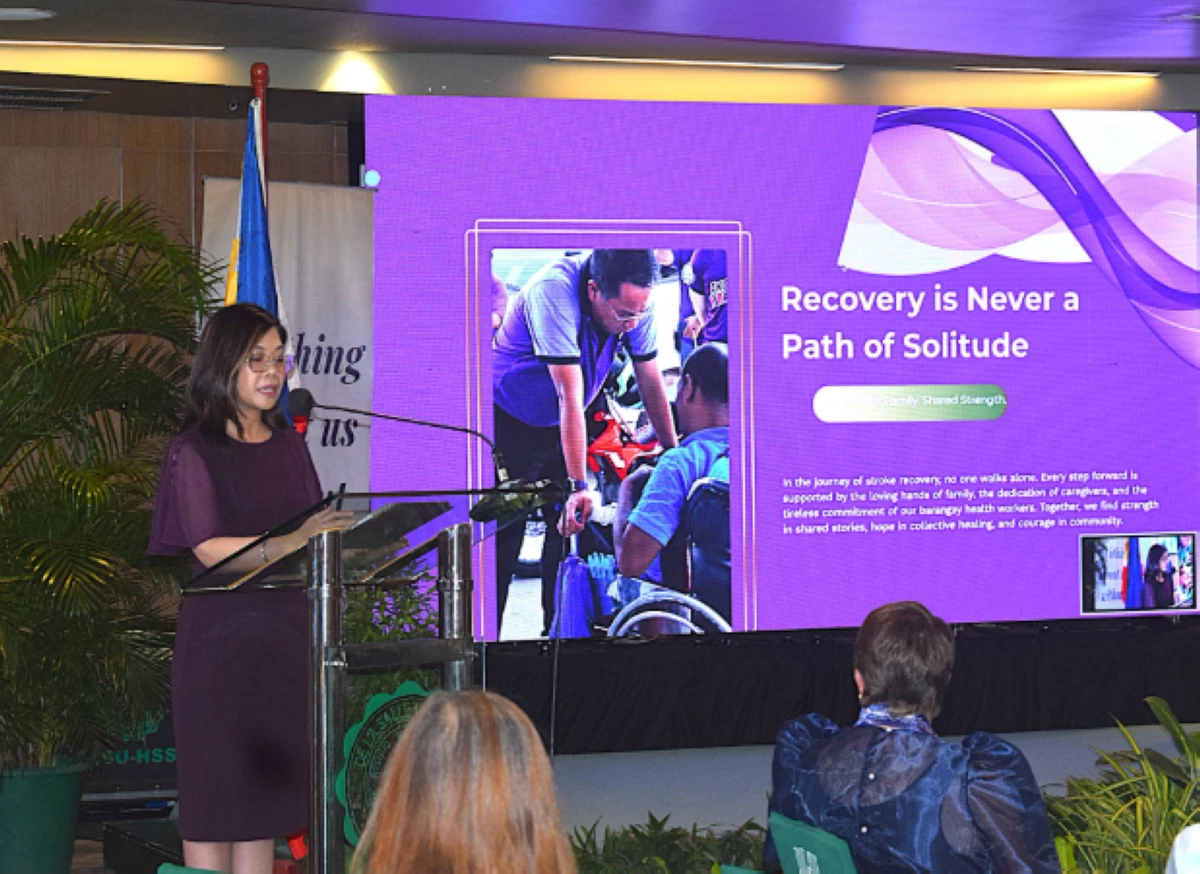
Carmina Bernardo on behalf of Cong. Emano
On behalf of Hon. Deputy Speaker Bambi B. Emano, Ms. Carmina Karen Bernardo acknowledged the contributions and achievements of the TULAY Project. She subsequently introduced House Bill No. 9300, also known as the TULAY Bill, which seeks to institutionalize key components of community-based stroke care. Among its proposed provisions are the establishment of national stroke care continuity programs, support for local government units in developing stroke registries and rehabilitation plans, the strengthening of referral systems between hospitals and community support groups, and the promotion of sustainable financing mechanisms for rehabilitation services.
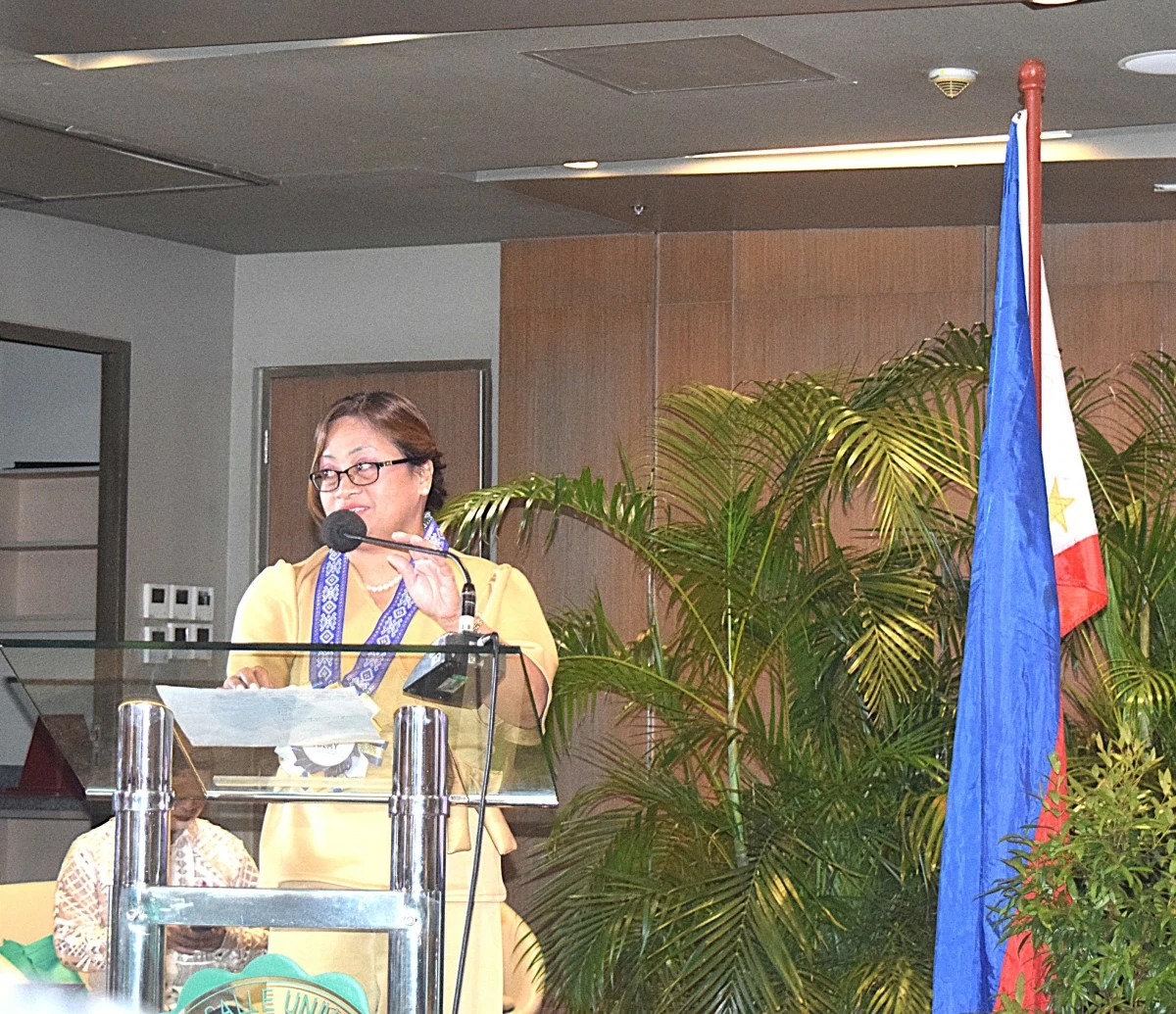
Mayor Acain of Initao
Demonstrating how the project has already influenced local governance, Hon. Mayor Mercy Grace Acain shared the initiatives undertaken by the Municipality of Initao. The municipality has enacted an ordinance supporting the implementation of the TULAY Project for stroke rehabilitation. The ordinance provides funding for rehabilitation programs, procurement of equipment, hiring of physical therapists, training of trainers, establishment of a municipal stroke registry, and continued support for stroke survivors within the community. These initiatives serve as a model of how local governments can translate research findings into sustainable community action and policy.
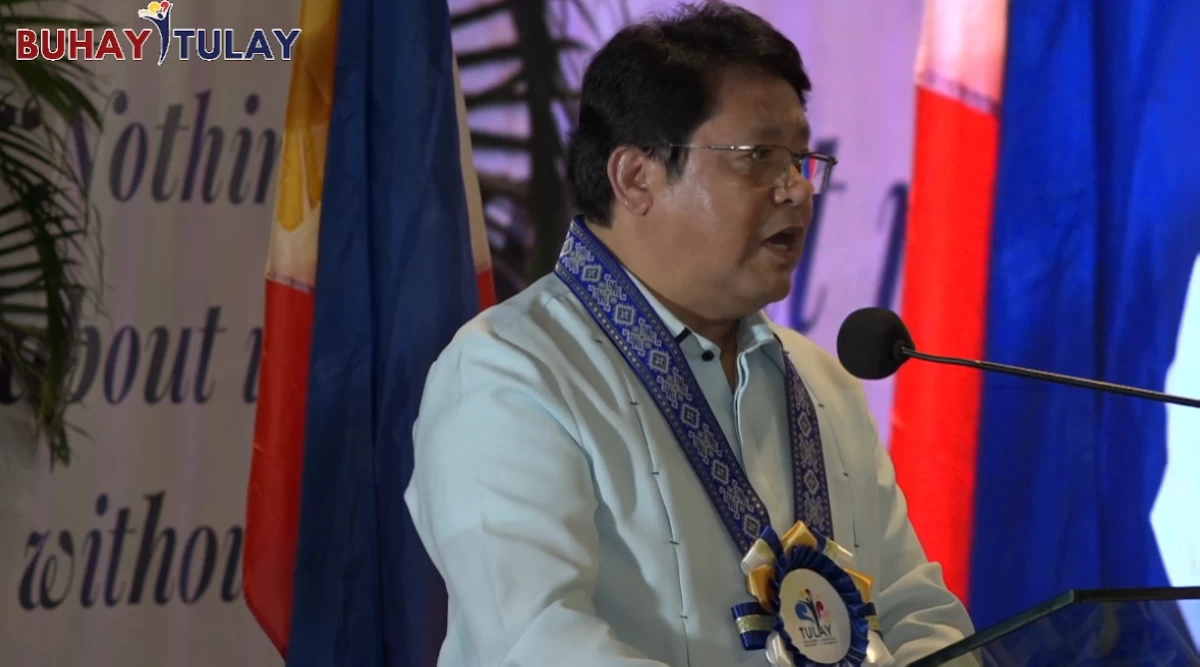
Dr. Subaan on behalf of DOH
Further reinforcing the Department of Health's commitment to stroke rehabilitation and community-based care, Director Adriano Suba-an, Director IV of the Department of Health Disease Prevention and Control Bureau, outlined the agency's commitments moving forward.
At the national level, Director Suba-an affirmed the Department of Health's commitment to continuously advancing policies, technical guidance, programs, and partnerships that promote people-centered rehabilitation. He emphasized the importance of sustaining efforts across the continuum of care by aligning post-stroke recovery initiatives with strategies for prevention, early detection, treatment, long-term care, and secondary prevention.
At the local level, he underscored the Department's commitment to supporting local government units, healthcare facilities, and frontline health workers in strengthening the delivery of rehabilitation and support services for stroke survivors within their communities.
Director Suba-an also highlighted the importance of strengthening collaborations among academic institutions, professional organizations, civil society groups, and community-based organizations. Through these partnerships, he expressed optimism that innovative, evidence-based, and community-driven approaches to stroke rehabilitation can be sustained and expanded nationwide, ensuring that more Filipinos have access to quality rehabilitation services and opportunities for recovery.
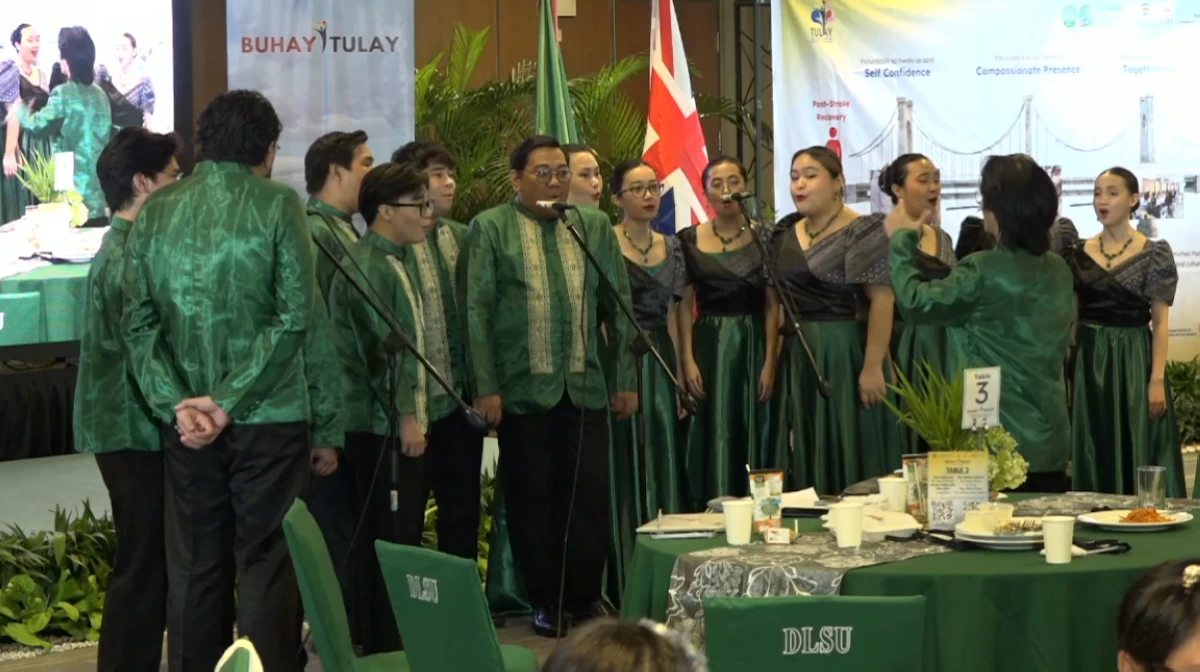
DLSU Chorale during lunch
During the lunch break, the DLSU Chorale serenaded the audience with three Filipino pieces: Handog ng Pilipino sa Mundo, Awit ng Barkada, and Isang Awit.
Mike Welch's message of collaboration
Message of Collaboration
Mr. Mike Welch, Deputy Ambassador of the British Embassy in Manila, delivered a message of collaboration recognizing the strong partnership between the United Kingdom and the Philippines in science, health, and innovation, and its positive impact on communities across the country.
He highlighted how this collaboration has supported initiatives like the TULAY Project, which centers on improving health outcomes through inclusive, community-driven approaches. He emphasized that the success of such programs is rooted in shared commitment and mutual learning between both countries and their partners.
He concluded his message with the principle of “Walang Iwanan: Leaving no one behind,” underscoring that patients, communities, and lived experiences remain at the heart of the TULAY Project and its continuing efforts to promote equitable and compassionate care.
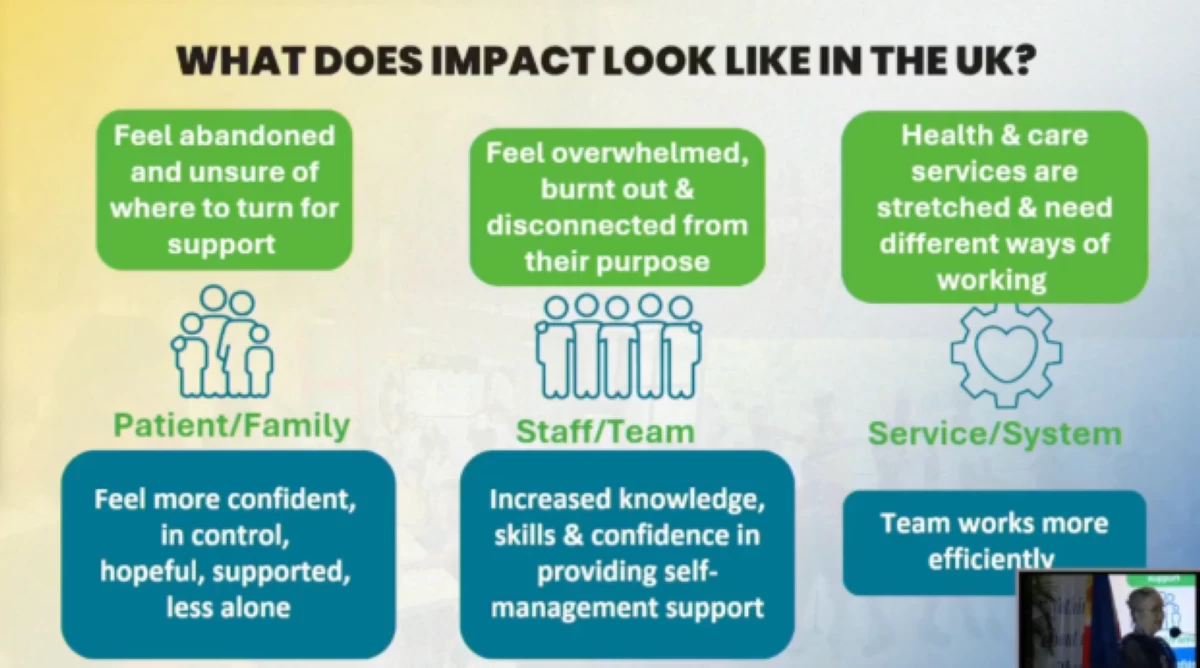
Fiona Jones' talk on Bridges' approach
Curiosity, Connections and Padayon: Building Bridges for Stroke Support in the Philippines. Bridges to TULAY
Prof. Fiona Jones, MBE, Chief Executive Officer of Bridges Self-Management in the United Kingdom, delivered a talk entitled “Curiosity, Connections and Padayon: Building Bridges for Stroke Support in the Philippines. Bridges to TULAY.”
She introduced the development of the Bridges Self-Management approach, explaining how it has been designed, tested, refined, and embedded across multiple healthcare settings in the UK. Originally developed within stroke care, the approach has since expanded to support individuals with other long-term conditions. She emphasized that this evolution was made possible through a strong co-design process, which created opportunities for people to be heard, build meaningful relationships with their communities, and continuously explore what individuals truly need and want in their recovery journey.
Prof. Jones highlighted that sustaining the Bridges (TULAY) approach requires it to be grounded in community ownership and shared success. She emphasized that meaningful change takes time, effort, and creativity, and is achieved through many small, consistent steps rather than immediate transformation.
She further shared the impact of the Bridges approach in the United Kingdom. For patients and families, it has contributed to increased confidence, greater sense of control, improved hope, and reduced feelings of isolation. For healthcare professionals and teams, it has strengthened knowledge, skills, and confidence in delivering self-management support. At the system level, it has improved efficiency by helping services and teams work more collaboratively and effectively.
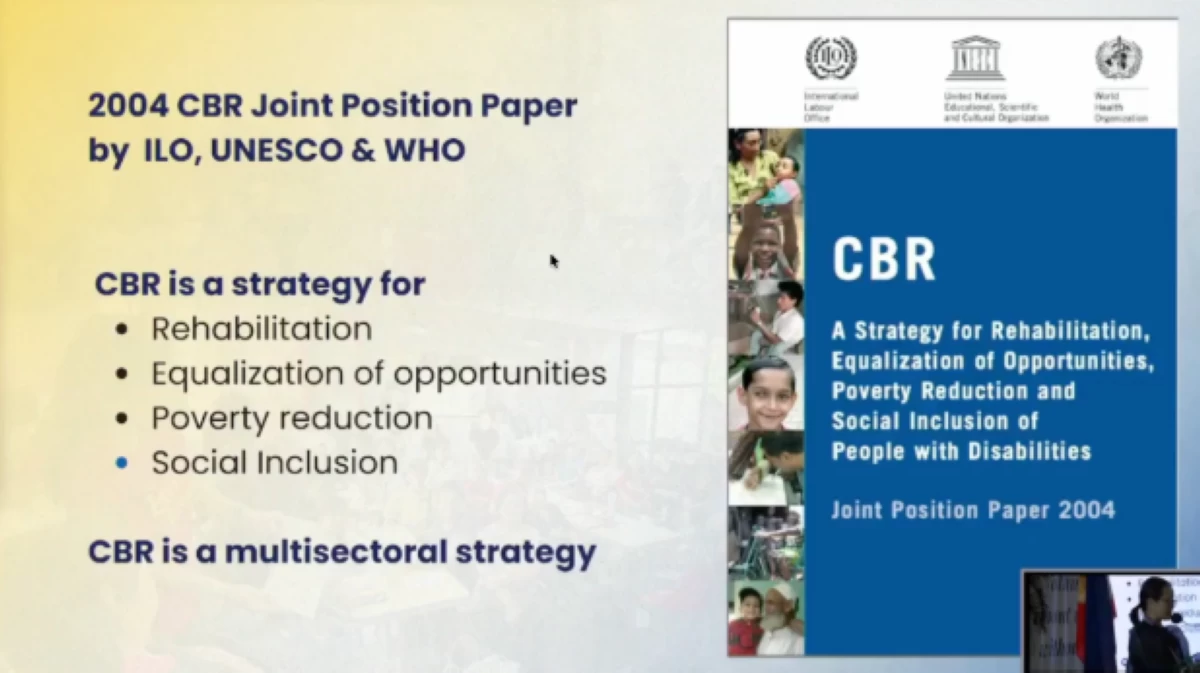
Dr. June De Vera's talk on CBID and CBR
Stronger Communities Through Community-Based Inclusive Development (CBID) and the Implementation of Community-Based Rehabilitation
Dr. June Ann De Vera, TULAY Community Engagement Lead, delivered a talk on the importance and relevance of Community-Based Rehabilitation (CBR) in the Philippine context.
She explained that CBR is designed to ensure that persons with disabilities are able to maximize their physical and mental abilities, access regular services and opportunities, and become active contributors to their communities and society at large. It also aims to mobilize communities to promote and protect the human rights of persons with disabilities through meaningful changes at the community level.
Dr. De Vera further highlighted the current shift in CBR approaches from a medical model to a more social model, bringing rehabilitation and support systems closer to the people and their everyday environments.
She also discussed Community-Based Inclusive Development (CBID), which facilitates inclusive development initiatives led by persons with disabilities and their communities. This approach is driven by the combined efforts of persons with disabilities, their families, local communities, and relevant government and non-government sectors, including health, education, vocational, and social services.
Dr. De Vera noted that both CBR and CBID are already being implemented in several cities in the Philippines, citing examples such as Antique and Carmona City.
She concluded her presentation by emphasizing the future direction of CBR in the country, underscoring that its continued success will depend on stronger, more sustained, and more inclusive partnerships across sectors.
The Present & Future of Community-based Rehabilitation in the Philippines
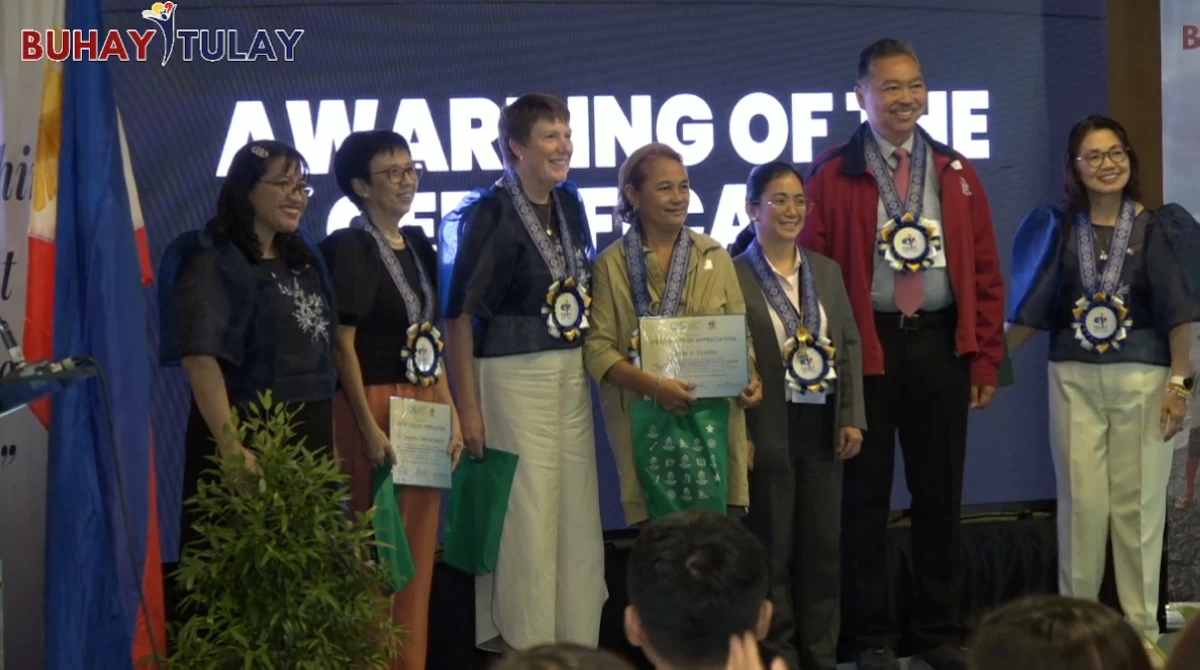
Panel discussion awarding
The panel discussion included:
- Dr. Josephine Bundoc, Physicians for Peace and Member of the TULAY Advisory Committee
- Dr. Jose Alvin Mojica, Board Member of the Stroke Society of the Philippines
- Ms. Merla Reyes, RPH, Chief Social Insurance Specialist from PhilHealth
- Ms. Gloria Tampus, Stroke Survivor and TULAY Champion from Mandaue.
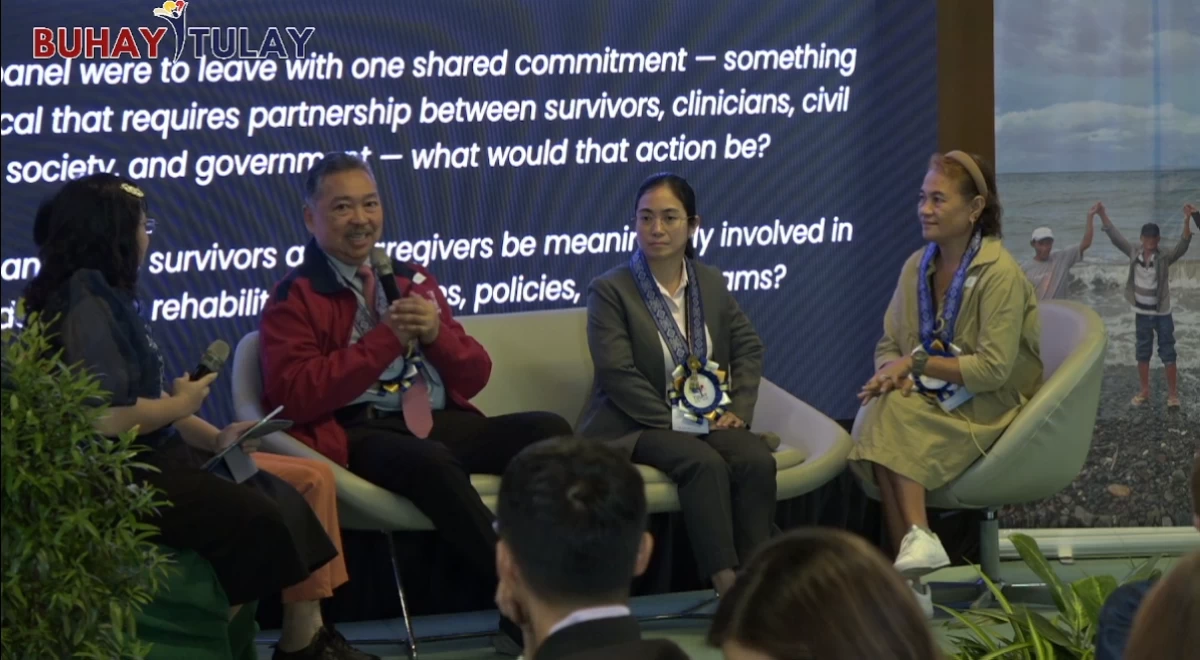
Fourth question on panel discussion
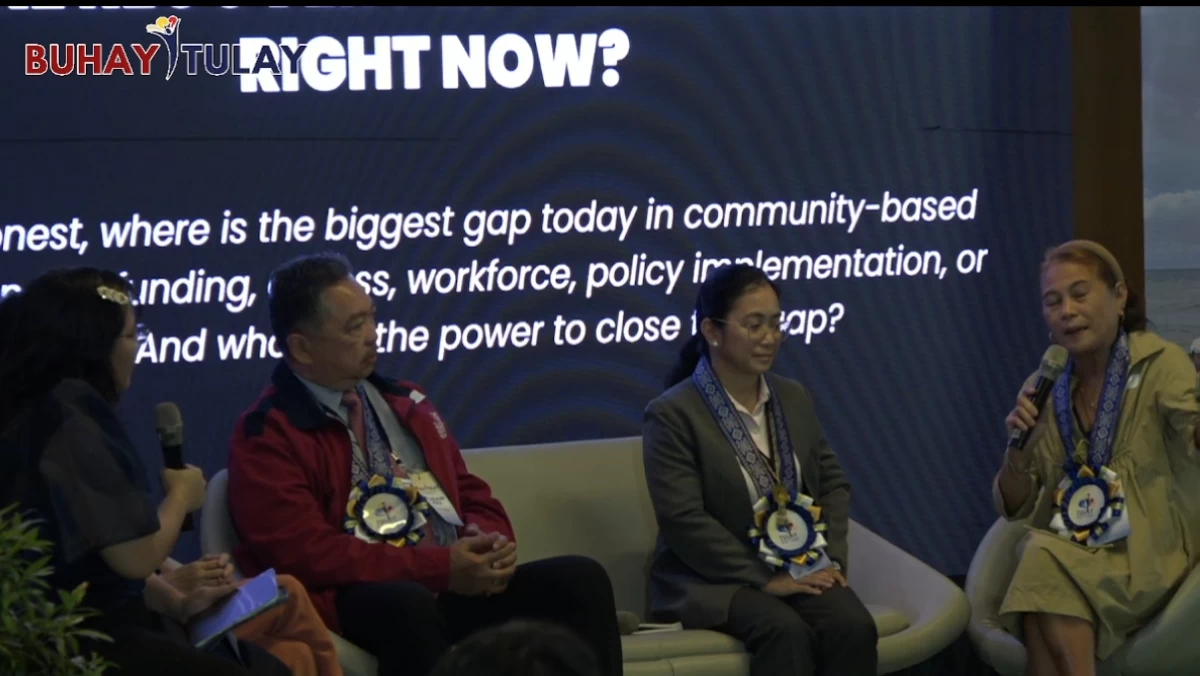
First question on panel discussion
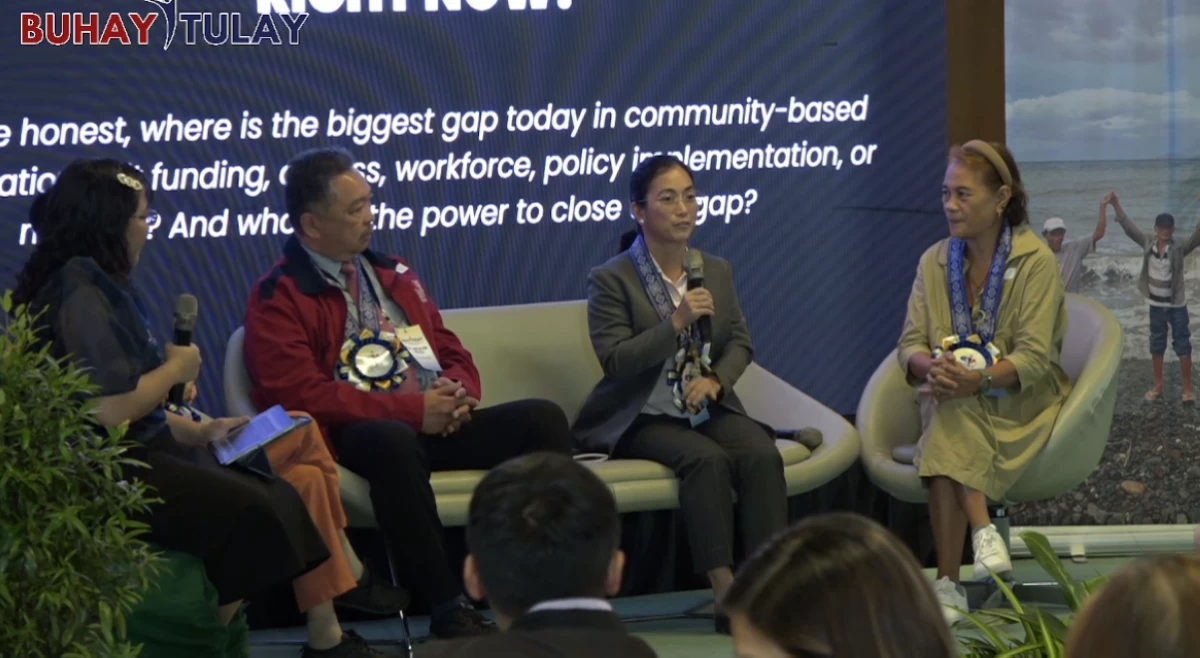
Second question on panel discussion
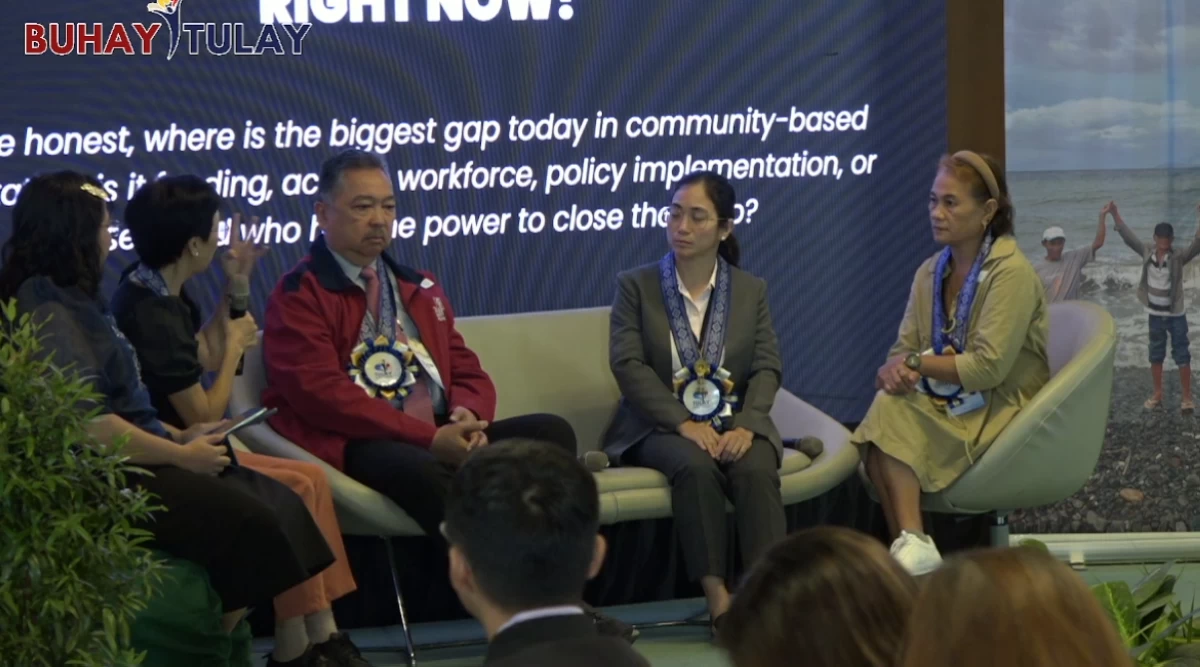
Third question on panel discussion
What Does a Successful Community Rehabilitation Look Like?
Ms. Gloria Tampus shared her perspective on successful community rehabilitation by grounding her reflection in her personal journey of recovery. She emphasized that true rehabilitation is rooted in strength drawn from family support and community care. For her, recovery is not only about surviving a stroke but also about transitioning from survival to thriving, made possible through sustained encouragement, understanding, and collective support from loved ones.
Dr. Josephine Bundoc further emphasized an emancipatory and inclusive perspective on rehabilitation. She highlighted that successful rehabilitation should enable individuals to genuinely experience an improved quality of life—one where a person can confidently say, “I survived, I am happy, and I am living the quality of life I choose.” She underscored that rehabilitation must go beyond clinical recovery and instead focus on empowerment, dignity, and meaningful participation in society.
Dr. Alvin Mojica raised important concerns regarding gaps in stroke care, noting that approximately 40% of stroke survivors remain unrecognized or underserved within the healthcare system. He emphasized the need to strengthen preventive care, particularly in light of the significant financial burden placed on families, especially when breadwinners are unable to return to work after a stroke.
He further stressed that reducing out-of-pocket expenses—from acute care to post-stroke rehabilitation—is essential for achieving equitable and sustainable recovery outcomes in the Philippines. He noted that efforts toward lowering financial barriers are already being implemented in some areas, but must be expanded to ensure that no stroke survivor is left behind.
What are the Foreseen Gaps for Stroke Recovery Right Now?
Dr. Josephine Bundoc further highlighted a key systemic issue in stroke rehabilitation: fragmentation. She emphasized that people, services, and health systems often operate in disconnected ways, which limits the effectiveness of care. In contrast, she recognized how the TULAY Project helped bridge these gaps by connecting key actors across different components of the health system, from acute care to community-based rehabilitation, enabling more integrated and coordinated support for stroke survivors.
Ms. Gloria Tampus then shared her personal experience of accessing care and rehabilitation services in Mandaue City. She described how she was able to navigate services independently, supported by her awareness and familiarity with her community. This local knowledge allowed her to access available health and rehabilitation services more effectively, further supported by the relatively efficient transportation system in her city.
She also reflected on the challenges she faced during the COVID-19 pandemic (2020–2022), when access to services and rehabilitation support became more limited. Despite these constraints, she was able to continue her recovery through self-management practices and home-based exercises, demonstrating resilience and adaptability in maintaining her rehabilitation journey under difficult circumstances.
What Can be Shifted at the Policy and Financing Level in the Next 3-5 Years?
Ms. Reyes informed participants that PhilHealth already provides a comprehensive package of services for stroke patients, covering both preventive and treatment-related needs. These include prevention programs targeting hypertension, smoking cessation, and diabetes management, with coverage for medicines and medical equipment available through YAKAP facilities established in municipalities nationwide.
She further noted that in 2023, PhilHealth updated its benefit package for ischemic and hemorrhagic stroke, increasing coverage from approximately ₱26,000–₱28,000 to ₱78,000–₱80,000. This adjustment aims to reduce out-of-pocket expenses, particularly for assistive devices and related post-stroke needs.
Ms. Reyes also explained that rehabilitation services under PhilHealth are available in selected hospital-based facilities and include assessments and interventions from Physical Therapists, Occupational Therapists, Speech-Language Pathologists, and Psychologists. In addition, coverage has been expanded to include assistive devices such as prostheses, canes, rollators, walkers, and even replacement parts such as batteries for these devices.
She added that PhilHealth is also exploring ways to strengthen access to rehabilitation services, including the development and potential reimbursement of telerehabilitation services in the future.
Dr. Alvin Mojica suggested the establishment of an information center or one-stop-shop system to address issues related to red tape and the complexity of navigating health service pathways. He emphasized the need for clearer and more streamlined access to available benefits and services.
Dr. Josephine Bundoc expressed hope for the digitalization of PhilHealth services to accelerate processing times and improve access to benefits. She also encouraged the successful pilot implementation of current initiatives, with the aim of scaling these programs to other sites nationwide. Additionally, she raised concerns regarding the need to update costing mechanisms, noting that persons with disabilities (PWDs) continue to report significant out-of-pocket expenses. She also acknowledged concerns from health facilities regarding reduced income under the Zero Balance Billing policy, which may discourage full participation in PhilHealth programs.
Dr. Bundoc further emphasized the importance of refining the classification system for persons with disabilities to better tailor and improve service delivery.
Dr. Mojica also underscored the importance of strengthening partnerships with institutions, citing examples such as Initao as a model of effective collaboration at the local level.
Ms. Reyes further highlighted concerns on the supply side of healthcare delivery, particularly the limited number of healthcare professionals available to implement PhilHealth packages effectively. She compared the ratio of healthcare workers to the total population in the Philippines, noting the strain this places on service delivery.
She also observed that many healthcare professionals remain concentrated in private practice, and expressed the need to produce more professionals while also ensuring that they remain in the country to meet the growing demand for rehabilitation and health services nationwide.
If You Could Commit To One Collaborative Action Today?
In response to the question on what single collaborative action each stakeholder would commit to, participants shared focused and complementary commitments aimed at strengthening stroke care and community support in the Philippines.
Ms. Gloria Tampus expressed her desire for a unified voice among stakeholders to support one another, particularly in advocating for and assisting stroke survivors. She emphasized the importance of solidarity and collective action in advancing recovery and rehabilitation efforts.
Dr. Josephine Bundoc committed to strengthening capacity-building initiatives by drawing from the existing strengths of communities and health systems. She highlighted the importance of empowering stakeholders through shared learning and skill development to sustain long-term impact.
Dr. Alvin Mojica advocated for the wider implementation of evidence-based treatments within Philippine hospitals, noting that many of these practices have yet to be fully cascaded to communities. He emphasized the importance of ensuring that best practices in stroke care are translated into accessible services at the local level.
He added that progress should be taken “one step at a time,” underscoring the need for gradual but consistent improvement in system implementation.
Finally, Ms. Reyes called for continued bridge-building among all stakeholders, emphasizing the importance of working together as one coordinated system. She reiterated that collaboration across sectors is essential to achieving inclusive, accessible, and sustainable stroke care for all.
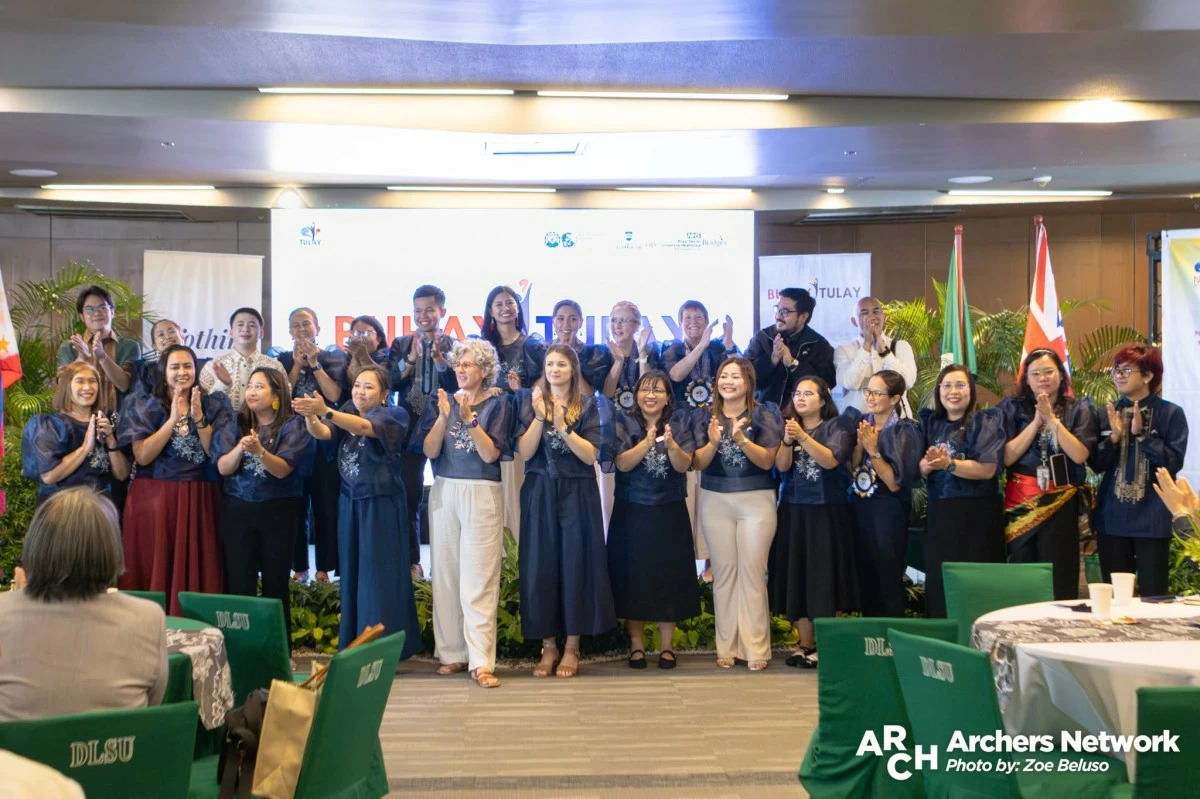
Tulay team
Closing Remarks
Dr. Myrna Estrada, the Philippines’ TULAY Project Lead, delivered the closing remarks by recognizing the diverse and powerful stories shared throughout the event. She reflected on the lived experiences of stroke survivors, caregivers, healthcare workers, and partners from various project sites, all of which collectively illustrated the impact of the TULAY initiative.
She expressed gratitude to the Department of Health, PhilHealth, and collaborating professional organizations, including the Philippine Academy of Rehabilitation Medicine (PARM), the Stroke Society of the Philippines, the Philippine Alliance of Patient Organizations, Inc. (PAPO), the Occupational Therapy Society of the Philippines, Persons with Disability Affairs Offices, and the various Local Government Units that supported the project’s implementation and growth.
Dr. Estrada highlighted that the three guiding principles of TULAY—Self-Confidence, Compassionate Presence, and Togetherness—were clearly demonstrated throughout the event. She emphasized that these values were not only discussed but actively lived and experienced by participants during the culmination program.
She also acknowledged the strong commitment of all partners to continue advancing the work of the project beyond its formal activities, and extended her appreciation to all participants who made the event possible.
In her message, she offered special recognition to stroke caregivers, whose strength and courage, she noted, have played a vital role in the recovery and resilience of stroke survivors. She likewise thanked government partners and stakeholders for their continued commitment, particularly local government units that have embraced rehabilitation as part of their governance and public service agenda.
Dr. Estrada also expressed appreciation for the support of the British Embassy, acknowledging their consistent and ground-level assistance throughout the project. Finally, she called on the entire TULAY team—from the United Kingdom and the Philippines—to be recognized for their dedication and collaborative efforts over the years in advancing community-based stroke rehabilitation.