






Manila Bulletin
 Philippines
National
'Ano ang ugali ni VP Sara?': Prosecution to call in Davao sheriff to answer this question
Philippines
National
'Ano ang ugali ni VP Sara?': Prosecution to call in Davao sheriff to answer this question
Philippines
National
'Ano ang ugali ni VP Sara?': Prosecution to call in Davao sheriff to answer this question
'Ano ang ugali ni VP Sara?': Prosecution to call in Davao sheriff to answer this question
Published Jun 26, 2026 06:03 pm


At A Glance
- House prosecutors plan to call former sheriff Abe Andres, whom Sara Duterte punched in 2011, to prove a pattern of violent behavior from the Vice President.
- Rep. Zia Alonto Adiong links Duterte's volatile reactions and death threats to a culture of impunity.
- He stresses that public office demands accountability and acting above the law betrays public trust.
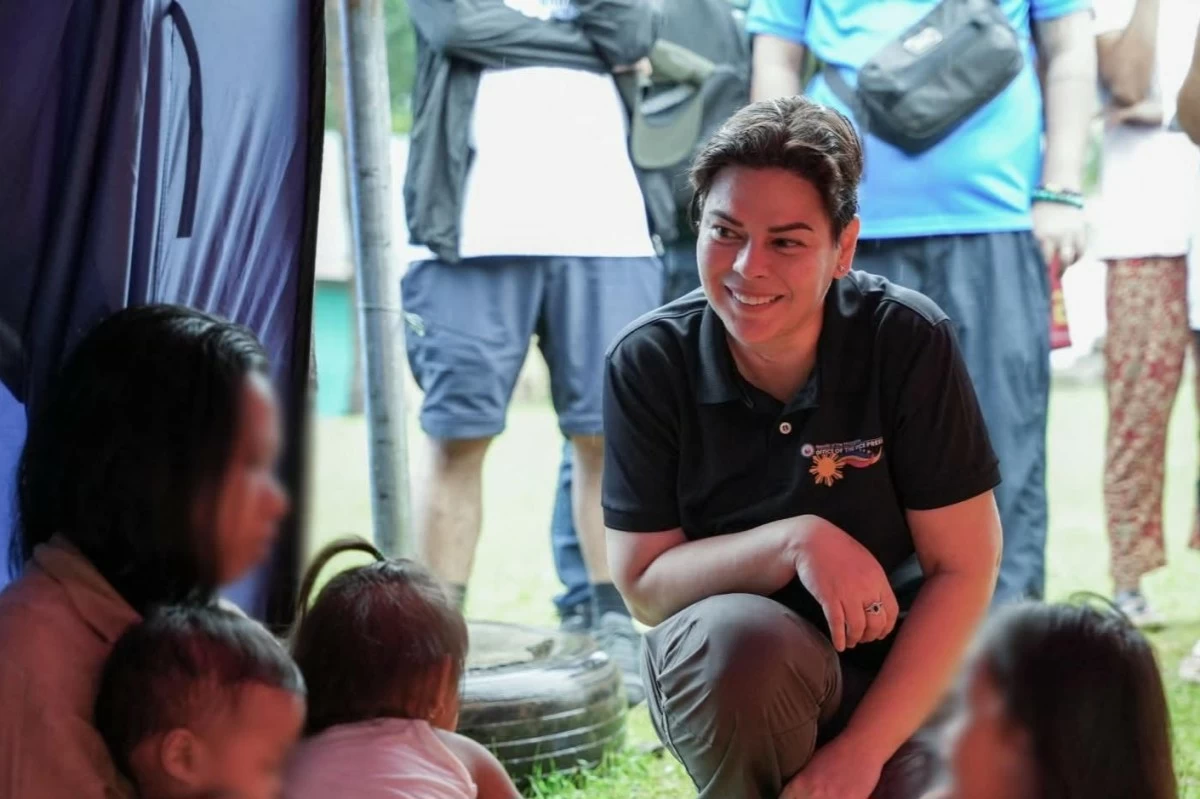
Vice President Sara Duterte (Facebook)
How does Vice President Sara Duterte behave as a person?
This was the question that the House prosecution panel wanted answered during Duterte's upcoming Senate impeachment trial, particularly through a witness whom she had an infamous run-in with in the past.
And that witness is former Davao City court sheriff Abe Andres, the person whom then-Davao City Mayor Duterte punched in the noggin during a 2011 demolition incident.
Prosecution panel spokesperson lawyer Benjamin Tolosa Jr., in a virtual press conference Friday, June 26, refused to discuss the prosecution’s full strategy with its listing of Andres as a witness.
But he said court rules allow evidence that may establish the respondent's behavioral pattern or tendency--in this particular case, the tendency to "resort to violence".
“Under the rules, it is allowed to present evidence to establish a behavioral pattern, to establish the propensity of a person to resort to violence, for example,” Tolosa told reporters in virtual press conference.
“I’m sure you would understand why, at this point, we can’t disclose the particular reasons why we will be presenting this witness,” said the lawyer, who was also one of the private prosecutors handling the case.
Another prosecution spokesperson, Lanao del Sur 1st district Rep. Zia Alonto Adiong says it is worth looking at both actions and words of the Vice President in assessing her conduct.
“Actions and words are very apparent so far as the Vice President is concerned,” Adiong said.
He says Duterte’s alleged death threats against President Marcos, First Lady Liza Araneta-Marcos, and former House Speaker Ferdinand Martin Romualdez must be viewed alongside other acts that may show how she reacts when her authority is challenged.
“When she’s angry, she gets too volatile,” Adiong noted, as he pointed to the incident with Andres.
“It also speaks about the attitude that she is – ‘yung impunity – the culture of impunity that we would try to address,” said the second-term lawmaker from Mindanao.
He said public office carries authority, but not the license to act outside the standards expected of government officials.
For Adiong, the incident concerns the principle that power cannot be used to place any official above accountability.
“No one should be above the law. No one should have the right to take justice into their own hands. That’s already a betrayal of public trust,” he said.