






Manila Bulletin
 Business
Trade & Industry
Philippine tech exports at risk as NAIA cargo bottlenecks worsen
Business
Trade & Industry
Philippine tech exports at risk as NAIA cargo bottlenecks worsen
Business
Trade & Industry
Philippine tech exports at risk as NAIA cargo bottlenecks worsen
Philippine tech exports at risk as NAIA cargo bottlenecks worsen
Published Jun 25, 2026 02:11 pm


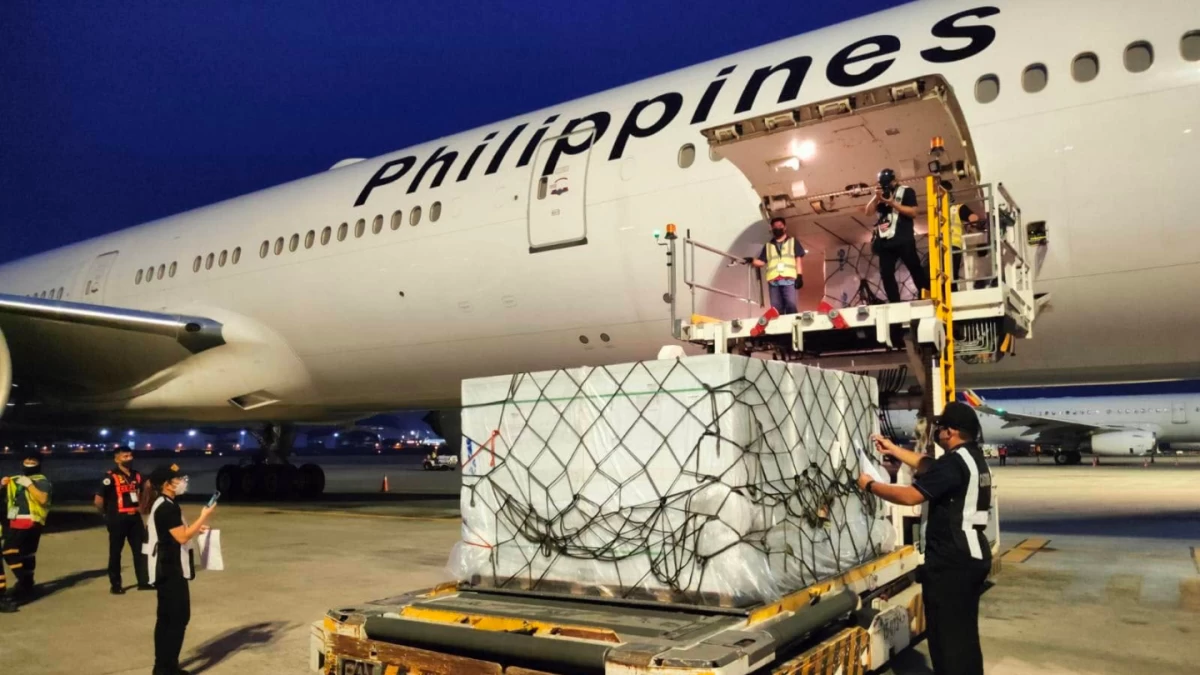
The country’s largest business group is seeking answers from the government over reported air cargo congestion at the Ninoy Aquino International Airport (NAIA), warning it threatens to derail the vital semiconductor trade.
Philippine Chamber of Commerce and Industry (PCCI) President Ferdinand Ferrer said he is set to meet with the Bureau of Customs (BOC) on Friday, June 26, to determine the root cause of the shipping delays.
“We will discuss where the hang-up is,” Ferrer said on the sidelines of the 2nd Stakeholders’ Summit of the United Portusers Confederation of the Philippines Inc.
According to Ferrer, 95 percent of semiconductor components cleared the airport’s cargo facility in less than three days last year. That rate has now plummeted to around 76 percent.
“This is affecting semiconductors because the wafers and all the parts come through the airport, and it's taking that long, so it's really impacting delivery,” he said.
Because the Philippines lacks a domestic wafer fabrication facility, these components—which form the base of semiconductor devices—must be imported entirely through NAIA. From there, local companies manufacture the finished semiconductor products, which are typically shipped abroad within a couple of days.
Ferrer, who also serves as chief executive officer (CEO) of electronics manufacturer EMS Group of Companies, warned that these production delays are already throwing a wrench into the global supply chain.
“We're in lean manufacturing now, so the commitment to a very quick turnaround is being affected,” he said.
Delays in outbound shipments could jeopardize the growth of the Philippines’ export revenues, particularly since electronic products constitute the country's largest export commodity group.
Preliminary data from the Philippine Statistics Authority (PSA) showed that electronic product exports rose by nearly 19 percent to $16.50 billion from January to April, up from $13.89 billion during the same period last year. Of this total, semiconductor devices expanded by 21 percent to $12.40 billion, accounting for 75 percent of all electronic exports.
Overall, the country’s total merchandise exports in the first four months of the year stood at $29.93 billion, an 11 percent increase from the $26.93 billion recorded in the same period last year.