






Manila Bulletin
 Lifestyle
Parenting
Can that happen to me? How to reassure children after frightening news
Lifestyle
Parenting
Can that happen to me? How to reassure children after frightening news
Lifestyle
Parenting
Can that happen to me? How to reassure children after frightening news
Can that happen to me? How to reassure children after frightening news
From recent acts of violence to everyday worries, experts explain how parents can help children feel safe without raising fear
Published Jun 25, 2026 12:41 pm


A notification pops up on your phone. Another disturbing incident has made the headlines. Perhaps it happened in a school, a mall, or a place that feels uncomfortably familiar. Adults start talking about it at the dinner table or among fellow parents. Before long, a child overhears snippets of conversation, catches a report on television, and asks the question many adults are not prepared to answer—"Can that happen to me?"
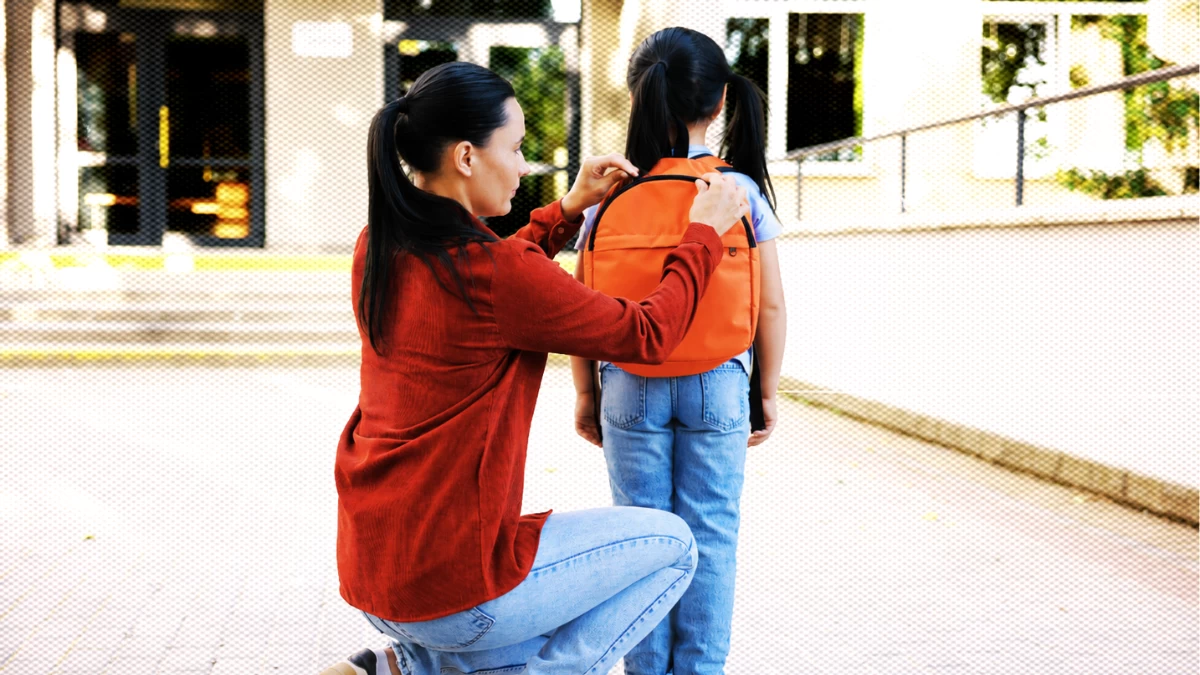
(Artwork: Nancy Marie Andam)
With the recent acts of violence in the Philippines, many parents are struggling with difficult questions of their own. How much should children know? Should we bring up the topic ourselves? And how do we reassure them without making them fearful of the world around them?
According to family psychologist and father Raph G. Doval-Santos, feeling worried is only natural. "The recent news beats have been especially scary. So the feeling of exposing our kids to troubles, we feel worry and fear," he tells Manila Bulletin Lifestyle.
Children often look to adults to understand how they should respond to difficult situations. "When a child sees a parent get worried, they realize, 'Oh, even Dad is scared of this.' That can make the situation feel much bigger and scarier to them."
The world through a child's eyes
For Ma. Fiona Ella G. Sandoval, MA, RPsy, a licensed child and young adult psychologist, play therapist, and mother of two, frightening events can feel even more immediate because children's brains are still developing.
"Without a mature prefrontal cortex, children cannot calm themselves, be able to put things into perspective, or self-soothe as effectively. As a result, many children can feel unsafe even in safe situations,” she shares in an exclusive interview.
Children also tend to fill in the blanks with their imagination. "They can imagine things uncontrollably, like if they keep seeing it happening, it must happen to me tomorrow."
Answering 'Can that happen to me?'
Both experts agree that parents do not need to hide difficult realities. Instead, conversations should be guided by honesty, reassurance, and preparation.
For younger children, Raph suggests explaining why families have rules and routines.
"That's why we want you near us at the mall, so you are safe. Why we are careful near cars or near strangers' dogs, why we ask you to memorize phone numbers and our full names and your address."
When children ask difficult questions, Fiona recommends realistic reassurance rather than promises that nothing bad will ever happen. "I know this can feel scary. I'd be scared too," she suggests telling children. "Bad things can happen but they are less common than they seem in the news."
Equally important is reminding children that they are not alone. "We will be here for you. Let's keep each other safe."
Raising aware, not anxious, children
Parents should also be mindful of how they discuss frightening events. Oversharing graphic details can fuel anxiety, while pretending nothing happened may leave children to process distressing information on their own. "We cannot help our kids calm down if we ourselves aren't calm," explains Fiona.
Raphs adds that the goal is not to raise fearful children but aware ones. Families can discuss practical safety measures, from identifying trusted adults to knowing emergency contacts and asking questions.
Conversations can even become opportunities to develop empathy. "How does that news make you feel?" "What do you think it must have been like for those people there?" "What could we do differently together?"
Finding comfort in the familiar
Parents should also watch for signs that a child may be struggling. Anxiety can reveal itself through sleep disturbances, irritability, nightmares, sudden fears, or refusing to go to school.
"As a play therapist, a strong sign that a child cannot play or has stopped playing, he or she is very anxious, or there is definitely something wrong," says Fiona.
She also recommends limiting repeated exposure to distressing content and maintaining familiar routines. "Predictability is one of the best ways to signal to our nervous system that we are safe."
Bedtimes, meals, school attendance, and even simple family rituals can provide children with reassurance and a sense of normalcy.
Children do not need perfect answers or guarantees that nothing bad will ever happen. What they need most are caring adults who listen to their questions, acknowledge their fears, and help them feel safe, supported, and less alone.