






Manila Bulletin
 Philippines
National
2 minors in Tacloban school shooting under DSWD custody, separated from other CICLs
Philippines
National
2 minors in Tacloban school shooting under DSWD custody, separated from other CICLs
Philippines
National
2 minors in Tacloban school shooting under DSWD custody, separated from other CICLs
2 minors in Tacloban school shooting under DSWD custody, separated from other CICLs
Published Jun 25, 2026 05:33 pm


At A Glance
- JJWC Executive Director Atty. Tricia Clare Oco said the two minors are undergoing psychological assessments and other evaluation activities to determine the factors that led to the shooting.
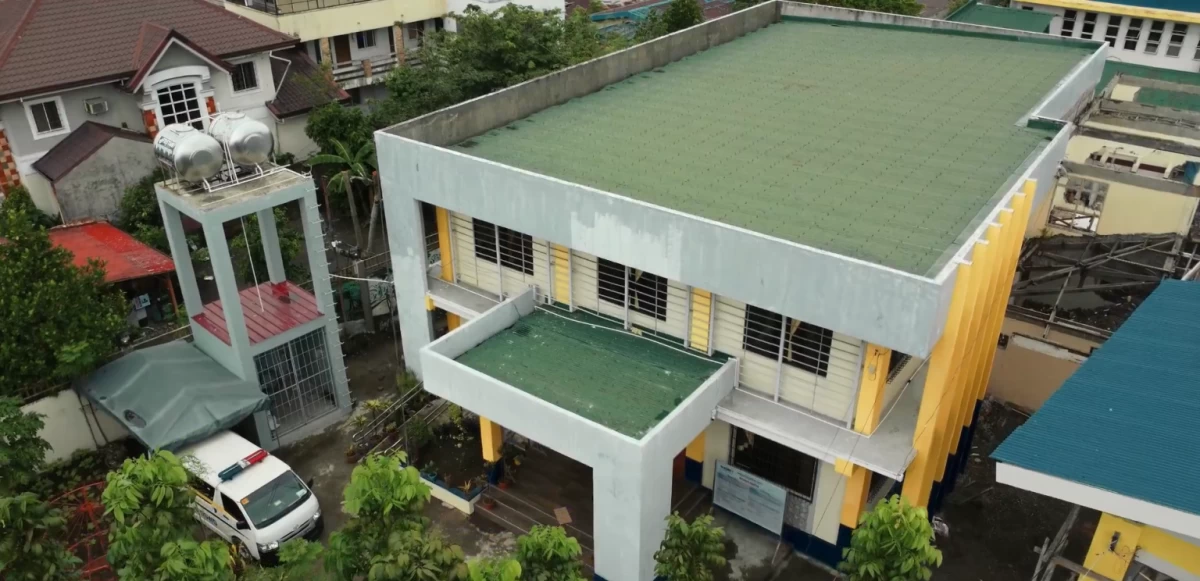
(DSWD-FO 8 file photo)
The two children in conflict with the law (CICLs) involved in the recent school shooting in Tacloban City are now under the custody of the Department of Social Welfare and Development's (DSWD) Regional Rehabilitation Center for the Youth in Eastern Visayas, according to the Juvenile Justice and Welfare Council (JJWC).
Speaking at the Department of Social Welfare and Development media forum on Thursday, June 25, JJWC Executive Director Atty. Tricia Clare Oco said the two minors are undergoing psychological assessments and other evaluation activities to determine the factors that led to the shooting.
“Hindi pa sila hinahalo doon sa ibang mga bata. Hindi rin sila pinagsasamang dalawa kase ino-observe pa sila (They haven't been mixed with other children. They haven't been put together because they are still being observed),” Oco said.
“We don’t recommend na i-isolate forever ang isang bata kasi baka makalimutan niya na siya ay bata. Ang gusto kasi natin, maibalik sa dati [ang kaniyang pag-iisip] bago niya ma-commit ‘yung krimen na’yun (We don't recommend isolating a child forever because he might forget that he is a child. What we want is to get him back to the way he was before he committed that crime),” she added.
Oco explained that Republic Act No. 9344, or the Juvenile Justice and Welfare Act of 2006, requires the rehabilitation of CICLs to ensure they receive proper psychosocial intervention.
She added that the law does not exempt juvenile offenders from accountability.
“Inside the facility, the CICLs are strictly monitored and their movements are restricted, similar to persons deprived of their liberty,” she said.
DSWD Crisis Intervention Program Director Edwin Morata added that the facility imposes strict restrictions on the minors' daily activities, including visits and access to outside resources.
“Wala silang access to everything. Restricted. Even ‘yung pagkain nila, even yung pag visit sa kanila (They don't have access to everything. Restricted. Even their food, even their visits),” Morata said.
Oco pointed out that authorities may file civil or criminal cases against the parents of the two minors depending on the outcome of the ongoing police investigation.
Meanwhile, she said the JJWC remains open to discussions on reviewing the law but stressed that addressing violence among children requires a broader approach than focusing solely on the minimum age of criminal responsibility.
“Wag lang natin tutukan ‘yung minimum age [of criminal liability] kase kailangan makahanap tayo ng tamang solusyon sa nangyari (Let's not just focus on the minimum age of criminal liability because we need to find the right solution to what happened),” she said.
As part of its intervention efforts, the DSWD said it plans to strengthen training and skills enhancement programs for social workers handling similar cases and review parenting programs under the Pantawid Pamilyang Pilipino Program (4Ps).
“At the end of the day, ‘yung mga magulang talaga ang first line of defense para ‘yung mga bata ay hindi nakaka-experience ng karahasan, at hindi napu-push para makagawa ng karahasan (At the end of the day, parents are really the first line of defense so that children don't experience violence, and aren't pushed to commit violence),” Oco said.
Based on JJWC data, there are currently 117 operational Bahay Pag-asa facilities nationwide serving around 8,000 CICLs.
Of these, 114 are managed by local government units, while three are operated by non-government organizations.