

ADVERTISEMENT

This brand transforms recycled plastic into stylish everyday bags

Swedish bag brand Gaston Luga expands its eco-conscious mission in the Philippines

Published Jun 24, 2026 11:15 am
It is hard for many people today to turn their gaze away from the world’s issues, most notably those concerning the environment. In recent years, this has also influenced the way they purchase products, with many opting for more sustainable and environmentally friendly options that minimize waste and reduce their ecological footprint.
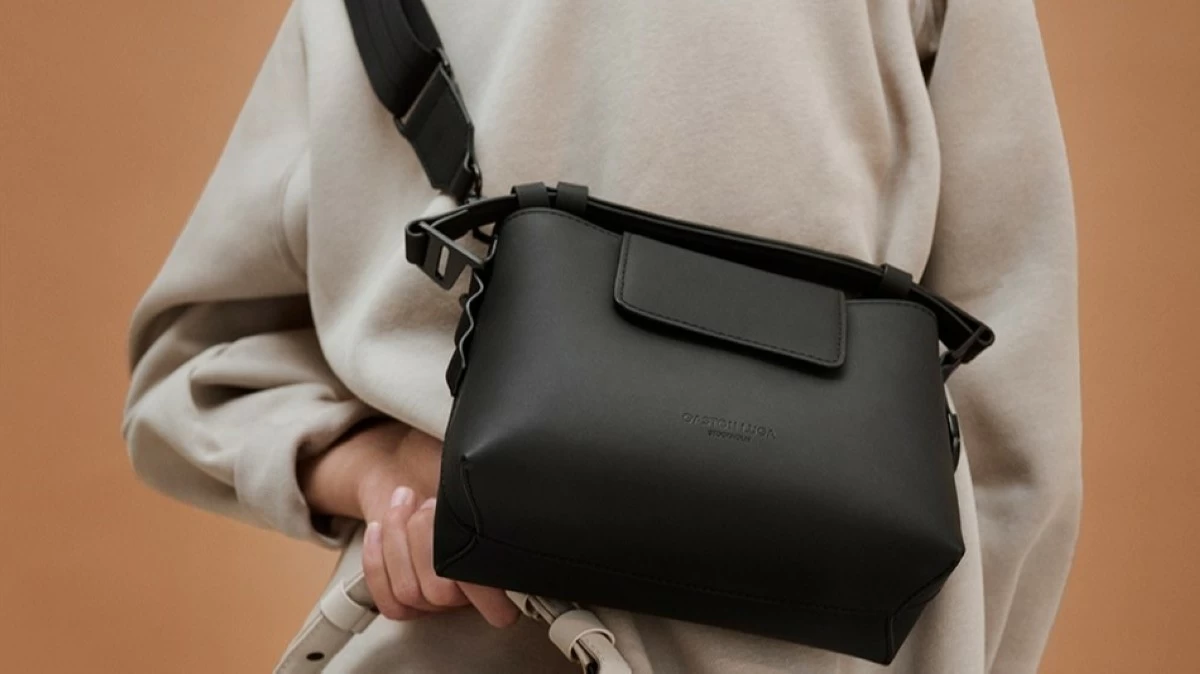
Splashini bag (Photos: Gaston Luga)
The challenge now lies with brands to create products that are not only made from recycled or repurposed materials to minimize waste but are also crafted through processes that are better for the planet and the people who make them.
This is at the core of Gaston Luga. Long before sustainability became a buzzword in the fashion industry, the Swedish brand had been producing bags made with eco-friendly materials and designs that suit contemporary lifestyles.
A decade after its establishment in 2016, the brand arrives in the Philippines with a mission to make sustainable living more accessible to Filipinos through thoughtfully designed bags that seamlessly blend style, functionality, and environmental responsibility.
“This is one of Gaston Luga's founding advocacies,” Kat Tiu-Chan of Waido Marketing tells Manila Bulletin Lifestyle. “Aside from being eco-friendly, the materials are also PETA-approved vegan, which guarantees that our products contain absolutely no leather, fur, or other animal byproducts.”
Many of the brand’s pieces are crafted from recycled polyethylene terephthalate (PET) plastic, such as beverage bottles and packaging containers. Once transformed into workable materials, these are used to create bags that reflect Scandinavian minimalism.
“Each bag design is inspired by Swedish minimalist architectural lines and artistic spirit, bridging the gap between function and fashion,” Kat explains. The result is a line of backpacks, crossbody bags, laptop bags, and accessories that are perfect for everyday use and travel.
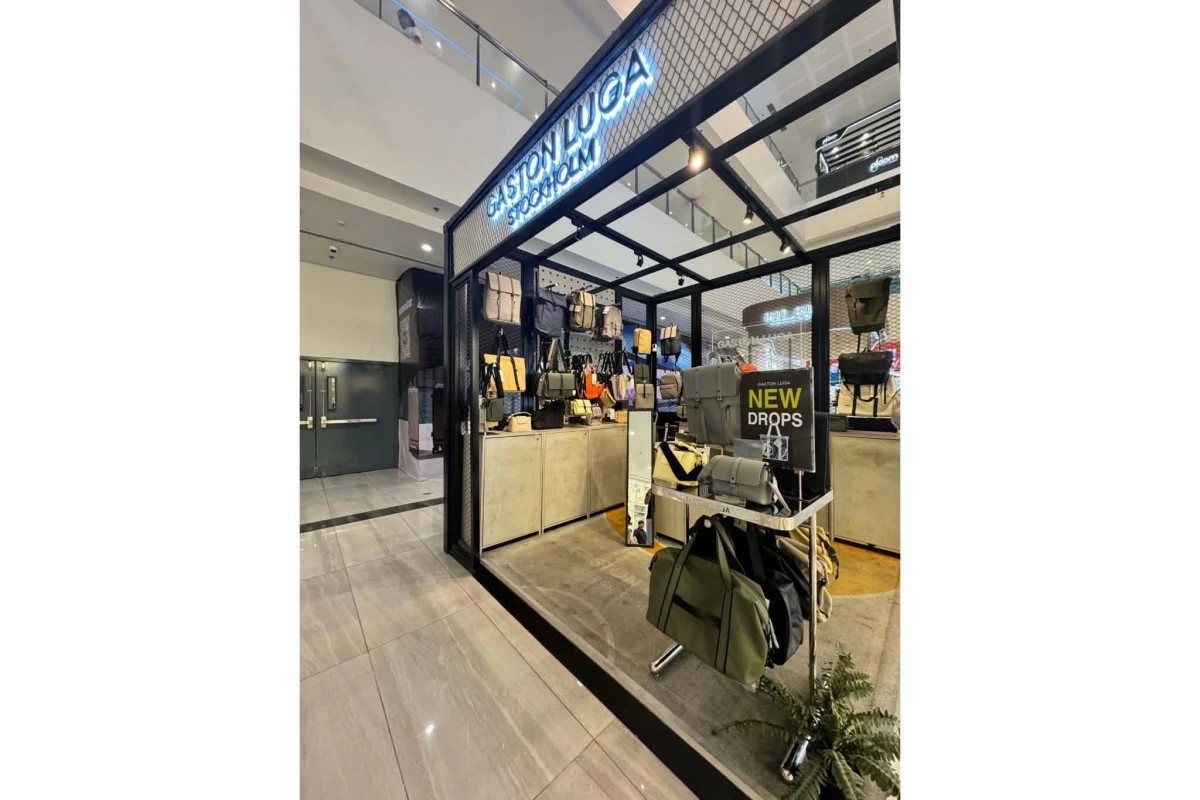
Gaston Luga store at One Ayala Mall in Makati City
Some pieces from its latest collection can be found at the brand’s Philippine stores in One Ayala in Makati City. These include the spring-summer 2026 collection, featuring new shoulder bags and weekender duffels, as well as additional colorways of popular bestsellers such as the Spläsh Crossbody and Spläsh Backpacks.
Not only does the brand help address the world’s growing plastic waste problem, but it also champions responsible design in every aspect of its business. According to the company, it has been carbon-neutral since 2019 and continues to work with partners to offset its carbon footprint.
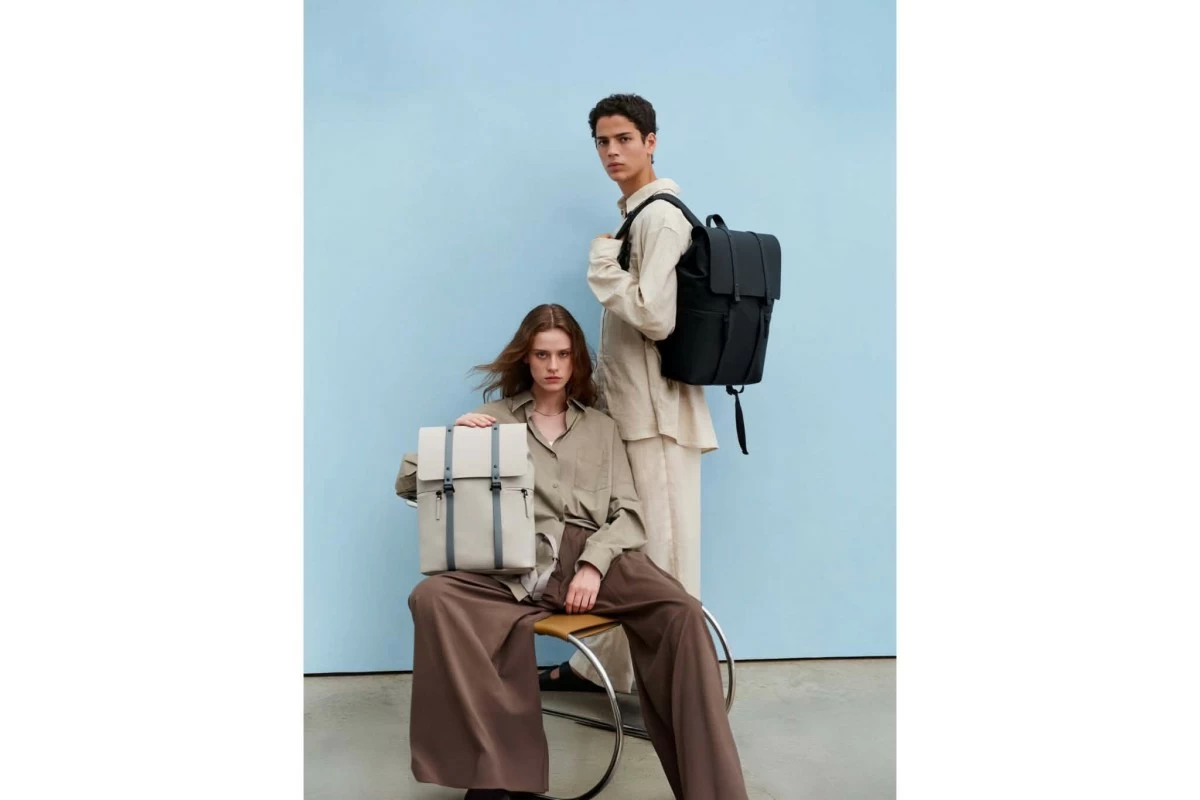
The brand's latest pieces.
“Gaston Luga also donates a portion of its profits to the Escarpment Environment Conservation Network (Esconet). Together with Esconet, it is funding a program that plants indigenous trees in Kenya’s Great Rift Valley,” Kat says. “The brand also upholds stringent manufacturing standards by carefully selecting its production partners, choosing to work with businesses that value ethical and sustainable production.”
In a world where every purchase carries an environmental footprint, the brand proves that small choices can lead to meaningful change. By transforming recycled materials into functional and stylish everyday essentials, the brand invites consumers to carry not only their belongings, but also a greater sense of responsibility toward the planet.

Related Tags

fashion and beauty Bags Gaston Luga
ADVERTISEMENT
.most-popular .layout-ratio{ padding-bottom: 79.13%; } @media (min-width: 768px) and (max-width: 1024px) { .widget-title { font-size: 15px !important; } }

{{ articles_filter_1561_widget.title }}

.most-popular .layout-ratio{ padding-bottom: 79.13%; } @media (min-width: 768px) and (max-width: 1024px) { .widget-title { font-size: 15px !important; } }

{{ static_articles_1562_widget.title }}

.most-popular .layout-ratio{ padding-bottom: 79.13%; } @media (min-width: 768px) and (max-width: 1024px) { .widget-title { font-size: 15px !important; } }

{{ articles_filter_1563_widget.title }}

{{ articles_filter_1564_widget.title }}

.mb-article-details { position: relative; } .mb-article-details .article-body-preview, .mb-article-details .article-body-summary{ font-size: 17px; line-height: 30px; font-family: "Libre Caslon Text", serif; color: #000; } .mb-article-details .article-body-preview iframe , .mb-article-details .article-body-summary iframe{ width: 100%; margin: auto; } .read-more-background { background: linear-gradient(180deg, color(display-p3 1.000 1.000 1.000 / 0) 13.75%, color(display-p3 1.000 1.000 1.000 / 0.8) 30.79%, color(display-p3 1.000 1.000 1.000) 72.5%); position: absolute; height: 200px; width: 100%; bottom: 0; display: flex; justify-content: center; align-items: center; padding: 0; } .read-more-background a{ color: #000; } .read-more-btn { padding: 17px 45px; font-family: Inter; font-weight: 700; font-size: 18px; line-height: 16px; text-align: center; vertical-align: middle; border: 1px solid black; background-color: white; } .hidden { display: none; }
function initializeAllSwipers() { // Get all hidden inputs with cms_article_id document.querySelectorAll('[id^="cms_article_id_"]').forEach(function (input) { const cmsArticleId = input.value; const articleSelector = '#article-' + cmsArticleId + ' .body_images'; const swiperElement = document.querySelector(articleSelector); if (swiperElement && !swiperElement.classList.contains('swiper-initialized')) { new Swiper(articleSelector, { loop: true, pagination: false, navigation: { nextEl: '#article-' + cmsArticleId + ' .swiper-button-next', prevEl: '#article-' + cmsArticleId + ' .swiper-button-prev', }, }); } }); } setTimeout(initializeAllSwipers, 3000); const intersectionObserver = new IntersectionObserver( (entries) => { entries.forEach((entry) => { if (entry.isIntersecting) { const newUrl = entry.target.getAttribute("data-url"); if (newUrl) { history.pushState(null, null, newUrl); let article = entry.target; // Extract metadata const author = article.querySelector('.author-section').textContent.replace('By', '').trim(); const section = article.querySelector('.section-info ').textContent.replace(' ', ' '); const title = article.querySelector('.article-title h1').textContent; // Parse URL for Chartbeat path format const parsedUrl = new URL(newUrl, window.location.origin); const cleanUrl = parsedUrl.host + parsedUrl.pathname; // Update Chartbeat configuration if (typeof window._sf_async_config !== 'undefined') { window._sf_async_config.path = cleanUrl; window._sf_async_config.sections = section; window._sf_async_config.authors = author; } // Track virtual page view with Chartbeat if (typeof pSUPERFLY !== 'undefined' && typeof pSUPERFLY.virtualPage === 'function') { try { pSUPERFLY.virtualPage({ path: cleanUrl, title: title, sections: section, authors: author }); } catch (error) { console.error('ping error', error); } } // Optional: Update document title if (title && title !== document.title) { document.title = title; } } } }); }, { threshold: 0.1 } ); function showArticleBody(button) { const article = button.closest("article"); const summary = article.querySelector(".article-body-summary"); const body = article.querySelector(".article-body-preview"); const readMoreSection = article.querySelector(".read-more-background"); // Hide summary and read-more section summary.style.display = "none"; readMoreSection.style.display = "none"; // Show the full article body body.classList.remove("hidden"); } document.addEventListener("DOMContentLoaded", () => { let loadCount = 0; // Track how many times articles are loaded const offset = [1, 2, 3, 4, 5, 6, 7, 8, 9, 10]; // Offset values const currentUrl = window.location.pathname.substring(1); let isLoading = false; // Prevent multiple calls if (!currentUrl) { console.log("Current URL is invalid."); return; } const sentinel = document.getElementById("load-more-sentinel"); if (!sentinel) { console.log("Sentinel element not found."); return; } function isSentinelVisible() { const rect = sentinel.getBoundingClientRect(); return ( rect.top < window.innerHeight && rect.bottom >= 0 ); } function onScroll() { if (isLoading) return; if (isSentinelVisible()) { if (loadCount >= offset.length) { console.log("Maximum load attempts reached."); window.removeEventListener("scroll", onScroll); return; } isLoading = true; const currentOffset = offset[loadCount]; window.loadMoreItems().then(() => { let article = document.querySelector('#widget_1690 > div:nth-last-of-type(2) article'); intersectionObserver.observe(article) loadCount++; }).catch(error => { console.error("Error loading more items:", error); }).finally(() => { isLoading = false; }); } } window.addEventListener("scroll", onScroll); });

Sign up by email to receive news.