







Reflections on US-Philippines friendship
Published Jun 24, 2026 12:05 am
|
Updated Jun 23, 2026 05:17 pm


THE VIEW FROM RIZAL
“Are we really still friends with America?”
That was the question we got asked recently. We believe the question had to do with the coming celebration of Filipino-American Friendship Day on July 4, which coincides with the 80th anniversary of the Treaty of Manila.
That treaty, it will be recalled, ended nearly five decades of American administration of our country under the “commonwealth” banner and ushered in our “independence” from foreign rule.
We replied in jest: If we were to base it on our countrymen’s interest in the National Basketball Association (NBA) championship games and the loud cheers local basketball fans belted out when the New York Knicks won, then we can safely conclude that the “friendship” is still there.
From our perspective, the answer seems to be, “yes, we still view the US as our friend.”
Recent surveys appear to prove that. The Pulse Asia survey released in January this year said 82 percent of our countrymen trust the US most to help our interest in the West Philippine Sea, followed by Japan, Canada, Australia and South Korea in that order. The mid-2025 Social Weather Station survey found that the US leads the list of countries Filipinos trust most.
How is the “friendship” viewed from the US side?
Based on recent developments, it appears the Philippines may not be among the most favored. It will be recalled that in April 2025, the current US administration announced “reciprocal” tariffs, initially setting a 17 percent rate on Philippine goods. This was later raised to 20 percent in early July 2025, while other countries were given lower rates, prompting many to wonder why the Philippines was not being given the “preferential treatment” that a “friend” would expect.
It was only after Bongbong Marcos Jr.’s White House visit in July 2025 that the rate settled at 19 percent. This, however, came only after we offered concessions, including zero tariffs on many US goods and increased purchases of US agricultural products. While many key Philippine exports — like electronics and semiconductors — received exemptions, economic observers said the move still created economic uncertainty and contributed to our country missing its 2025 growth targets.
“Transactional” was how some described the current state of the “friendship.”
Our view is that the friendship between our two countries transcends the recent developments on the economic front.
As we prepare to mark the July 4th celebration of Filipino-American Friendship Day, we are reminded that this is far more than a ceremonial date. It is a living partnership that continues to deliver tangible benefits to millions of ordinary Filipinos.
We believe that, in today’s uncertain world, this friendship matters more than ever. The West Philippine Sea remains a flashpoint. The US-Philippines alliance, strengthened through EDCA sites and joint exercises such as Balikatan, provides a credible deterrent against any aggression in that part of our country.
For ordinary Filipinos, the security dividend is real. Experts say that a stable external environment allows us to focus on economic growth rather than excessive defense spending. EDCA infrastructure upgrades also support humanitarian assistance and disaster response — critical in a typhoon-prone nation like ours.
We will never forget that when Super Typhoon Yolanda struck, American forces were among the first to deliver aid. Such cooperation ensures quicker relief when the next storm hits, directly saving lives and speeding recovery in our communities.
That friendship, despite the apparent lack of “warmth” today, is a lifeline for millions of our countrymen. The US remains one of our top trading partners and the single largest source of overseas Filipino worker remittances. These remittances put food on tables, send children to school, fund medical treatments, and help families build homes.
Across the country, countless households rely on earnings from loved ones working in the US as nurses, engineers, caregivers, and professionals. US investments and trade create jobs here at home. US BPO companies — like TaskUS and TTEC — generate employment in Metro Manila’s orbit, including opportunities that benefit residents of Antipolo and neighboring Rizal towns.
Our view is that, as we celebrate this enduring friendship, we must reaffirm its value not through abstract geopolitics but through its impact on everyday lives. It helps secure our waters, sustains our families through remittances, creates jobs, improves disaster resilience, and opens horizons for the next generation. In a world of shifting alliances, the US-Philippines bond remains a steady anchor — one that continues to deliver hope, opportunity, and security to ordinary Filipinos.
On this special July 4, we also join the American people in celebrating the 250th anniversary of the United States’ independence. The bold American experiment in liberty, democracy, and self-governance continues to inspire nations and peoples around the world.
We wish America, our friend, a happy 250th anniversary.
And, of course, congratulations to the New York Knicks!
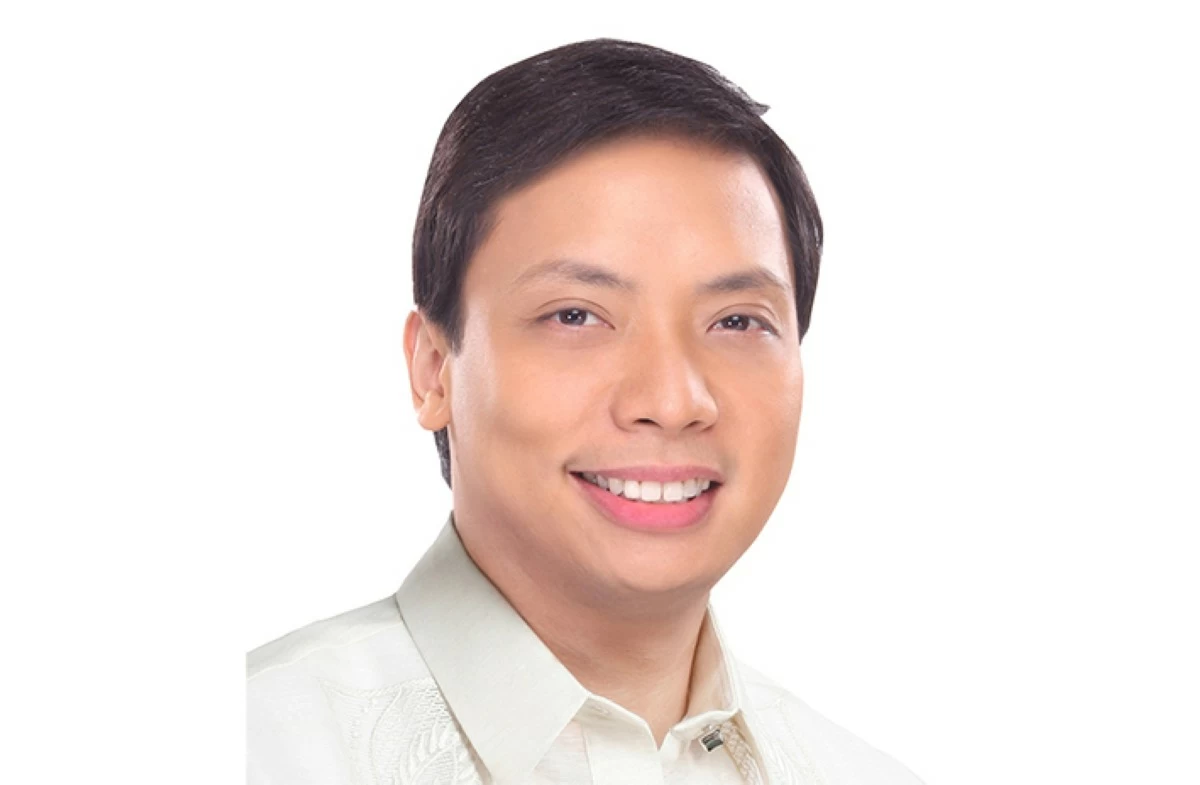
(The author is a Doctor of Medicine, an entrepreneur and the mayor of Antipolo City, former Rizal governor, and DENR assistant secretary, LLDA general manager. Email: [email protected])