






Manila Bulletin
 Philippines
National
PNP, CHR explain why photos, videos of recent incidents of school violence must not be posted, shared online
Philippines
National
PNP, CHR explain why photos, videos of recent incidents of school violence must not be posted, shared online
Philippines
National
PNP, CHR explain why photos, videos of recent incidents of school violence must not be posted, shared online
PNP, CHR explain why photos, videos of recent incidents of school violence must not be posted, shared online
Published Jun 24, 2026 08:35 am


At A Glance
- Photos and videos of the incidents at the San Jose National High School in Tacloban City flooded the social media, some of them even went viral.
- Photos of the dead and injured victims, as well as the photos of the two perpetrators, were also posted and shared online.
- Prior to the incident, images and videos of the incidents that happened in two schools in Cavite were also posted online.
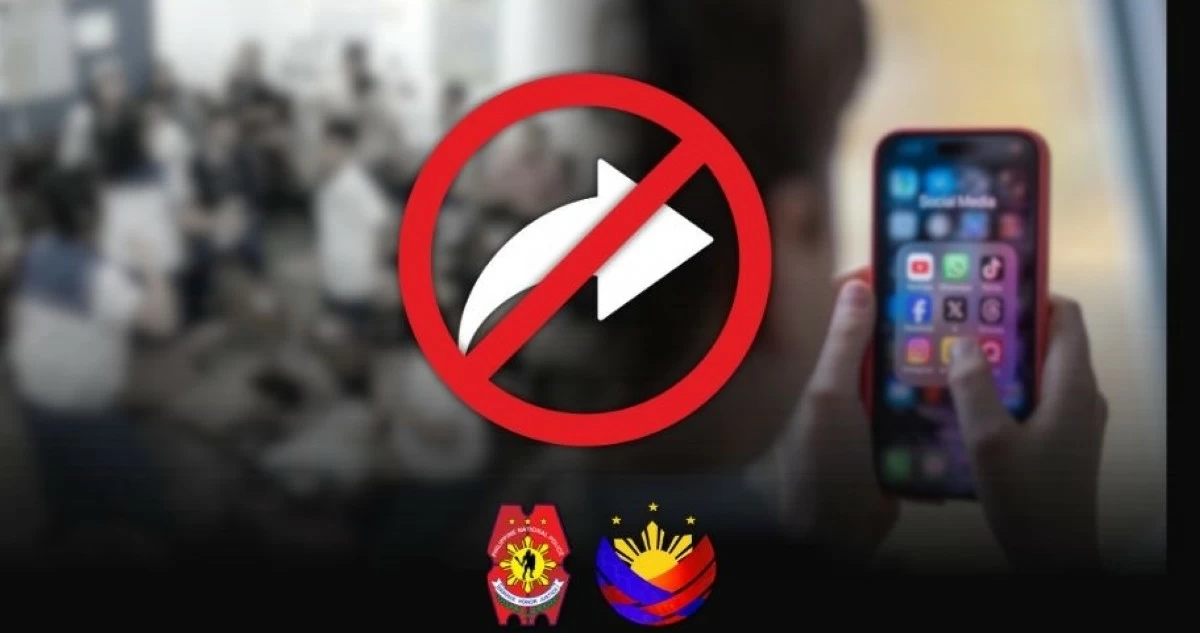
The Philippine National Police (PNP) urged netizens to refrain from posting or sharing photos and videos relating to school violence incidents that happened in Tacloban City and Cavite.
More than the fears and panic that the photos and videos may cause to social media users, police are concerned of the lasting effects of the presence of such violent incidents to the victims, families and students who experienced the trauma.
“The reckless circulation of graphic videos depicting these school tragedies is not just a digital nuisance, it is a profound act of cruelty that re-victimizes survivors and forces grieving families to relive their worst nightmares repeatedly,” said PNP chief Gen. Jose Melencio C. Nartatez, Jr.
Photos and videos of the incidents at the San Jose National High School in Tacloban City flooded the social media, some of them even went viral.
Some of the netizens even went to the extent of posting the photos of the dead and injured victims, as well as that of the two shooters.
Prior to the incident, images and videos of the incidents that happened in two schools in Cavite also went viral on social media.
For the PNP, the photos and videos posted on the internet last forever and this has long-term effects on all the people involved. The worst part is that those photos and images may eventually be used to intimidate, bully and spark online hate to the people involved in the future.
The PNP appeal covers not only graphic videos but also photos and posts that reveal the identities of children involved in the incidents.
Nartatez said child protection and privacy standards must be respected throughout the investigation process.
“We urge the public, especially content creators and social media users, to stop the cycle of trauma by deleting and refusing to share these videos, as your desire for online engagement should never come at the cost of human dignity or the sanctity of an ongoing police investigation,” he said.
Nartatez also underscored that authorities are pursuing a response that protects victims while ensuring accountability for those involved.
He also urged the public to show restraint and compassion while investigations remain ongoing.
“Children caught in these incidents, especially the victims, deserve protection and support. They should not be subjected to public judgment, online harassment, or unnecessary exposure at a time when they and their families are already dealing with trauma,” Nartatez said.
Psychological safeguard
The Commission on Human Rights (CHR) echoed the concerns and appeal made by the PNP on recent incidents that happened inside schools.
While the CHR understands the anger particularly on the incident that happened in Tacloban City, it stressed that all the children involved and exposed to that violence must be treated with appropriate legal, social, and psychological safeguards.
“We stress that children remain among the most vulnerable sectors of society because of their ongoing development and dependence on adults for care, protection, and support,” the CHR said.
“We appeal to the media and the public to refrain from sharing photographs or information that may identify the children involved, whether victims or CICL (Children in Conflict with the Law), in accordance with child protection and privacy standards," it added.
The CHR emphasized that accountability, child protection, and the pursuit of justice are not mutually exclusive.
“As the nation mourns this heartbreaking loss, we call on all concerned institutions to respond with urgency, compassion, and fidelity to human rights principles,” it said.
“Only through a rights-based and child-sensitive approach can we honor the victims, support those affected, and help prevent similar tragedies from happening again,” the CHR added.