






 Business
Trade & Industry
Century Pacific seeks exemption from US tariff threat on Philippine food imports
Business
Trade & Industry
Century Pacific seeks exemption from US tariff threat on Philippine food imports
Century Pacific seeks exemption from US tariff threat on Philippine food imports


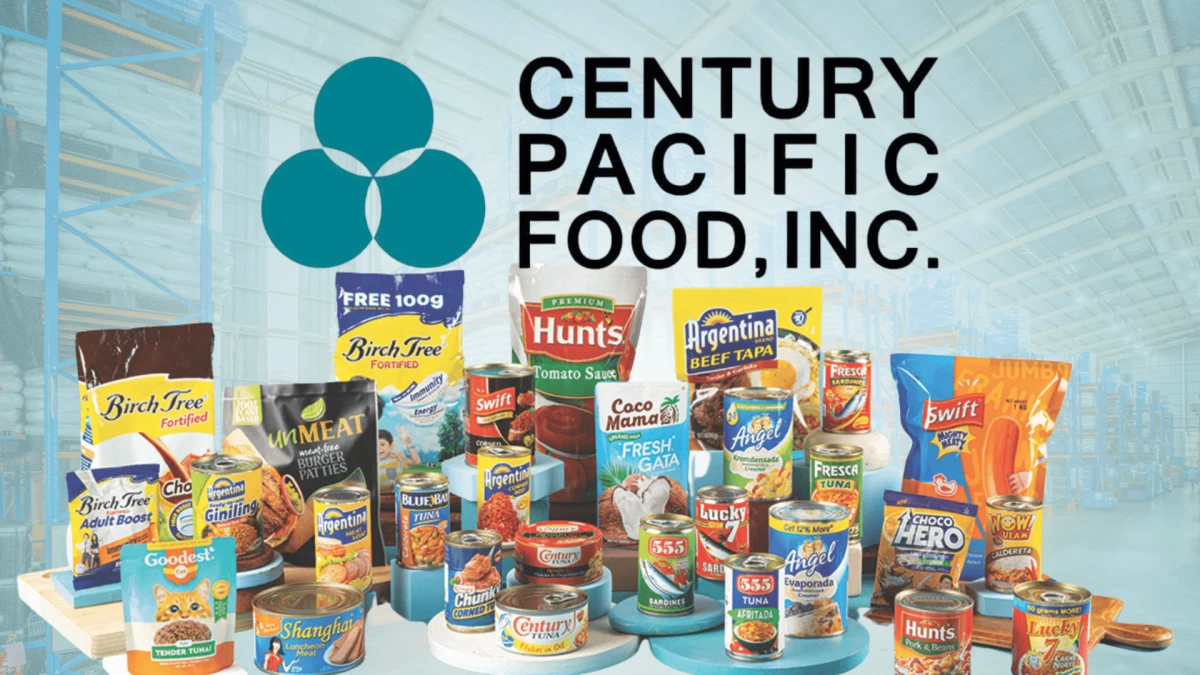
The United States (US) unit of Po-led food and beverage company Century Pacific Food Inc. (CNPF) is asking the Trump administration to reconsider its 12.5-percent tariff threat against the Philippines, raising concerns over the impact of potential price hikes on consumers.
In a notice seen by Manila Bulletin, Century Pacific North America Enterprises Inc. (CPNA) said it wants to appear at hearings led by the Office of the US Trade Representative (USTR) on the US’ new slate of tariffs on July 7.
CPNA said it plans to testify at the hearings to request that its products be excluded from the proposed additional duties. Its flagship brands include 555, Century Tuna, Argentina, Coco Mama, and Birch Tree.
In particular, the company is seeking zero tariffs on food items already produced in the US using raw materials sourced from another country, or on products that are imported because they cannot be produced in sufficient quantities in the US or obtained from alternative sources.
While CPNA already operates a meat-processing plant in the US, the company still relies on exports from its parent firm to supplement its product lineup.
With the USTR’s proposal to impose additional duties of 12.5 percent on Philippine products, CPNA said the measure would “directly and significantly affect” its ability to import shipments from the Philippines.
The company expects consumers to bear the brunt of these duties, noting that supply disruptions would directly lead to higher consumer prices for products serving the Filipino community in the US and the broader retail market.
It also said that the additional tariffs “would not contribute substantially to the elimination of forced labor,” which the USTR cited as justification for the tariff action.
The USTR announced last June 2 that it plans to impose tariffs ranging from 10 percent to 12.5 percent on 60 trading partners for their alleged failure to enforce measures banning the entry of goods produced with forced labor.
The Philippines is subject to the higher tariff level because the USTR said the country has failed both to impose and effectively enforce a forced-labor import ban.
As part of its testimony, CPNA said it will present its forced-labor compliance measures, including its raw-material traceability processes, social and labor standards compliance, and supplier code of conduct.
The company said these initiatives demonstrate that its products do not pose forced-labor risks that would warrant the imposition of additional tariffs.
CPNA said this makes it more appropriate for the USTR to adopt a targeted approach to the proposed duties, noting that a company’s labor-compliance record and the unique characteristics of its product categories should make it eligible for an exemption.
“That [would] incentivize other companies and countries to ban the importation of goods made with forced labor,” it said.
CPNA will be represented by its counsel, Mark Eskenazi of Philadelphia-based law firm Fox Rothschild LLP, at the upcoming USTR hearing.
Under the USTR’s proposal, certain imports from the Philippines would be exempt from the new tariffs.
Among the exempt products are agricultural goods such as coconuts, bananas, pineapples, and mangoes; raw minerals such as nickel ores and concentrates; and certain semiconductor devices, which are among the country’s top export commodities.