







An evening of Hungarian folk music
Published Jun 24, 2026 12:52 pm
|
Updated Jul 21, 2026 03:19 pm


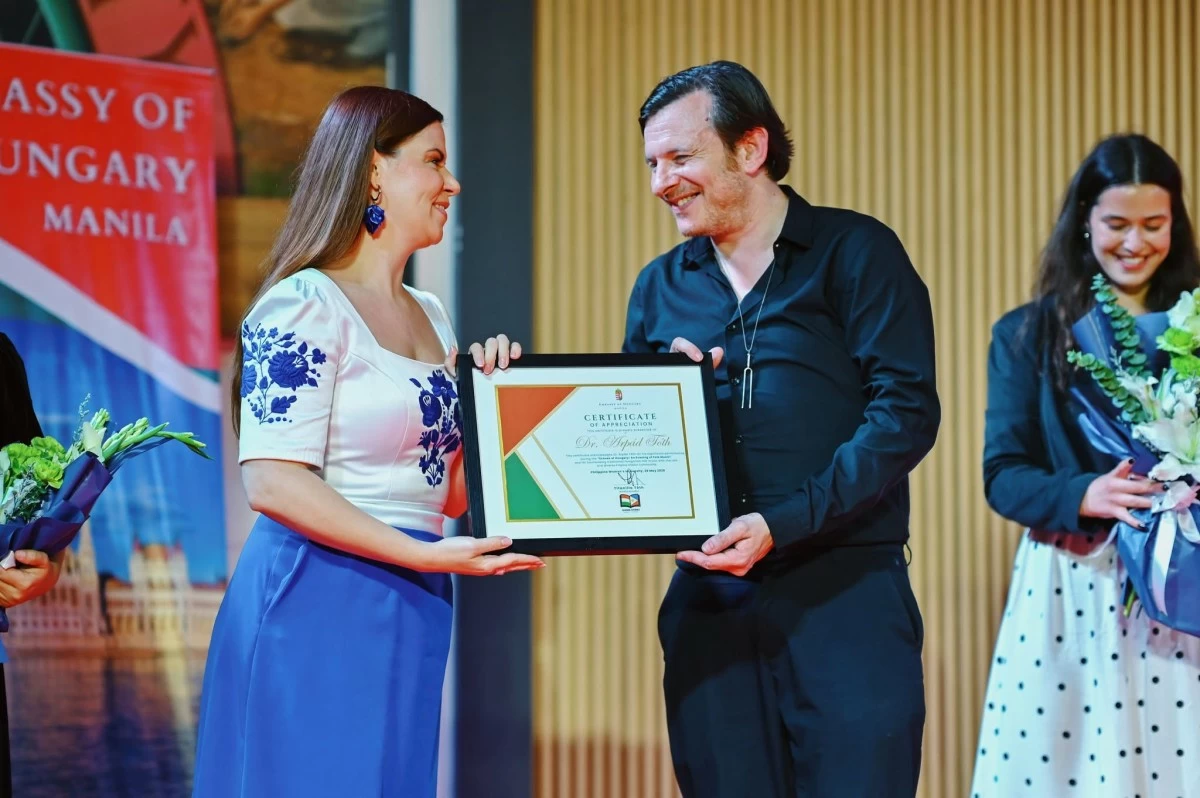
Ambassador Dr. Titanilla Tóth awards Dr. Árpád Tóth with a certificate of appreciation for his performance. (Photos: Hungarian Embassy)
Folk music has a way of preserving what history books sometimes cannot. Long after borders shift and generations pass, songs continue to carry stories, traditions, and a sense of identity from one generation to the next.
That idea was at the heart of ”Echoes of Hungary: An Evening of Folk Music”, hosted by the Embassy of Hungary at the Philippine Women’s University on May 29 as part of its Shared Stories of Hungary and the Philippines cultural diplomacy series.
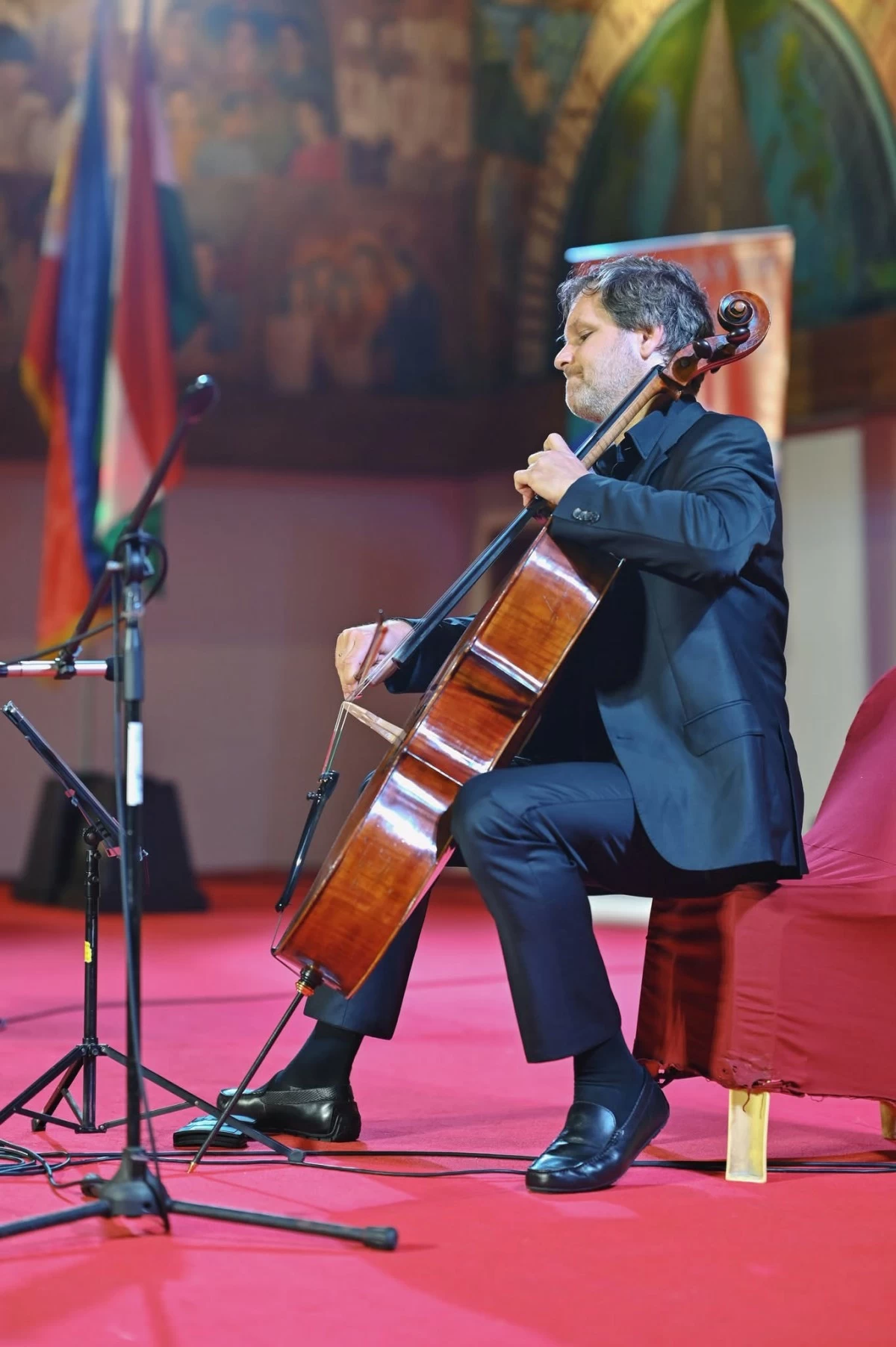
Dr. Árpád Tóth reflects on the timeless meaning of folk song arrangements in Kodály’s era
The concert brought together members of the diplomatic and consular corps, cultural partners, musicians, and friends of Hungary and the Philippines for an evening that explored the connections between heritage, music, and cultural exchange.
In her remarks, Hungarian Ambassador Titanilla Tóth reflected on the role of folk traditions in preserving a nation’s identity and bringing people together across cultures.
“Tonight, we gather for more than a concert. We gather for an encounter — between cultures, between histories, and between people,” she said. “There is no better way to begin such an encounter than through music.”

Hungarian wine was served at the event to complement the occasion
Leading the program was renowned Hungarian conductor and music educator Dr. Árpád Tóth, who was in Manila for the annual Kodály Certificate Course organized by the Kodály Society of the Philippines. He was joined by internationally acclaimed Hungarian cellist Zoltán Onczay, Manila Symphony Orchestra concertmaster Sara Maria Gonzales, pianist Carolyn K. Cheng, and members of the Kodály Society choir.
The evening opened with Ferenc Liszt’s Resignation before moving into works inspired by Hungary’s rich folk traditions. Compositions by Zoltán Kodály, Béla Bartók, György Ligeti, Lajos Bárdos, and József Karai highlighted how folk melodies and stories continue to influence Hungarian musical culture.
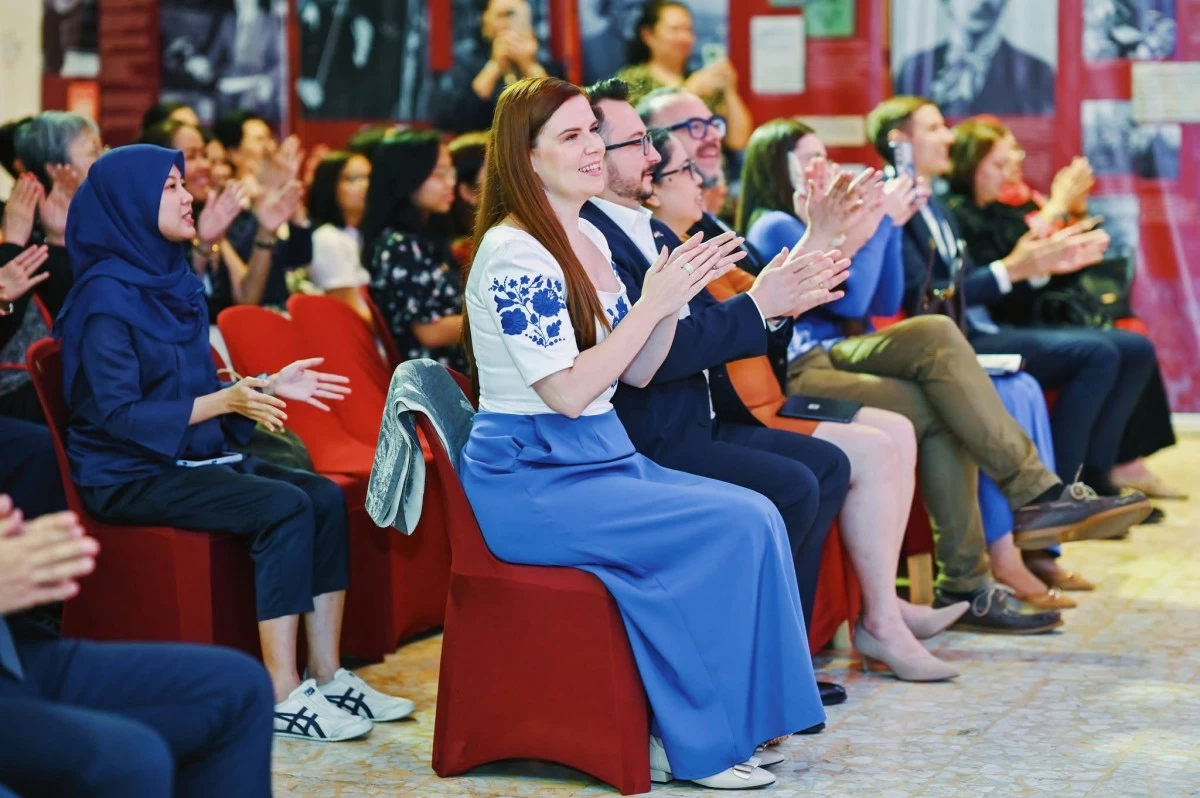
Ambassador Dr. Titanilla Tóth enjoys the performance along with other guests
Adding a Filipino dimension to the program, the choir also performed “Di Ba?”, a folk song arranged by composer Arjay Viray, reflecting the spirit of cultural dialogue that has become a hallmark of the series.
For Ambassador Tóth, cultural diplomacy is built through genuine collaboration and shared experiences. She noted that folk music serves as a living repository of memory, carrying traditions and identities across generations.
The concert marked the third installment of “Shared Stories of Hungary” and the Philippines, which has previously explored dance, literature, and music as avenues for strengthening people-to-people ties between the two countries.
By bringing together Hungarian and Filipino musicians on one stage, Echoes of Hungary demonstrated how cultural exchange can create meaningful connections—one song at a time.