






Manila Bulletin
 Philippines
National
Padilla proposal to imprison 10-year-olds for offenses 'barbaric', says Tinio
Philippines
National
Padilla proposal to imprison 10-year-olds for offenses 'barbaric', says Tinio
Philippines
National
Padilla proposal to imprison 10-year-olds for offenses 'barbaric', says Tinio
Padilla proposal to imprison 10-year-olds for offenses 'barbaric', says Tinio
Published Jun 23, 2026 06:26 pm


At A Glance
- Rep. Antonio Tinio slams Senator Robin Padilla's proposal to lower the age of criminal responsibility to 10, calling it barbaric and a betrayal of government responsibility.
- He argues that existing laws already provide rehabilitation mechanisms for minors, and that criminalizing children ignores root causes like poverty, underfunded schools, and lack of counselors and psychosocial support.
- Tinio warned the proposal would disproportionately punish poor children while wealthy ones escape, and urged Congress to reject it and instead invest in education, mental health, and community support.
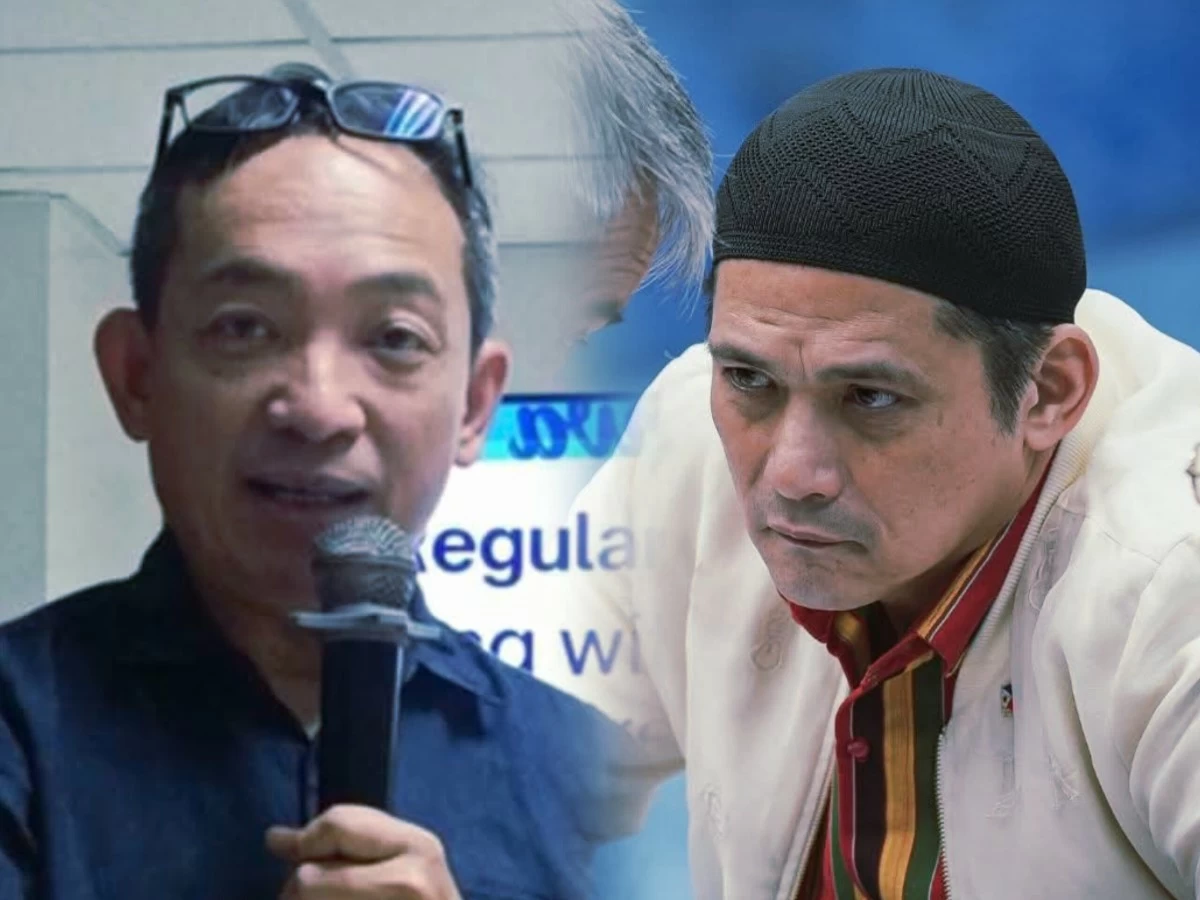
ACT Teachers Party-list Rep. Antonio Tinio (left), Senator Robinhood "Robin" Padilla (Facebook)
Barbaric and fundamentally wrong.
That's how House Deputy Minority Leader and ACT Teachers Party-list Rep. Antonio Tinio described Senator Robinhood "Robin" Padilla's proposal to lower the age of criminal responsibility from 15 to 10 years old.
This, even as public emotions remained high in the aftermath of the shooting incident at San Jose National High School in Tacloban City, Leyte that claimed the lives of three minors.
The two shooters were reportedly aged 14 and 15.
Tinio stressed that existing laws already provide adequate mechanisms to address offenses committed by minors without resorting to criminalization of children.
Under the Juvenile Justice and Welfare Act, children in conflict with the law undergo a diversion process and are referred to rehabilitation facilities such as Bahay Pag-asa rather than being imprisoned. The law recognizes that children require rehabilitation and support, not punishment.
Padilla's proposal would abandon this protective framework and convert children into criminals.
"The proposal to imprison 10-year-olds is barbaric. It represents the ultimate abdication of government responsibility," Tinio said.
"Rather than addressing root causes of youth violence—chronic underfunding, severe shortages of guidance counselors, overcrowded classrooms, and inadequate psychosocial support—this proposal would criminalize vulnerable children instead of providing the care they desperately need," said the Makabayan congressman.
According to Tinio, lowering the criminal age would punish children who may themselves be victims of adult influence, exploitation, or circumstances beyond their control.
The priority, he noted, must be holding accountable the adults who exploit and influence children--not imprisoning the children themselves.
"Violence develops within social conditions marked by poverty, family distress, and the erosion of public services. The government created these conditions through decades of corruption and underfunding. Now it proposes to punish children instead of addressing its own failures.
"This is not justice. This is cruelty," reckoned Tinio.
"The proposal would disproportionately affect poor and marginalized children, who are already overrepresented in the criminal justice system. Wealthy children would escape through family resources; poor children would be imprisoned," he said of Padilla's pitch.
The militant solon said public schools already face shortages of 150,000 teachers and 160,000 classrooms nationwide, while thousands lack guidance counselors, nurses, and mental health professionals.
"Ang pagbaba ng edad ng criminal responsibility sa 10 taong gulang ay hindi makarao at walang kaluluwa. Ito ay kriminalisasyon ng mga batang Pilipino dahil sa kabiguan ng pamahalaan. Hindi dapat ikulong ang mga bata dahil sa kapabayaan at kahirapaan. Ang mga bata ay biktima, hindi kriminal," said the teacher-solon.
(Lowering the age of criminal responsibility to 10 years old is cruel and soulless. It is the criminalization of Filipino children caused by the government’s failure. Children should not be imprisoned because of neglect and poverty. Children are victims, not criminals.)
"Safe schools require social investment and genuine commitment to youth welfare, not barbaric criminalization of children. Congress must reject this proposal and instead increase education funding, hire more counselors and mental health professionals, and strengthen community support systems," Tinio further said.