

ADVERTISEMENT

Celebrating Earth's greatest biodiversity treasures on World Rainforest Day

Published Jun 23, 2026 01:26 pm
Every June 22, the world observes World Rainforest Day, a global call to protect one of the planet’s most important ecosystems. Established by Rainforest Partnership in 2017, the annual observance serves as a reminder that rainforests are critical to biodiversity conservation, climate regulation, and the well-being of millions of people worldwide. According to World Rainforest Day organizers, rainforests cover only about six percent of the Earth’s surface, yet harbor approximately half of all terrestrial biodiversity.
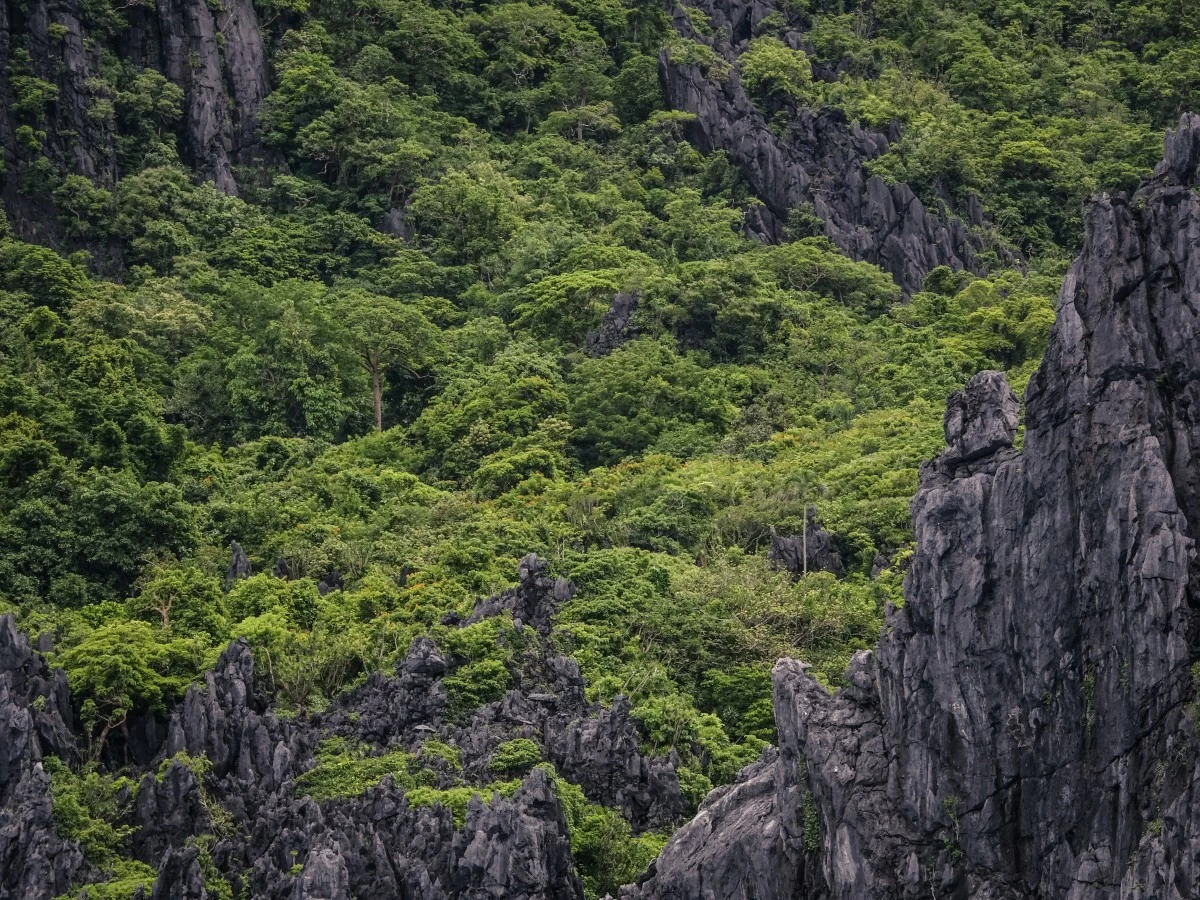
Forests of Palawan (Image by Joshimer Binas via Pexels)
For the Philippines, rainforests are more than ecological treasures; they are the foundation of biodiversity, cultural heritage, and environmental resilience. “Rainforests are our greatest allies when it comes to countering and reversing some of the worst effects of climate change,” the World Rainforest Day campaign states, emphasizing the role of forests in carbon storage, water regulation, and climate stability.
The Philippines was once blanketed by extensive tropical rainforests. Today, while significant forest landscapes remain, decades of logging, land conversion, and development have reduced forest cover in many parts of the country. Despite these losses, the archipelago continues to host some of Southeast Asia’s most biologically significant rainforest ecosystems.
Among the most important rainforest regions are the Sierra Madre Mountain Range in Luzon, often described as the country’s natural shield against typhoons; the Northern Sierra Madre Natural Park in Isabela, the largest protected area in the Philippines; the forests of Palawan, known as the nation’s “last ecological frontier”; and the extensive forest ecosystems of Mindanao, including those found in Bukidnon, the Davao Region, and Mount Apo Natural Park.
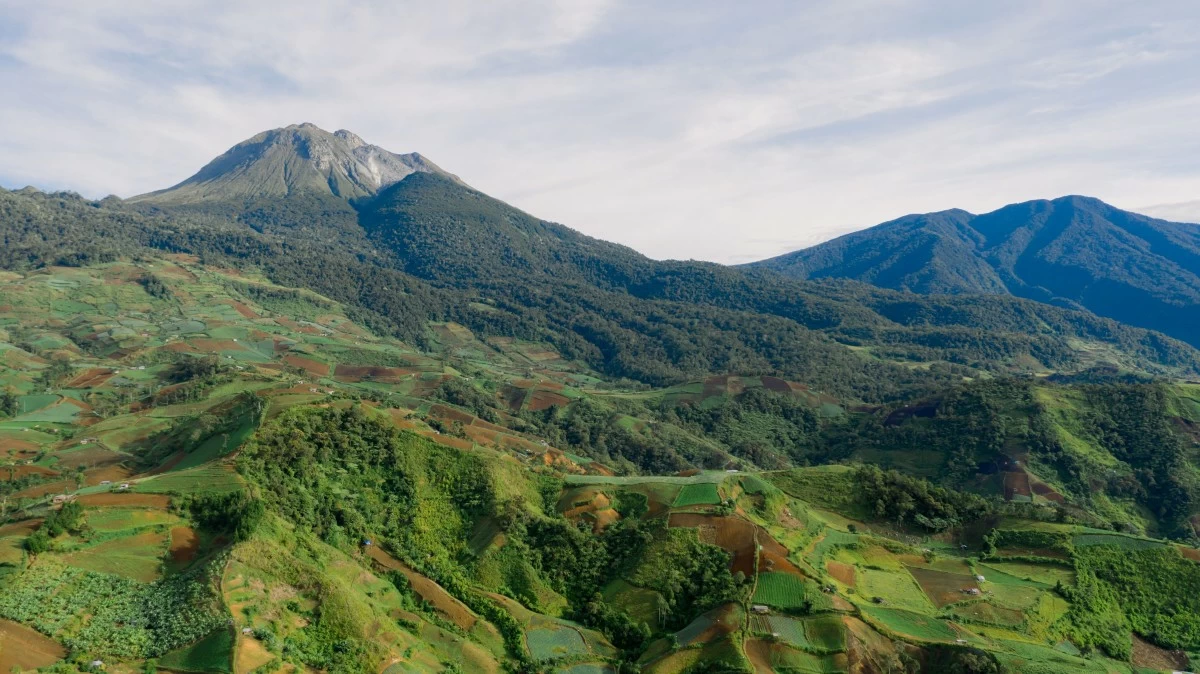
Mt. Apo (Image by Dax Dexter Delada via Pexels)
The nation’s forests also provide habitat for some of its most iconic wildlife, including the critically endangered Philippine eagle, the Philippine tarsier, the Philippine crocodile, the tamaraw, Visayan spotted deer, the Philippine pangolin, and numerous species of hornbills, bats, reptiles, and amphibians.
Recent scientific discoveries continue to highlight the richness of Philippine biodiversity. In 2025, researchers announced the discovery of six previously unknown bat species in the country’s forests, underscoring the Philippines’ status as a global biodiversity hotspot and the importance of conserving its remaining natural habitats.
Yet despite their ecological importance, Philippine rainforests face mounting pressures. Deforestation remains among the most significant threats. Illegal logging, agricultural expansion, mining activities, infrastructure development, and land conversion continue to fragment and degrade forest habitats.
Climate change further intensifies these challenges. Rising temperatures, shifting rainfall patterns, stronger typhoons, and prolonged droughts place increasing stress on forest ecosystems. Globally, rainforest experts warn that forest destruction weakens natural carbon storage and disrupts water cycles upon which communities depend.
Wildlife trafficking also threatens many endemic species. As habitats shrink, wildlife populations become increasingly vulnerable to illegal hunting and human-wildlife conflict.
As the world marks World Rainforest Day, the Philippines’ rainforests stand as powerful reminders of both nature’s value and its vulnerability. They provide clean air, freshwater, climate protection, food security, and livelihoods for millions of Filipinos while sheltering some of the planet’s most unique wildlife.

Related Tags

ENVIRONMENT biodiversity conservation World Rainforest Day
ADVERTISEMENT
.most-popular .layout-ratio{ padding-bottom: 79.13%; } @media (min-width: 768px) and (max-width: 1024px) { .widget-title { font-size: 15px !important; } }

{{ articles_filter_1561_widget.title }}

.most-popular .layout-ratio{ padding-bottom: 79.13%; } @media (min-width: 768px) and (max-width: 1024px) { .widget-title { font-size: 15px !important; } }

{{ static_articles_1562_widget.title }}

.most-popular .layout-ratio{ padding-bottom: 79.13%; } @media (min-width: 768px) and (max-width: 1024px) { .widget-title { font-size: 15px !important; } }

{{ articles_filter_1563_widget.title }}

{{ articles_filter_1564_widget.title }}

.mb-article-details { position: relative; } .mb-article-details .article-body-preview, .mb-article-details .article-body-summary{ font-size: 17px; line-height: 30px; font-family: "Libre Caslon Text", serif; color: #000; } .mb-article-details .article-body-preview iframe , .mb-article-details .article-body-summary iframe{ width: 100%; margin: auto; } .read-more-background { background: linear-gradient(180deg, color(display-p3 1.000 1.000 1.000 / 0) 13.75%, color(display-p3 1.000 1.000 1.000 / 0.8) 30.79%, color(display-p3 1.000 1.000 1.000) 72.5%); position: absolute; height: 200px; width: 100%; bottom: 0; display: flex; justify-content: center; align-items: center; padding: 0; } .read-more-background a{ color: #000; } .read-more-btn { padding: 17px 45px; font-family: Inter; font-weight: 700; font-size: 18px; line-height: 16px; text-align: center; vertical-align: middle; border: 1px solid black; background-color: white; } .hidden { display: none; }
function initializeAllSwipers() { // Get all hidden inputs with cms_article_id document.querySelectorAll('[id^="cms_article_id_"]').forEach(function (input) { const cmsArticleId = input.value; const articleSelector = '#article-' + cmsArticleId + ' .body_images'; const swiperElement = document.querySelector(articleSelector); if (swiperElement && !swiperElement.classList.contains('swiper-initialized')) { new Swiper(articleSelector, { loop: true, pagination: false, navigation: { nextEl: '#article-' + cmsArticleId + ' .swiper-button-next', prevEl: '#article-' + cmsArticleId + ' .swiper-button-prev', }, }); } }); } setTimeout(initializeAllSwipers, 3000); const intersectionObserver = new IntersectionObserver( (entries) => { entries.forEach((entry) => { if (entry.isIntersecting) { const newUrl = entry.target.getAttribute("data-url"); if (newUrl) { history.pushState(null, null, newUrl); let article = entry.target; // Extract metadata const author = article.querySelector('.author-section').textContent.replace('By', '').trim(); const section = article.querySelector('.section-info ').textContent.replace(' ', ' '); const title = article.querySelector('.article-title h1').textContent; // Parse URL for Chartbeat path format const parsedUrl = new URL(newUrl, window.location.origin); const cleanUrl = parsedUrl.host + parsedUrl.pathname; // Update Chartbeat configuration if (typeof window._sf_async_config !== 'undefined') { window._sf_async_config.path = cleanUrl; window._sf_async_config.sections = section; window._sf_async_config.authors = author; } // Track virtual page view with Chartbeat if (typeof pSUPERFLY !== 'undefined' && typeof pSUPERFLY.virtualPage === 'function') { try { pSUPERFLY.virtualPage({ path: cleanUrl, title: title, sections: section, authors: author }); } catch (error) { console.error('ping error', error); } } // Optional: Update document title if (title && title !== document.title) { document.title = title; } } } }); }, { threshold: 0.1 } ); function showArticleBody(button) { const article = button.closest("article"); const summary = article.querySelector(".article-body-summary"); const body = article.querySelector(".article-body-preview"); const readMoreSection = article.querySelector(".read-more-background"); // Hide summary and read-more section summary.style.display = "none"; readMoreSection.style.display = "none"; // Show the full article body body.classList.remove("hidden"); } document.addEventListener("DOMContentLoaded", () => { let loadCount = 0; // Track how many times articles are loaded const offset = [1, 2, 3, 4, 5, 6, 7, 8, 9, 10]; // Offset values const currentUrl = window.location.pathname.substring(1); let isLoading = false; // Prevent multiple calls if (!currentUrl) { console.log("Current URL is invalid."); return; } const sentinel = document.getElementById("load-more-sentinel"); if (!sentinel) { console.log("Sentinel element not found."); return; } function isSentinelVisible() { const rect = sentinel.getBoundingClientRect(); return ( rect.top < window.innerHeight && rect.bottom >= 0 ); } function onScroll() { if (isLoading) return; if (isSentinelVisible()) { if (loadCount >= offset.length) { console.log("Maximum load attempts reached."); window.removeEventListener("scroll", onScroll); return; } isLoading = true; const currentOffset = offset[loadCount]; window.loadMoreItems().then(() => { let article = document.querySelector('#widget_1690 > div:nth-last-of-type(2) article'); intersectionObserver.observe(article) loadCount++; }).catch(error => { console.error("Error loading more items:", error); }).finally(() => { isLoading = false; }); } } window.addEventListener("scroll", onScroll); });

Sign up by email to receive news.