







The business of peace begins with opportunity
Published Jun 22, 2026 12:05 am
|
Updated Jun 21, 2026 03:21 pm


FROM THE MARGINS
Peace is often celebrated when agreements are signed, conflicts are resolved, and communities are declared secure. But for families living in formerly conflict-affected areas, peace becomes meaningful only when it creates opportunities to earn a living, educate their children, access healthcare, and build a better future.
This realization was at the heart of the International and Private Partners' Forum (IPPF) 2026 held on June 5 at the Manila Hotel. Organized by the Office of the Presidential Adviser on Peace, Reconciliation, and Unity (OPAPRU), the well-attended gathering brought together representatives from government, the diplomatic corps, international development organizations, the private sector, and civil society under the theme, "The Business of Peace: Readiness of Peace and Development Zones for Investments."
The forum underscored a simple but powerful truth: peace and economic inclusion go hand in hand.
National leaders presented a compelling vision of how peacebuilding and development must work together. National Economic and Development Authority (NEDA) Deputy Director-General Rosemarie Edillon presented a revalida of AmBisyon Natin 2040, underscoring how the national aspiration for a “matatag, maginhawa, at panatag na buhay” (strongly rooted, comfortable, and secure life) is inseparable from the hard-won gains of the peace process. She emphasized that long-term development cannot thrive without peacebuilding, highlighting how investments in human capital, local infrastructure, and regional economies accelerate progress. Complementing this perspective, the Philippine Statistics Authority (PSA) highlighted the Community-Based Monitoring System (CBMS), which helps ensure that development interventions reach the households and communities that need them most.
As one of the plenary speakers, I shared lessons from our network’s work in advancing financial inclusion among underserved populations. Over the years, we have learned that sustainable peace requires more than infrastructure projects or one-time assistance. It requires economic systems that enable families to participate in growth and improve their lives through their own efforts.
This lesson is especially relevant in the Bangsamoro Autonomous Region in Muslim Mindanao (BARMM) and BASULTA (Basilan, Sulu, and Tawi-Tawi) provinces, where many communities have historically faced both poverty and conflict. Through initiatives such as Paglambo, our growth-oriented microfinance program, we support microentrepreneurs seeking to start or expand small businesses. Through Shariah-compliant financial services, we provide products that respect the faith, values, and traditions of Muslim communities. Through Mikrotakaful, we offer microinsurance solutions that help vulnerable families manage risks and recover from unexpected setbacks.
Yet financial inclusion is about more than financing, savings, and insurance. It is about creating pathways to opportunity. So, we help communities gain access to markets, promote digital financial services, and connect families to education and healthcare. We found that when families build sustainable livelihoods and local enterprises begin to thrive, the foundations of peace become stronger.
Agriculture emerged as a vital pillar of rural transformation. Department of Agriculture (DA) Undersecretary Cheryl Marie Natividad-Caballero, stressed the need to drive private investment into “hard-to-reach” areas. Central to this effort is linking producers, buyers, and logistics providers to stabilize markets and cut post-harvest losses. Further, DA seeks to strengthen value chains, expand market access, raise farmer incomes, and improve supply-demand matching.
Usec. Natividad-Caballero also outlined priority programs for high-value crops such as cacao, coffee, black pepper, onions, garlic, and ube (purple yam), emphasizing their potential for commercialization. The viability of these investments was reinforced by testimonials from the US International Development Finance Corporation and the Kennemer Group, which highlighted the social and economic returns of rural engagement. A compelling example is Kennemer’s support for indigenous peoples and rural communities, helping them scale sustainable coffee production.
At the center of these discussions was the concept of Creating Shared Value (CSV), emphasized by OPAPRU Secretary Mel Senen Sarmiento in his keynote address. The CSV concept deliberately moves beyond traditional, short-term assistance, focusing instead on how public-private partnerships can generate sustainable livelihood opportunities and strengthen communities in regions formerly fractured by conflict.
Secretary Sarmiento also highlighted the critical role of local government units. He said that by reducing bureaucratic barriers, improving governance, facilitating investments, and creating a business-friendly environment, local leaders can help transform former conflict areas into centers of growth and opportunity.
As the discussions concluded, participants were reminded that the true measure of peace is not the number of agreements signed or programs launched. Rather, it is reflected in the lives of ordinary people.
For communities in Mindanao and other historically marginalized regions, peace must be measured in businesses established, farms made productive, children kept in school, families protected from economic shocks, and opportunities made accessible to all.
The challenge now is to convert commitments into action. When investments reach last-mile communities, when financial services become accessible to the excluded, and when economic opportunities are shared broadly, peace ceases to be merely a political achievement. It becomes a lived reality.
That, ultimately, is the most important business of peace.
* * *
“When everyone is included, everyone wins.” – Jesse Jackson
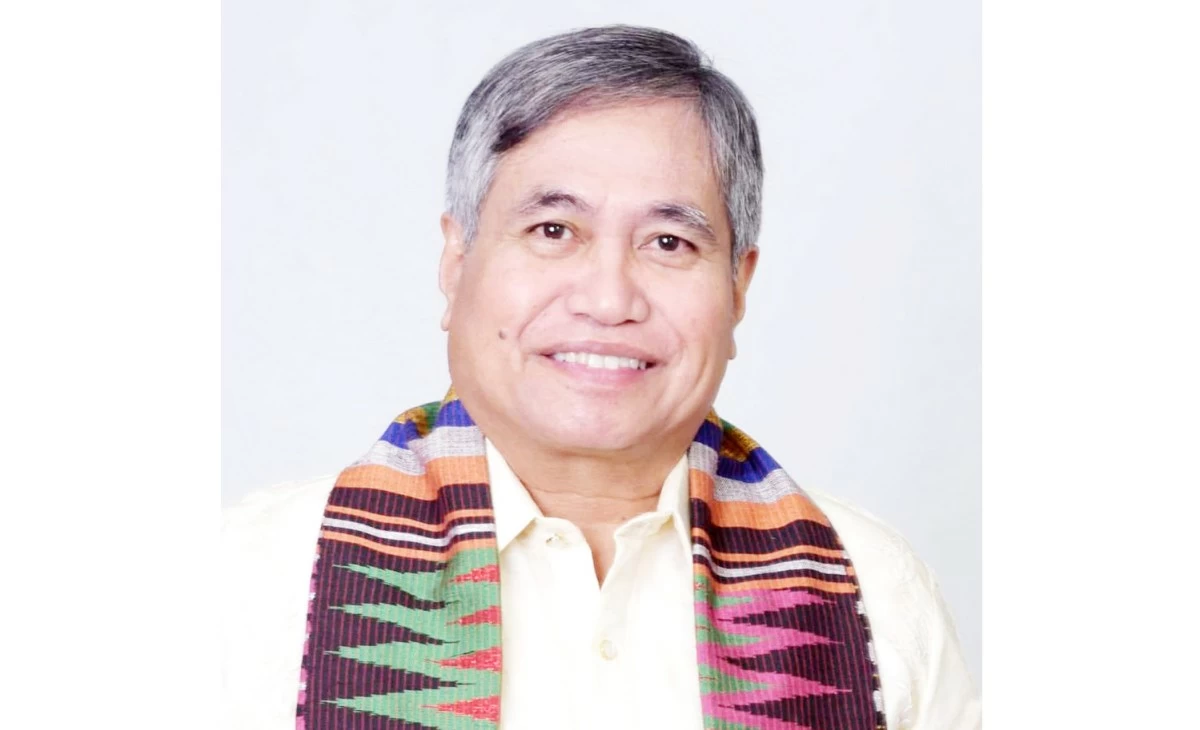
(Dr. Jaime Aristotle B. Alip is a poverty eradication advocate. He is the founder of the Center for Agriculture and Rural Development Mutually-Reinforcing Institutions (CARD MRI), a group of 23 organizations that provide social development services to 8 million economically-disadvantaged Filipinos and insure more than 27 million nationwide.)