






Manila Bulletin
 Business
Banking & Finance
Philippines seeks $1.5-billion ADB loan to fight energy crisis
Business
Banking & Finance
Philippines seeks $1.5-billion ADB loan to fight energy crisis
Business
Banking & Finance
Philippines seeks $1.5-billion ADB loan to fight energy crisis
Philippines seeks $1.5-billion ADB loan to fight energy crisis
By Derco Rosal
Published Jun 22, 2026 08:00 pm
|
Updated Jun 22, 2026 03:06 pm


At A Glance
- Department of Finance (DOF) Secretary Frederick D. Go revealed that the Philippines is seeking fast-disbursing financial assistance from the Asian Development Bank (ADB) amounting to up to $1.5 billion (around ₱91 billion) to ramp up its energy crisis response measures.
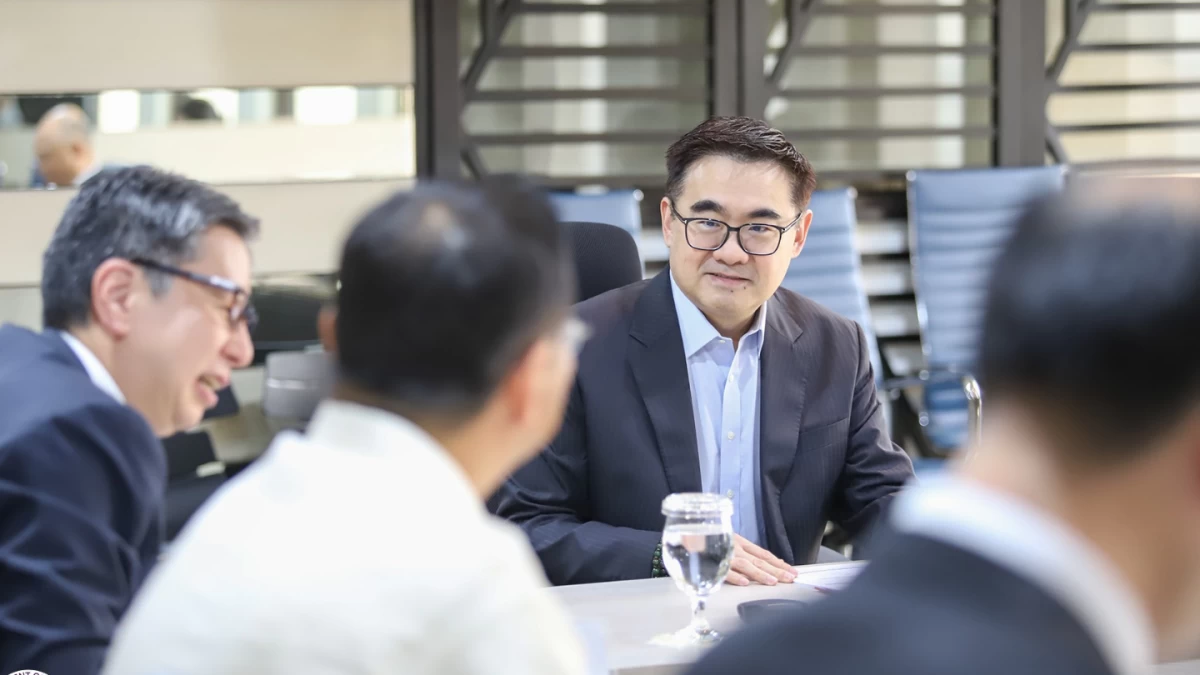
The Marcos administration is seeking up to ₱91 billion ($1.5 billion) in fast-disbursing financial assistance from the Asian Development Bank (ADB) to bolster its response to an ongoing energy crisis, according to the Department of Finance (DOF).
Finance Secretary Frederick D. Go told reporters that the government intends to tap the Manila-based multilateral lender’s countercyclical support facility (CSF) to shield the domestic economy from international spillovers tied to the highly volatile conflict involving the United States (US) and Iran.
“We have expressed our intent to tap the ADB countercyclical support facility of up to $1.5 billion to provide additional funding for response measures under the Unified Package for Livelihoods, Industry, Food, and Transport (UPLIFT) program,” Go said.
He noted that scaling up the fund would elevate the whole-of-government response to the lingering impacts of the Middle East conflict.
Oil-carrying ships have stopped sailing through the Strait of Hormuz after Iran ordered another closure following alleged violations of a ceasefire agreement involving the US and Israel. The closure of this critical waterway threatens to push oil prices higher once again, potentially destabilizing global economies after nearly four months of war.
According to the Finance chief, the CSF would include assistance to vulnerable sectors, targeting beneficiaries such as public utility vehicle (PUV) drivers and farmers. Deploying this support is intended to cushion Filipinos from the impact of supply shocks and related disruptions.
Go explained that the CSF provides rapid budget support to member countries facing external shocks, citing previous deployments during pandemics and the global financial crisis (GFC). Currently, those economic pressures are largely stemming from the Middle East conflict.
While the Marcos administration is moving with urgency, Go explained that securing such specialized financial instruments requires the government to complete a rigorous evaluation process before the funds can be finalized.
This ADB loan forms part of a broader borrowing strategy for the second half of the year, as the government navigates volatile market conditions.
“We are closely monitoring market conditions and assessing the appropriate timing for a potential RTB offering. We may be issuing RTBs in the second half of the year,” Go said. The Bureau of the Treasury (BTr) previously raised a total of ₱425.6 billion from retail treasury bonds (RTBs) in 2025.
Last week, the BTr stated that the national government completed its foreign borrowing program for 2026 after raising $2.5 billion through its latest US dollar-denominated bond offering.
This marked the second and final time the Philippines tapped the international debt market to secure financing for the country’s ₱6.793 trillion national budget for the current fiscal year.