

ADVERTISEMENT

Japan to raise visa fees for foreigners fivefold from July

Published Jun 22, 2026 08:38 am

At A Glance

  • Japan will increase visa fees for foreign nationals by as much as five times starting July 1.
  • Single-entry visa fees will rise from 3,000 yen to 15,000 yen, while multiple-entry visas will jump from 6,000 yen to 30,000 yen.
  • The increase comes even as Japan is studying possible visa-free entry and easier travel arrangements for Filipinos.
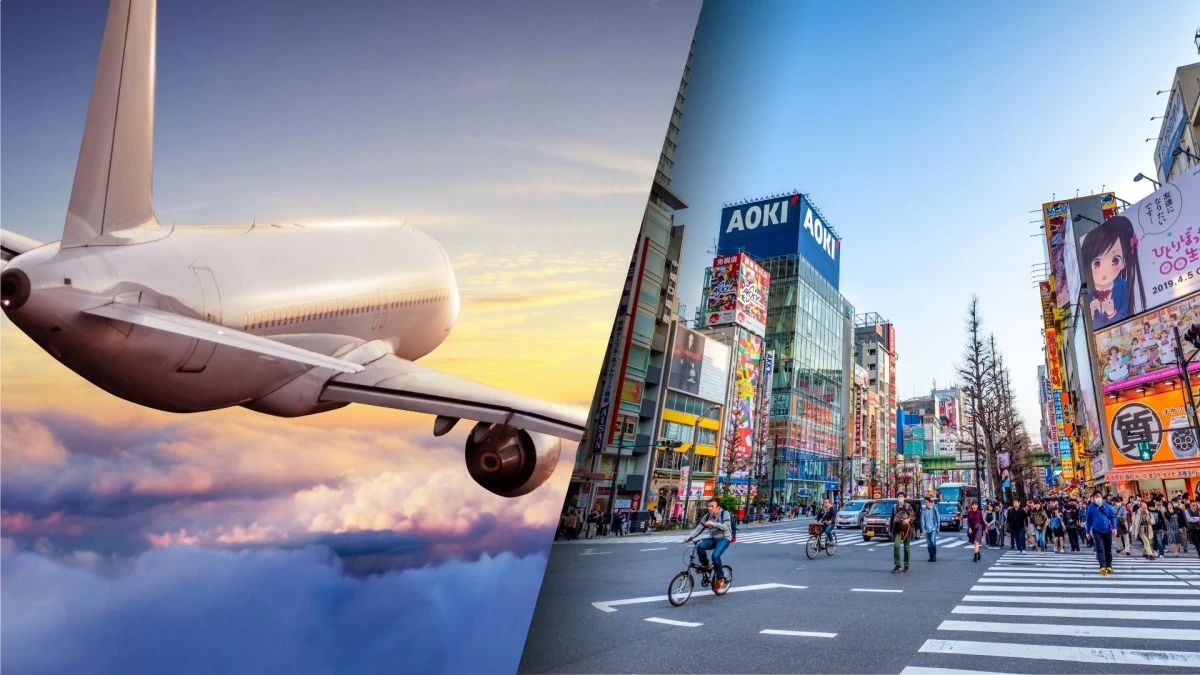
Canva photos
Canva photos

Filipinos planning to travel to Japan may soon have to pay higher visa fees, as the Japanese government announced a fivefold increase in entry visa fees effective July 1.

Under the revised fee structure, the cost of a single-entry visa will increase from 3,000 yen (about P1,170) to 15,000 yen (about P5,850), while the cost of a multiple-entry visa will rise from 6,000 yen (about P2,340) to 30,000 yen (about P11,700).

Japanese Foreign Minister Motegi Toshimitsu announced the changes following a ministerial meeting that approved amendments to the ordinance on visa fees and related charges. The new rates will apply to applications filed starting July 1.

He explained that the change reflects rising prices, adding that he does not expect it to have an immediate impact on inbound tourism.

Higher costs after nearly five decades

The fee adjustment marks Japan's first major revision of foreign visa charges in nearly 48 years and is aimed at offsetting increasing administrative costs related to immigration and visa processing.

The revised fees are expected to affect all foreign nationals applying for Japanese visas, including tourists, students, and business travelers.

The announcement comes just weeks after Japanese Ambassador to the Philippines Endo Kazuya said Tokyo is studying measures to make travel to Japan easier for Filipinos, including the possibility of visa-free entry.

Endo earlier said the Japanese Embassy in Manila has been making "steady efforts" to improve and streamline visa application processes and would continue exploring better arrangements for Filipino travelers.

Japan has already eased some visa requirements for Filipinos in recent years, including relaxing multiple-entry visa requirements for citizens with substantial income and granting visa-free entry to holders of Philippine diplomatic passports since October 2024.

People-to-people exchanges remain a cornerstone of Philippines-Japan relations, with Japan consistently ranking among the top overseas destinations for Filipino tourists and workers.

Related Tags

Japan Tourism Tokyo Visa fee Visa application
ADVERTISEMENT
.most-popular .layout-ratio{ padding-bottom: 79.13%; } @media (min-width: 768px) and (max-width: 1024px) { .widget-title { font-size: 15px !important; } }

{{ articles_filter_1561_widget.title }}

.most-popular .layout-ratio{ padding-bottom: 79.13%; } @media (min-width: 768px) and (max-width: 1024px) { .widget-title { font-size: 15px !important; } }

{{ static_articles_1562_widget.title }}

.most-popular .layout-ratio{ padding-bottom: 79.13%; } @media (min-width: 768px) and (max-width: 1024px) { .widget-title { font-size: 15px !important; } }

{{ articles_filter_1563_widget.title }}

{{ articles_filter_1564_widget.title }}

.mb-article-details { position: relative; } .mb-article-details .article-body-preview, .mb-article-details .article-body-summary{ font-size: 17px; line-height: 30px; font-family: "Libre Caslon Text", serif; color: #000; } .mb-article-details .article-body-preview iframe , .mb-article-details .article-body-summary iframe{ width: 100%; margin: auto; } .read-more-background { background: linear-gradient(180deg, color(display-p3 1.000 1.000 1.000 / 0) 13.75%, color(display-p3 1.000 1.000 1.000 / 0.8) 30.79%, color(display-p3 1.000 1.000 1.000) 72.5%); position: absolute; height: 200px; width: 100%; bottom: 0; display: flex; justify-content: center; align-items: center; padding: 0; } .read-more-background a{ color: #000; } .read-more-btn { padding: 17px 45px; font-family: Inter; font-weight: 700; font-size: 18px; line-height: 16px; text-align: center; vertical-align: middle; border: 1px solid black; background-color: white; } .hidden { display: none; }
function initializeAllSwipers() { // Get all hidden inputs with cms_article_id document.querySelectorAll('[id^="cms_article_id_"]').forEach(function (input) { const cmsArticleId = input.value; const articleSelector = '#article-' + cmsArticleId + ' .body_images'; const swiperElement = document.querySelector(articleSelector); if (swiperElement && !swiperElement.classList.contains('swiper-initialized')) { new Swiper(articleSelector, { loop: true, pagination: false, navigation: { nextEl: '#article-' + cmsArticleId + ' .swiper-button-next', prevEl: '#article-' + cmsArticleId + ' .swiper-button-prev', }, }); } }); } setTimeout(initializeAllSwipers, 3000); const intersectionObserver = new IntersectionObserver( (entries) => { entries.forEach((entry) => { if (entry.isIntersecting) { const newUrl = entry.target.getAttribute("data-url"); if (newUrl) { history.pushState(null, null, newUrl); let article = entry.target; // Extract metadata const author = article.querySelector('.author-section').textContent.replace('By', '').trim(); const section = article.querySelector('.section-info ').textContent.replace(' ', ' '); const title = article.querySelector('.article-title h1').textContent; // Parse URL for Chartbeat path format const parsedUrl = new URL(newUrl, window.location.origin); const cleanUrl = parsedUrl.host + parsedUrl.pathname; // Update Chartbeat configuration if (typeof window._sf_async_config !== 'undefined') { window._sf_async_config.path = cleanUrl; window._sf_async_config.sections = section; window._sf_async_config.authors = author; } // Track virtual page view with Chartbeat if (typeof pSUPERFLY !== 'undefined' && typeof pSUPERFLY.virtualPage === 'function') { try { pSUPERFLY.virtualPage({ path: cleanUrl, title: title, sections: section, authors: author }); } catch (error) { console.error('ping error', error); } } // Optional: Update document title if (title && title !== document.title) { document.title = title; } } } }); }, { threshold: 0.1 } ); function showArticleBody(button) { const article = button.closest("article"); const summary = article.querySelector(".article-body-summary"); const body = article.querySelector(".article-body-preview"); const readMoreSection = article.querySelector(".read-more-background"); // Hide summary and read-more section summary.style.display = "none"; readMoreSection.style.display = "none"; // Show the full article body body.classList.remove("hidden"); } document.addEventListener("DOMContentLoaded", () => { let loadCount = 0; // Track how many times articles are loaded const offset = [1, 2, 3, 4, 5, 6, 7, 8, 9, 10]; // Offset values const currentUrl = window.location.pathname.substring(1); let isLoading = false; // Prevent multiple calls if (!currentUrl) { console.log("Current URL is invalid."); return; } const sentinel = document.getElementById("load-more-sentinel"); if (!sentinel) { console.log("Sentinel element not found."); return; } function isSentinelVisible() { const rect = sentinel.getBoundingClientRect(); return ( rect.top < window.innerHeight && rect.bottom >= 0 ); } function onScroll() { if (isLoading) return; if (isSentinelVisible()) { if (loadCount >= offset.length) { console.log("Maximum load attempts reached."); window.removeEventListener("scroll", onScroll); return; } isLoading = true; const currentOffset = offset[loadCount]; window.loadMoreItems().then(() => { let article = document.querySelector('#widget_1690 > div:nth-last-of-type(2) article'); intersectionObserver.observe(article) loadCount++; }).catch(error => { console.error("Error loading more items:", error); }).finally(() => { isLoading = false; }); } } window.addEventListener("scroll", onScroll); });

Sign up by email to receive news.