ADVERTISEMENT

Instagram updates its Teen Accounts to limit unwanted interactions and age-inappropriate content

Making the feed teen-friendly

Published Jun 22, 2026 08:47 pm
COMING TOGETHER Leaders from private and government institutions are joining forces to protect the youth on social media (From left) Gio Tingson, Meta head for Public Policy, Philippine; Malina Enlund, Meta head of Safety Policy, APAC; Usec. Angelo Tapales, executive director V of the Council for the Welfare of Children (CWC); Ysrael Diloy, Child Protection specialist of Stairway Foundation; and Joseph Francisco Ortega, chairperson of the National Youth Commission (NYC). (Photos: Meta)
Whether it's sharing memes with friends, catching up on school events, or getting lost in an endless stream of reels, social media has become a huge part of everyday life for Filipino teens. According to the Meltwater Digital 2026 report, Filipino teenagers spend an average of three and a half to four hours a day on social media. That is a lot of time spent online and, while those hours can be fun and inspiring, they can also expose young users to strangers, inappropriate content, scams, and other digital risks.
To help make those online experiences safer, Meta has rolled out updated Instagram Teen Accounts in the Philippines. The new features are designed to give teens a more age-appropriate experience by default, while giving parents more peace of mind. The update was introduced during the Screen Smart Philippines event on June 18, at Fairmont Hotel, Makati City, a digital literacy initiative that gathered youth advocates, child protection groups, and government agencies to discuss online safety.
For teens, the changes mostly happen behind the scenes. Accounts for users aged 13 to 17 are automatically set to private. Messages can only come from people they already follow or are connected with. Tagging and mentions are limited, while offensive words and phrases are automatically filtered from comments and message requests. Instagram is also encouraging healthier screen habits. Teens will receive reminders after spending 60 minutes on the app and Sleep Mode automatically silences notifications and sends auto-replies between 10 p.m. and 7 a.m.
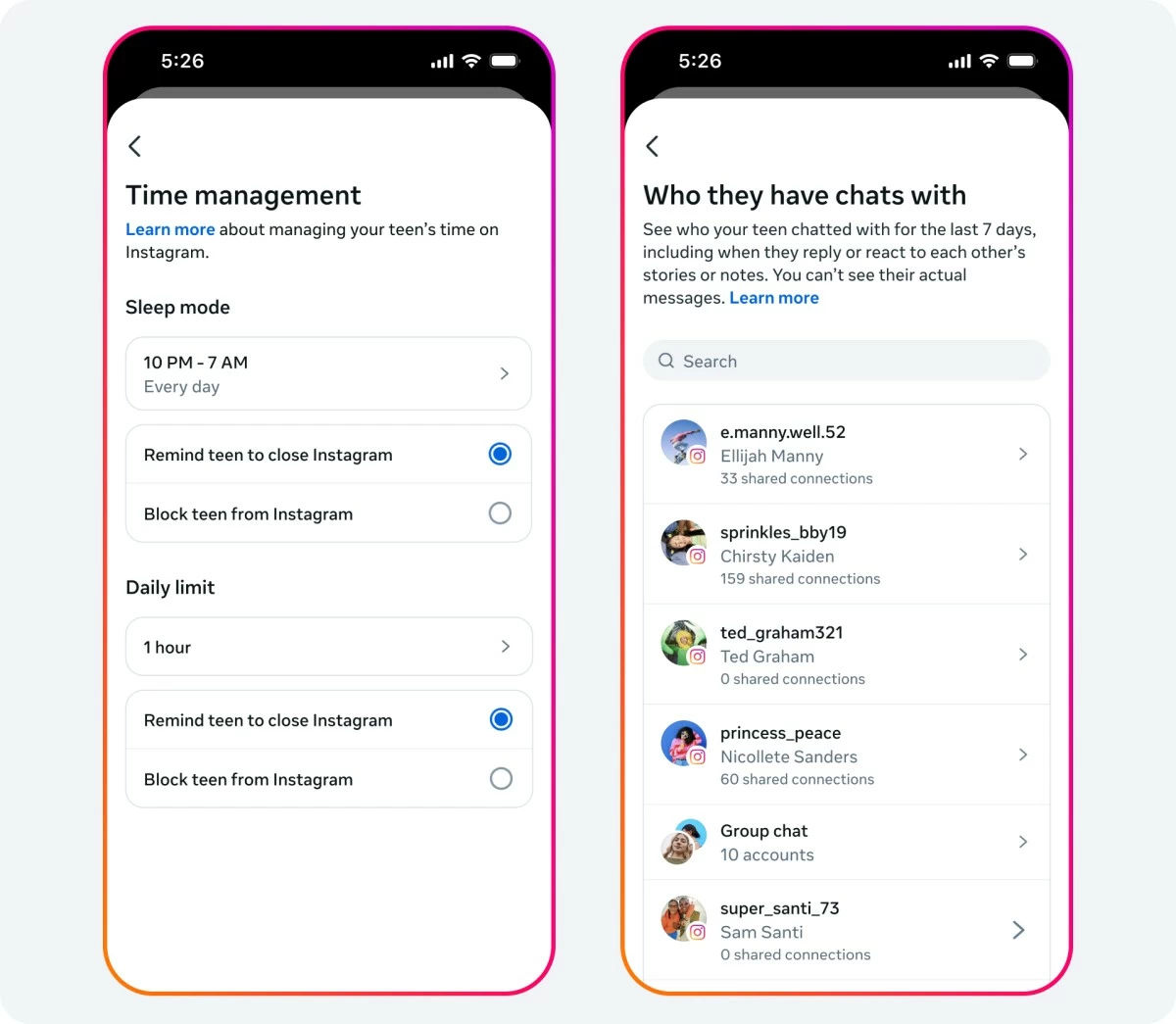
The platform is also updating the kind of content teens see by default. Inspired by content standards similar to movies rated for viewers aged 13 and above, the goal is to create a feed that is more suitable for younger users. But creating age-based protections comes with a challenge: how can a platform know whether someone is actually the age they claim to be?
Malina Enlund, Meta head of Safety Policy, APAC, admitted there is no simple solution. “Age, determining age is a very complex problem. The reason for that is that it is very difficult to find a privacy-preserving way that is accurate to determine a person's age,” she said.
At first glance, asking users to submit an ID may sound easy. But Meta argues that approach creates another problem. Many teenagers do not have government-issued IDs, and requiring users to upload sensitive documents raises privacy concerns.
“If we're collecting ID or government information, I don't think any of you wants to give your passport information to Meta,” she explained.
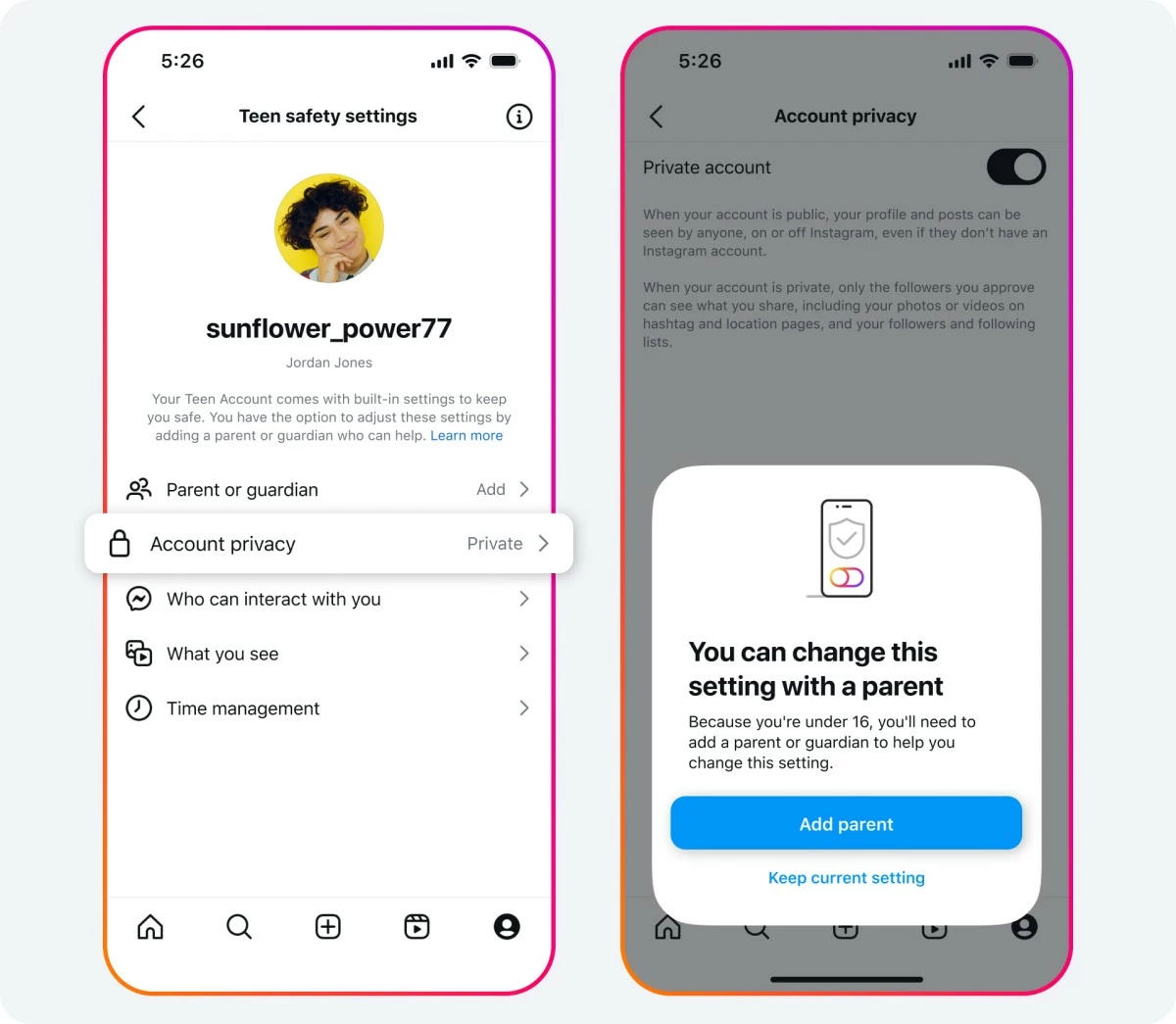
Instead, Meta currently relies on a mix of self-reported ages, verification processes, and technology that looks for signals that an account's declared age may not match a user's actual age. In some cases, users may be asked to verify their age through a selfie or supporting documents. The company also believes that app stores could eventually help solve the problem since age information is often collected when a device is first set up.
“What we really want is privacy. It doesn't require any IDs. The age signal needs to be collected in a way that is privacy preserving,” she said.
Apart from Instagram, teenage features are also available on Facebook. While this feature is designed to help parents guide their children in a responsible way of using social media, the reality is that some parents may have a hard time understanding these features. That is why Meta has partnered with various stakeholders, including the National Youth Commission, Council for the Welfare of Children, and Stairway Foundation.
The National Youth Commission is currently working with Meta on a digital safety education module that could eventually be rolled out through youth networks nationwide.
As teens continue to spend hours online every day, features like Teen Accounts show how social media platforms are trying to balance freedom, connection, and safety. While no system is perfect, the latest update is a reminder that creating a safer internet is not just about technology. It is also about helping young people become smarter and more confident digital citizens.

Related Tags

Meta Instagram Teen Accounts
ADVERTISEMENT
.most-popular .layout-ratio{ padding-bottom: 79.13%; } @media (min-width: 768px) and (max-width: 1024px) { .widget-title { font-size: 15px !important; } }

{{ articles_filter_1561_widget.title }}

.most-popular .layout-ratio{ padding-bottom: 79.13%; } @media (min-width: 768px) and (max-width: 1024px) { .widget-title { font-size: 15px !important; } }

{{ static_articles_1562_widget.title }}

.most-popular .layout-ratio{ padding-bottom: 79.13%; } @media (min-width: 768px) and (max-width: 1024px) { .widget-title { font-size: 15px !important; } }

{{ articles_filter_1563_widget.title }}

{{ articles_filter_1564_widget.title }}

.mb-article-details { position: relative; } .mb-article-details .article-body-preview, .mb-article-details .article-body-summary{ font-size: 17px; line-height: 30px; font-family: "Libre Caslon Text", serif; color: #000; } .mb-article-details .article-body-preview iframe , .mb-article-details .article-body-summary iframe{ width: 100%; margin: auto; } .read-more-background { background: linear-gradient(180deg, color(display-p3 1.000 1.000 1.000 / 0) 13.75%, color(display-p3 1.000 1.000 1.000 / 0.8) 30.79%, color(display-p3 1.000 1.000 1.000) 72.5%); position: absolute; height: 200px; width: 100%; bottom: 0; display: flex; justify-content: center; align-items: center; padding: 0; } .read-more-background a{ color: #000; } .read-more-btn { padding: 17px 45px; font-family: Inter; font-weight: 700; font-size: 18px; line-height: 16px; text-align: center; vertical-align: middle; border: 1px solid black; background-color: white; } .hidden { display: none; }
function initializeAllSwipers() { // Get all hidden inputs with cms_article_id document.querySelectorAll('[id^="cms_article_id_"]').forEach(function (input) { const cmsArticleId = input.value; const articleSelector = '#article-' + cmsArticleId + ' .body_images'; const swiperElement = document.querySelector(articleSelector); if (swiperElement && !swiperElement.classList.contains('swiper-initialized')) { new Swiper(articleSelector, { loop: true, pagination: false, navigation: { nextEl: '#article-' + cmsArticleId + ' .swiper-button-next', prevEl: '#article-' + cmsArticleId + ' .swiper-button-prev', }, }); } }); } setTimeout(initializeAllSwipers, 3000); const intersectionObserver = new IntersectionObserver( (entries) => { entries.forEach((entry) => { if (entry.isIntersecting) { const newUrl = entry.target.getAttribute("data-url"); if (newUrl) { history.pushState(null, null, newUrl); let article = entry.target; // Extract metadata const author = article.querySelector('.author-section').textContent.replace('By', '').trim(); const section = article.querySelector('.section-info ').textContent.replace(' ', ' '); const title = article.querySelector('.article-title h1').textContent; // Parse URL for Chartbeat path format const parsedUrl = new URL(newUrl, window.location.origin); const cleanUrl = parsedUrl.host + parsedUrl.pathname; // Update Chartbeat configuration if (typeof window._sf_async_config !== 'undefined') { window._sf_async_config.path = cleanUrl; window._sf_async_config.sections = section; window._sf_async_config.authors = author; } // Track virtual page view with Chartbeat if (typeof pSUPERFLY !== 'undefined' && typeof pSUPERFLY.virtualPage === 'function') { try { pSUPERFLY.virtualPage({ path: cleanUrl, title: title, sections: section, authors: author }); } catch (error) { console.error('ping error', error); } } // Optional: Update document title if (title && title !== document.title) { document.title = title; } } } }); }, { threshold: 0.1 } ); function showArticleBody(button) { const article = button.closest("article"); const summary = article.querySelector(".article-body-summary"); const body = article.querySelector(".article-body-preview"); const readMoreSection = article.querySelector(".read-more-background"); // Hide summary and read-more section summary.style.display = "none"; readMoreSection.style.display = "none"; // Show the full article body body.classList.remove("hidden"); } document.addEventListener("DOMContentLoaded", () => { let loadCount = 0; // Track how many times articles are loaded const offset = [1, 2, 3, 4, 5, 6, 7, 8, 9, 10]; // Offset values const currentUrl = window.location.pathname.substring(1); let isLoading = false; // Prevent multiple calls if (!currentUrl) { console.log("Current URL is invalid."); return; } const sentinel = document.getElementById("load-more-sentinel"); if (!sentinel) { console.log("Sentinel element not found."); return; } function isSentinelVisible() { const rect = sentinel.getBoundingClientRect(); return ( rect.top < window.innerHeight && rect.bottom >= 0 ); } function onScroll() { if (isLoading) return; if (isSentinelVisible()) { if (loadCount >= offset.length) { console.log("Maximum load attempts reached."); window.removeEventListener("scroll", onScroll); return; } isLoading = true; const currentOffset = offset[loadCount]; window.loadMoreItems().then(() => { let article = document.querySelector('#widget_1690 > div:nth-last-of-type(2) article'); intersectionObserver.observe(article) loadCount++; }).catch(error => { console.error("Error loading more items:", error); }).finally(() => { isLoading = false; }); } } window.addEventListener("scroll", onScroll); });

Sign up by email to receive news.