






 Business
The Economy
GWEC: Strategic investments in Subic, Bulalacao ports to unlock offshore wind potential
Business
The Economy
GWEC: Strategic investments in Subic, Bulalacao ports to unlock offshore wind potential
GWEC: Strategic investments in Subic, Bulalacao ports to unlock offshore wind potential


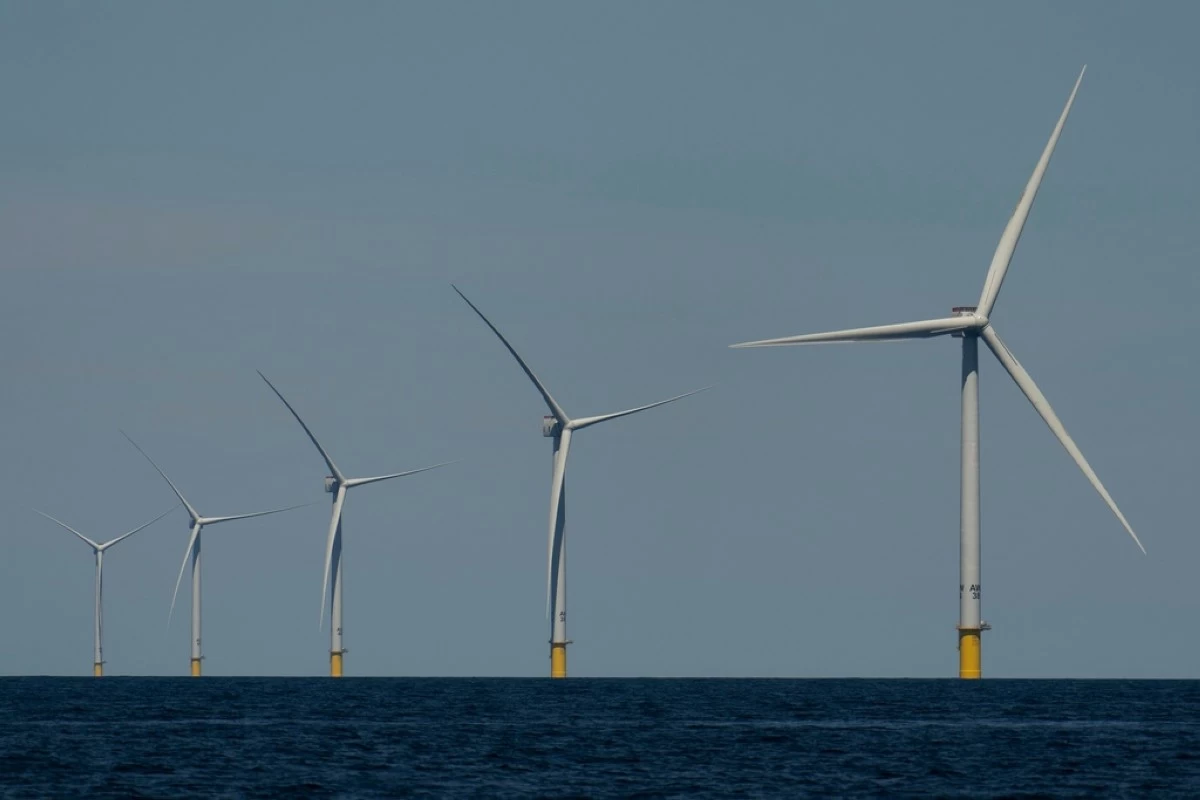
The Global Wind Energy Council (GWEC), an international wind industry association, has identified strategic investments in port infrastructure as the critical catalyst for unlocking billions of dollars in the Philippines’ offshore wind (OSW) sector.
In its latest report released on Monday, June 22, GWEC noted that the modernization of strategic ports will play a vital role in strengthening national energy security and establishing the country as a regional clean energy and maritime hub. However, the report pointed out that transforming these sites into specialized OSW hubs will require highly specific infrastructure, financing, and governance models.
“The Philippines possesses one of the most promising OSW pipelines in Asia, but realizing that opportunity requires more than project development alone. Ports are the backbone of the OSW value chain, and strategic investments today can unlock significant economic, industrial, and energy security benefits for decades to come,” said GWEC senior policy officer Pope John Sotto.
According to GWEC, the development of specialized ports is essential for enabling the manufacturing, assembly, transportation, installation, and long-term operations required by future projects. The report specifically identified Agila Subic and the Port of Bulalacao as the two priority locations to drive the country’s emerging OSW sector.
The report noted that Agila Subic stands as the strongest candidate to serve as the primary hub, leveraging its existing deep-water access, industrial assets, and strategic location. The study estimates that Agila Subic could attract around $215 million or about ₱13 billion in phased port investments. The majority of the budget will go into the first phase, focusing on upgrades needed for early deployment and bottom-fixed turbine technology, while the rest of the financing will expand capabilities for OSW projects, including quay strengthening and heavy-lift infrastructure.
Conversely, the Port of Bulalacao currently faces greater infrastructure constraints and will require a more extensive greenfield development strategy, demanding an estimated $252 million or about ₱15.4 billion for the first phase and $70 million or approximately ₱4.2 billion for the second phase.
But these high upfront infrastructure costs should not deter investors, as the council observed that a phased, demand-led development strategy can effectively mitigate financial risks. This approach aligns port capacity growth with market demand, reducing the risk of stranded assets as the industry transitions from fixed-bottom to floating wind technologies.
To bridge the funding gap, the study highlights the importance of innovative financing structures and public-private partnerships (PPPs). The council noted that existing port tariff structures may not adequately support the business case for OSW infrastructure, underscoring the need for tailored commercial models and long-term concession arrangements.
Drawing from international best practices, an improved roadmap for the OSW port strategy and clearly defined institutional roles would help address these concerns. Coordinated infrastructure planning, the creation of bankable business models, and other market exercises that validate demand and pricing would help kick-start OSW development in the country. - Gabriell Christel Galang