






Manila Bulletin
 Philippines
National
Summer solstice 2026: Longest day, shortest night of the year on June 21
Philippines
National
Summer solstice 2026: Longest day, shortest night of the year on June 21
Philippines
National
Summer solstice 2026: Longest day, shortest night of the year on June 21
Summer solstice 2026: Longest day, shortest night of the year on June 21
Published Jun 21, 2026 08:25 am
|
Updated Jun 21, 2026 02:00 pm


At A Glance
- The phenomenon occurs because of the Earth's axial tilt as it revolves around the Sun. During the June solstice, the Northern Hemisphere is tilted most directly toward the Sun, resulting in longer daylight hours.
- In Metro Manila, the Sun will rise at 5:28 a.m. and is expected to set at 6:28 p.m., making the day approximately 13 hours long.
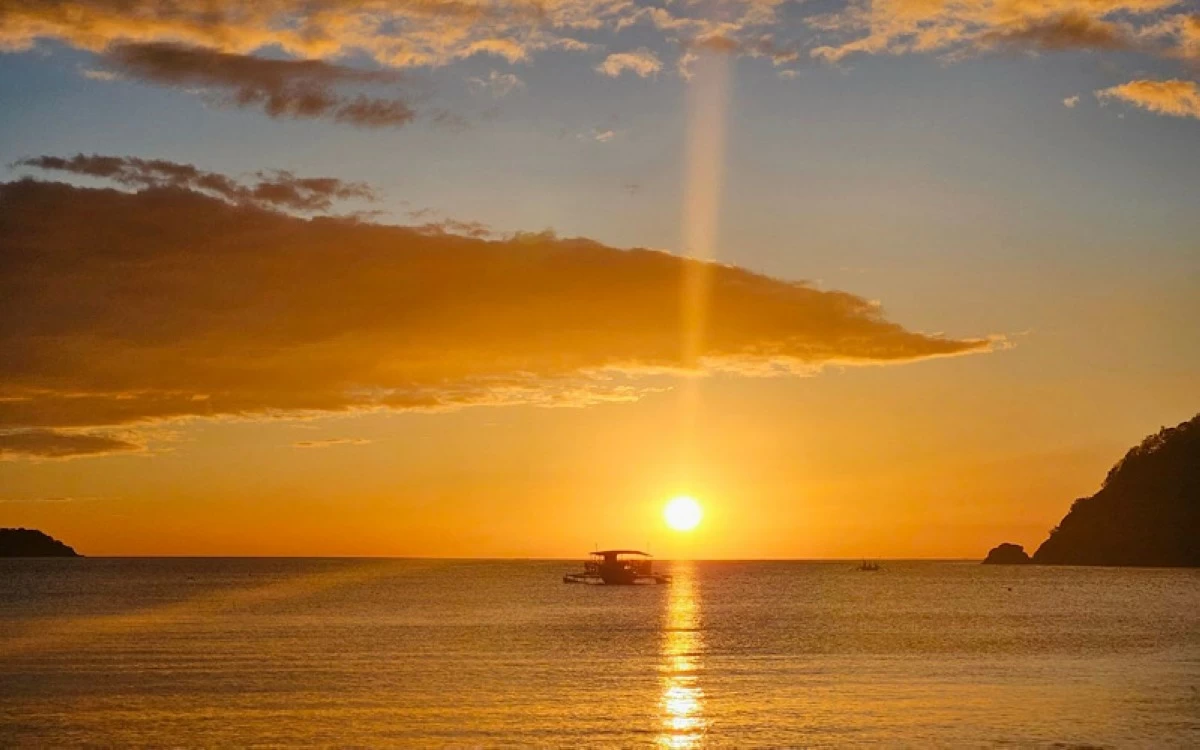
Manila Bulletin file photo
Daylight will last for about 13 hours in the country on Sunday, June 21, as the June solstice or “summer solstice,” brings the longest day and shortest night of the year, according to the Philippine Atmospheric, Geophysical and Astronomical Services Administration (PAGASA).
In its astronomical diary, PAGASA said the June solstice occurs when the Sun reaches its northernmost position in the sky.
“The event marks the beginning of summer in the Northern Hemisphere and winter in the Southern Hemisphere, bringing the longest day and shortest night of the year to locations north of the equator, while regions south of the equator experience the opposite,” PAGASA said.
In Metro Manila, the Sun will rise at 5:28 a.m. and is expected to set at 6:28 p.m., making the day approximately 13 hours long.
PAGASA said the Sun attains its northernmost position in the sky against the background stars of the constellation Cancer at a declination of 23.5 degrees north during the event.
The phenomenon occurs because of the Earth's axial tilt as it revolves around the Sun.
During the June solstice, the Northern Hemisphere is tilted most directly toward the Sun, resulting in longer daylight hours.