

ADVERTISEMENT

Kim Atienza on fatherhood, mental wellness, and learning to listen

The TV host and mental wellness facilitator shares how loss, healing, and personal growth reshaped his perspective on being present for his children

Published Jun 20, 2026 02:59 pm
Fatherhood changes with every stage of life. There are years when children need help tying their shoelaces and asking for one more bedtime story. Then there are years when they become adults with lives of their own, and all a father can do is remind them that he is still there whenever they need him.
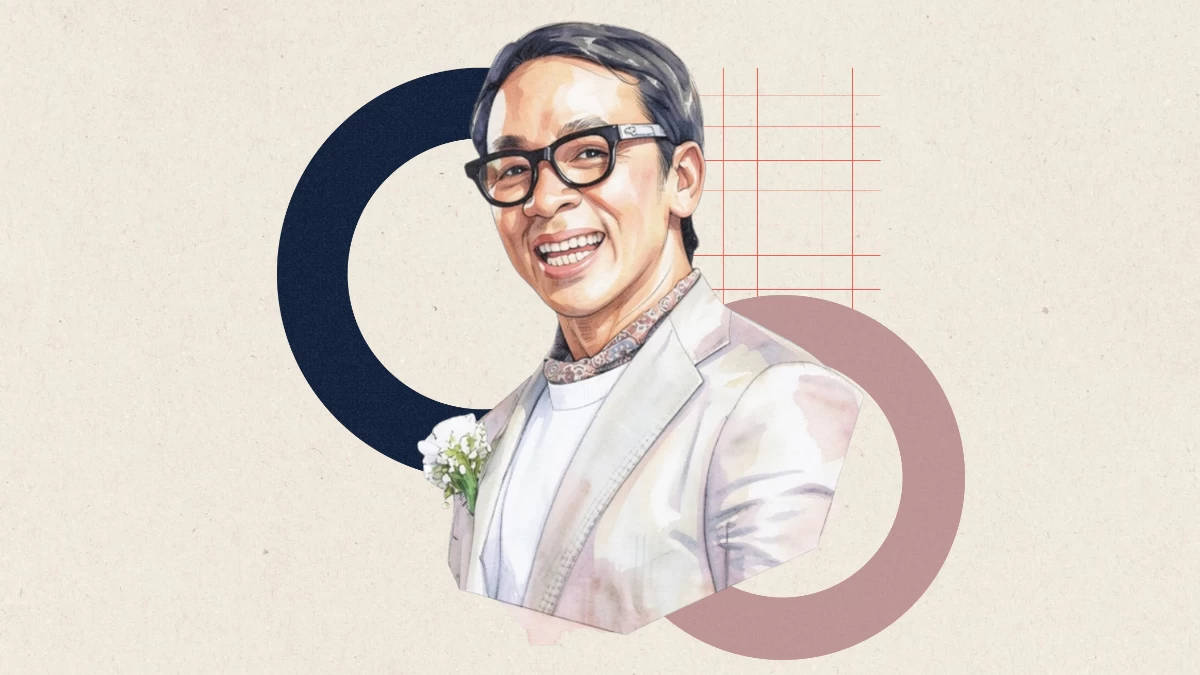
Kim Atienza
Kim Atienza
For Kim Atienza, fatherhood today is about presence.
"My wife and I are empty nesters already," he tells Manila Bulletin Lifestyle. "All our children are in the United States. Being a present father means whenever they want us, whenever they need us, I'm there for them."
As his children grew older, he learned that time with them changes, too. Unlike when they were young and wanted to spend every moment together, adulthood calls for a different kind of parenting.
"I advise other dads to be present whenever they can because the window is very small. At a certain point in their lives, when they hit their teens, they won't want to be near you anymore."
Known to many as television host, broadcaster, and "Kuya Kim," Kim has spent years making information accessible to Filipinos, whether discussing science, health, or current events. Today, he has also found himself taking on another role: listening to and supporting young people who are dealing with mental health challenges and life's difficulties.

Learning to listen
Following the passing of his youngest daughter Emman, Kim found himself becoming an unexpected source of comfort for many young people online. Messages from children and teenagers began pouring into his social media inboxes, many asking for advice, support, and someone to listen to them.
"I always knew there was an epidemic, but I didn't know it was this bad," he says. "A lot of them want to self-harm or take their life already."
Recognizing that some situations were literally matters of life and death, Kim decided to become a mental wellness first responder by taking a course in mental health support. "I had to be prepared."
The experience opened his eyes not only to the struggles many young people face but also to the role adults, especially parents, play in helping them feel seen and heard.
One of the most important lessons he has learned is that today's children are different from previous generations. "Our kids are not weak, but they are different. As fathers, we have to listen to them. We are not to judge them."
He believes many parents often rely on the methods that worked for their own upbringing, forgetting that today's children are digital natives growing up in a vastly different world.
"We just have to listen to our kids."

Permission to be vulnerable
"Many fathers are of the misconception that males should not be open about their feelings, that males should not be too expressive," he says.
Instead, he believes expressing emotions and asking for help benefit not only fathers themselves but also the people around them. "It's okay not to be okay. To be vulnerable and express one's feelings is good for ourselves and for others."
Like many parents who devote much of themselves to caring for their families, Kim also reminds fathers not to neglect their own wellbeing. "Fathers are so passionate about taking care of family. But we forget about balance and we forget about our minds and our brains."
He encourages dads to set aside time for themselves, whether through hobbies, sports, or simply moments of rest and reflection. "Permission for a lot of ‘me’ time. That's very important."

Finding purpose
The past few years have also transformed his understanding of grief and resilience. "I realized that grief really does not leave you. It will stay forever, but it gets less painful."
What helped him heal was finding purpose in the pain. "I found purpose in my daughter's passing." He also leaned heavily on his faith during what he describes as the darkest period of his life. "At the lowest point in my life was when I felt God's presence the strongest."
Today, Kim continues to use his experiences to help others who may be struggling. And this Father's Day, his message to fellow dads is simple: Be there for your children while you still can.

Related Tags

Kim Atienza Fatherhood Fathers Day
ADVERTISEMENT
.most-popular .layout-ratio{ padding-bottom: 79.13%; } @media (min-width: 768px) and (max-width: 1024px) { .widget-title { font-size: 15px !important; } }

{{ articles_filter_1561_widget.title }}

.most-popular .layout-ratio{ padding-bottom: 79.13%; } @media (min-width: 768px) and (max-width: 1024px) { .widget-title { font-size: 15px !important; } }

{{ static_articles_1562_widget.title }}

.most-popular .layout-ratio{ padding-bottom: 79.13%; } @media (min-width: 768px) and (max-width: 1024px) { .widget-title { font-size: 15px !important; } }

{{ articles_filter_1563_widget.title }}

{{ articles_filter_1564_widget.title }}

.mb-article-details { position: relative; } .mb-article-details .article-body-preview, .mb-article-details .article-body-summary{ font-size: 17px; line-height: 30px; font-family: "Libre Caslon Text", serif; color: #000; } .mb-article-details .article-body-preview iframe , .mb-article-details .article-body-summary iframe{ width: 100%; margin: auto; } .read-more-background { background: linear-gradient(180deg, color(display-p3 1.000 1.000 1.000 / 0) 13.75%, color(display-p3 1.000 1.000 1.000 / 0.8) 30.79%, color(display-p3 1.000 1.000 1.000) 72.5%); position: absolute; height: 200px; width: 100%; bottom: 0; display: flex; justify-content: center; align-items: center; padding: 0; } .read-more-background a{ color: #000; } .read-more-btn { padding: 17px 45px; font-family: Inter; font-weight: 700; font-size: 18px; line-height: 16px; text-align: center; vertical-align: middle; border: 1px solid black; background-color: white; } .hidden { display: none; }
function initializeAllSwipers() { // Get all hidden inputs with cms_article_id document.querySelectorAll('[id^="cms_article_id_"]').forEach(function (input) { const cmsArticleId = input.value; const articleSelector = '#article-' + cmsArticleId + ' .body_images'; const swiperElement = document.querySelector(articleSelector); if (swiperElement && !swiperElement.classList.contains('swiper-initialized')) { new Swiper(articleSelector, { loop: true, pagination: false, navigation: { nextEl: '#article-' + cmsArticleId + ' .swiper-button-next', prevEl: '#article-' + cmsArticleId + ' .swiper-button-prev', }, }); } }); } setTimeout(initializeAllSwipers, 3000); const intersectionObserver = new IntersectionObserver( (entries) => { entries.forEach((entry) => { if (entry.isIntersecting) { const newUrl = entry.target.getAttribute("data-url"); if (newUrl) { history.pushState(null, null, newUrl); let article = entry.target; // Extract metadata const author = article.querySelector('.author-section').textContent.replace('By', '').trim(); const section = article.querySelector('.section-info ').textContent.replace(' ', ' '); const title = article.querySelector('.article-title h1').textContent; // Parse URL for Chartbeat path format const parsedUrl = new URL(newUrl, window.location.origin); const cleanUrl = parsedUrl.host + parsedUrl.pathname; // Update Chartbeat configuration if (typeof window._sf_async_config !== 'undefined') { window._sf_async_config.path = cleanUrl; window._sf_async_config.sections = section; window._sf_async_config.authors = author; } // Track virtual page view with Chartbeat if (typeof pSUPERFLY !== 'undefined' && typeof pSUPERFLY.virtualPage === 'function') { try { pSUPERFLY.virtualPage({ path: cleanUrl, title: title, sections: section, authors: author }); } catch (error) { console.error('ping error', error); } } // Optional: Update document title if (title && title !== document.title) { document.title = title; } } } }); }, { threshold: 0.1 } ); function showArticleBody(button) { const article = button.closest("article"); const summary = article.querySelector(".article-body-summary"); const body = article.querySelector(".article-body-preview"); const readMoreSection = article.querySelector(".read-more-background"); // Hide summary and read-more section summary.style.display = "none"; readMoreSection.style.display = "none"; // Show the full article body body.classList.remove("hidden"); } document.addEventListener("DOMContentLoaded", () => { let loadCount = 0; // Track how many times articles are loaded const offset = [1, 2, 3, 4, 5, 6, 7, 8, 9, 10]; // Offset values const currentUrl = window.location.pathname.substring(1); let isLoading = false; // Prevent multiple calls if (!currentUrl) { console.log("Current URL is invalid."); return; } const sentinel = document.getElementById("load-more-sentinel"); if (!sentinel) { console.log("Sentinel element not found."); return; } function isSentinelVisible() { const rect = sentinel.getBoundingClientRect(); return ( rect.top < window.innerHeight && rect.bottom >= 0 ); } function onScroll() { if (isLoading) return; if (isSentinelVisible()) { if (loadCount >= offset.length) { console.log("Maximum load attempts reached."); window.removeEventListener("scroll", onScroll); return; } isLoading = true; const currentOffset = offset[loadCount]; window.loadMoreItems().then(() => { let article = document.querySelector('#widget_1690 > div:nth-last-of-type(2) article'); intersectionObserver.observe(article) loadCount++; }).catch(error => { console.error("Error loading more items:", error); }).finally(() => { isLoading = false; }); } } window.addEventListener("scroll", onScroll); });

Sign up by email to receive news.