

ADVERTISEMENT

ICC finalizes rules for Duterte's Nov. 30 trial

Published Jun 20, 2026 07:01 am  |  Updated Jun 20, 2026 02:11 pm

At A Glance

  • The International Criminal Court (ICC) has set Nov. 30, 2026, as the start of the trial of former president Rodrigo Duterte.
  • Trial Chamber III adopted detailed rules governing the conduct of proceedings, including witness testimony, evidence presentation, and protective measures.
  • The prosecution must submit its trial brief and witness list by Aug. 31, while the defense has until Oct. 30 to outline its legal and factual arguments.
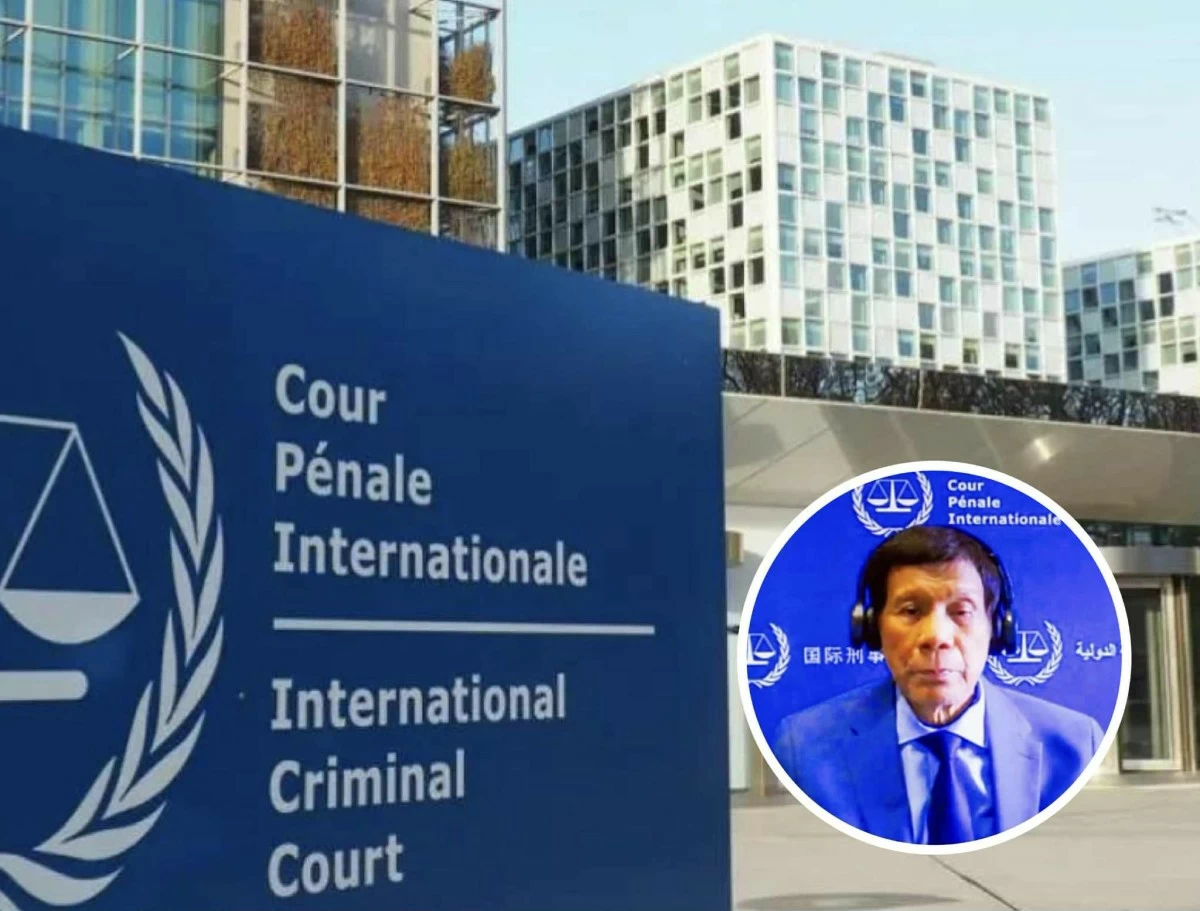
Former president Rodrigo Duterte (ICC Photos)

The International Criminal Court (ICC) has adopted the rules that will govern the trial of former president Rodrigo Duterte, which is set to start on Nov. 30.

In a 23-page decision dated June 19, Trial Chamber III issued its "Directions on the Conduct of Proceedings," laying down timelines and procedures for the presentation of evidence, witness testimony, protective measures, and other aspects of the trial.

The chamber said the crimes against humanity charges against Duterte, as previously confirmed by the Pre-Trial Chamber, would be read at the commencement of the trial on Nov. 30.

"Article 64(8)(a) of the Statute mandates that the charges, as previously confirmed by the Pre-Trial Chamber, are read to the Accused. The Chamber announces that this will be done at the commencement of the trial, on 30 November 2026," the decision read.

Trial timelines set

Under the schedule approved by the chamber, the prosecution must file by Aug. 31 a detailed trial brief, a list of witnesses it intends to call, and all items it plans to submit as evidence.

The trial brief should include the principal facts of the prosecution's case, witnesses who will testify, relevant exhibits, and legal propositions it intends to rely upon.

The common legal representatives of victims may file their trial brief by Sept. 28, while the defense has until Oct. 30 to submit the principal matters of fact or law it disputes and the general nature of Duterte's defense.

The prosecution has also been ordered to indicate by Aug. 31 whether it intends to call expert witnesses.

Opening statements, witness rules

The chamber said the prosecution will deliver the first opening statement, followed by the victims' legal representatives and then the defense. It granted the prosecution's request for six hours to present its opening statement, while the victims' representatives were allotted three hours.

The ICC also adopted rules governing witness examination, the use of documentary, digital, and physical evidence, applications for protective measures, and the use of private or closed sessions when sensitive information is discussed.

As a general rule, witness testimony will be conducted in public, although the chamber may shift to private or closed sessions when necessary to protect victims and witnesses.

Protocols adopted

The chamber likewise adopted several protocols agreed upon by the parties and the court's registry, including those covering witness preparation, familiarization, vulnerability, dual-status witnesses, redactions, and the use of the ICC's electronic court system.

The decision came days before the second status conference in Duterte's case on June 23, which will discuss additional procedural matters and timelines for future proceedings.

Duterte was arrested on March 11 and transferred to The Hague the following day after Philippine authorities served an ICC warrant of arrest through an Interpol red notice.

He is facing charges of crimes against humanity in connection with alleged killings linked to his administration's anti-illegal drugs campaign, which the ICC said occurred when the Philippines was still a state party to the Rome Statute.

Related Tags

President Duterte Rodrigo Duterte ICC International Criminal Court crimes against humanity
ADVERTISEMENT
.most-popular .layout-ratio{ padding-bottom: 79.13%; } @media (min-width: 768px) and (max-width: 1024px) { .widget-title { font-size: 15px !important; } }

{{ articles_filter_1561_widget.title }}

.most-popular .layout-ratio{ padding-bottom: 79.13%; } @media (min-width: 768px) and (max-width: 1024px) { .widget-title { font-size: 15px !important; } }

{{ static_articles_1562_widget.title }}

.most-popular .layout-ratio{ padding-bottom: 79.13%; } @media (min-width: 768px) and (max-width: 1024px) { .widget-title { font-size: 15px !important; } }

{{ articles_filter_1563_widget.title }}

{{ articles_filter_1564_widget.title }}

.mb-article-details { position: relative; } .mb-article-details .article-body-preview, .mb-article-details .article-body-summary{ font-size: 17px; line-height: 30px; font-family: "Libre Caslon Text", serif; color: #000; } .mb-article-details .article-body-preview iframe , .mb-article-details .article-body-summary iframe{ width: 100%; margin: auto; } .read-more-background { background: linear-gradient(180deg, color(display-p3 1.000 1.000 1.000 / 0) 13.75%, color(display-p3 1.000 1.000 1.000 / 0.8) 30.79%, color(display-p3 1.000 1.000 1.000) 72.5%); position: absolute; height: 200px; width: 100%; bottom: 0; display: flex; justify-content: center; align-items: center; padding: 0; } .read-more-background a{ color: #000; } .read-more-btn { padding: 17px 45px; font-family: Inter; font-weight: 700; font-size: 18px; line-height: 16px; text-align: center; vertical-align: middle; border: 1px solid black; background-color: white; } .hidden { display: none; }
function initializeAllSwipers() { // Get all hidden inputs with cms_article_id document.querySelectorAll('[id^="cms_article_id_"]').forEach(function (input) { const cmsArticleId = input.value; const articleSelector = '#article-' + cmsArticleId + ' .body_images'; const swiperElement = document.querySelector(articleSelector); if (swiperElement && !swiperElement.classList.contains('swiper-initialized')) { new Swiper(articleSelector, { loop: true, pagination: false, navigation: { nextEl: '#article-' + cmsArticleId + ' .swiper-button-next', prevEl: '#article-' + cmsArticleId + ' .swiper-button-prev', }, }); } }); } setTimeout(initializeAllSwipers, 3000); const intersectionObserver = new IntersectionObserver( (entries) => { entries.forEach((entry) => { if (entry.isIntersecting) { const newUrl = entry.target.getAttribute("data-url"); if (newUrl) { history.pushState(null, null, newUrl); let article = entry.target; // Extract metadata const author = article.querySelector('.author-section').textContent.replace('By', '').trim(); const section = article.querySelector('.section-info ').textContent.replace(' ', ' '); const title = article.querySelector('.article-title h1').textContent; // Parse URL for Chartbeat path format const parsedUrl = new URL(newUrl, window.location.origin); const cleanUrl = parsedUrl.host + parsedUrl.pathname; // Update Chartbeat configuration if (typeof window._sf_async_config !== 'undefined') { window._sf_async_config.path = cleanUrl; window._sf_async_config.sections = section; window._sf_async_config.authors = author; } // Track virtual page view with Chartbeat if (typeof pSUPERFLY !== 'undefined' && typeof pSUPERFLY.virtualPage === 'function') { try { pSUPERFLY.virtualPage({ path: cleanUrl, title: title, sections: section, authors: author }); } catch (error) { console.error('ping error', error); } } // Optional: Update document title if (title && title !== document.title) { document.title = title; } } } }); }, { threshold: 0.1 } ); function showArticleBody(button) { const article = button.closest("article"); const summary = article.querySelector(".article-body-summary"); const body = article.querySelector(".article-body-preview"); const readMoreSection = article.querySelector(".read-more-background"); // Hide summary and read-more section summary.style.display = "none"; readMoreSection.style.display = "none"; // Show the full article body body.classList.remove("hidden"); } document.addEventListener("DOMContentLoaded", () => { let loadCount = 0; // Track how many times articles are loaded const offset = [1, 2, 3, 4, 5, 6, 7, 8, 9, 10]; // Offset values const currentUrl = window.location.pathname.substring(1); let isLoading = false; // Prevent multiple calls if (!currentUrl) { console.log("Current URL is invalid."); return; } const sentinel = document.getElementById("load-more-sentinel"); if (!sentinel) { console.log("Sentinel element not found."); return; } function isSentinelVisible() { const rect = sentinel.getBoundingClientRect(); return ( rect.top < window.innerHeight && rect.bottom >= 0 ); } function onScroll() { if (isLoading) return; if (isSentinelVisible()) { if (loadCount >= offset.length) { console.log("Maximum load attempts reached."); window.removeEventListener("scroll", onScroll); return; } isLoading = true; const currentOffset = offset[loadCount]; window.loadMoreItems().then(() => { let article = document.querySelector('#widget_1690 > div:nth-last-of-type(2) article'); intersectionObserver.observe(article) loadCount++; }).catch(error => { console.error("Error loading more items:", error); }).finally(() => { isLoading = false; }); } } window.addEventListener("scroll", onScroll); });

Sign up by email to receive news.