







His rights exist on paper. The bill makes them real.
Published Jun 20, 2026 12:01 am
|
Updated Jun 19, 2026 12:47 pm


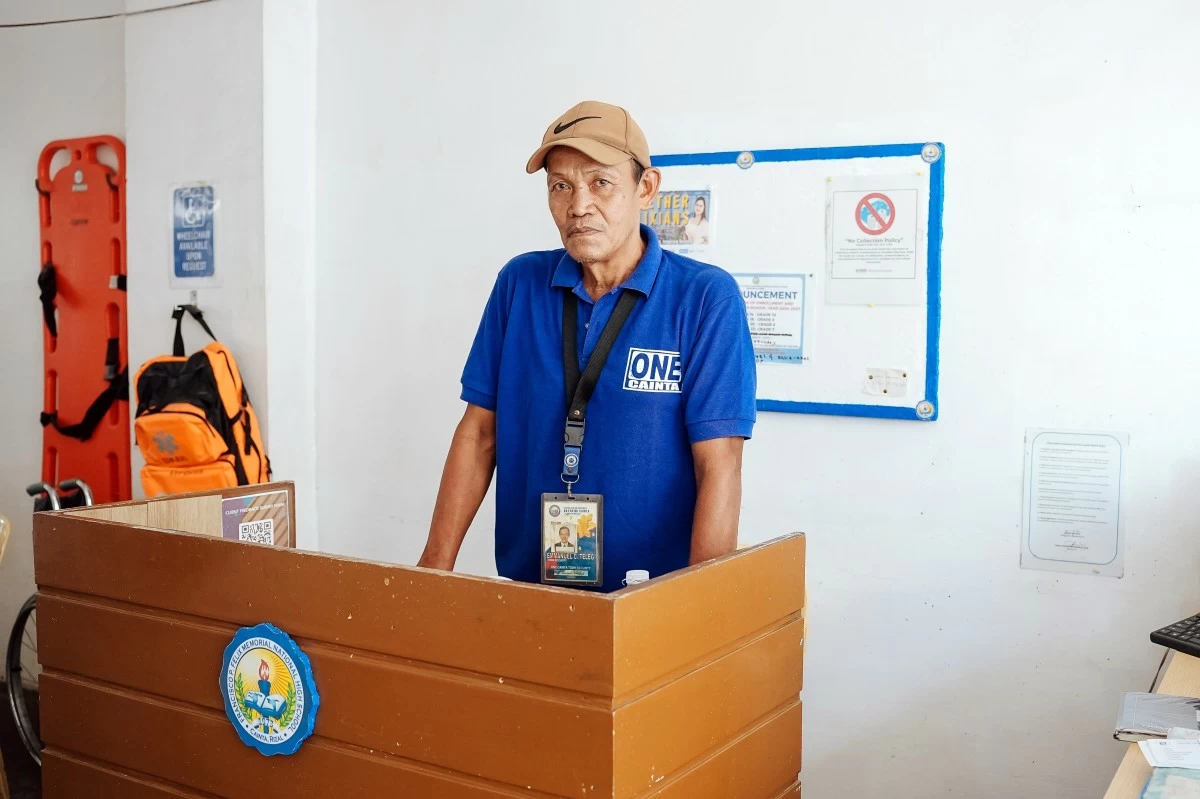
Emmanuel Teleg spent 18 years making things grow in a foreign country. Coming home nearly broke him.
He had left the Philippines in 1995 with a skill set built for the future. He was trained as a machine operator on computerized printing equipment, and promised work abroad as an offset printer operator. What he got instead was a job at a golf course in Brunei, a British employer with a passion for horticulture, and nearly two decades of learning how to make things grow in foreign soil.
When he finally came home, the life he expected had been quietly dismantled in his absence. He was deceived by his local agency and found himself entangled in a case that wasn't his. For a year, he barely left the house, depressed.
Teleg rebuilt slowly. First, through his barangay work, then as a watchman at the municipality, drawn in by his peace and order training and his years as a reservist.
Today, at 58, he guards the gates of Francisco P. Felix Memorial National High School in Cainta, Rizal. He pays his electricity, water, and internet bills every month through his e-wallet. He has never been late.
Yet if he walked into a bank today and applied for a loan, none of that would matter.
"Ang banko, madaming requirements," (The bank has a lot of requirements) he said.
"Papakita mo mga assets, kung may property ka, kung may kakahayan kang magbayad. Mas mahigpit sila." (You need to present your assets, your properties if you have one, and your capacity to pay. They are much stricter.)
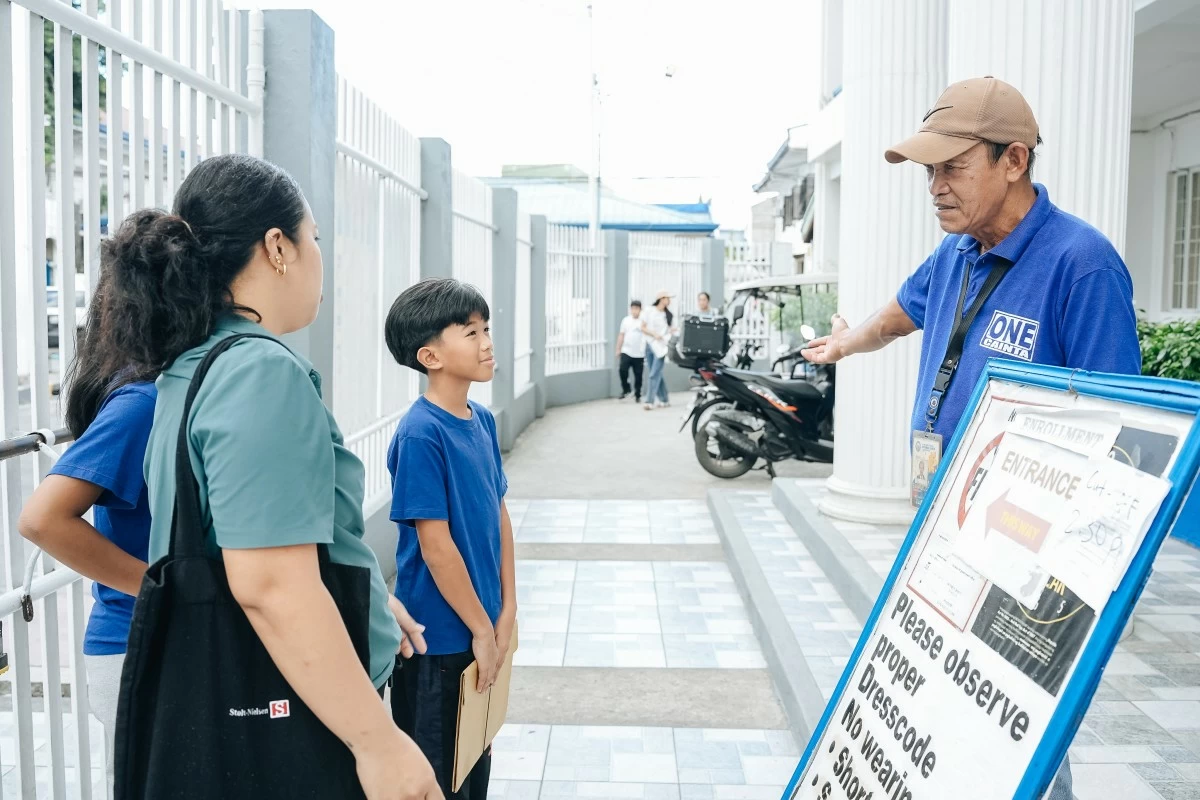
So Teleg has never tried. When he needs financial support, he turns to the Social Security System or, on occasion, relatives. This is not because he is afraid of debt, but because he already knows how that conversation with a bank ends.
Without a credit card, a loan history, or assets substantial enough to satisfy a lender, he does not fit the profile. He never has.
What he does not know is that the proof of his financial responsibility already exists. It is sitting in his e-wallet transaction history: every bill paid, every due date met for every month for years.
It belongs to him. But under existing law, he has no practical mechanism to take it to a lender, no standardized way to demand it in a format a bank can read, and no institution specifically empowered to make sure it counts.
The Open Finance and Consumer Data Empowerment Bill would give Filipinos like Teleg the legal right to authorize the transfer of their financial and transactional data to accredited lenders for credit evaluation. This covers not just bank transactions, but also bill payments, e-wallet history, subscription activity, and rewards card usage covering up to 24 months, among others.
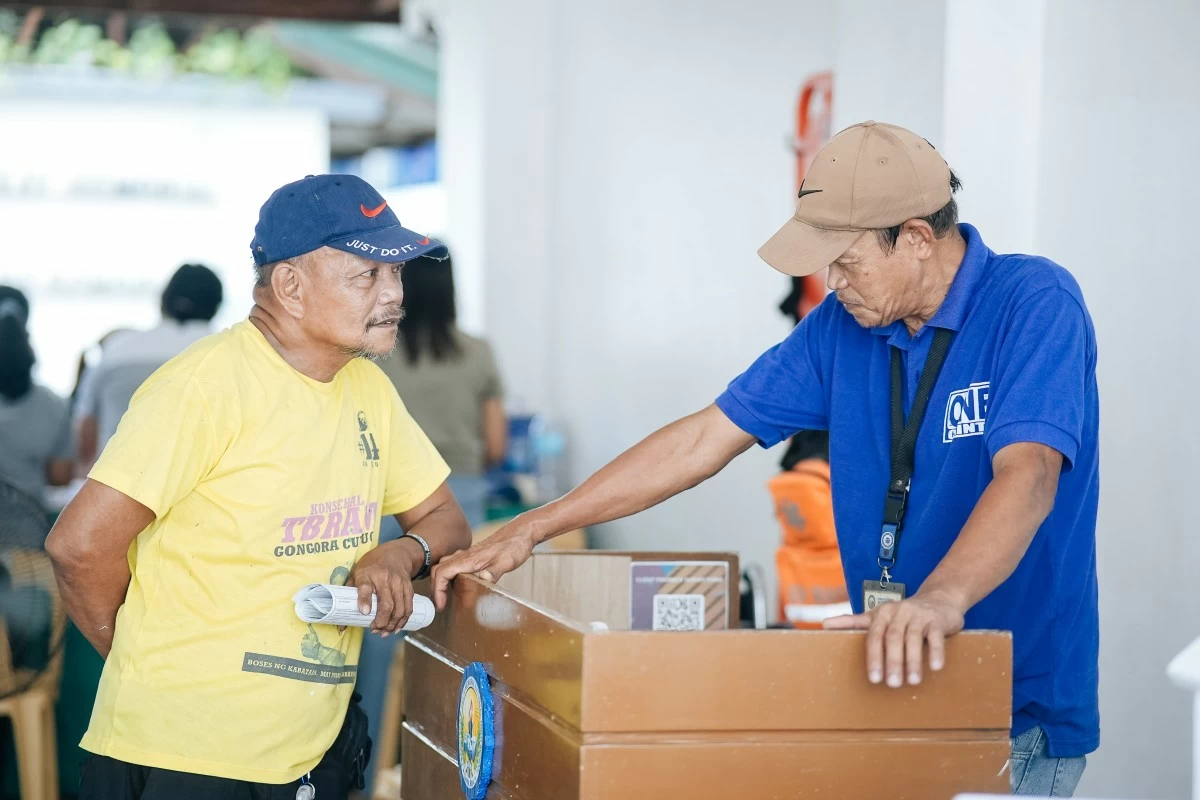
Under the proposed framework, Teleg could authorize his e-wallet provider to send his payment history directly to a lender of his choosing. And that lender would be legally required to look at it.
His record, which has always existed, would finally be allowed to speak for him.
There is no standardized mechanism to port that data to a lender, no governing body specifically empowered to enforce those rights in a financial context, and no penalty structure designed to make institutions take them seriously.
The open finance bill would convert those paper rights into working ones: standardized, enforceable, and actionable.
To make that happen, the bill proposes the creation of a Consumer Data Commission under the Office of the President. This will serve as the country's first regulatory body purpose-built for the digital financial ecosystem.
Unlike existing agencies that have absorbed open finance as an extension of their traditional mandates, the commission would have a dedicated charge: set the technical standards for data transfers, accredit entities authorized to receive consumer data, audit compliance, and go after violators.
Unauthorized disclosure or misuse of consumer data would carry a minimum of three years in prison and a fine of no less than P500,000.
When asked whether he would authorize the sharing of his e-wallet history with a lender if given the chance, Teleg did not hesitate.
"Pwede naman," (It is possible) he said.
"Kung halimbawa ‘tong mga transaction history ko ay pwedeng magamit para makapangutang, bakit hindi? Pwede ko magamit para magpaayos ng bahay o kaya mag-business." (If, for instance, I can use my transaction history to get a loan, why not? I can use the money to fix our house, or start a business.)
Simple ambitions. Reasonable ones. The kind that a man who has spent a lifetime rebuilding is entitled to have.
He will keep paying his bills either way. He always does. The question the bill is asking, and the question Congress will eventually have to answer, is whether that should finally count for something.