







Digital toll on PH cashless shift
Published Jun 20, 2026 12:05 am
|
Updated Jun 19, 2026 05:17 pm


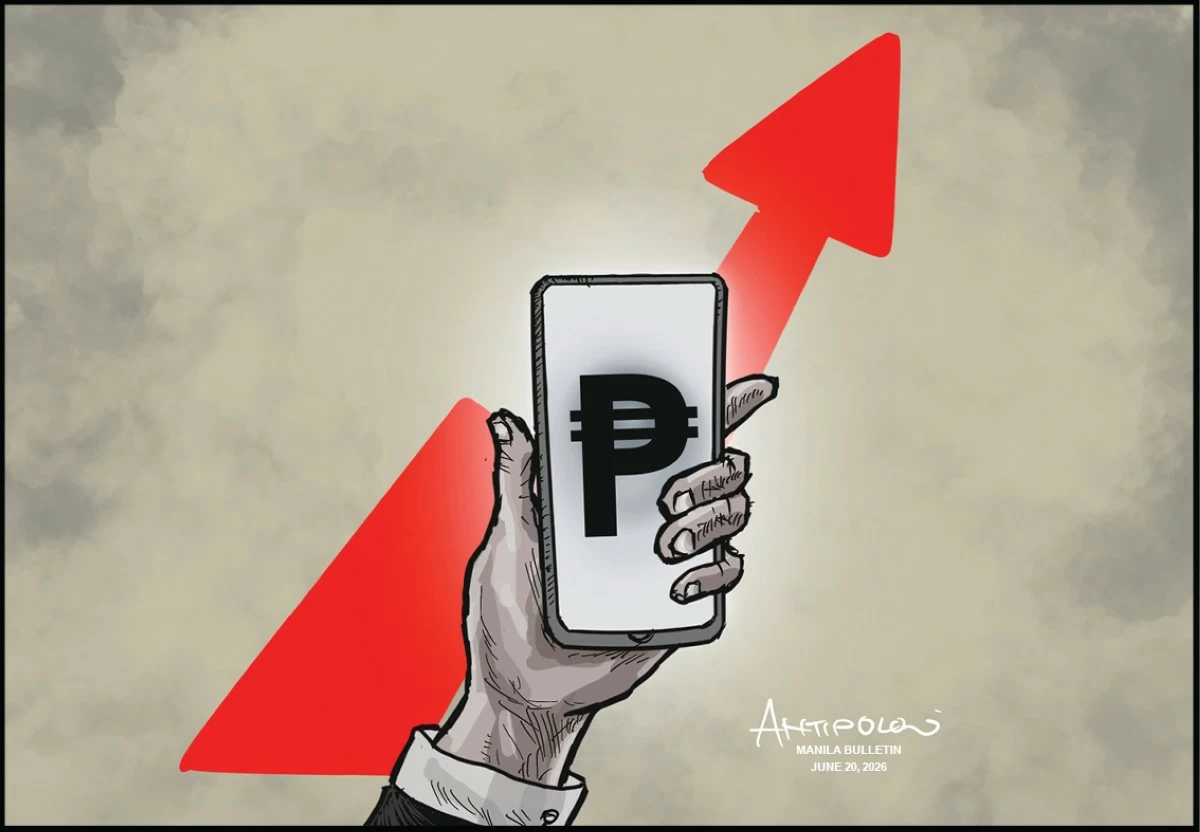
The central bank’s decision to lift its five-year freeze on digital transfer fees might look like bad news for consumers at first glance. For years, the Bangko Sentral ng Pilipinas (BSP) used this strict cap to keep InstaPay and PESONet fees from climbing.
By removing that ceiling, the banking regulators are shifting their strategy. Instead of forcing price controls, they are demanding strict cost accountability from the banking sector. The BSP’s goal is to replace arbitrary digital fees with genuine and cost-justified competition.
This policy change, effective on Wednesday, June 17, comes at a frustrating time for Filipinos. Despite the rapid shift toward going cashless, local consumers are facing transaction fees that make the country an anomaly in Southeast Asia. While neighboring networks like Singapore’s PayNow allow people to send small amounts of money for free, Philippine banks routinely charge anywhere from ₱9 to ₱30 per transaction. For corporate transfers, those fees can skyrocket to ₱500.
A recent report from the International Monetary Fund (IMF) pointed out that these high costs stem from the country’s disconnected financial systems. Moving money between different institutions has historically required clumsy coordination between separate clearing houses, which created extra operational expenses that banks simply passed down to their customers.
The structural solution to this problem is finally taking shape. The recent merger of BancNet and the Philippine Clearing House Corp. into a single entity, the Payments Network of the Philippines, streamlines the back-end technology. This consolidation removes the redundant network layers that private lenders have used for years to justify high fees.
With the infrastructure unified, the central bank’s new rules leave lenders with very few excuses. Banks are no longer allowed to set fees based on what they think they can get away with, and colluding with competitors to fix prices is strictly banned. Moving forward, any fee increase must be backed by clear breakdown of actual operating costs, including IT infrastructure and fraud prevention.
The central bank has also built in non-negotiable consumer protections to keep the market fair. Micro-transactions for small merchants must remain entirely free to protect local vendors. For personal transfers, the person receiving the money must get the exact amount sent, with zero deductions taken from the principal. Furthermore, the premium charged for sending money to a different bank or e-wallet must align closely with internal transfer rates, closing the unfair gap between off-us and on-us transactions.
The Department of Finance (DOF) has been vocal about this issue, calling local transaction costs an obsession and pushing for fees to drop as low as ₱2. To force the industry's hand, the DOF used its position as chairman of the state-run Land Bank of the Philippines to cut its transfer fees from ₱15 to ₱8, while testing zero convenience fees for select government transactions. In a concentrated banking market, it only takes one major player dropping its rates to spark a competitive race to the bottom.
The final piece of this puzzle lies beyond domestic borders. Overseas Filipino workers (OFWs) face average remittance fees hovering around 10 percent, which the DOF rightly labeled a pitiful tax on labor. While lawmakers are pushing for legislative caps on these charges through the OFWs Remittance Protection Act, the long-term fix relies on better technology. The central bank is currently studying a wholesale digital currency, which could eventually clear international transfers much faster and bypass expensive middleman banks entirely.
Lifting the fee freeze is not a green light for banks to pad their profits. It is a regulatory challenge to price their services transparently. If private lenders refuse to lower their digital tolls voluntarily, a streamlined network and aggressive competition from state banks will soon do it for them.