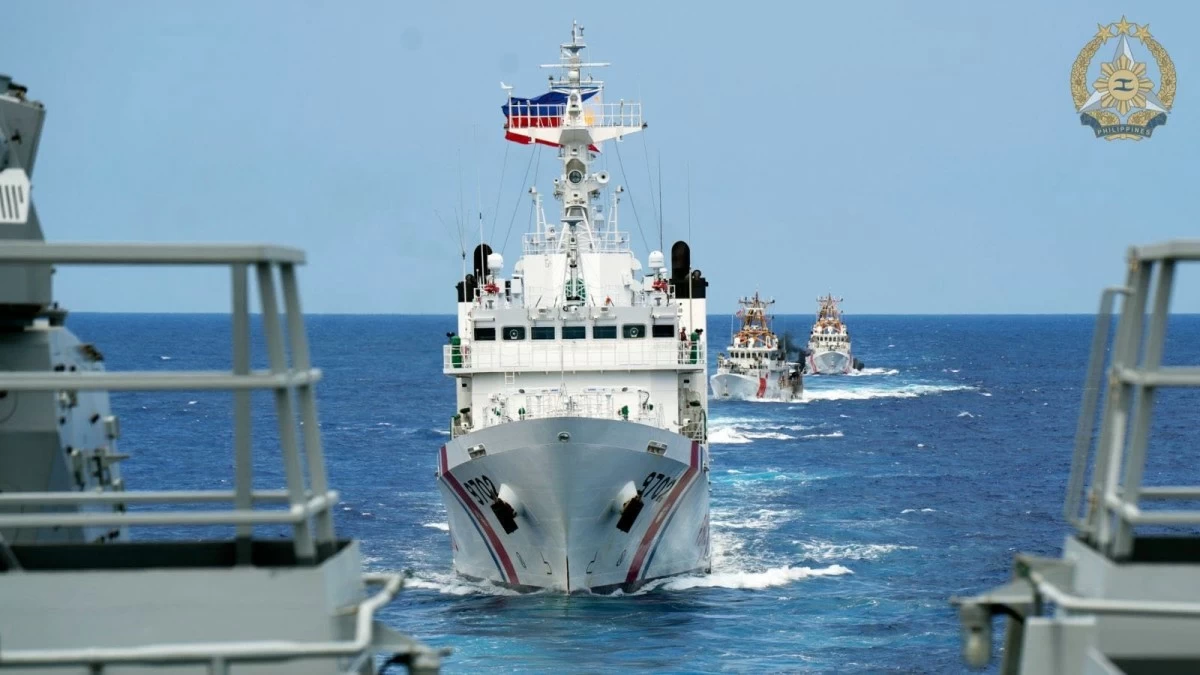
Philippines
National
AFP, US counterpart hold bilateral drills in West PH Sea amid Chinese activities in Scarborough
Philippines
National
AFP, US counterpart hold bilateral drills in West PH Sea amid Chinese activities in Scarborough
AFP, US counterpart hold bilateral drills in West PH Sea amid Chinese activities in Scarborough


At A Glance
- The Armed Forces of the Philippines, Philippine Coast Guard, and United States Indo-Pacific Command completed a six-day Maritime Cooperative Activity in the West Philippine Sea from June 14 to 19, the fourth such bilateral exercise conducted this year.
- On the final day of the drills, BRP Diego Silang carried out a maritime sovereignty patrol near Bajo de Masinloc and monitored multiple Chinese vessels, including two PLA Navy frigates, a corvette, an auxiliary tanker, and a maritime patrol aircraft.
- The Philippine Navy confirmed that a Chinese floating platform previously monitored inside Bajo de Masinloc's lagoon had been removed, while a Chinese research vessel spotted near the shoal a day earlier was no longer seen during the patrol.
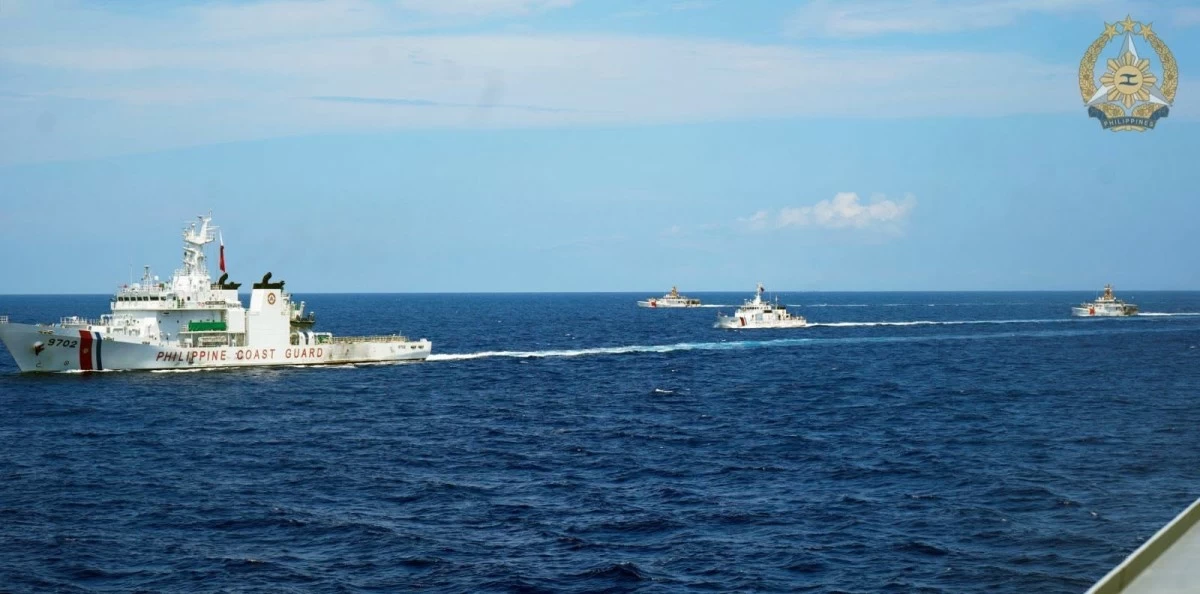
The Armed Forces of the Philippines (AFP) announced Saturday, June 20, that it has completed a six-day maritime exercise with the Philippine Coast Guard (PCG) and United States forces in the West Philippine Sea (WPS) this week amid the presence of multiple Chinese military and coast guard vessels near Bajo de Masinloc (Scarborough Shoal or Panatag Shoal).
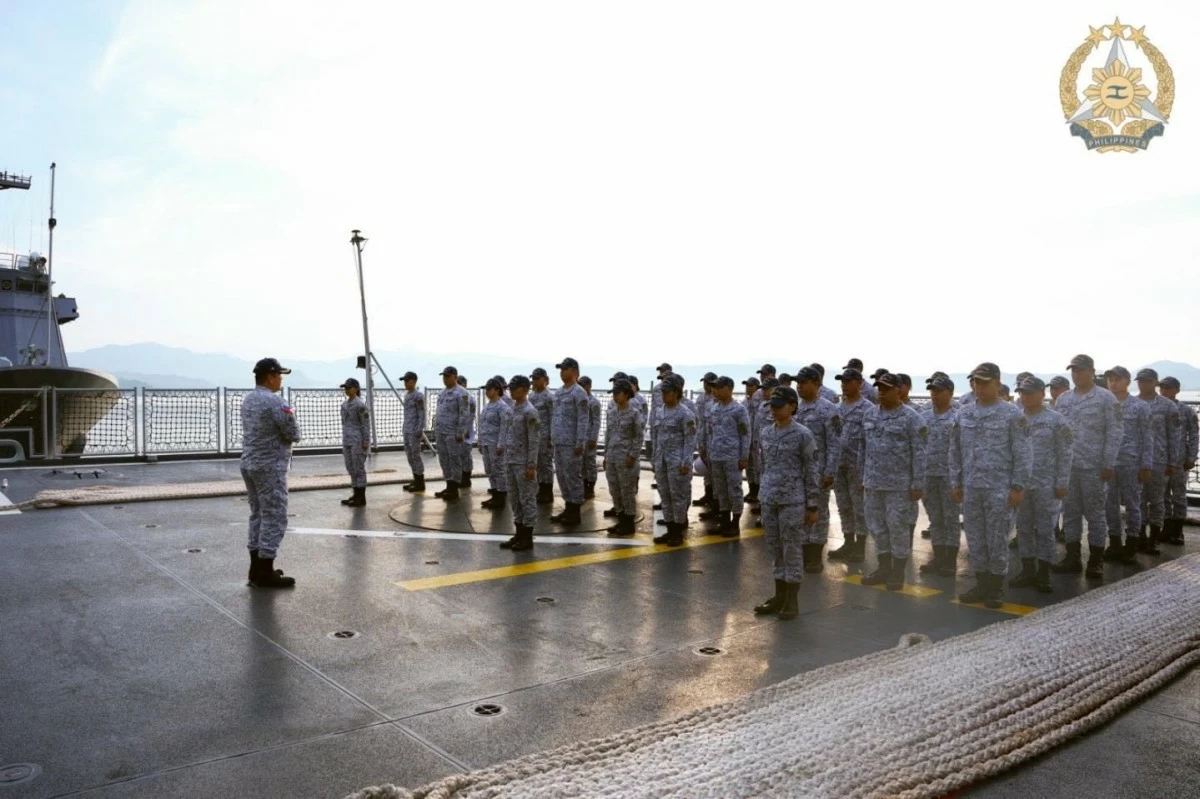
In a statement, the AFP said it has conducted a bilateral Maritime Cooperative Activity (MCA) with the PCG and United States Indo-Pacific Command (USINDOPACOM) from June 14 to 19, marking the fourth iteration of the activity this year.
“The successful conduct of the MCA highlights the enduring commitment of the Philippines and the United States to strengthen maritime cooperation, enhance maritime domain awareness, and reaffirm support for a rules-based international order in the Indo-Pacific region,” the AFP said.
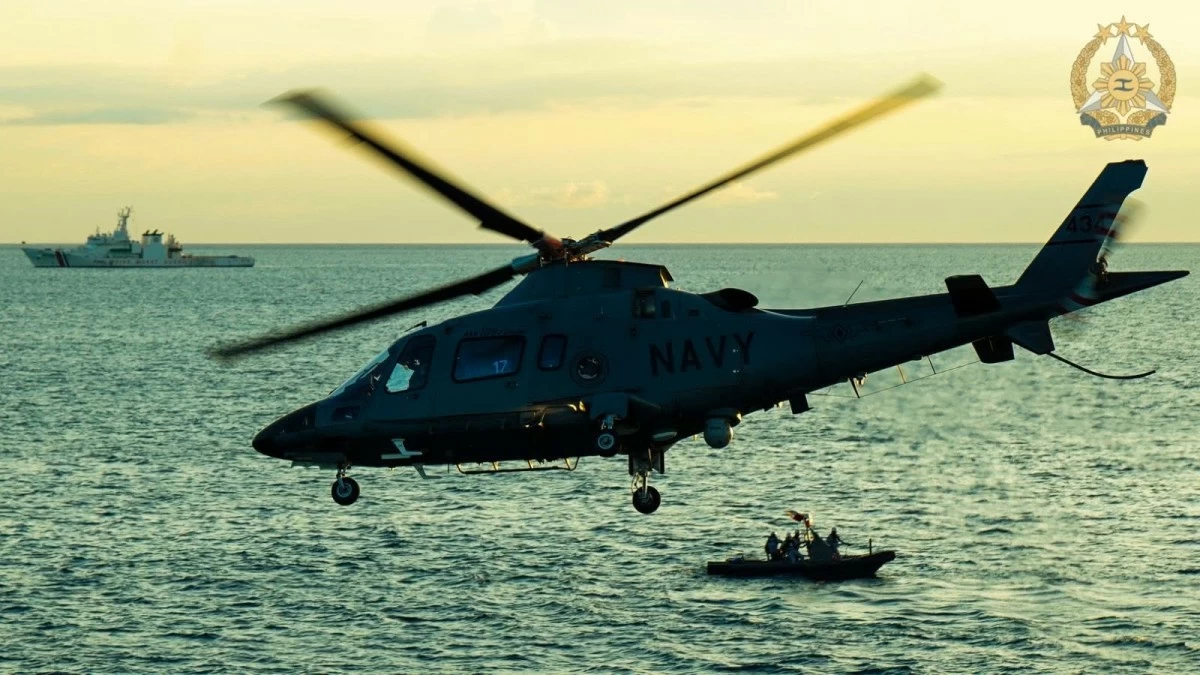
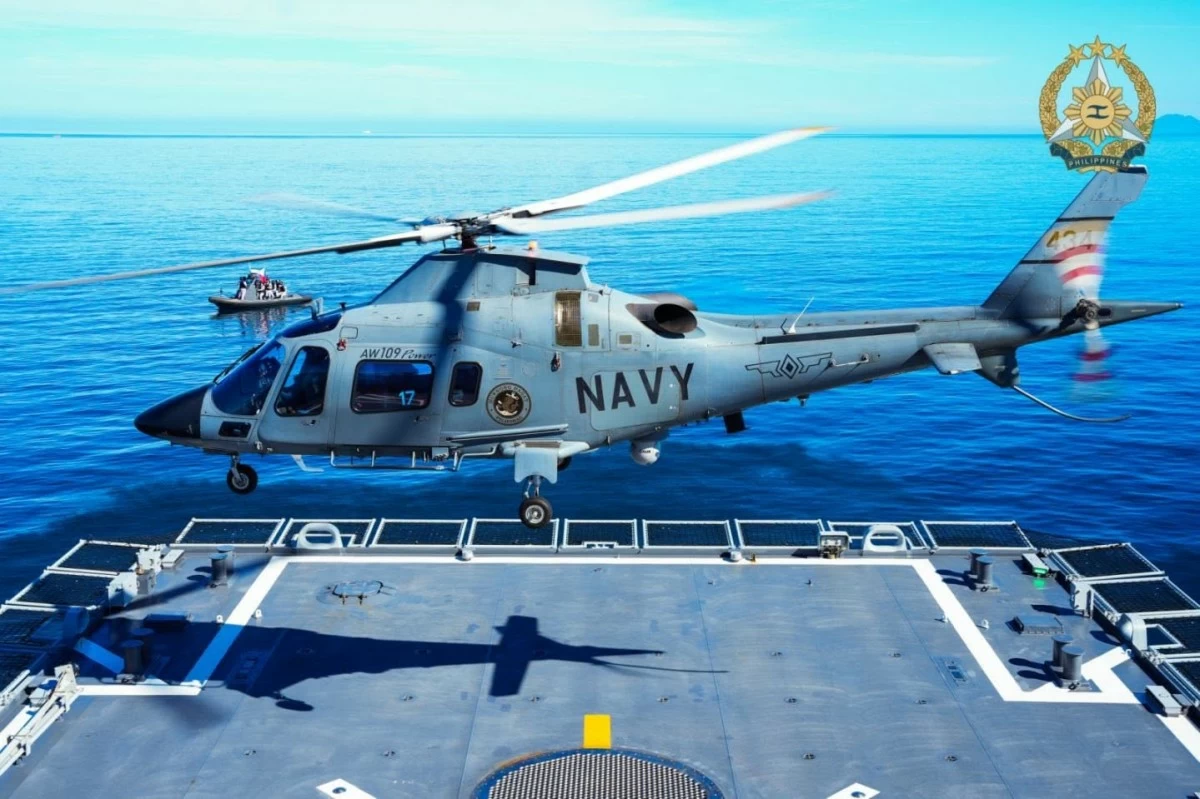
Participating Philippine assets included the BRP Diego Silang (FFG-07), FA-50 fighter aircraft, AW109 helicopter, C-208B aircraft, Sokol helicopters, and Philippine Coast Guard vessels BRP Melchora Aquino (MRRV-9702) and BRP Sindangan (MRRV-4407).
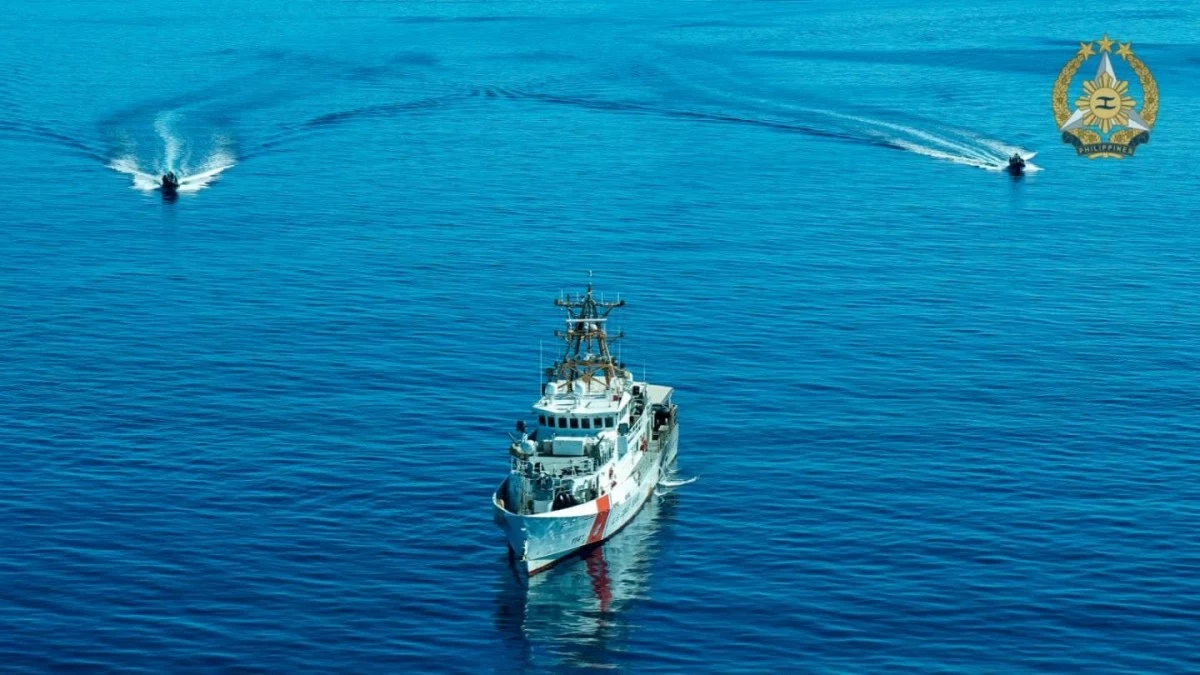
The US side deployed the USCGC Charles Moulthrope (WPC-1141), USCGC Emlen Tunnell (WPC-1145), a P-8A Poseidon maritime patrol aircraft, and personnel from the 3rd Marine Littoral Regiment.
The exercise included search-and-rescue operations, visit-board-search-and-seizure drills, communications exercises, division tactics maneuvers, photo exercises, and joint fires rehearsals.
Tension at sea
On the last day of the nearly week-long exercise, BRP Diego Silang conducted a maritime sovereignty patrol near Bajo de Masinloc, where Philippine Navy personnel encountered the presence of Chinese naval and coast guard assets.
“We have observed several vessels, PLA [People’s Liberation Army]-Navy vessels, Chinese Coast Guard vessels, and Chinese maritime militia vessels outside the lagoon and outside Scarborough Shoal,” said Lt. Cmdr. Windel Cayago, pilot-in-command of the Navy's AW109 helicopter.
The PN later identified two Jiangkai-class frigates with bow numbers “554” and “555,” a Jiangdao-class corvette, an auxiliary tanker, and a maritime patrol aircraft operating in the area.
Despite repeated radio challenges from Chinese vessels, BRP Diego Silang continued its mission.
Capt. John Percie Alcos, commanding officer of BRP Diego Silang, said the Navy's actions remain anchored on international law and efforts to prevent tensions at sea.
“The conduct of our maritime sovereignty patrols here in Bajo de Masinloc remains unimpeded despite the presence of two Jiangkai-class frigates, one Jiangdao-class corvette, one auxiliary tanker, and one maritime patrol aircraft under the People's Liberation Army Navy,” Alsco said.
“Your Philippine Navy will continue to assert our maritime rights and jurisdiction over Bajo de Masinloc to ensure that we exercise sovereignty over waters that belong to the Filipino people,” he continued.
As BRP Diego Silang sailed toward Bajo de Masinloc at 18 knots, it launched its AW109 helicopter to conduct aerial surveillance. The aircraft flew over the shoal at an altitude of about 300 feet.
No more floating platform
After the flight, the PN confirmed the removal of a Chinese movable floating structure that had previously been monitored inside the lagoon of Bajo de Masinloc.
“As we flew over Scarborough Shoal or Bajo de Masinloc, we observed that the structure previously reported was already gone,” Cayago said.
The structure – believed to have been used as data monitoring equipment – was first monitored in late May through satellite imagery and maritime domain awareness operations.
The National Task Force for West Philippine Sea (NTF-WPS) said it measured roughly five to seven meters long with a deck area of about 30 square meters. It was allegedly deployed with the support of Chinese research vessels and was later observed carrying personnel and possible equipment.
Concern over the platform prompted the Philippine government to file a diplomatic protest amid fears that it could be part of activities aimed at establishing a more permanent structure in the shoal.
Cayago added that the crew also did not observe the Chinese research vessel Tong Ji that had been monitored near the shoal during a Philippine Coast Guard maritime domain awareness flight on June 18.
The vessel drew attention after the PCG reported it was operating as close as 0.6 nautical mile from Bajo de Masinloc. The Tong Ji is China's first intelligent ocean-class comprehensive scientific research vessel and serves as a floating campus for Tongji University.
Bajo de Masinloc, located about 124 nautical miles west of Palauig, Zambales, has remained a flashpoint in the South China Sea dispute since China took effective control of the area following a 2012 standoff.
A 2016 arbitral ruling invalidated China's sweeping claims in the South China Sea, including actions that restricted access to the shoal, but Beijing has rejected the decision.