

ADVERTISEMENT

Marcos treads carefully as the Philippines seeks deeper ties with Russia

Published Jun 19, 2026 01:41 pm

At A Glance

  • President Marcos acknowledged concerns that deeper engagement with Russia could draw criticism from Western allies amid the war in Ukraine.
  • He said the Philippines would be careful not to become part of any system that furthers conflict while pursuing broader cooperation with Moscow.
  • The President also cited opportunities in tourism, trade, investments, nuclear energy, space technology, and artificial intelligence.
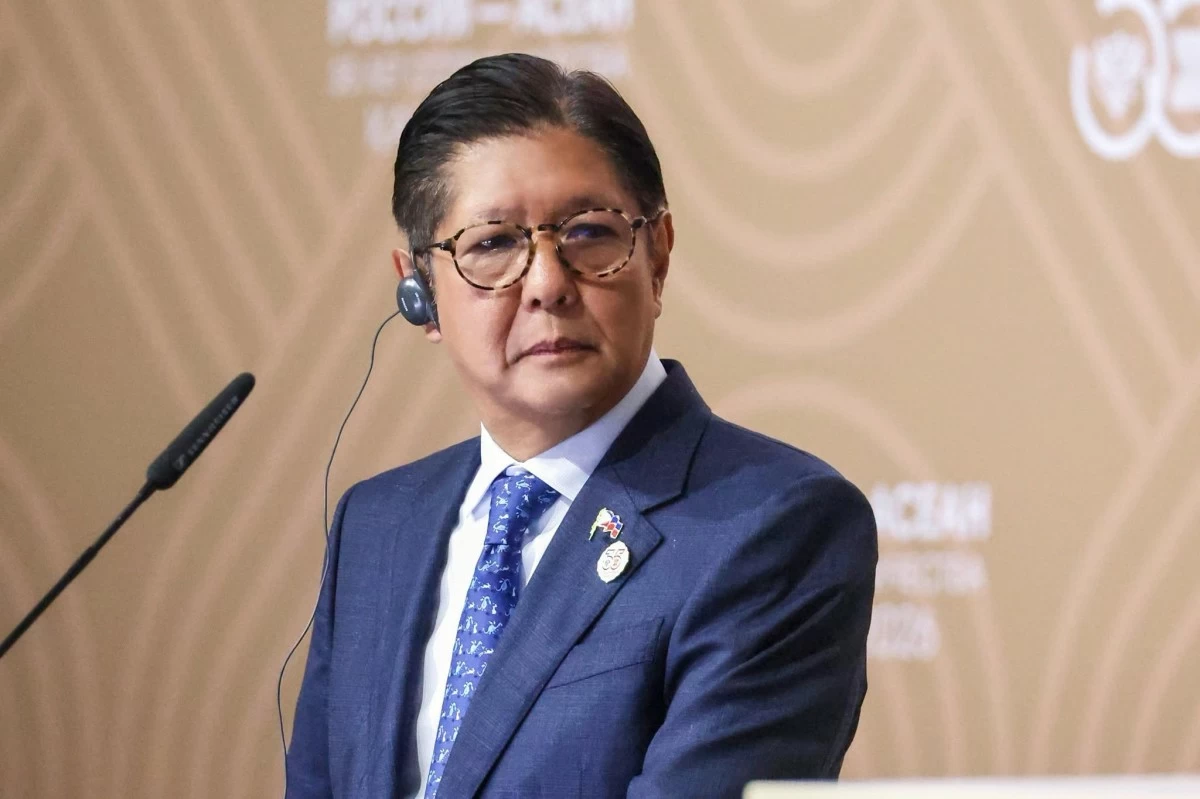
President Ferdinand 'Bongbong' Marcos Jr. (Bongbong Marcos/Facebook)

President Marcos acknowledged concerns that the Philippines could face backlash from like-minded nations as Manila seeks to deepen engagement with Russia, saying the government would tread carefully to ensure its partnerships do not contribute to conflict.

Asked about possible criticism from countries that have imposed sanctions on Russia over its war with Ukraine, the President said such concerns are "certainly" valid and would require "very nuanced decisions" moving forward.

"We would certainly not want to be part of any system that furthers conflict anywhere in the world," Marcos told reporters covering his visit to Kazan, Russia, for the ASEAN-Russia Commemorative Summit, on Thursday, June 18.

Marcos said the Philippines remains one of the strongest supporters of peace and would be careful not to inadvertently become part of any arrangement that encourages war.

At the same time, he stressed that the changing global landscape has opened new opportunities for cooperation with Russia and other partners beyond the country's traditional alliances.

Multipolar world

President Marcos said the Philippines no longer subscribes to a bipolar world order in which countries are forced to choose sides between competing powers.

"It was a recognition that the world has changed," he said.

The President said discussions during the ASEAN-Russia Summit focused heavily on the realities of a multipolar world, which he described as more complex but also one that offers greater opportunities.

Untapped opportunities

Marcos said there remains "so much potential" in the Philippine-Russian relations despite relatively low trade levels between the two countries.

He said Manila and Moscow have traditionally cooperated in areas such as agriculture and petroleum products, but new sectors have emerged that were not previously explored.

Among these are nuclear energy, space technology, and artificial intelligence.

"There are many, many, many things — many areas that have become available to us that did not exist before," he said.

The President also cited opportunities in food trade, fertilizer imports, and agricultural cooperation.

No investment pledges yet

Marcos said the Philippines is still at the "starting point" of its renewed engagement with Russia and has yet to secure any investment pledges or sign definite agreements.

"There are no definite agreements that have been signed," he said.

However, he said the summit enabled both sides to identify sectors with "serious potential for development" in trade, cultural exchanges, and people-to-people relations.

Tourism and flights

The President also expressed strong support for expanding direct air links between the Philippines and Russia, saying more flights would help boost tourism and economic engagement.

He noted that there is already an agreement for flights between Irkutsk and Kalibo, Aklan, and that Cebu Pacific is looking at additional routes.

"The single most important determinant of the volume of tourism and travel between two countries are the number of flights. The more flights you have, the more people come," he said.

Marcos added that the government's policy of developing regional airports would allow foreign tourists, including Russians, to fly directly to destinations outside Manila.

The President also said he sees no serious objections to a possible visa-free arrangement between the Philippines and Russia if it would prove beneficial to both countries.

"If it's something that we feel will be of advantage to both Russia and the Philippines, I don't see why not," he said, adding that such a proposal could be considered in the future as the government seeks to increase tourism and people-to-people exchanges.

Related Tags

President Marcos Bongbong Marcos PH-Russia RUSSIA-UKRAINE WAR ASEAN ASEAN-Russia
ADVERTISEMENT
.most-popular .layout-ratio{ padding-bottom: 79.13%; } @media (min-width: 768px) and (max-width: 1024px) { .widget-title { font-size: 15px !important; } }

{{ articles_filter_1561_widget.title }}

.most-popular .layout-ratio{ padding-bottom: 79.13%; } @media (min-width: 768px) and (max-width: 1024px) { .widget-title { font-size: 15px !important; } }

{{ static_articles_1562_widget.title }}

.most-popular .layout-ratio{ padding-bottom: 79.13%; } @media (min-width: 768px) and (max-width: 1024px) { .widget-title { font-size: 15px !important; } }

{{ articles_filter_1563_widget.title }}

{{ articles_filter_1564_widget.title }}

.mb-article-details { position: relative; } .mb-article-details .article-body-preview, .mb-article-details .article-body-summary{ font-size: 17px; line-height: 30px; font-family: "Libre Caslon Text", serif; color: #000; } .mb-article-details .article-body-preview iframe , .mb-article-details .article-body-summary iframe{ width: 100%; margin: auto; } .read-more-background { background: linear-gradient(180deg, color(display-p3 1.000 1.000 1.000 / 0) 13.75%, color(display-p3 1.000 1.000 1.000 / 0.8) 30.79%, color(display-p3 1.000 1.000 1.000) 72.5%); position: absolute; height: 200px; width: 100%; bottom: 0; display: flex; justify-content: center; align-items: center; padding: 0; } .read-more-background a{ color: #000; } .read-more-btn { padding: 17px 45px; font-family: Inter; font-weight: 700; font-size: 18px; line-height: 16px; text-align: center; vertical-align: middle; border: 1px solid black; background-color: white; } .hidden { display: none; }
function initializeAllSwipers() { // Get all hidden inputs with cms_article_id document.querySelectorAll('[id^="cms_article_id_"]').forEach(function (input) { const cmsArticleId = input.value; const articleSelector = '#article-' + cmsArticleId + ' .body_images'; const swiperElement = document.querySelector(articleSelector); if (swiperElement && !swiperElement.classList.contains('swiper-initialized')) { new Swiper(articleSelector, { loop: true, pagination: false, navigation: { nextEl: '#article-' + cmsArticleId + ' .swiper-button-next', prevEl: '#article-' + cmsArticleId + ' .swiper-button-prev', }, }); } }); } setTimeout(initializeAllSwipers, 3000); const intersectionObserver = new IntersectionObserver( (entries) => { entries.forEach((entry) => { if (entry.isIntersecting) { const newUrl = entry.target.getAttribute("data-url"); if (newUrl) { history.pushState(null, null, newUrl); let article = entry.target; // Extract metadata const author = article.querySelector('.author-section').textContent.replace('By', '').trim(); const section = article.querySelector('.section-info ').textContent.replace(' ', ' '); const title = article.querySelector('.article-title h1').textContent; // Parse URL for Chartbeat path format const parsedUrl = new URL(newUrl, window.location.origin); const cleanUrl = parsedUrl.host + parsedUrl.pathname; // Update Chartbeat configuration if (typeof window._sf_async_config !== 'undefined') { window._sf_async_config.path = cleanUrl; window._sf_async_config.sections = section; window._sf_async_config.authors = author; } // Track virtual page view with Chartbeat if (typeof pSUPERFLY !== 'undefined' && typeof pSUPERFLY.virtualPage === 'function') { try { pSUPERFLY.virtualPage({ path: cleanUrl, title: title, sections: section, authors: author }); } catch (error) { console.error('ping error', error); } } // Optional: Update document title if (title && title !== document.title) { document.title = title; } } } }); }, { threshold: 0.1 } ); function showArticleBody(button) { const article = button.closest("article"); const summary = article.querySelector(".article-body-summary"); const body = article.querySelector(".article-body-preview"); const readMoreSection = article.querySelector(".read-more-background"); // Hide summary and read-more section summary.style.display = "none"; readMoreSection.style.display = "none"; // Show the full article body body.classList.remove("hidden"); } document.addEventListener("DOMContentLoaded", () => { let loadCount = 0; // Track how many times articles are loaded const offset = [1, 2, 3, 4, 5, 6, 7, 8, 9, 10]; // Offset values const currentUrl = window.location.pathname.substring(1); let isLoading = false; // Prevent multiple calls if (!currentUrl) { console.log("Current URL is invalid."); return; } const sentinel = document.getElementById("load-more-sentinel"); if (!sentinel) { console.log("Sentinel element not found."); return; } function isSentinelVisible() { const rect = sentinel.getBoundingClientRect(); return ( rect.top < window.innerHeight && rect.bottom >= 0 ); } function onScroll() { if (isLoading) return; if (isSentinelVisible()) { if (loadCount >= offset.length) { console.log("Maximum load attempts reached."); window.removeEventListener("scroll", onScroll); return; } isLoading = true; const currentOffset = offset[loadCount]; window.loadMoreItems().then(() => { let article = document.querySelector('#widget_1690 > div:nth-last-of-type(2) article'); intersectionObserver.observe(article) loadCount++; }).catch(error => { console.error("Error loading more items:", error); }).finally(() => { isLoading = false; }); } } window.addEventListener("scroll", onScroll); });

Sign up by email to receive news.