






Manila Bulletin
 Philippines
National
Philippines secures seat on UNESCO Intangible Cultural Heritage Committee until 2030
Philippines
National
Philippines secures seat on UNESCO Intangible Cultural Heritage Committee until 2030
Philippines
National
Philippines secures seat on UNESCO Intangible Cultural Heritage Committee until 2030
Philippines secures seat on UNESCO Intangible Cultural Heritage Committee until 2030
Election seen as global recognition of the country's rich cultural heritage and leadership in safeguarding living traditions
Published Jun 18, 2026 02:24 pm


At A Glance
- Philippines elected to UNESCO's Intangible Cultural Heritage Committee until 2030.
- The country received 106 votes from 156 UNESCO member states.
- Manila will champion heritage protection, inclusion, and climate resilience initiatives.
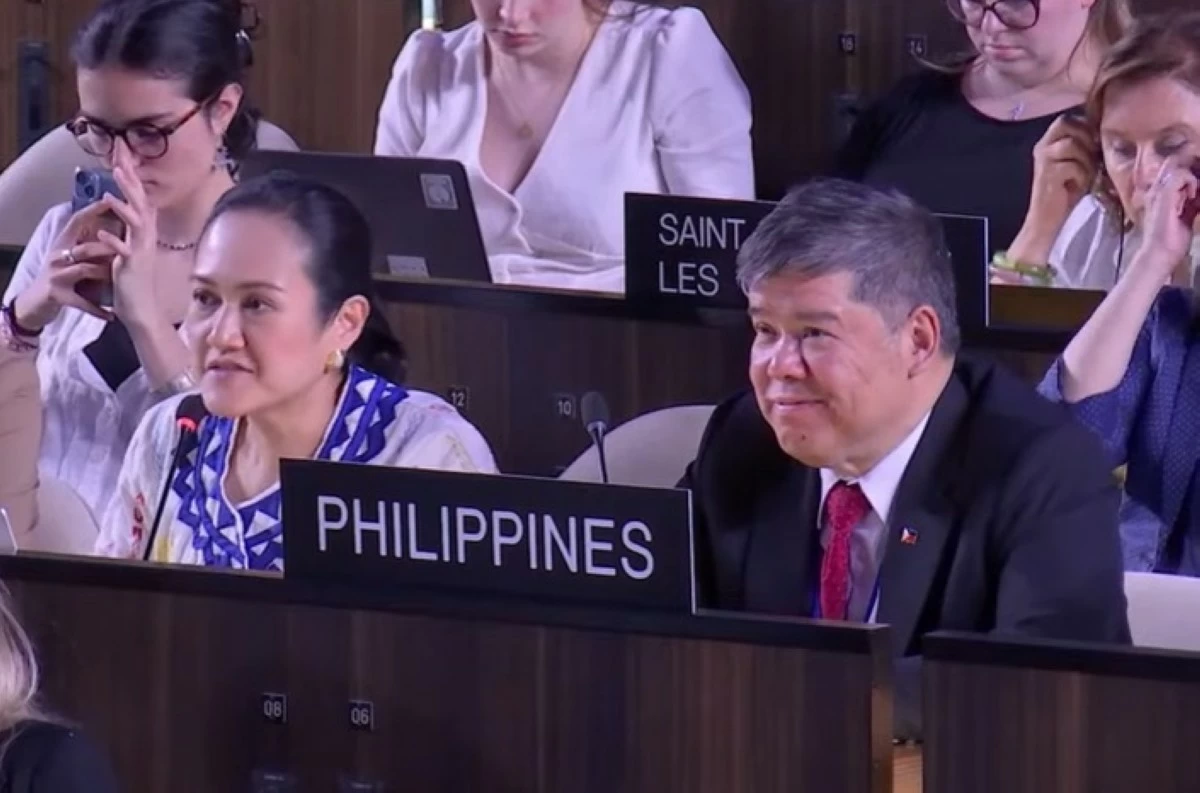
The Philippines was elected to UNESCO's Intergovernmental Committee for the Safeguarding of the Intangible Cultural Heritage, securing 106 votes from member states and earning a seat on the influential body until 2030. (DFA)
The Philippines has secured a seat on the United Nations Educational, Scientific, and Cultural Organization (UNESCO) Intergovernmental Committee for the Safeguarding of the Intangible Cultural Heritage (IGC-ICH), a development hailed as a major international recognition of the country's rich and diverse cultural heritage.
In a statement posted on its website on Thursday, June 18, the Department of Foreign Affairs (DFA) announced that the Philippines was elected as one of four new representatives from the Asia-Pacific region, alongside Japan, Indonesia, and Cambodia.
UNESCO members elect Philippines to key heritage body
The election took place during the 11th session of the General Assembly of States Parties to the 2003 Convention for the Safeguarding of the Intangible Cultural Heritage, held on June 17 at UNESCO Headquarters in Paris.
The Philippines garnered 106 votes from the 156 UNESCO member states that participated in the election.
The IGC-ICH is responsible for promoting best practices in safeguarding intangible cultural heritage, including traditional knowledge, cultural expressions, and indigenous practices.
The committee also evaluates and decides on nominations for inscription on UNESCO's Intangible Cultural Heritage Lists.
Manila to champion inclusive, climate-resilient heritage protection
Following its election, the Philippines immediately assumed its seat on the committee and will serve until 2030.
As a committee member, the Philippines said it would advocate for capacity-building initiatives to protect living heritage in disaster-prone and climate-vulnerable communities.
It will also promote discussions on gender equality and disability inclusion in cultural heritage preservation while encouraging dialogue on the effects of migration and emerging technologies on the transmission of intangible cultural heritage.
The Philippines has been a State Party to the 2003 Convention for nearly two decades and has successfully secured UNESCO recognition for several cultural traditions and practices.
Among the country's inscriptions on UNESCO's Intangible Cultural Heritage Lists are the Aklan piña handloom weaving tradition, the Hudhud chants of the Ifugao, the Darangen epic of the Maranao people of Lake Lanao, the Buklog thanksgiving ritual system of the Subanen, the practice of making Asin Tibuok, or traditional Bohol sea salt, the School of Living Traditions, and traditional tugging rituals and games.
Clear sign of the global community’s recognition
Philippine Ambassador to France and Permanent Delegate to UNESCO Eduardo José A. de Vega welcomed the election, describing it as a testament to the international community's respect for the country's cultural diversity.
"Our election to this important committee demonstrates how the world community of nations has always held our country in high esteem, especially with regard to our multicultural and multiethnic heritage, which has, in effect, made the Philippines a bridge among the peoples of the world," de Vega said.
The successful election strengthens the Philippines' role in shaping global policies on cultural heritage preservation and highlights its continuing commitment to safeguarding traditions for future generations.