






Manila Bulletin
 Lifestyle
Health and Wellness
Not just an upset stomach: Understanding the ideal medications for gut discomfort
Lifestyle
Health and Wellness
Not just an upset stomach: Understanding the ideal medications for gut discomfort
Lifestyle
Health and Wellness
Not just an upset stomach: Understanding the ideal medications for gut discomfort
Not just an upset stomach: Understanding the ideal medications for gut discomfort
By MBrand
Published Jun 25, 2026 10:18 am
|
Updated Jun 25, 2026 01:29 pm



Adulting is supposed to mean knowing better. You pay your bills, answer emails with “Noted, thanks,” and suddenly have opinions about air fryers. But somehow, when it comes to digestive problems, many Pinoys still treat every “sakit ng tiyan” like it’s one big group project with one solution. Kabag? Acid? Constipation? Hilab? Same solution: rummage the medicine cabinet and hope for the best.
Here’s the problem: your tiyan didn’t sign up for that kind of guessing game.
Different symptoms point to different causes, and treating them all the same way can leave you just as uncomfortable—sometimes even worse. In line with this year’s World Digestive Health Day message of paying closer attention to digestive health, brands like Aluminum Hydroxide + Magnesium Hydroxide + Simethicone (Maalox Plus), Bisacodyl (Dulcolax), Hyoscine N-butylbromide (Buscopan), Erceflora Probiotics, and Phospholipids (Essentiale Forte P) are reinforcing a simple but important reminder: digestive discomforts are not all the same, and neither are their solutions.
From acid-related discomfort and constipation to abdominal cramps, gut imbalance, and liver support, the goal is to encourage more informed self-care by helping people better understand their symptoms and choose the right remedy for the right problem.
Because real adulting isn’t just surviving discomfort—it’s listening to what your katawan is trying to tell you and responding with the proper care.
The “Same Tiyan, Different Problem” Reality Check
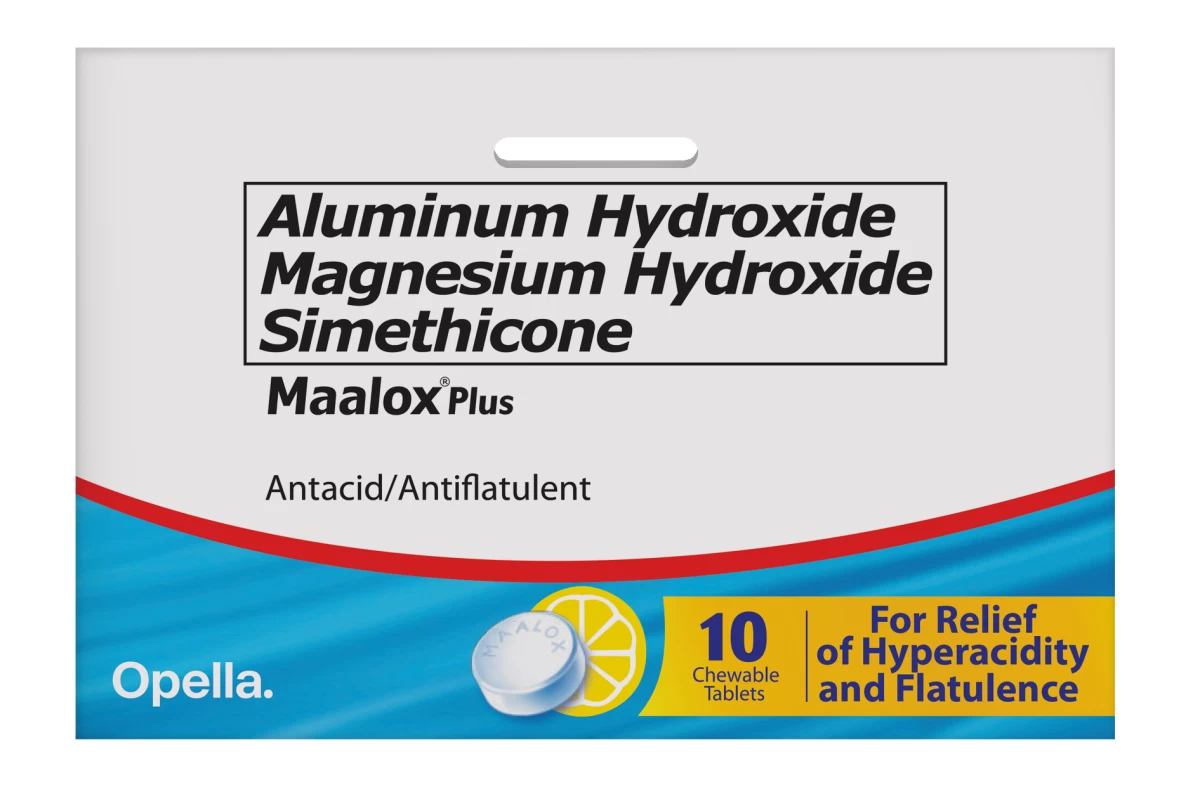
1. “Pangangasim” or Heartburn Isn’t the Same as Kabag
Not all upper belly discomfort is just kabag. If you’re feeling a burning sensation in the chest or upper stomach, acid reflux, or bloating after meals, it may actually be pangangasim ng sikmura or heartburn—often linked to hyperacidity, acid reflux, or indigestion.
Since this type of discomfort is acid-related, antacids like Aluminum Hydroxide + Magnesium Hydroxide + Simethicone (Maalox Plus) might help you! Take 1-2 tablets, four times a day, after meals and at bedtime, or as prescribed by your doctor. It can help properly relieve your stomach’s acid tantrums, the burn, and calm excess stomach acid.
2. Constipation Isn’t Just “Walang Tulak”
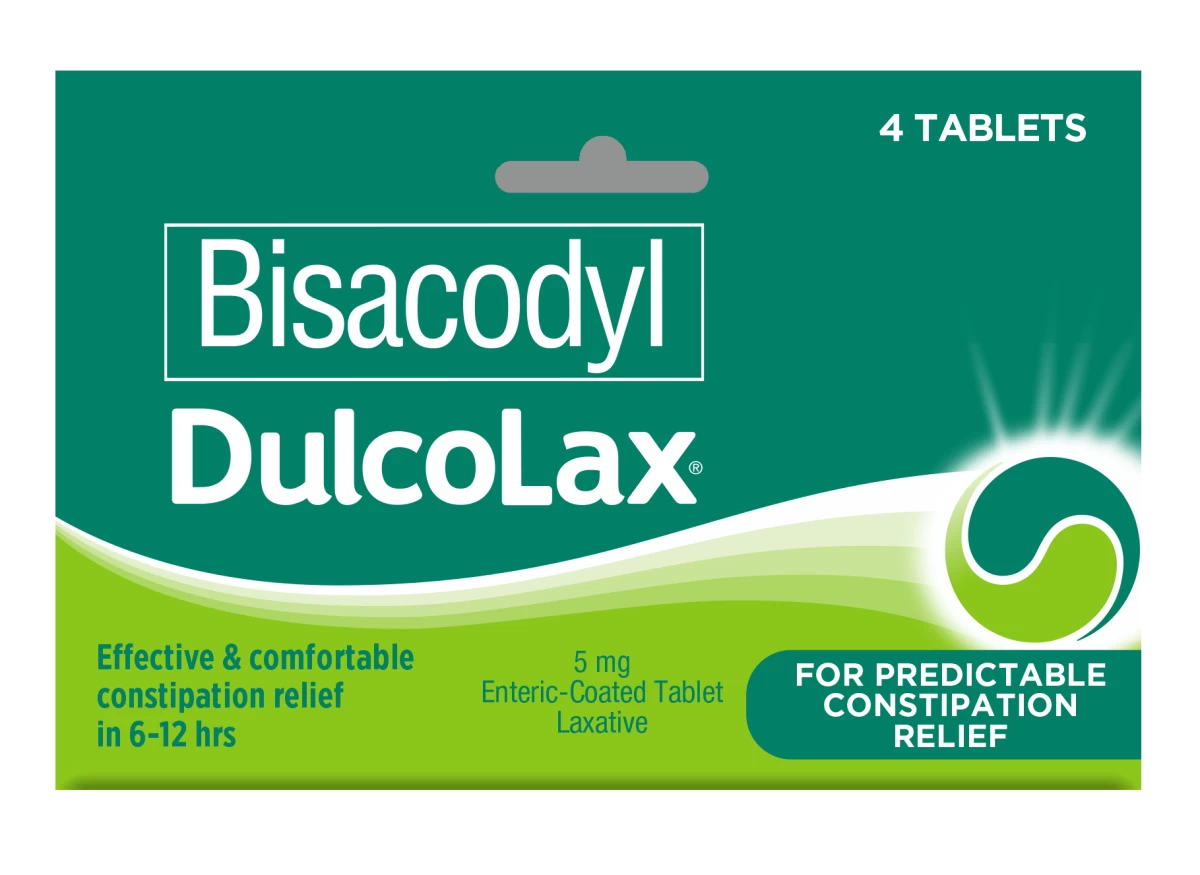
Constipation isn’t just “walang tulak.” Difficulty passing stool, bloating, heaviness, or infrequent bowel movements can be linked to low fiber intake, dehydration, stress, and lifestyle habits.
While hydration, exercise, and better eating habits help keep things regular, laxatives like Bisacodyl (Dulcolax) may help get things moving again by providing relief when constipation becomes uncomfortable or persistent. Take 1-2 tablets at night or as directed by your doctor to help provide relief when your digestive system seems to be “offline”.
3. Lower Belly Cramps Need More Than Tiis
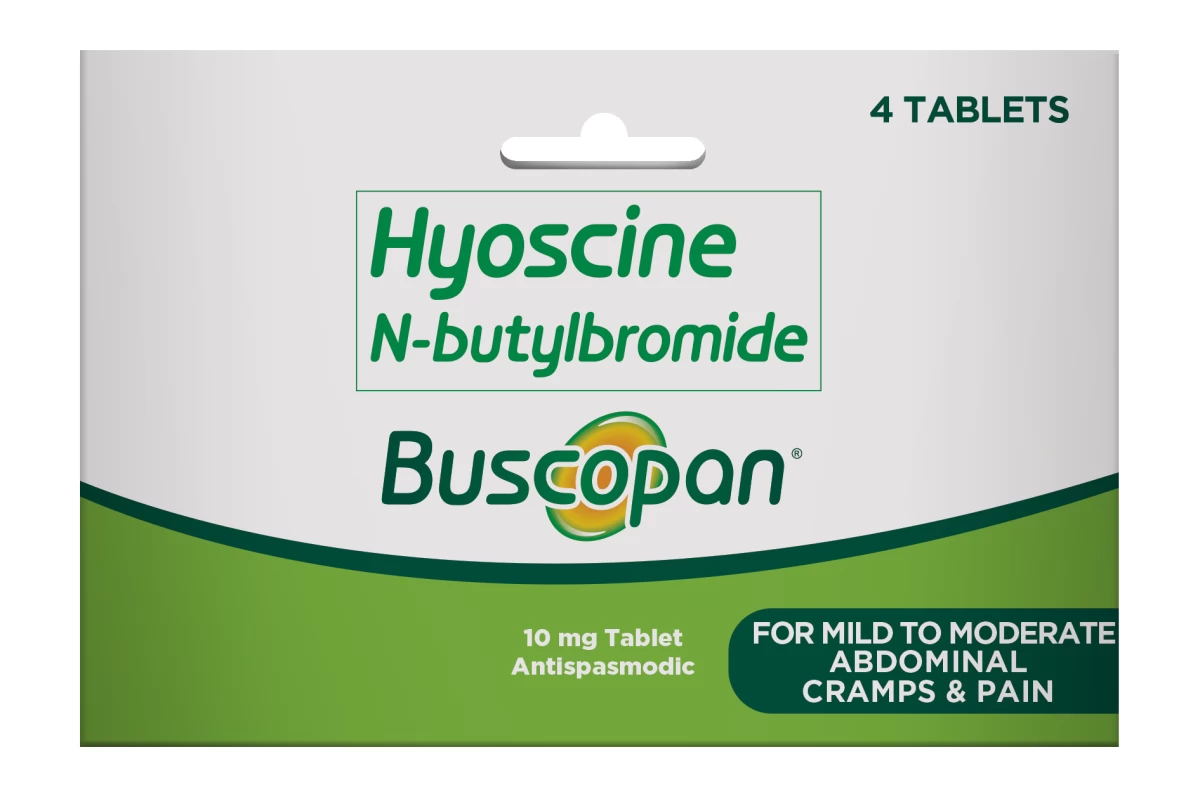
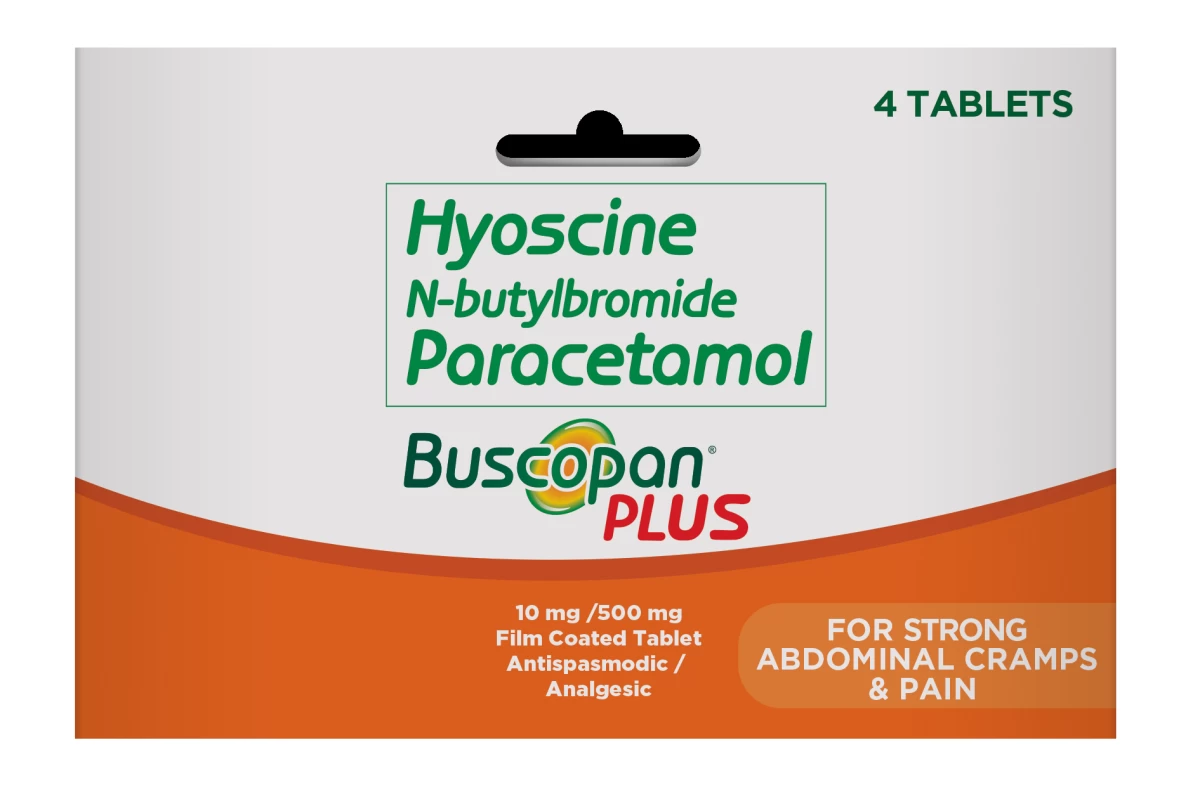
Lower belly cramps are more than just “tiisin mo na lang.” If you’re feeling hilab, ipit, or tusok pain around or below the navel—especially the kind that comes and goes—it may be linked to functional abdominal cramping or even stress-related gut reactions.
Since this type of pain is caused by muscle spasms in the gut and can cause you to fold like a monoblock chair, antispasmodics like Hyoscine N-butylbromide (Buscopan) can help provide targeted relief by easing the cramping at the source. The usual dose is 1–2 tablets, 3x a day for not more than 3 days, or as prescribed by your doctor.
4. Your Gut Might Need Support, Too
Sometimes, the issue isn’t just what you ate—it’s your gut balance itself. Frequent tummy upset, sensitivity after eating, or recurring digestive discomfort may be signs that your digestive system needs support. That’s where good bacteria come in.
Probiotics like Erceflora help maintain a healthier gut environment, maintaining and restoring balance (with proper diet and exercise) when your stomach feels off than usual. Erceflora Probiotics contains billions of 4-strain Intelli-spores and is for all ages above 6 months old— typically taken one mini bottle per day for Gut Restore, for 7 days from the onset of gut infection symptoms or as directed by a physician.


5. When It’s More Than the Stomach
Sometimes, it’s not just your stomach asking for attention. Feeling unusually heavy, fatigued, or experiencing digestive discomfort after frequent indulgence may also point to liver strain. While occasional discomfort can happen, persistent symptoms shouldn’t be ignored.
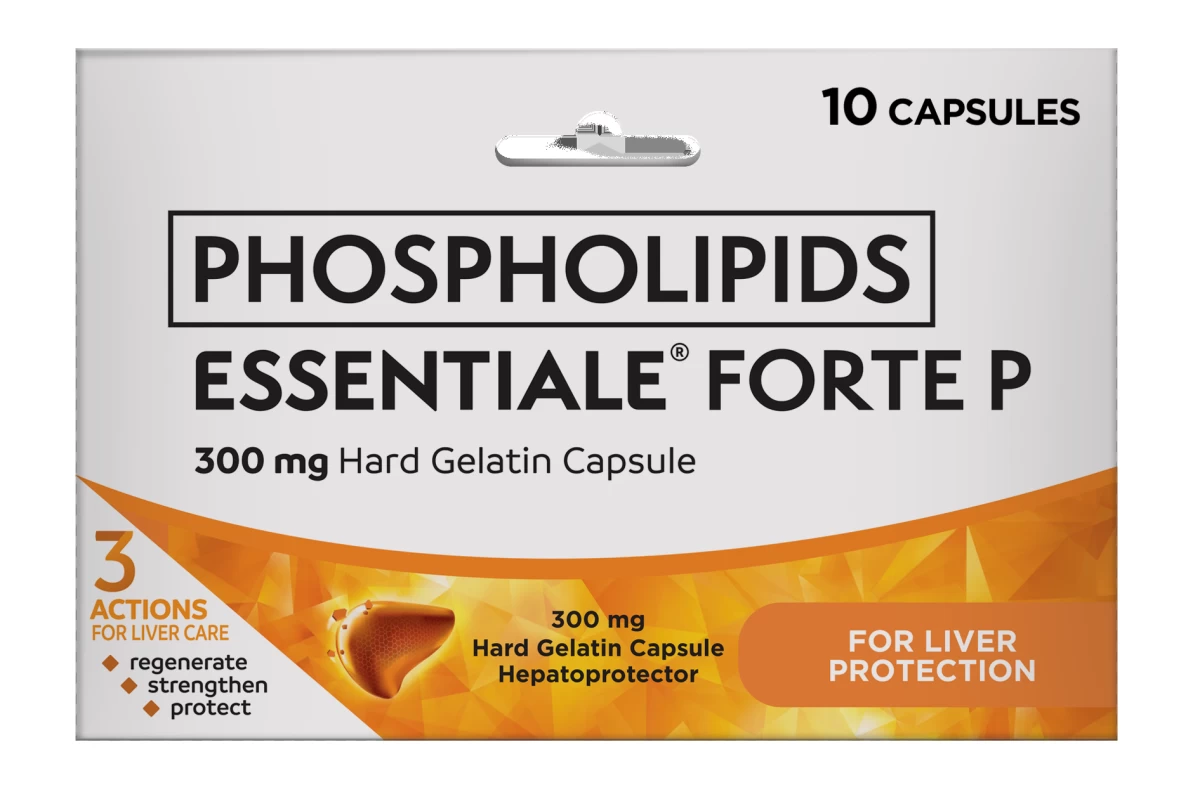
For those moments when your body is still recovering from one too many “deserve ko ’to” food trips and bar crawls, liver support like Phospholipids (Essentiale Forte P) may help support liver health (with proper diet and exercise). Take two capsules, three times a day or as prescribed by your physician.
But if discomfort, heaviness, or fatigue starts lingering longer than your weekend plans, it’s also a sign to stop brushing symptoms aside and consult a doctor before they turn into bigger problems down the line.
Adulting Is Matching Symptoms to the Right Care
At its core, adulting is no longer about just “tolerating” discomfort—it’s about making smarter decisions for your health. As World Digestive Health Day reminds us, digestive discomforts aren’t just annoyances to ignore—they’re signals from your body asking to be understood.
Supporting this call for more informed and mindful self-care, Aluminum Hydroxide + Magnesium Hydroxide + Simethicone (Maalox Plus), Bisacodyl (Dulcolax), Hyoscine N-butylbromide (Buscopan), Erceflora Probiotics, and Phospholipids (Essentiale Forte P) reinforce the importance of matching the right care to the right symptom—whether it’s acid-related discomfort, constipation, cramps, gut imbalance, or liver support.
The more mindful approach is simple: observe your symptoms properly, choose the appropriate remedy for the right problem, and consult a doctor when symptoms persist or worsen. Because real adulting isn’t pretending you’re fine while clutching your stomach in silence. It’s knowing when your body is talking—and actually listening.
MAHALAGANG PAALALA: ANG ERCEFLORA GUT DEFENSE AT ERCEFLORA GUT RESTORE AY HINDI GAMOT AT HINDI DAPAT GAMITING PANGGAMOT SA ANUMANG URI NG SAKIT.
IF SYMPTOMS PERSIST, CONSULT YOUR DOCTOR
ASC Ref. No. S0266P061626S
MAT-PH-2600764 / Ver 1.0 / DA 05-2026 / DM 05-2026
Opella Healthcare Philippines Inc.