








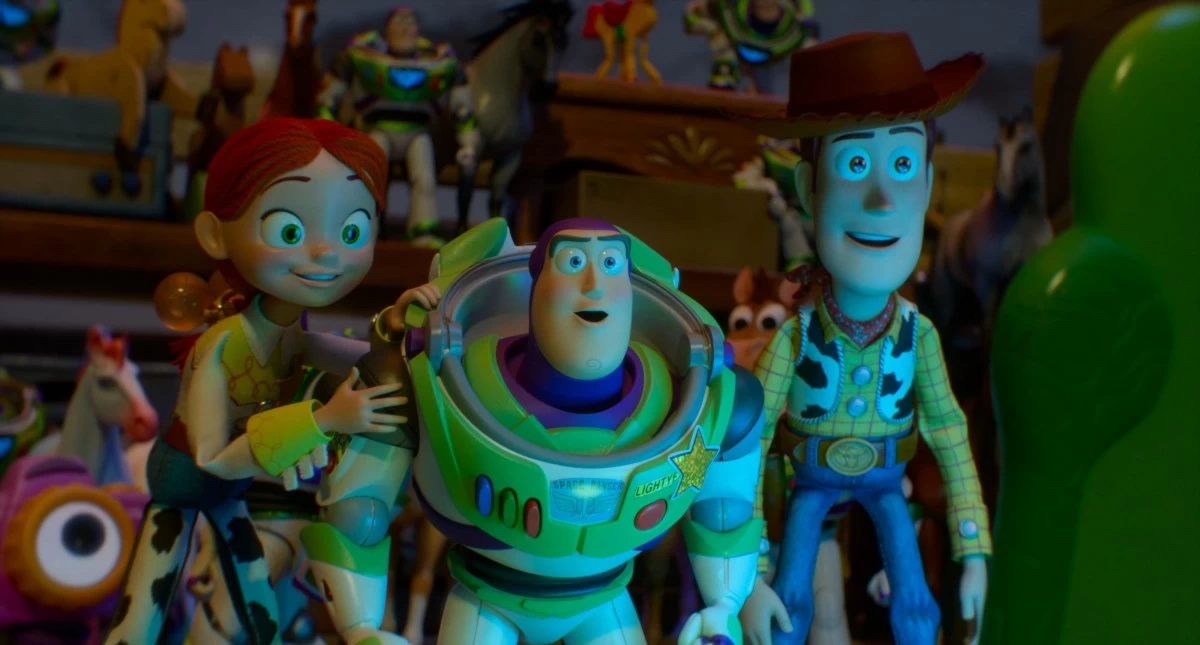
(L-R): Jessie, Buzz Lightyear, and Woody in Disney and Pixar's TOY STORY 5. Photo courtesy of Pixar. © 2026 Disney/Pixar. All Rights Reserved.
I was fortunate enough to watch both the premiere and the advance screening of "Toy Story 5." And perhaps because I grew up with these films, this latest installment hit me in a way I wasn't expecting.
The first "Toy Story" arrived in 1995. Thirty-one years later, Woody, Buzz, and the gang are back once again, as if no time has passed at all. Yet everything around them has changed.
"Toy Story 5" may be about toys, but at its heart, it is really about today's children.
The film tackles a question many parents have quietly wondered about: what happens when toys are no longer a child's first choice for play?
Today's children are growing up in a world vastly different from the one many of us knew. Tablets, smartphones, gaming consoles, and endless online content compete for their attention from an early age. The internet has made the world smaller. Children can learn almost anything with a few taps on a screen. They can talk to people from across the globe. They can access information that previous generations could only dream of having.
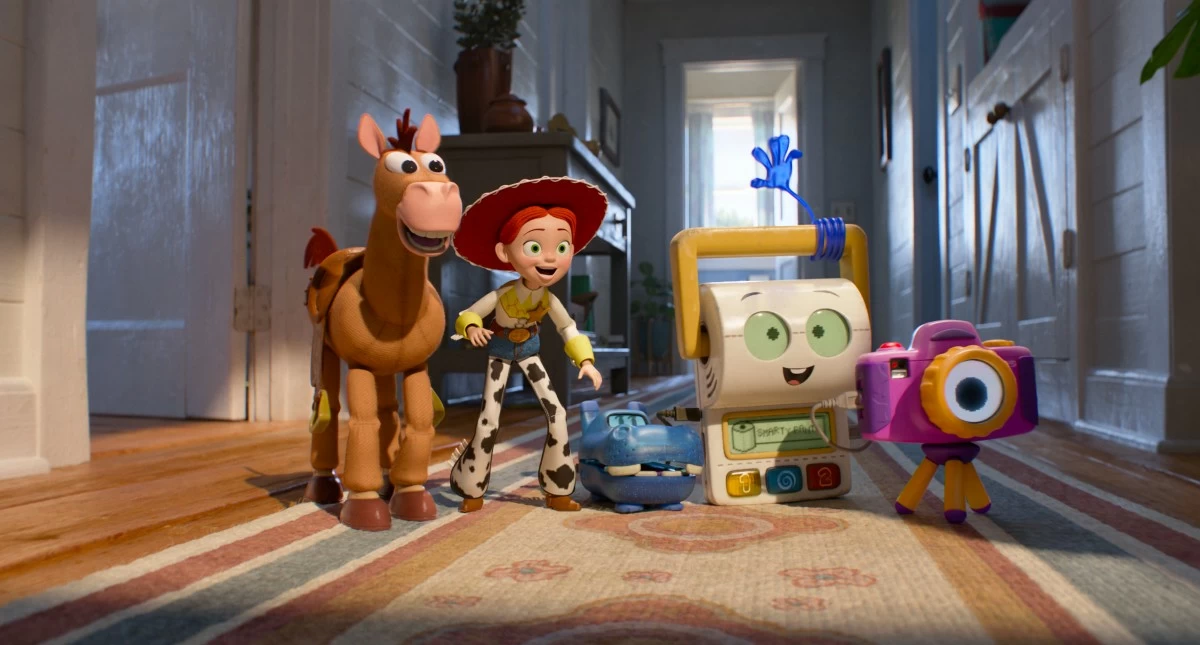
(L-R): Bullseye, Jessie, Atlas, Smarty Pants, and Snappy in Disney and Pixar's TOY STORY 5. Photo courtesy of Pixar. © 2026 Disney/Pixar. All Rights Reserved.
Yet somehow, we are more connected than ever and more isolated than ever.
As both a parent and a teacher, I have seen this shift firsthand. This generation often speaks older and thinks older. They are exposed to more information, more opinions, and more experiences than any generation before them. But they are also spending less time in the kind of play that once defined childhood.
When I was growing up, play meant knocking on a friend's gate and asking if they could come outside. It meant inventing games, arguing over rules, riding bikes, and staying out until it was time to go home. Friendships were built face-to-face.
Today, many children spend their free time indoors. Playdates are scheduled. Conversations happen through screens. Children may interact with dozens of people online while rarely seeing neighborhood friends.
"Toy Story 5" recognizes this reality and places it at the center of its story. The conflict between traditional toys and modern technology serves as more than just a plot device. It reflects a growing concern shared by many parents and educators: are children slowly losing the art of imaginative play?
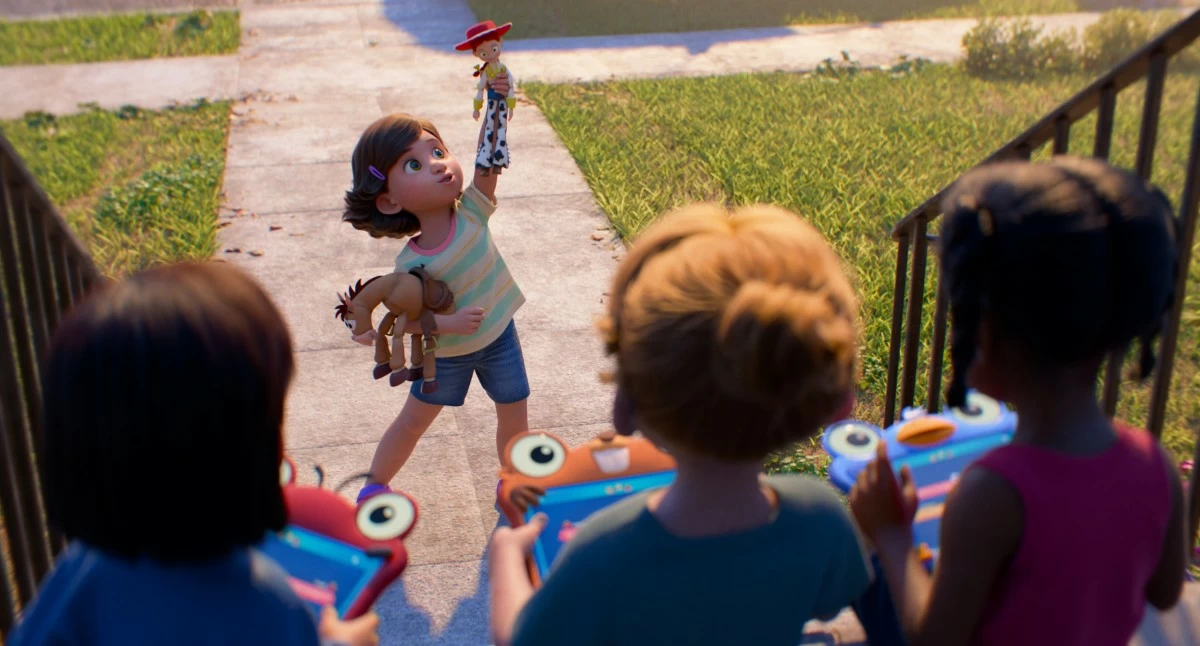
(Center): Bonnie in Disney and Pixar's TOY STORY 5. Photo courtesy of Pixar. © 2026 Disney/Pixar. All Rights Reserved.
Imaginative play is not simply entertainment. It is how children experiment with ideas, process emotions, solve problems, and create stories of their own. A stuffed toy can become a best friend. An action figure can become a hero. A cardboard box can become a spaceship.
No app can fully replace that.
What makes "Toy Story 5" successful is that it never feels preachy. Instead, it gently reminds viewers why play matters. It encourages children to look beyond screens and reminds adults that toys still have value in a world increasingly dominated by technology.
And perhaps that is why the film resonated with me so deeply.
Like many people who grew up with "Toy Story," I still cannot look at a forgotten stuffed toy without wondering about it. Pixar planted that idea in our heads more than three decades ago. Ever since then, toys have never been just toys.
From the first film that convinced us our toys came alive when we left the room, to this latest chapter that reminds us they still deserve our attention, Pixar continues to keep the magic alive.
"Toy Story 5" is entertaining, funny, and heartfelt. But more importantly, it arrives at exactly the right time. It serves as a reminder to children that play is important, and to adults that childhood cannot be fully downloaded, streamed, or swiped through.
Sometimes, all it takes is a toy, a little imagination, and a story waiting to be told.