






 Business
Trade & Industry
Skincare demand to keep beauty sector booming despite inflation
Business
Trade & Industry
Skincare demand to keep beauty sector booming despite inflation
Skincare demand to keep beauty sector booming despite inflation
Sales seen growing 10% this year


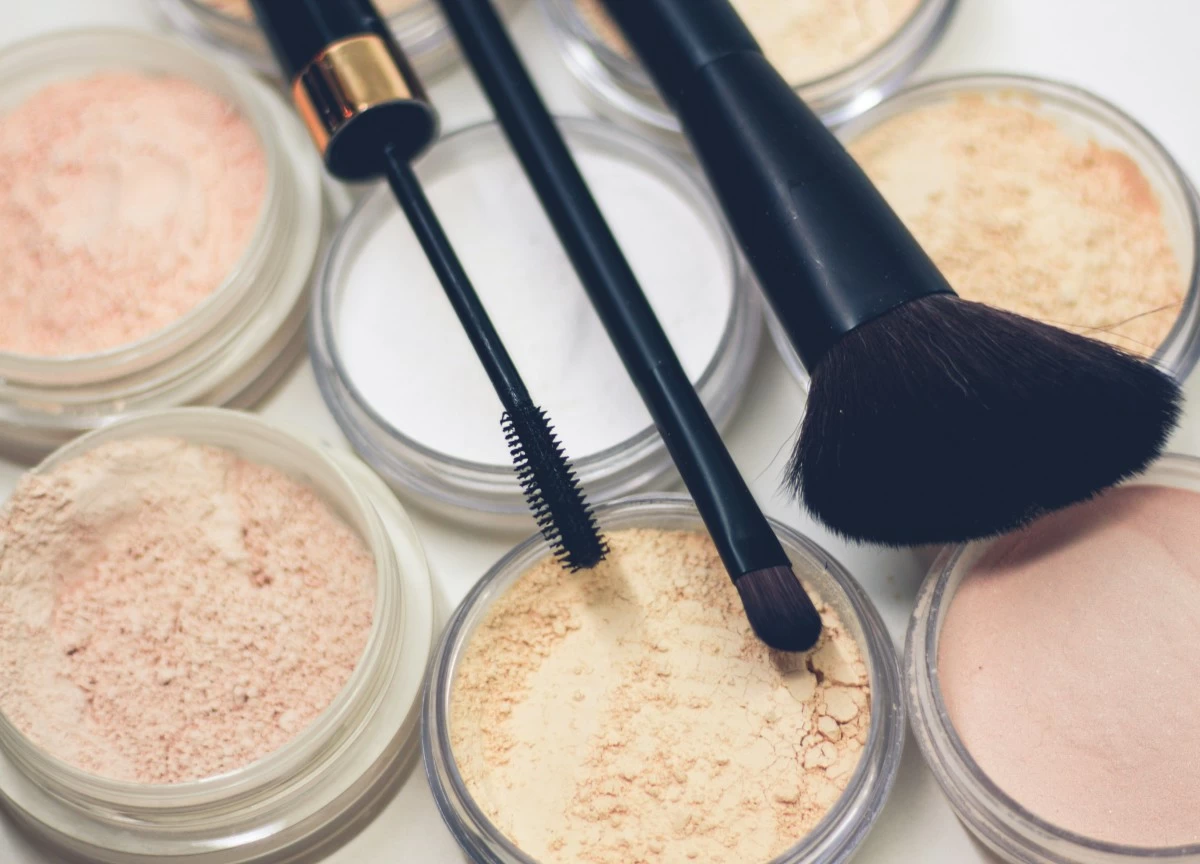
The country’s beauty and personal care sector is expected to maintain its growth momentum this year, with sales rising by up to 10 percent as demand for skincare products continues to shine despite inflationary pressures.
Chamber of Cosmetics Industry of the Philippines Inc. (CCIP) president Janina Tan told reporters on Wednesday, June 17, that the group expects industry growth to sustain its strong performance this year.
She said sales in the beauty and personal care sector, which covers products applied to the skin, grew by 10.1 percent last year.
“The forecast is that we will have the same growth, nine to 10 percent,” Tan said on the sidelines of Cosmobeauté Philippines.
Sun care products such as sunscreens and after-sun lotions are expected to remain the most in-demand skincare products this year, following last year’s 16-percent growth.
Another key driver of growth is skincare trends on social media, such as content creators sharing beauty tips on TikTok.
“The population of the Philippines is very young. And with TikTok and e-commerce, it’s very easy to buy,” said Tan.
Tan said the group is optimistic about the projected growth, as Filipinos, especially those in the mass market, are still buying skincare products at their usual pace.
This is despite inflation averaging 4.5 percent from January to May, higher than the average inflation rate of 1.9 percent during the same period last year, amid higher costs of key commodities such as fuel.
“In the cosmetics industry, I don’t think it’s that affected,” said Tan, who is also chief executive officer (CEO) of HairReve.
For instance, Tan said her company saw sales surge during the recent Holy Week period, which is typically a slow season.
“Our sales online surged. And [it’s because] people are bored, they’re not traveling because the gas is expensive. They have money to buy cosmetics,” she explained.
While more foreign brands are entering the market, Tan said the local industry is still able to compete due to social media, which has helped level the playing field.
This, she said, is especially relevant for CCIP, which comprises 205 members ranging from smaller companies to industry giants.