







San Juan awards 'Right to Care' cards to 17 couples
Published Jun 17, 2026 08:37 am
|
Updated Jun 17, 2026 04:37 pm


Seventeen couples, including members of the LGBTQA+ community, received their "Right to Care" cards as the San Juan City government launched the program on Wednesday, June 17, as part of the 19th cityhood anniversary celebration.
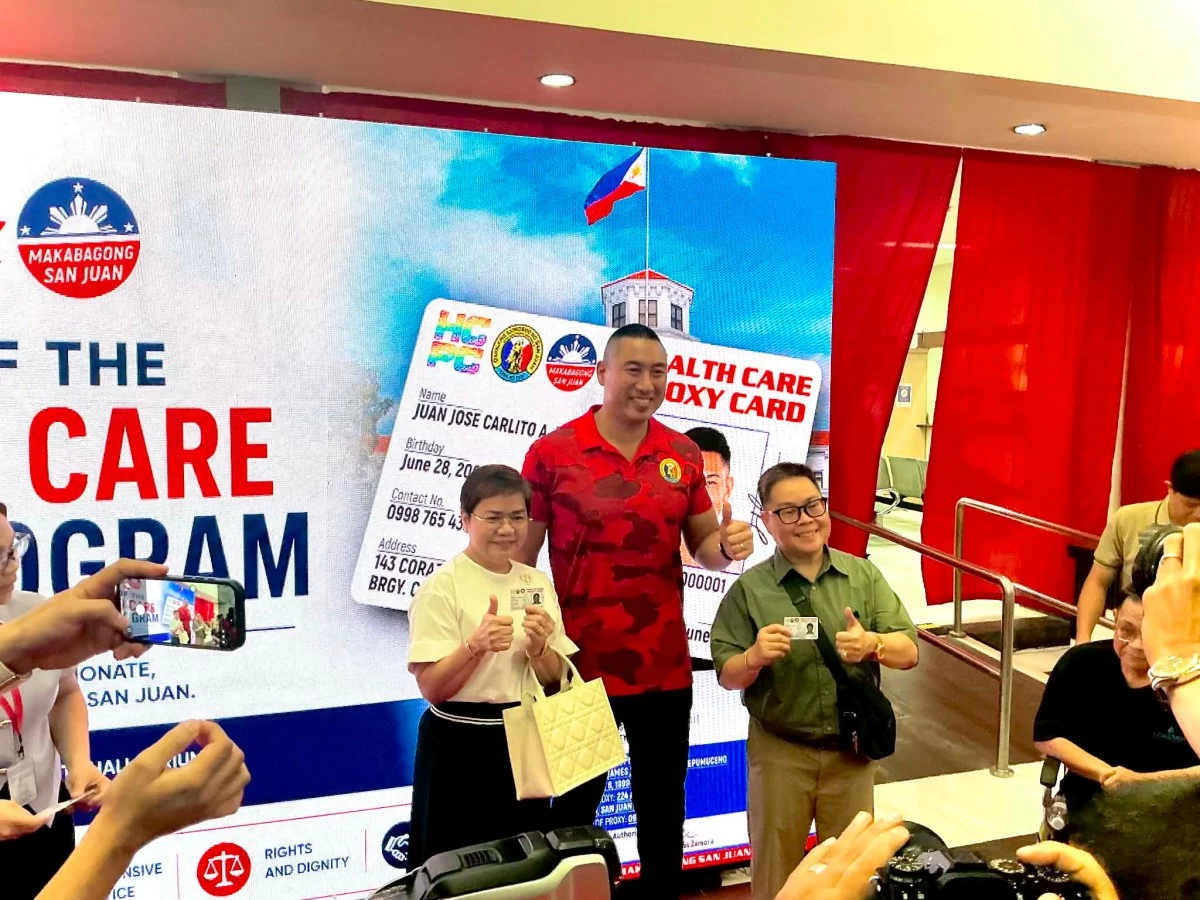
San Juan City Mayor Francis Zamora leads the distribution of Right to Care cards to the first batch of qualified beneficiaries on June 17. (Photo by Richielyn Canlas)
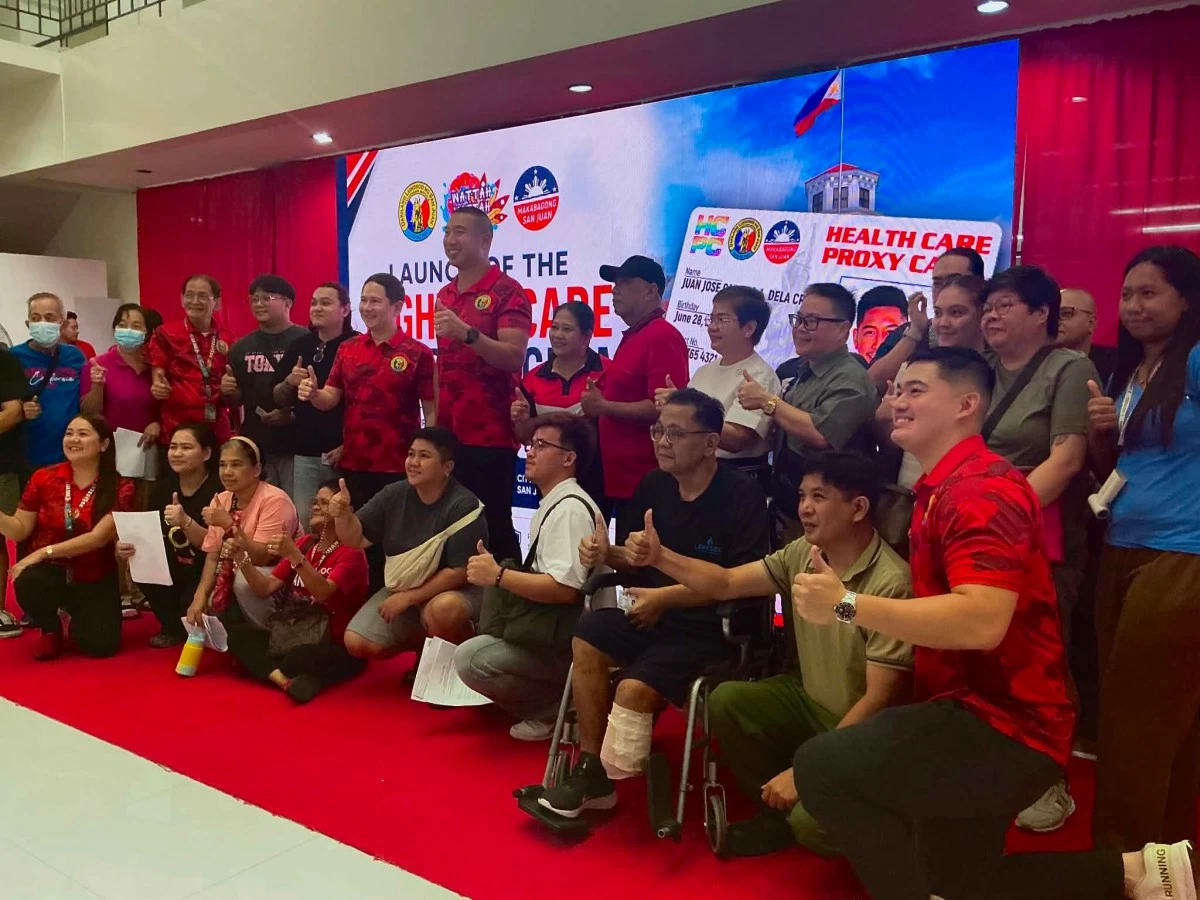
San Juan City Mayor Francis Zamora leads the distribution of Right to Care cards to the first batch of qualified beneficiaries on June 17. (Photo by Richielyn Canlas)
Mayor Francis Zamora, together with city councilors and beneficiaries from the first batch of recipients, led the event held at the San Juan City Hall Atrium.
The Right To Care Card, established through City Ordinance No. 16, Series of 2025, and was subsequently strengthened and expanded by City Ordinance No. 22, Series of 2026, or the San Juan Healthcare Proxy Ordinance.
The measure allows qualified individuals to designate a trusted person to make healthcare decisions on their behalf in accordance with a duly executed Special Power of Attorney (SPA) and applicable laws.
The authority of the healthcare proxy is not based on an individual's wishes. Rather, it is based on the wishes of the principal, who is the person who executed the SPA.
The SPA contains a menu of healthcare and medical decisions that may be specifically selected and authorized by the principal.
The mayor said the role of the healthcare proxy is to execute only those healthcare and medical decisions authorized by the principal when the latter becomes unable to communicate or make decisions due to illness, injury, or incapacity.
“The healthcare proxy may also be given medical information and access to bedside care of the Principal, subject to applicable laws, rules, regulations, and healthcare facility policies,” the mayor added.
The launch featured the awarding and distribution of cards to recipients. A ceremonial printing of the Right to Care cards was also conducted during the program.
In an interview, an LGBT couple who have been together for 17 years said the initiative is meaningful, particularly as they age, because it allows them to designate each other to make healthcare decisions on one another's behalf when needed.
Another LGBT couple, who have been living together for nearly four years, described the initiative as a progressive move, saying it recognizes their relationship and grants them the authority to make healthcare decisions for one another, even though they are not immediate family members.
They added that the program would be especially helpful for couples like them during medical emergencies.
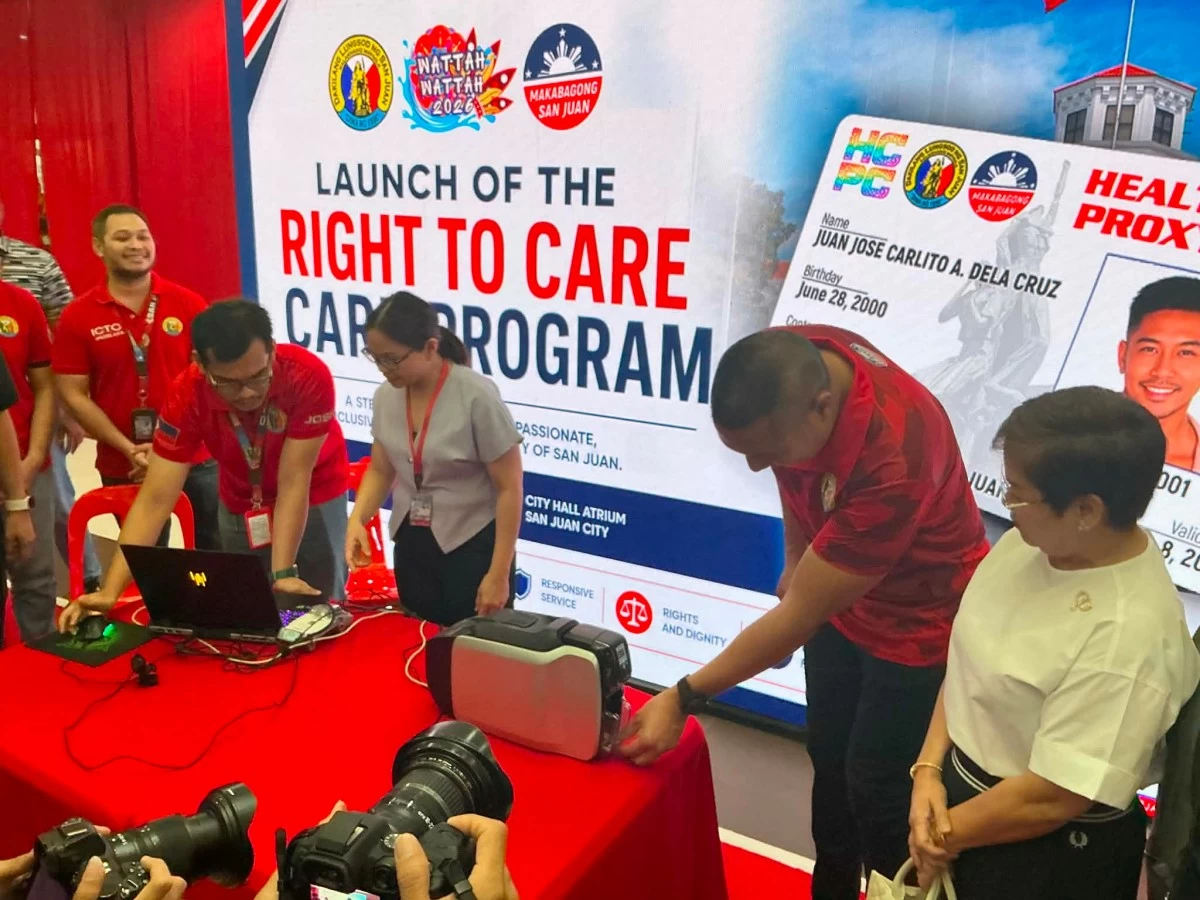
San Juan City Mayor Francis Zamora leads the distribution of Right to Care cards to the first batch of qualified beneficiaries on June 17. (Photo by Richielyn Canlas)
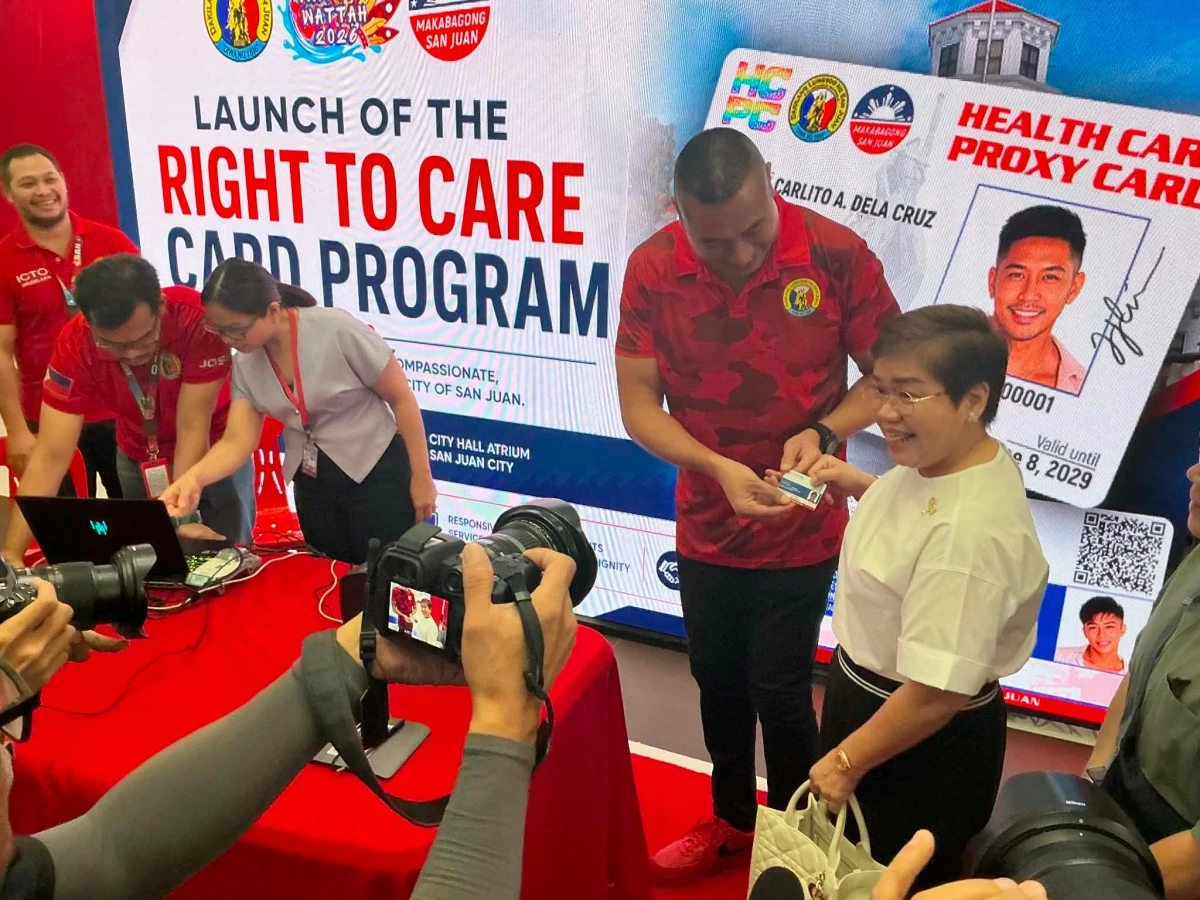
San Juan City Mayor Francis Zamora leads the distribution of Right to Care Cards to the first batch of qualified beneficiaries on June 17. (Photo by Richielyn Canlas)
The local government said that the cards were given to qualified applicants who completed the city's requirements, including registration and application, submission of documentary requirements, assessment and verification, and attendance at the mandatory orientation seminar conducted by the Gender and Development (GAD) Office in partnership with the City Legal Office and the City Health Department.
It said the initiative seeks to strengthen patient autonomy and ensure that healthcare preferences and directives are respected when individuals are unable to communicate or make medical decisions for themselves.
“As we celebrate our 19th Cityhood Anniversary, we also celebrate another milestone in our continuing effort to build a city that is not only progressive and modern, but also compassionate, inclusive, and responsive to the needs of all its residents,” Zamora said.
“At its core, the Right To Care Card is about something very simple yet very important: the right of every person to decide whom they trust to stand by them and help carry out their healthcare decisions when they are no longer able to communicate or decide for themselves,” he added.
The mayor also clarified that the Right To Care Card does not, by itself, create the authority of the healthcare proxy, saying the authority comes from the duly executed and notarized SPA of the principal.
He added that the card serves as convenient and readily verifiable proof that such designation has been registered with the City Government of San Juan.
The local government said that the Right to Care Card would remain valid for three years from the date of issuance unless earlier revoked by the Principal, superseded by a new Special Power of Attorney (SPA) designating a new healthcare proxy, invalidated by judicial determination, or otherwise terminated in accordance with law.
“The Right To Care Card is not just a piece of plastic. It is peace of mind. It is dignity. It is autonomy. It is empowerment, and it is another step toward a more compassionate, inclusive, and rights-based City of San Juan,” the mayor emphasized.
“As we celebrate 19 years of cityhood, let us continue building a city that protects not only the welfare of its people, but also their rights, their choices, and their dignity,” he continued.
Meanwhile, to accommodate future applicants, the city government plans to hold the required orientation seminar on a monthly basis, with Right to Care cards to be issued in batches to those who successfully meet the city’s requirements.