







PNB Holdings breathes new life into 2 Brutalist icons
The company is modernizing the PNB Makati Center and PNB Financial Center while preserving the Brutalist design elements that define them
Published Jun 17, 2026 08:00 pm


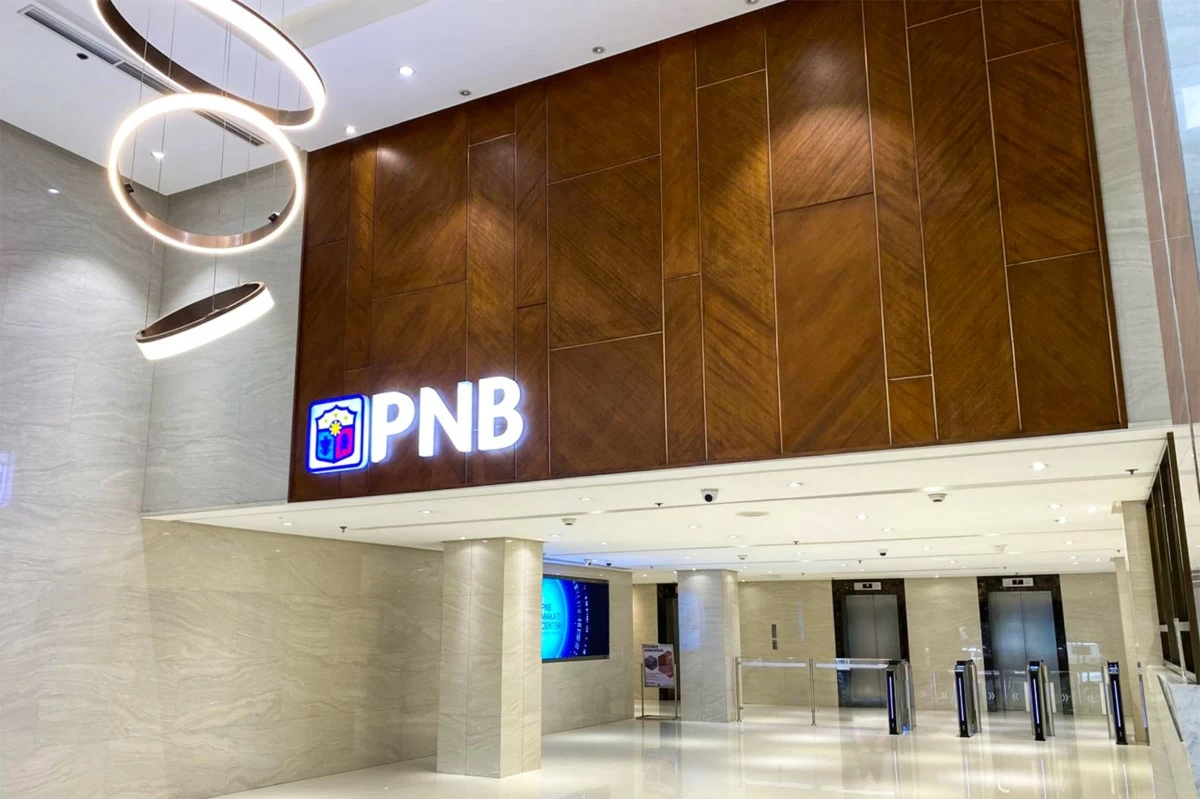
PNB Makati Center lobby (Photo: PNB Holdings Corporation)
Brutalist architecture is gaining renewed appreciation for its clean, functional design and strong visual identity. Known for its exposed concrete and geometric forms, the style has attracted a new generation of architects, designers, and enthusiasts who value its straightforward approach to design. In Metro Manila, this growing interest can be seen in the PNB Makati Center in Makati City and the PNB Financial Center in Pasay City, two landmark buildings managed by PNB Holdings Corporation (PHC).
Designed by Filipino architects Carlos Arguelles and Gabriel Formoso, respectively, both structures have long been recognizable fixtures of the metro skyline. Through adaptive redevelopment, PHC has introduced updates that allow the buildings to support contemporary uses while retaining their defining architectural qualities.
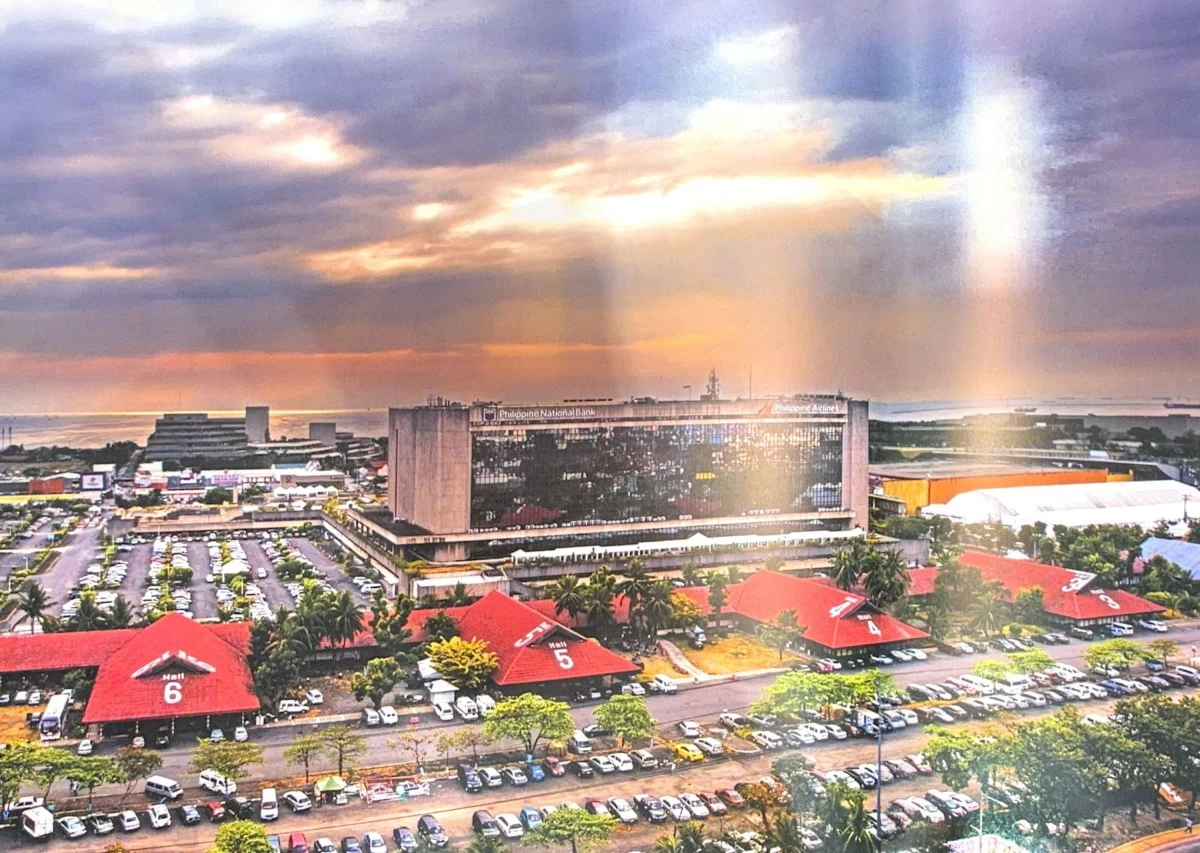
PNB Financial Center (Photo: PNB Holdings Corporation)
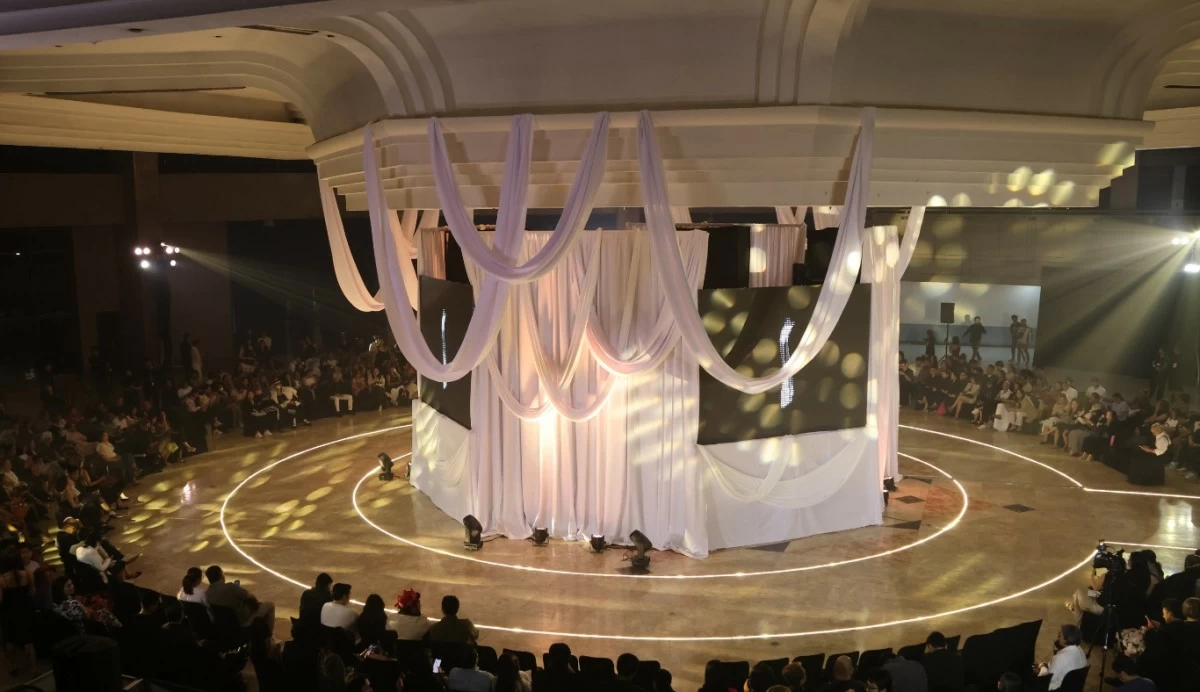
The grand atrium (Photo: PNB Holdings Corporation)

PNB Makati Center workspaces (Photo: PNB Holdings Corporation)
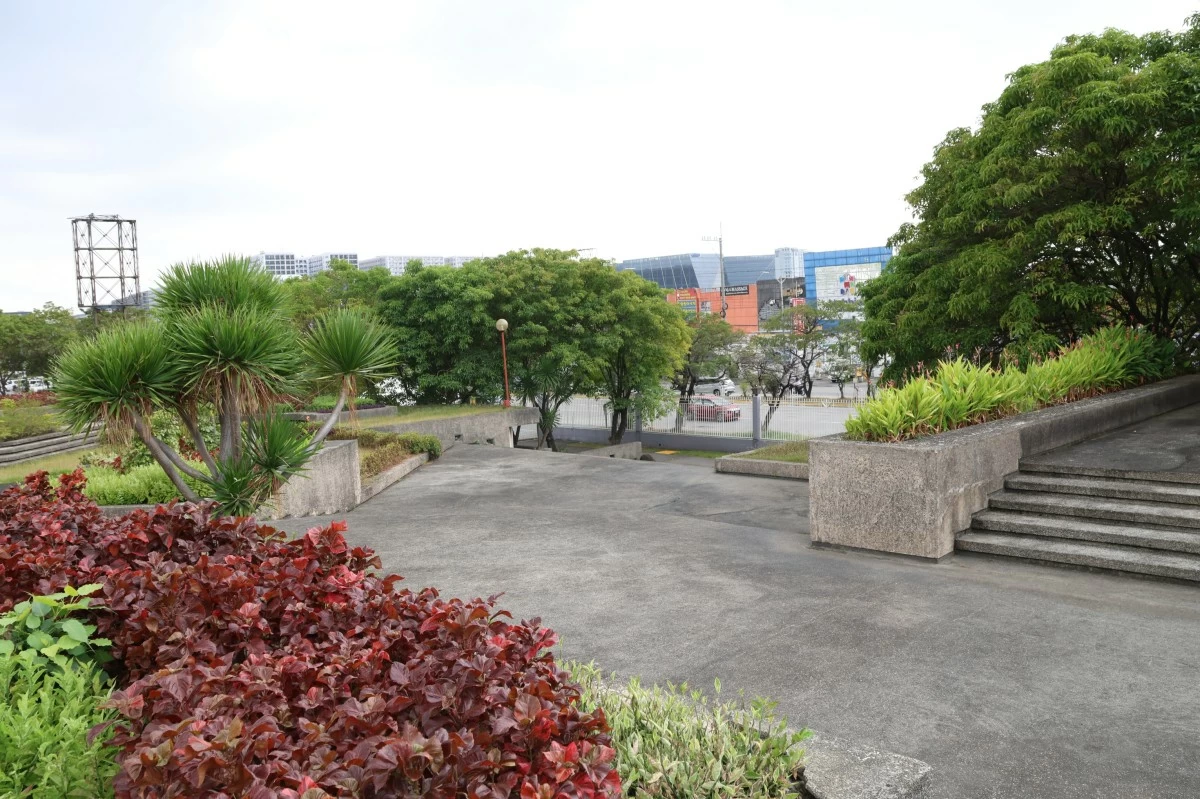
The amphitheater (Photo: PNB Holdings Corporation)
At the PNB Makati Center, the focus is on creating a workplace that responds to modern needs. Its interiors feature brighter common areas, contemporary finishes, and subtle color accents that soften its strong architectural presence. The changes bring a greater sense of openness and comfort to the workplace, improving how people move, work, and interact within the building.
The PNB Financial Center, meanwhile, has expanded beyond its traditional role as an office complex. Parts of the property have been adapted into venues for events and gatherings, taking advantage of the building's expansive layout and high ceilings. Spaces such as the Grand Atrium offer flexibility for a variety of functions, while the property's location near Manila Bay brings natural light and views that enhance the experience.
Together, the PNB Makati Center and the PNB Financial Center demonstrate how established buildings can continue to serve changing needs. By building on their existing strengths, both properties show how architecture can remain active and purposeful long after its original completion.