






Manila Bulletin
 Environment and Sustainability
Navigating the extreme weather of the new El Niño cycle
Environment and Sustainability
Navigating the extreme weather of the new El Niño cycle
Environment and Sustainability
Navigating the extreme weather of the new El Niño cycle
Navigating the extreme weather of the new El Niño cycle
Published Jun 17, 2026 03:33 pm


El Niño is now in the Philippines, and we should begin preparing for its impact.
According to the Philippine Atmospheric, Geophysical and Astronomical Services Administration (PAGASA), there is an 80 percent probability that current conditions will develop into a full-blown El Niño event that may persist until early 2027.
This update aligns with the World Meteorological Organization (WMO)’s report that the climate pattern is expected to increase the risk of extreme weather in the coming months. According to the organization, unusually warm ocean waters will affect global temperatures and rainfall patterns, bringing above-average temperatures to many areas from June to August.
El Niño begins in the Pacific Ocean when sea surface temperatures in the central and eastern equatorial Pacific become warmer than usual. This weakens normal wind patterns and changes how heat and moisture move through the atmosphere.
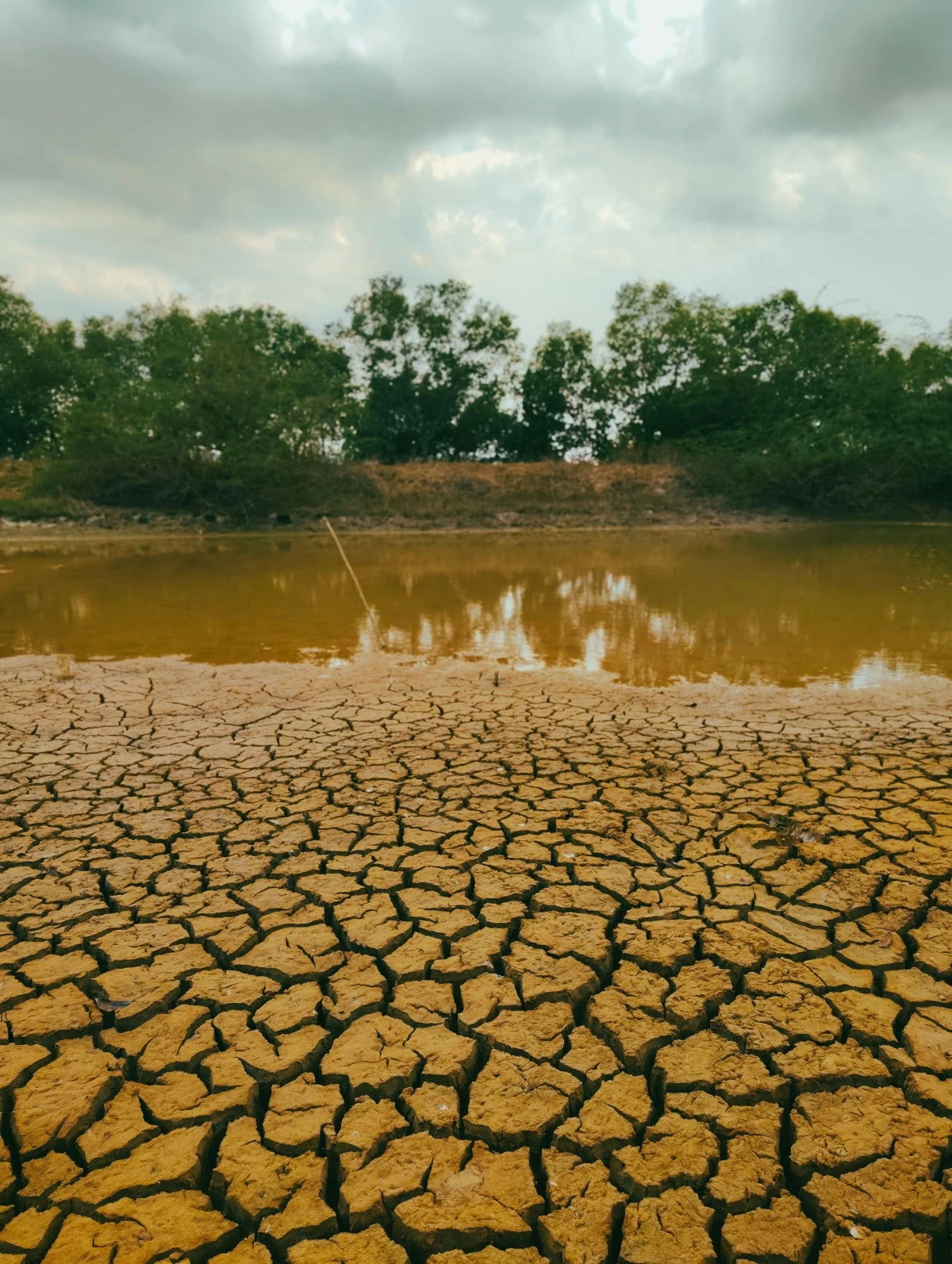
Extreme heat and dry conditions during an El Niño event. (Photo by Circuit Occidental via Pexels)
PAGASA warns that El Niño may bring below-normal rainfall across much of the country, increasing the risk of dry spells and drought, especially in vulnerable areas. It added that above-normal rainfall may still occur, particularly in the western sections of the country during the Southwest Monsoon season, especially when enhanced by tropical cyclone activity.
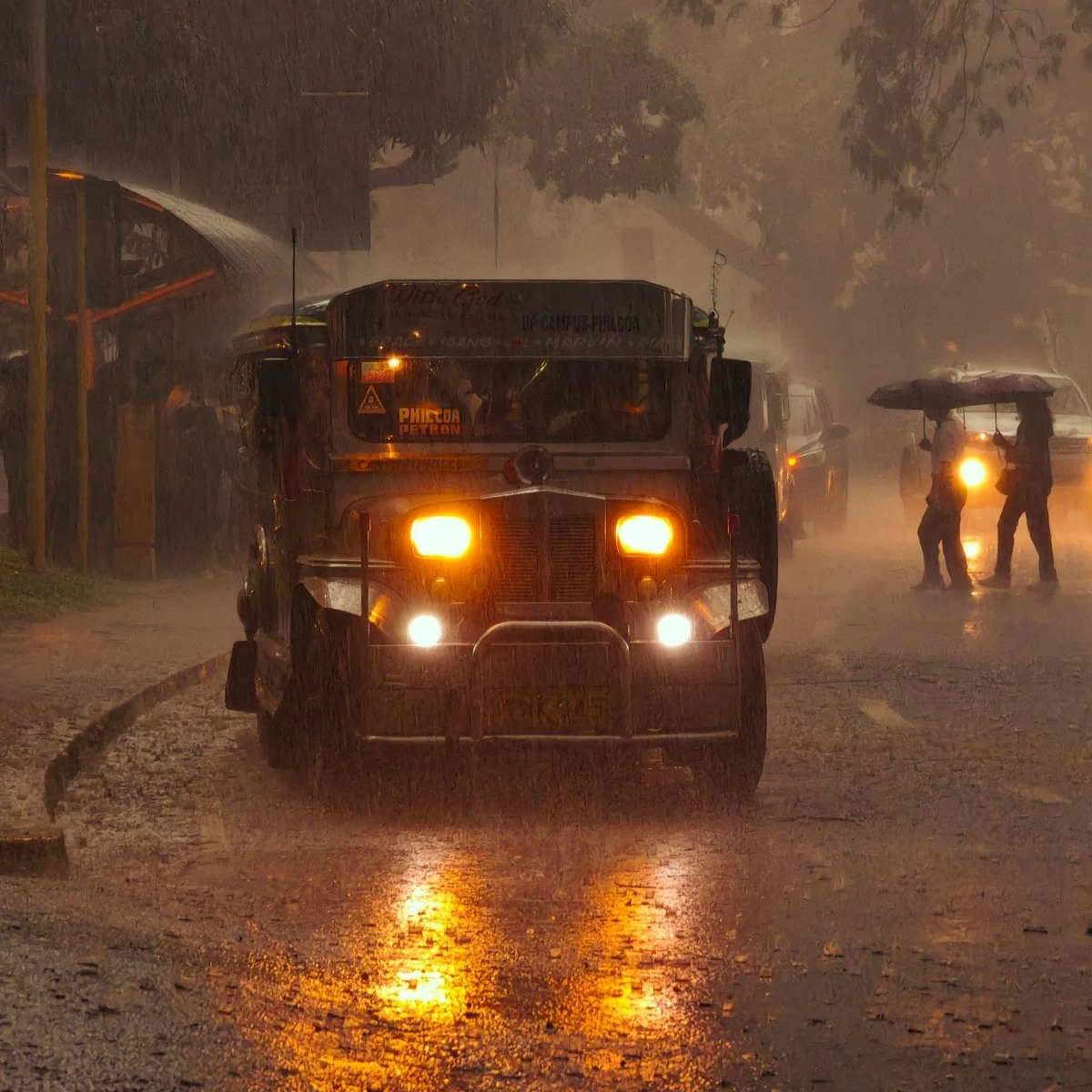
PAGASA warns that despite El Niño's dry spells, tropical cyclones could still trigger intense rainfall in western regions. (Photo by Jobelle Meana via Pexels)
The Philippines will feel the effects of El Niño most strongly in agriculture, fisheries, and water systems. Higher temperatures may also place vulnerable groups, such as children, older adults, outdoor workers, and low-income households, at greater risk of heat-related illnesses.
It is not too late to prepare for El Niño. Here is a practical guide to help you cope with its effects:
• Manage your home and workplace climate
Have your air conditioners serviced to reduce the risk of breakdowns when you need them most. Clean your electric fans regularly as well. Use curtains or blinds to block direct sunlight. In rooms such as bedrooms, keep the curtains closed during the day, when possible, to help reduce indoor heat.
• Check for needed repairs
Your roof, ceilings, gutters, downspouts, and drainage systems should be ready for any type of weather. You do not want to deal with failures during extreme weather conditions. Trim trees and inspect your surroundings for materials or furniture that could be damaged by strong winds or heavy rainfall. Make sure your pets have shaded areas and enough water.
• Review your emergency kit
Check for missing first-aid supplies and medicines. Make sure your flashlight batteries still work and that you have extras on hand. Inspect your stock of non-perishable food and replace any expired items. Confirm that everyone knows where the go-bags are kept. Review the essential items that should be stored in your vehicle in case you need to evacuate, and ensure your power banks are fully charged.
• Digitize and save important documents
Scan your identification cards, insurance papers, land titles, and other essential records. Store copies on your devices and in secure cloud storage so you can access them quickly if you need to evacuate.
• Adjust your routine for safety
Limit outdoor activities during peak sun hours, wear lightweight and breathable clothing, and carry water to stay hydrated. Stay informed with the latest weather advisories so you can properly assess any planned trips and activities.
• Prepare your vehicle
Whether you are going on a road trip or evacuating, your vehicle should be in top condition. Inspect the tire tread, check whether the wiper blades need replacement, test all lights and defrosters, and keep your fuel tank at least half full. Make sure your roadside emergency kit is complete.
• Stay hydrated
In addition to drinking water regularly, apply sunscreen when going outdoors. If you begin to experience symptoms of heat-related or infectious illnesses, consult your doctor promptly, including through teleconsultation if needed.