






Manila Bulletin
 Business
Banking & Finance
Gov't completes foreign borrowing with upsized $2.5-billion bond sale
Business
Banking & Finance
Gov't completes foreign borrowing with upsized $2.5-billion bond sale
Business
Banking & Finance
Gov't completes foreign borrowing with upsized $2.5-billion bond sale
Gov't completes foreign borrowing with upsized $2.5-billion bond sale
By Derco Rosal
Published Jun 17, 2026 02:58 pm


At A Glance
- Due to robust investor demand, the national government (NG) decided to upsize its last foreign currency-denominated borrowing from $2 billion to a final $2.5 billion, completing the country's borrowing program for 2026.
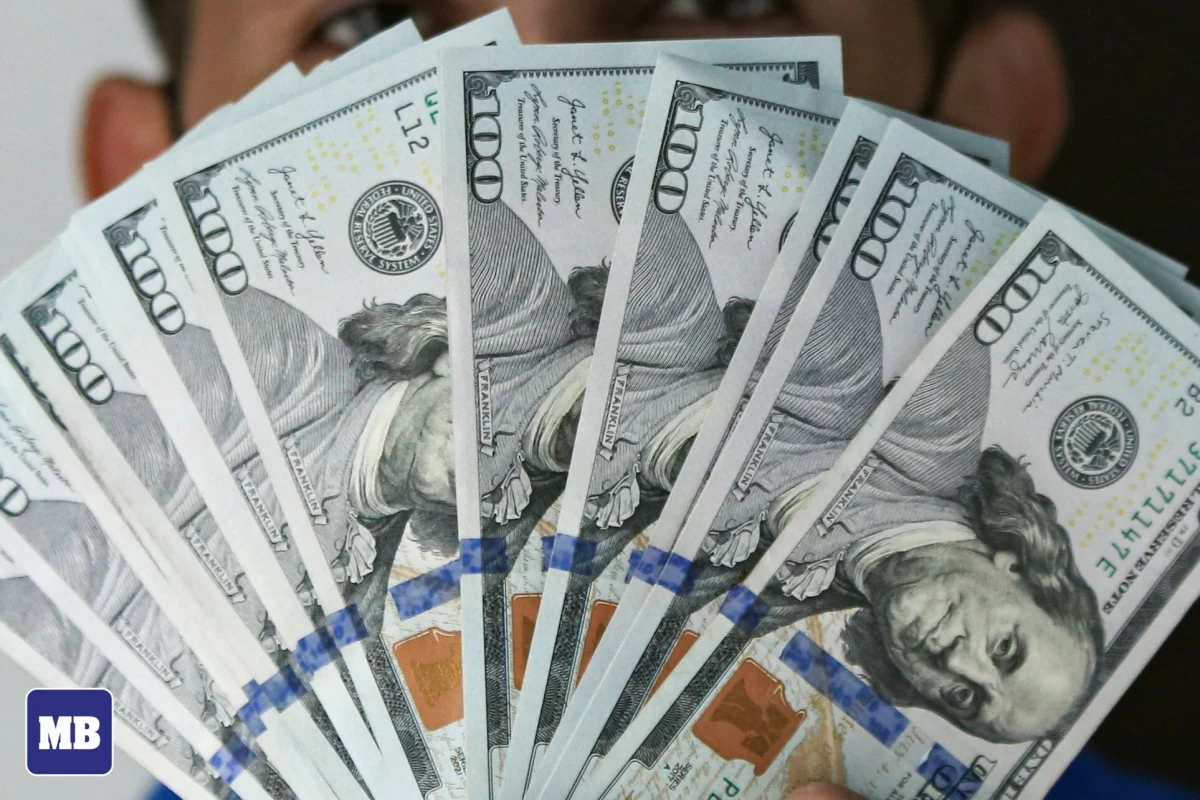
Driven by robust investor demand, the national government has upsized its latest foreign currency-denominated bond offering from $2 billion to a final $2.5 billion, officially completing the country’s external borrowing program for 2026.
The Bureau of the Treasury (BTr) announced on Tuesday, June 16, that the Philippine government returned to the global debt markets with a triple-tranche offering of US dollar-denominated global bonds. The transaction aims to secure additional funding for the country’s ₱6.793 trillion national budget for fiscal year (FY) 2026.
“Over the course of the day, the offering drew significant international investor interest,” the BTr said in a statement. “From an initial offering size of $2 billion, the order book reached an oversubscription rate of 4.4 times, allowing the Republic to upsize the transaction to $2.5 billion, building on robust demand from high-quality investor accounts.”
According to the Treasury, the final foreign borrowing for the year consisted of $550 million in 5.5-year bonds at a yield of 4.699 percent, $1.65 billion in 10-year bonds at 5.355 percent, and a $300 million tap of the 2051 global bonds at 5.850 percent.
The final pricing reflected a significant tightening from initial guidance across all tranches, with compression of up to 32.5 basis points (bps). The BTr highlighted that the bonds were priced with minimal to negative new issue premiums, effectively minimizing the government’s borrowing costs.
National Treasurer Sharon P. Almanza confirmed that, based on the Budget of Expenditures and Sources of Financing (BESF) for FY 2026, the latest transaction effectively caps the government's external borrowings for the year. This sale follows a $2.75 billion triple-tranche dollar issuance in January 2026. Of the ₱2.68 trillion gross borrowing program for this year, foreign financing accounts for 23%—or approximately ₱600 billion—up from the previous year’s ₱488.2 billion.
According to the BTr, the successful issuance underscores the country’s ability to efficiently capture favorable market windows, reflecting the strength of the Philippines' credit profile, robust global market access, and sustained investor confidence.
Finance Secretary Frederick D. Go noted that the high oversubscription rate indicates strong institutional confidence in the Philippines’ economic resilience and structural stability, even amid challenging market conditions and brief execution windows. Go added that the deal reinforces the country’s economic momentum, commitment to prudent fiscal management, and ongoing efforts to drive sustainable growth.
Almanza explained that the government strategicially timed its re-entry into the global debt markets to leverage favorable conditions and lock in lower financing costs ahead of potential market volatility. "Our aim is to harness this market momentum to secure the most efficient cost dynamics in anticipation of potential future market uncertainties," she said.
Credit rating agencies lined up to support the issuance. Fitch Ratings assigned the dollar bonds a 'BBB' rating, matching the sovereign's long-term rating. S&P Global Ratings assigned a 'BBB+' rating, while Moody’s Ratings assigned a 'Baa2' rating (the agency's equivalent to BBB).
Moody’s justified its rating by pointing to the domestic economy’s high growth potential and fiscal metrics that remain on par with regional peers. The agency noted that the Philippines maintains strong access to domestic and international funding markets, alongside ample foreign-currency reserves to weather global capital flow volatility.
However, Moody's balanced these credit strengths against structural challenges, citing low per capita income, lingering constraints on institutional quality (which contrast with high policy effectiveness), and the sovereign’s high exposure to physical climate risks.
Fitch noted that its 'BBB' bond rating directly mirrors the country's sovereign credit profile, meaning the securities carry the same credit risk as the Republic itself. According to the global debt watcher, any future movement in the bond ratings will be tied to changes in the Philippines' sovereign rating. Fitch highlighted governance-related environmental, social, and governance (ESG) factors—specifically political stability, the rule of law, and corruption control—as heavy-weighted drivers in its sovereign rating model.