






Manila Bulletin
 Technews
The UK's Under-16 Social Media Ban and the Philippines' urgent policy challenge
Technews
The UK's Under-16 Social Media Ban and the Philippines' urgent policy challenge
Technews
The UK's Under-16 Social Media Ban and the Philippines' urgent policy challenge
The UK's Under-16 Social Media Ban and the Philippines' urgent policy challenge
By Yanro Ferrer
Published Jun 16, 2026 10:02 am


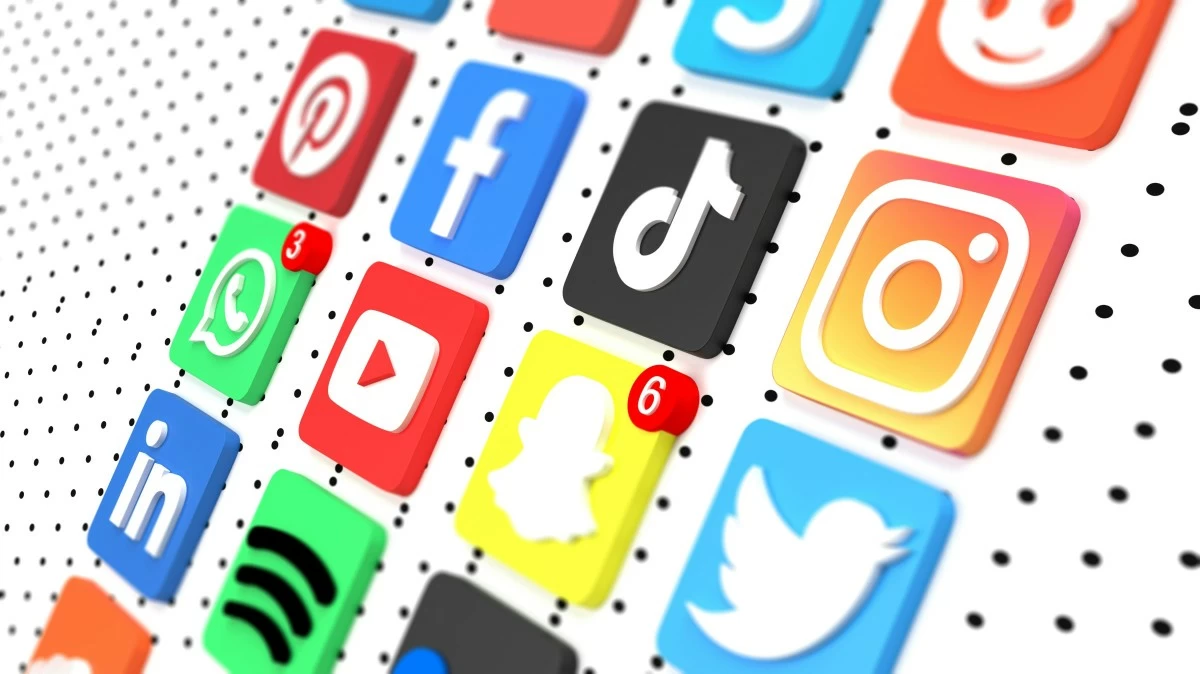
Photo by Shutter Speed on Unsplash
The United Kingdom has signaled a major shift in global digital policy by announcing a nationwide ban on social media use for children under 16, with implementation targeted for 2027. The measure will prohibit minors from accessing major platforms such as TikTok, Instagram, Facebook, X, Snapchat, and YouTube through mandatory age-verification systems overseen by Ofcom, the country’s online safety regulator. Messaging applications, educational services, and music-streaming platforms are expected to remain exempt, while additional safeguards—including restrictions on livestreaming, contact with strangers, and certain AI chatbot features—will also be introduced. Crucially, the burden of compliance falls on technology companies, which could face substantial penalties for failing to prevent underage access.
The UK’s move reflects a growing recognition that online harms affecting children—from cyberbullying and predatory behavior to addictive algorithms and harmful content exposure—can no longer be addressed through voluntary industry self-regulation alone. For the Philippines, where social media use remains among the highest in the world and children gain access to digital platforms at increasingly younger ages, the urgency for action is even greater. While proposals to regulate minors’ access to social media have been introduced, legislative efforts remain fragmented and slow-moving.
The question for Philippine policymakers is no longer whether intervention is necessary, but whether the country can afford further delay. Any future legislation must go beyond age restrictions and establish a comprehensive framework that includes effective age-assurance mechanisms, clear platform accountability, digital literacy initiatives, parental support systems, and stronger data privacy protections. Without decisive action, Filipino children will continue to navigate digital environments designed primarily to maximize engagement rather than safeguard their well-being.