






Manila Bulletin
 Business
Trade & Industry
DOE sees Visayas power strain easing by July as rates drop
Business
Trade & Industry
DOE sees Visayas power strain easing by July as rates drop
Business
Trade & Industry
DOE sees Visayas power strain easing by July as rates drop
DOE sees Visayas power strain easing by July as rates drop
Published Jun 16, 2026 04:08 pm


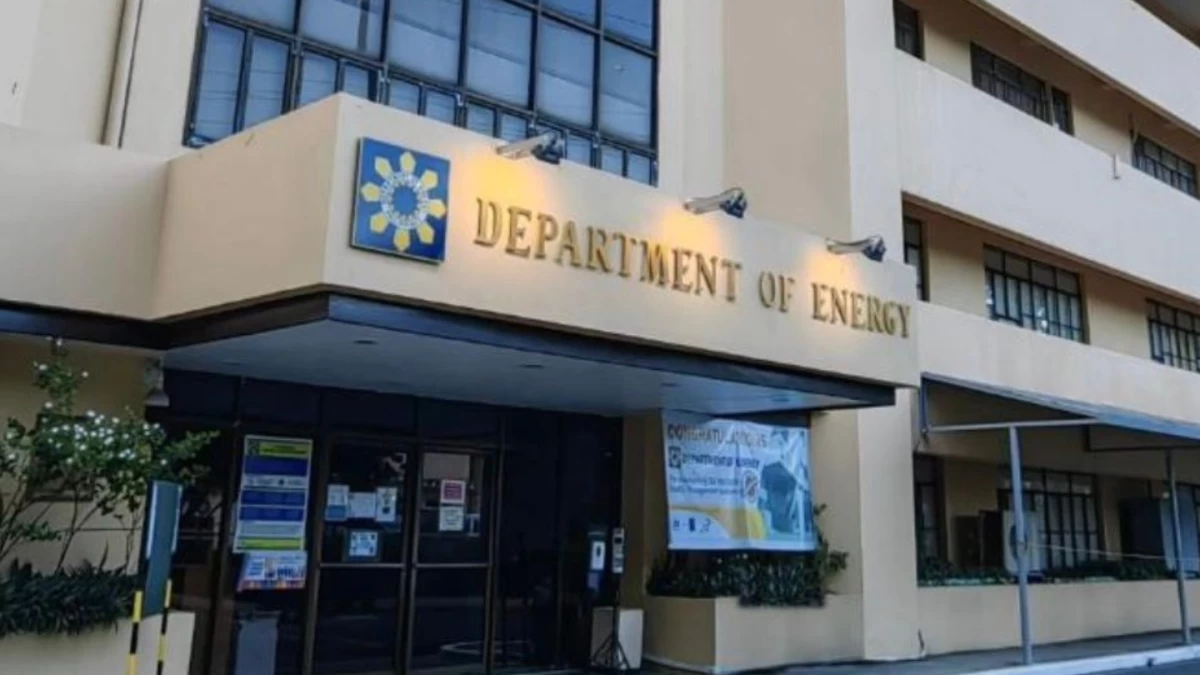
The Department of Energy (DOE) expects power supply constraints in Visayas to ease by next month, betting on upcoming generation capacity and seasonal rains to temper prolonged strain on the regional electricity grid.
Energy Secretary Sharon Garin said on Tuesday, June 16, that the government is moving toward long-term interventions to manage ongoing structural risks in the central island group.
Garin said the strategy includes scaling up battery energy storage systems (BESS) to complement expanding renewable energy installations and replace temporary grid-stabilizing measures currently in use.
“We’re doing our preparations to increase power and batteries in Visayas,” Garin said in an interview with radio station DZMM, adding that incoming power plants and mobile power barges will deploy soon to handle the region's expanding electricity demand.
The Visayas grid has faced persistent supply deficits, prompting system operator National Grid Corporation of the Philippines (NGCP) to issue consistent yellow alerts—which signify low power reserves.
On Tuesday, the grid operator placed the Visayas network on a four-hour yellow alert running from 4 p.m. to 8 p.m. Available generating capacity stood at 2,587 megawatts, leaving a narrow margin above the regional peak demand of 2,384 megawatts.
Grid reliability has been severely hampered by unscheduled outages. Approximately 947.8 megawatts of capacity remains completely unavailable to the grid due to ongoing shutdowns at major plants, including Therma Visayas Units 1 and 2, Panay Energy Development Corp. Unit 3, and KEPCO SPC Power Corp. Unit 1.
Despite thin operating margins, Garin indicated that the peak pressure of the hot dry season is nearing its end, which should naturally depress consumption levels.
“Within the month, the temporary relief could be over,” Garin said, noting that changing weather patterns will soon lower cooling loads across the region. “What’s different today is summer. By the time of August, it will start to rain.”
The supply crunch coincides with lower transmission costs for consumers. NGCP reported earlier that overall transmission rates for the current month decreased 9.33 percent to ₱1.4492 per kilowatt-hour. The utility provider attributed the decline to reductions in wheeling charges—the cost of moving electricity across high-voltage lines—and ancillary services used to balance grid frequency.
Core transmission charges fell 6.99 percent to ₱0.5607 per kilowatt-hour dur