






Manila Bulletin
 Philippines
National
Special session welcomed; Speaker Dy says House has already finished priority bills
Philippines
National
Special session welcomed; Speaker Dy says House has already finished priority bills
Philippines
National
Special session welcomed; Speaker Dy says House has already finished priority bills
Special session welcomed; Speaker Dy says House has already finished priority bills
Published Jun 15, 2026 04:47 pm


At A Glance
- House leaders have welcomed President Marcos' call for a special session on June 17, saying it allows Congress to finish priority measures on social protection, education, and healthcare.
- Speaker Dy, Majority Leader Sandro Marcos, and Rep. Abante noted the House has already approved many of the cited bills, with the Senate now tasked to act on them.
- Abante thanks the President for including the National Center for Geriatric Health, stressing the urgent need to expand specialized care for senior citizens.
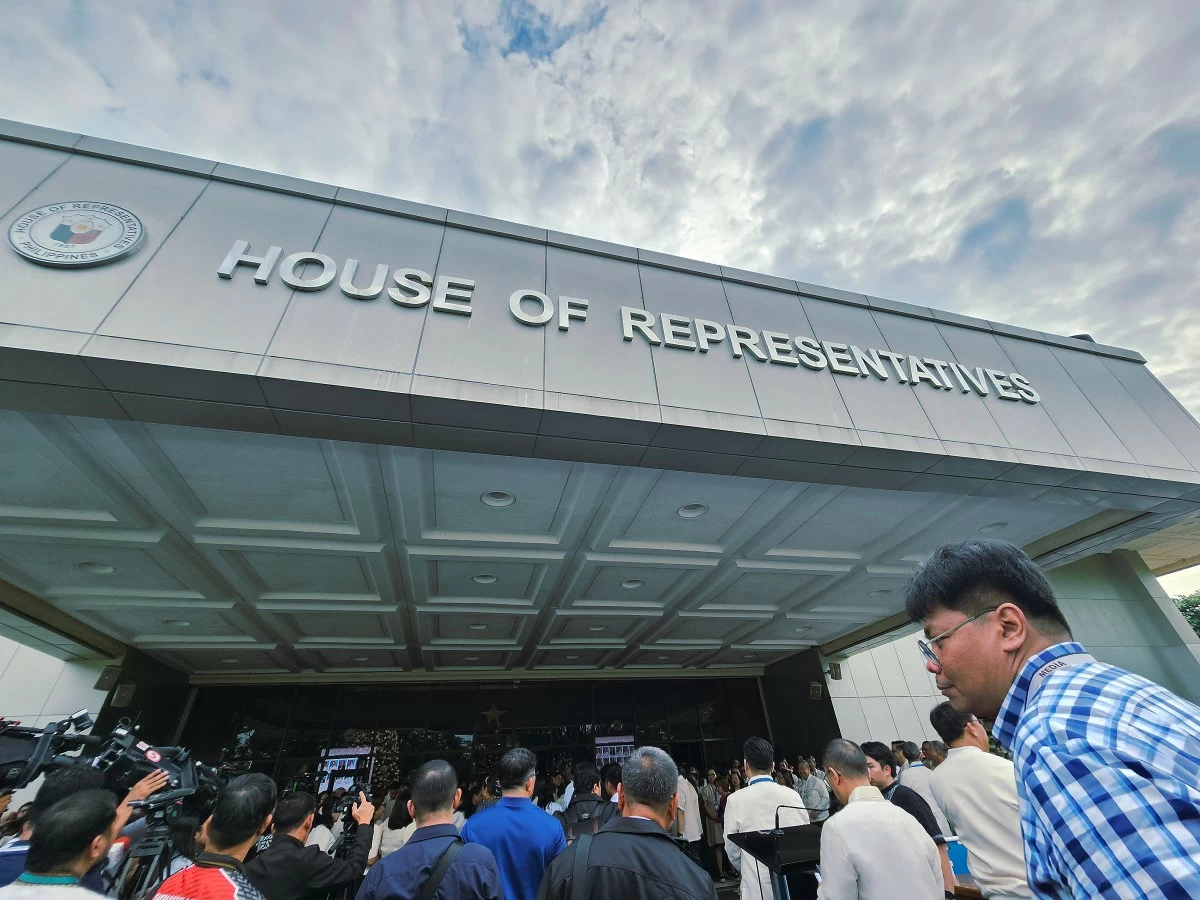
The House of Representatives (Ellson Quismorio/ MANILA BULLETIN)
House leaders have welcomed President Marcos's call for a special session on June 17, saying it provides an opportunity for Congress to complete key legislation on social protection, education, and healthcare.
Hailing the Palace move were Speaker Isabela 6th district Rep. Faustino "Bojie" Dy III, Majority Leader Ilocos Norte 1st district Rep. Sandro Marcos, and quad-committee (quad-comm) v2.0 overall chairman Manila 6th district Rep. Bienvenido "Benny" Abante Jr.
“The House of Representatives stands ready to heed the President’s call and continue advancing legislation that directly responds to the needs of our people,” Speaker Dy said on Monday, June 15 shortly after the announcement was made.
Dy noted that all of the measures specifically identified by President Marcos in Proclamation No. 1318, on for a special session of Congress, have already been approved by the House.
In his proclamation, the President listed several priority measures for action of Congress, including the National Center for Geriatric Health Act, Amendments to the Government Assistance to Students and Teachers in Private Education (GASTPE) Act, Assistance to individuals in Crisis Situation (AICS) Act, Amendments to Universal Access to Quality Tertiary Education Act (UAQTEA), Last Mile and Geographically Isolated and Disadvantaged and Conflict-Affected Areas Schools (GIDA) Act, Amendmends to the Masustansyang Pagkain Para sa Batang Pilipino Act, Anti Political Dynasty Law, and the Presidential Merit Scholarship Program Act, along with "other measures aimed toward strengthening social protection and uplifting the lives of the Filipino people."
The onus is now on the other legislative chamber, the Senate, to match the House's legislative output and move the cited measures toward bicameral approval.
Before adjourning sine die on June 3, the House had already acted on 26 measures under the Legislative-Executive Development Advisory Council (LEDAC) Common Legislative Agenda. Of these, one measure has already been enacted into law, one has completed bicameral conference committee action, three are currently undergoing bicameral conference committee deliberations, and 21 have been approved on third and final reading.
Of the 52 LEDAC priority measures, the House has already acted on half, underscoring its commitment to advancing the administration’s legislative agenda and delivering reforms that benefit Filipino families.
Apart from the measures listed in the proclamation for special session, the House has also approved other LEDAC priority measures, including proposed National Land Use Act, the Right to Information Act, amendments to the Pantawid Pamilyang Pilipino Program (4Ps), the Department of Water Resources Act, the restructuring of the Energy Regulatory Commission (ERC), the Waste-to-Energy Act, the Digital Payments Act, and the proposed Anti-Fake News and Disinformation Act.
Dy said the President’s call for a special session demonstrates the administration’s determination to ensure that priority legislation addressing the needs of students, senior citizens, vulnerable sectors, and Filipino families is acted upon without delay.
“The House has already laid much of the groundwork for these priority reforms. We stand ready to work with the Senate and the Executive Branch to complete the legislative process and deliver meaningful benefits to the Filipino people,” Dy said.
“The work of the House does not end with the passage of bills. Our responsibility is to help ensure that these measures become law and ultimately translate into better lives, better opportunities, and a more secure future for our people,” Dy said.
Urgent legislation
Rep. Marcos said the President’s call for a special session reflects the administration’s commitment to ensuring that urgent and high-impact legislation is acted upon without delay.
“The President’s call underscores the urgency of legislation that expands educational opportunities, strengthens assistance programs for vulnerable sectors, improves healthcare services, and promotes greater social protection,” he said.
“We welcome the opportunity to continue the work already undertaken by the House and move these priority measures closer to enactment," added the presidential son.
He emphasized that the House maintained a productive legislative pace throughout the first regular session of the 20th Congress and remains prepared to continue work on the priority measures identified by the President.
“The House has demonstrated its readiness to act decisively on important reforms. We look forward to working with our colleagues in the Senate and our partners in the Executive Branch to complete these measures and deliver real, lasting benefits to the Filipino people," the Ilocano said.
For his part, Abante expressed his gratitude to the Chief Executive for including the proposed National Center for Geriatric Health among the measures identified for consideration during the special session
Abante, one of the principal authors of the measure, said the inclusion of the bill in Proclamation No. 1318 underscores the growing need to strengthen healthcare services for the country’s senior citizens.
“I would like to thank President Marcos for recognizing the importance of this measure and for making it one of the priorities for the special session. This sends a clear message that caring for our elderly is a national concern that deserves urgent attention," said the pastor-solon.
The proposed National Center for Geriatric Health seeks to establish a specialized institution dedicated to the prevention, diagnosis, treatment, rehabilitation, and research of age-related diseases and conditions affecting senior citizens.
Abante has been a consistent advocate for improved geriatric healthcare services for more than a decade. In 2009, he helped establish the National Center for Geriatric Health in San Miguel, Manila.
“The need for specialized geriatric care is not new. We recognized this when we worked to establish the National Center for Geriatric Health in Manila in 2009. The measure now before Congress seeks to build on that foundation and expand our capacity to care for an aging population,” he said.