







Putting people before politics
Published Jun 15, 2026 12:05 am
|
Updated Jun 14, 2026 04:17 pm


FROM THE MARGINS
Over the past four decades, I have had the privilege of working alongside millions of Filipinos striving to overcome poverty. Through microfinance, community development, social entrepreneurship, and financial inclusion initiatives, I have met farmers cultivating small plots of land, mothers running sari-sari stores, fisherfolk rebuilding after storms, and young people determined to create a better future for themselves and their families.
Their stories differ, but their aspirations are remarkably similar. They seek opportunities rather than handouts. They want decent livelihoods, quality education for their children, accessible healthcare, safe communities, and the dignity that comes with economic self-reliance. Above all, they hope for a government that works — not for a privileged few, but for all Filipinos.
These reflections come to mind as our nation grapples with controversies involving some of our highest political institutions. Public disputes, political maneuvering, leadership struggles, allegations of misconduct, and growing polarization have dominated headlines and public discourse in recent weeks. Regardless of where one stands politically, these developments should concern us all.
The issue is not merely about personalities. It is about whether our institutions remain focused on the needs of the people they are meant to serve.
For those of us engaged in poverty alleviation and social development work, the consequences of weak governance are not abstract. They are felt every day by ordinary citizens. When political divisions delay reforms, it is often the poor who wait longer for opportunities. When leaders prioritize self-interest over public service, the costs are borne by those with the least resources and the fewest opportunities.
Poverty cannot be solved through political spectacle. Financial inclusion cannot advance through partisan conflict. Social development cannot thrive where distrust and division dominate public life.
What our country needs today is a renewed commitment to statesmanship.
Statesmanship goes beyond politics. Politics often focuses on winning the next election. In contrast, statesmanship focuses on improving the lives of future generations. Statesmen and stateswomen understand that leadership is not about accumulating power but about advancing the common good.
In my years of working with poor communities across the Philippines and beyond, I have learned that effective leaders are often those who listen the most. They build consensus, inspire trust, and remain focused on solutions even amid disagreement.
This is the essence of servant leadership.
Public office is not a reward but a responsibility. Authority is not an entitlement but a trust granted by the people. Every policy, budget, and public decision should ultimately be measured by its impact on human lives.
Will it create jobs?
Will it improve education?
Will it strengthen families and communities?
Will it help those struggling to move forward?
These are the questions that matter.
Throughout the history of our microfinance industry, we have witnessed how people-centered leadership can transform lives. By expanding access to financial services, microinsurance, livelihood opportunities, and education, millions of low-income Filipinos have gained greater economic security and hope for the future. These successes came from focusing on people first.
The same principle applies to governance.
If we aspire to an inclusive and prosperous Philippines, public policy must prioritize people over politics. National leaders should devote more attention to reducing poverty, expanding financial inclusion, strengthening education, supporting entrepreneurs, and creating opportunities for those left behind.
Yet leadership alone is not enough.
Democracy also requires active citizens. Public participation should not end after election day. Citizens must remain informed, engaged, and willing to hold leaders accountable.
This makes voter education more important than ever. Candidates should be evaluated based on competence, character, integrity, and commitment to public service rather than popularity, political alliances, or campaign rhetoric.
At the same time, meaningful electoral reforms deserve continued attention. Greater transparency in campaign financing, stronger safeguards against vote-buying, and broader civic education can help strengthen public trust in democratic institutions.
The future of our nation will not be determined solely within the halls of government. It will be shaped by the collective choices of leaders and citizens alike.
Despite the challenges we face, I remain hopeful. Every day, I encounter Filipinos who demonstrate resilience, generosity, and determination. These qualities have carried our nation through difficult times before and can do so again.
At a time when political divisions seem increasingly visible, perhaps the most important question is not who is winning or losing in politics, but whether our actions are improving the lives of ordinary Filipinos.
When leaders embrace statesmanship, when citizens engage responsibly, and when institutions place service above self-interest, democracy becomes a powerful force for inclusion and development.
The Philippines has never lacked talent, potential, or promise. What we need is a renewed commitment — from both leaders and citizens — to put people before politics.
Only then can we build the inclusive, just, and prosperous nation that every Filipino deserves.
* * *
"The servant-leader is servant first… It begins with the natural feeling that one wants to serve, to serve first."— Robert K. Greenleaf
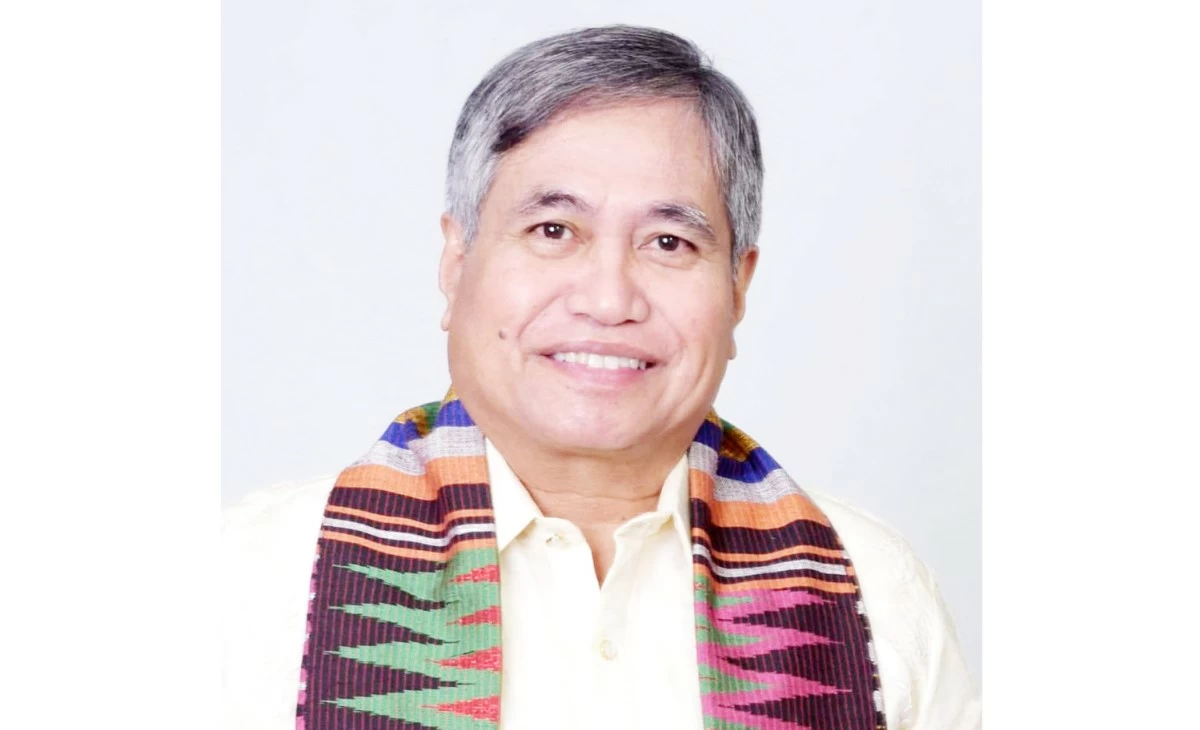
(Dr. Jaime Aristotle B. Alip is a poverty eradication advocate. He is the founder of the Center for Agriculture and Rural Development Mutually-Reinforcing Institutions (CARD MRI), a group of 23 organizations that provide social development services to 8 million economically-disadvantaged Filipinos and insure more than 27 million nationwide.)